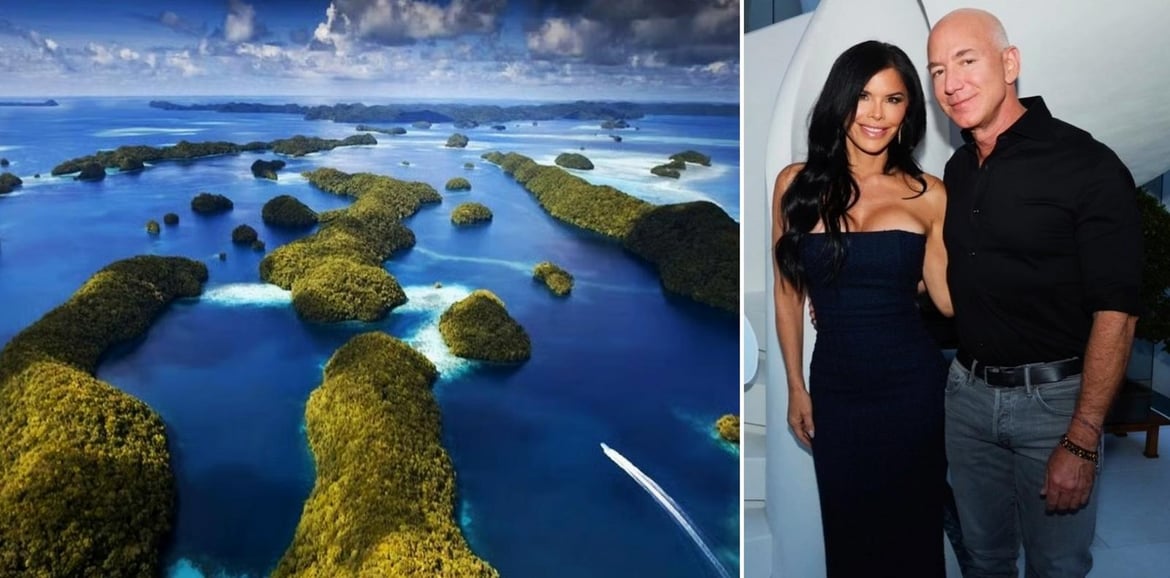
Amazon founder Jeff Bezos is a man with a famously big bank balance and, increasingly, an equally big heart for the oceans. Proof lies in his latest gift through the Bezos Earth Fund, which has announced $24.5 million in new grants for marine conservation. The hefty amount will help safeguard key marine areas across the Eastern Tropical Pacific, mainly in Costa Rica, Panama, Colombia, and Ecuador. These waters form the backbone of the Eastern Tropical Pacific Marine Corridor, a shared shark and turtle superhighway that the four countries are slowly turning into a single, coordinated marine biosphere reserve.

This sum will become the wind beneath the wings of park rangers, coastal communities, and local organizations, helping them improve on-the-water safety and planning, expand community-led stewardship of nursery habitats such as mangroves and estuaries, and strengthen science-backed conservation in the four countries. Mangrove forests here quietly pull double duty, sheltering baby sharks and fish while locking away huge amounts of blue carbon that would otherwise warm the planet. Together, these nations have designated more than 154,000 square miles of new marine protected areas, which has also tripled regional conservation coverage. To put it in perspective, that area is about three Alabamas put together.

Panama, Costa Rica, and Colombia have each set aside more than 30 percent of their national waters, and Ecuador has expanded protections across critical offshore and coastal zones. The protected areas will fuse to become one of the world’s largest coordinated marine conservation efforts and, if the enforcement model works, a rare example of paper parks turning into properly patrolled waters. “It’s an incredibly important area for migration of species,” the Bezos Earth Fund’s head of nature, Cristian Samper, said. “The only way you can protect this place is doing it in a transboundary way.”

To turn that vision into reality, the Earth Fund has split the $24.5 million between four specialist organizations. The largest share, $13.85 million, has been bestowed on Re:wild to help partners create and strengthen coastal reserves and nursery zones for hammerhead sharks, turtles, and other marine life. MigraMar, which focuses on migratory species science, received $1 million to expand long-term studies of sharks, turtles, whales, and tuna across the ETP corridor. Global Fishing Watch got $4 million to help governments use satellite data and planning tools to decide where and when to send patrol boats. Here, the key element is safety, especially when planning routes to reduce risks for crews working in rough, remote areas.
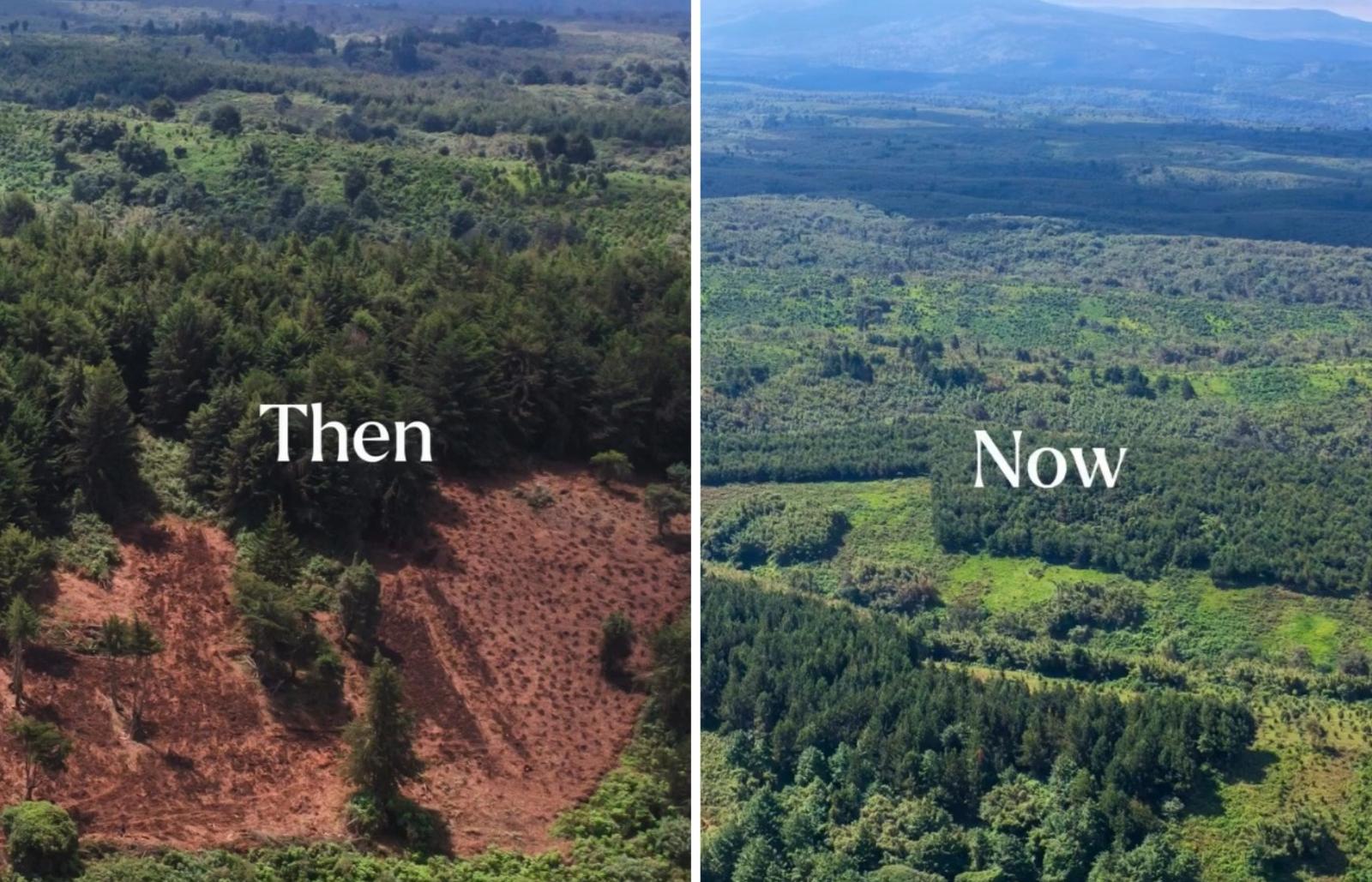
Lastly, WildAid was at the receiving end of a cool $5.65 million from the Bezos Earth Fund to provide boats, engines, radios, and safety equipment. In addition, it will offer hands-on training in boarding procedures, evidence collection, and building legal cases so intercepted vessels can actually be prosecuted. The grants are part of a $1 billion plan to protect 30 percent of the planet’s land and oceans by 2030. Jeff Bezos, the world’s third-richest man worth an estimated $245 billion, recently pledged another $37.5 million to protect 835,000 square miles of Pacific waters, with a focus on the Solomon Islands along with Tuvalu, Samoa, and Fiji, knitting together yet another vast stretch of ocean into a safer haven for marine life.