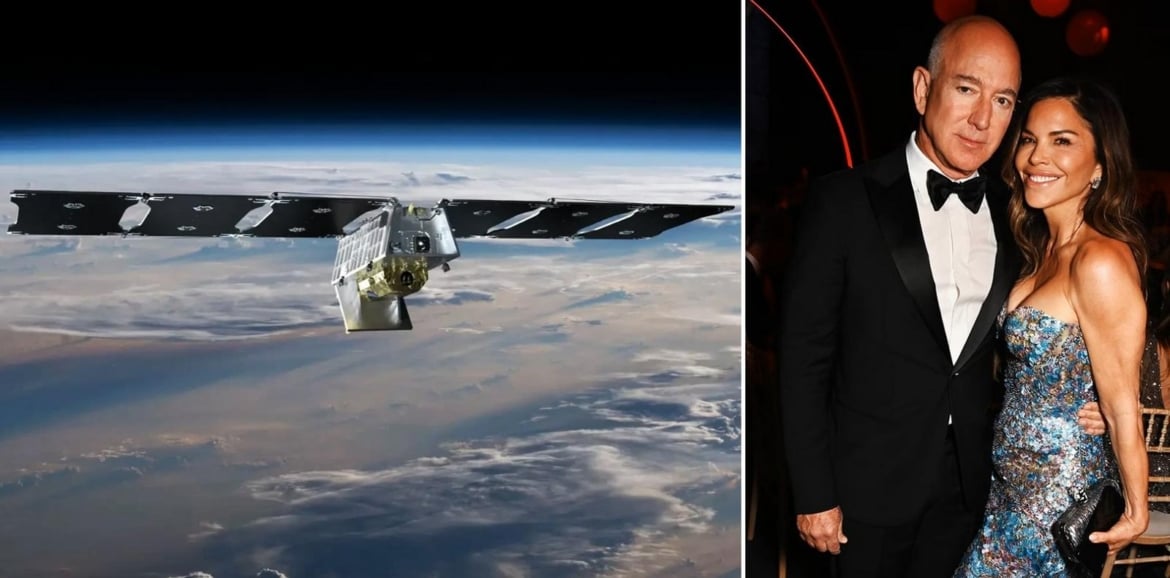
As Elon Musk fills low Earth orbit with Starlink satellites designed to deliver high-speed internet to remote corners of the world, Jeff Bezos is backing a very different mission in space. Instead of connecting people online, Bezos is investing in a satellite network that could help protect forests, communities, and ecosystems from one of the planet’s fastest-growing threats: catastrophic wildfires.
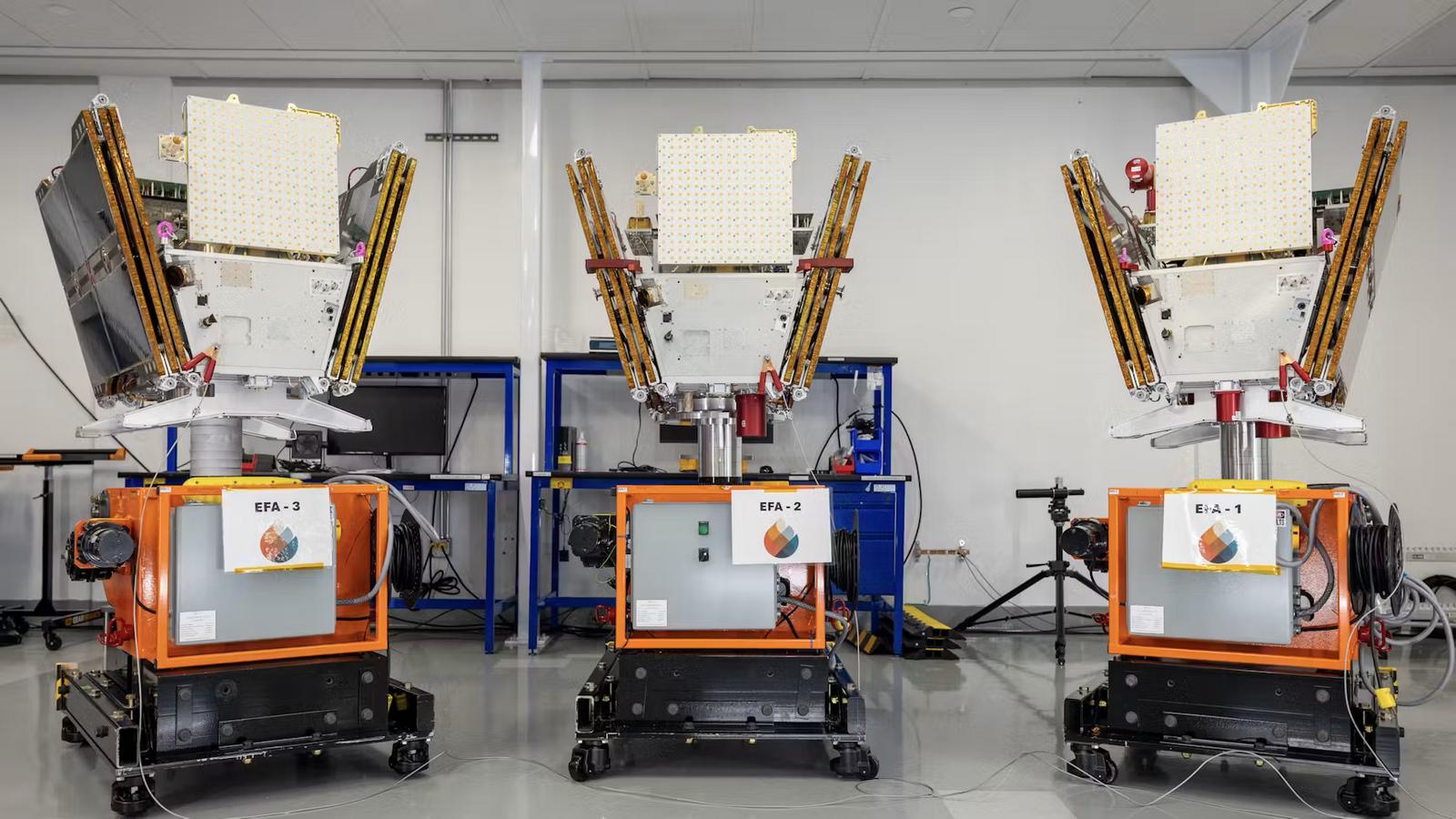
The Bezos Earth Fund recently announced that it is investing $26 million in Earth Fire Alliance’s FireSat program, a purpose-built satellite constellation designed specifically for wildfire detection and monitoring. The grant is being described as the largest single philanthropic commitment to wildfire detection to date and will help fund the launch and operation of the first three operational FireSat satellites scheduled to enter orbit later this summer.

A satellite network designed to spot fires before they spread
While Bezos is already competing with Musk in the satellite internet market through Amazon’s low Earth orbit broadband venture, Amazon LEO, formerly known as Project Kuiper, FireSat represents a very different use of space technology. Whereas Starlink and Amazon LEO aim to bring internet access to underserved regions, FireSat’s mission is to identify fires while they are still small enough to stop.

Developed by Earth Fire Alliance in partnership with California-based Muon Space, FireSat is being presented as the first satellite constellation built specifically for the wildfire challenge rather than as a general Earth-observation system with fire-monitoring capabilities.

The first three satellites, built at Muon Space’s facility in Mountain View, California, are scheduled to launch aboard a SpaceX rideshare mission from Vandenberg Space Force Base in 2026. Once operational, they will monitor critical wildfire-prone regions at least twice daily, with a particular focus on the Amazon Basin.
That Amazon emphasis is significant. Unlike many forests that evolved alongside periodic fires, large portions of the Amazon rainforest are not naturally adapted to frequent burning. Fires linked to deforestation, agricultural clearing, and drought-stressed forests can trigger a destructive cycle of forest loss, drying conditions, biodiversity decline, and increased carbon emissions.
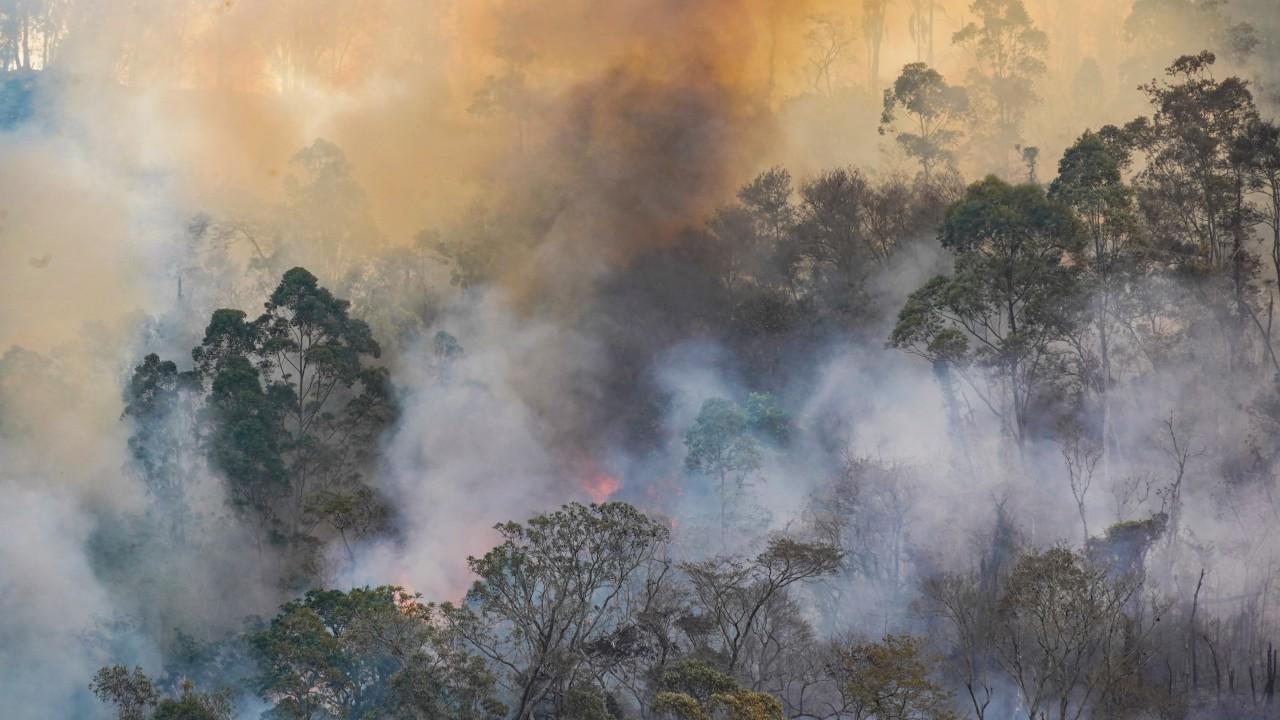
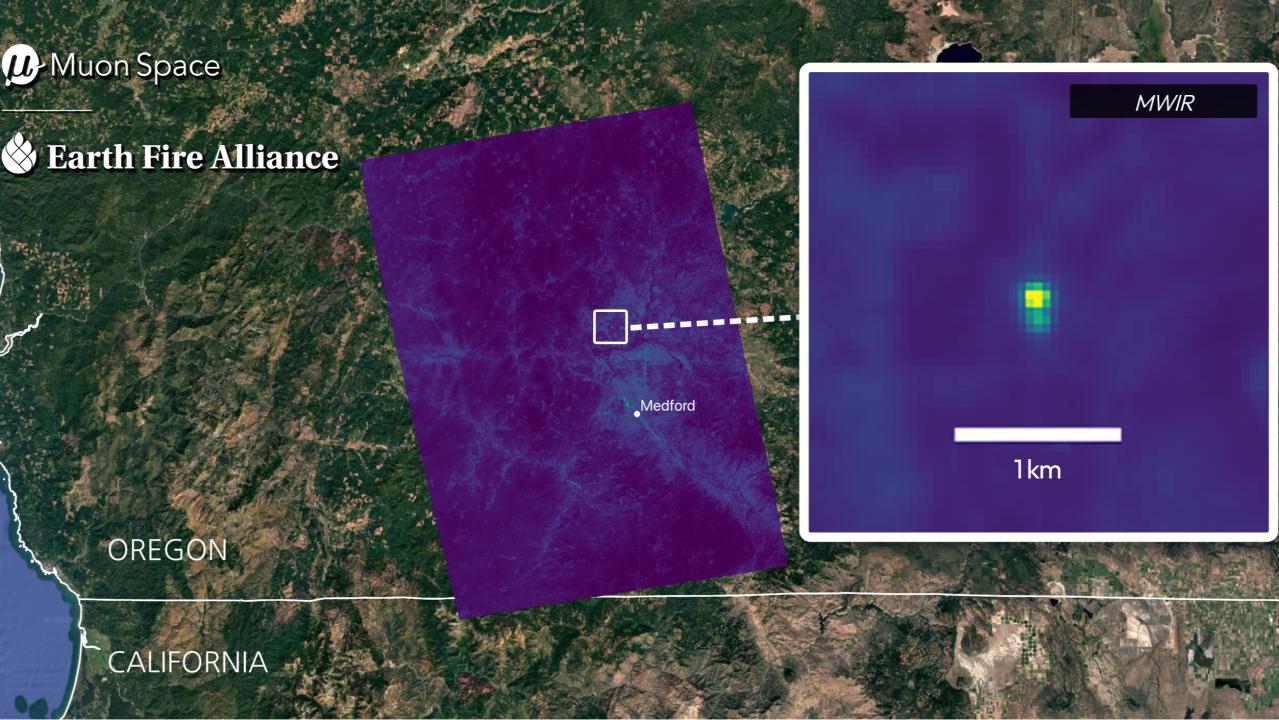
Earth Fire Alliance has already demonstrated the technology’s potential. A FireSat protoflight satellite reportedly detected small intentional fires near Rorainópolis, Brazil, in March 2026, providing the kind of early-warning capability the full constellation is expected to deliver on a much larger scale.

From three satellites to a global wildfire early-warning system
The $26 million grant does more than support satellite launches. It will also help expand access to FireSat data on the ground, ensuring firefighters, land managers, Indigenous communities, scientists, and government agencies can rapidly act on the information.
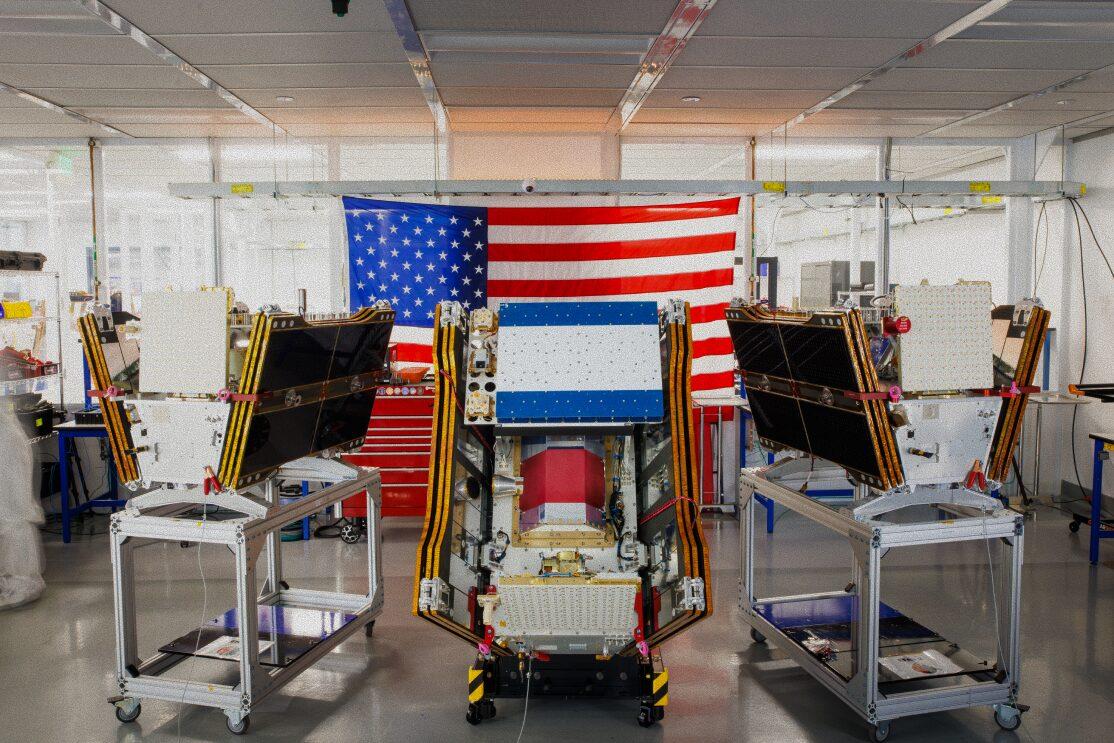
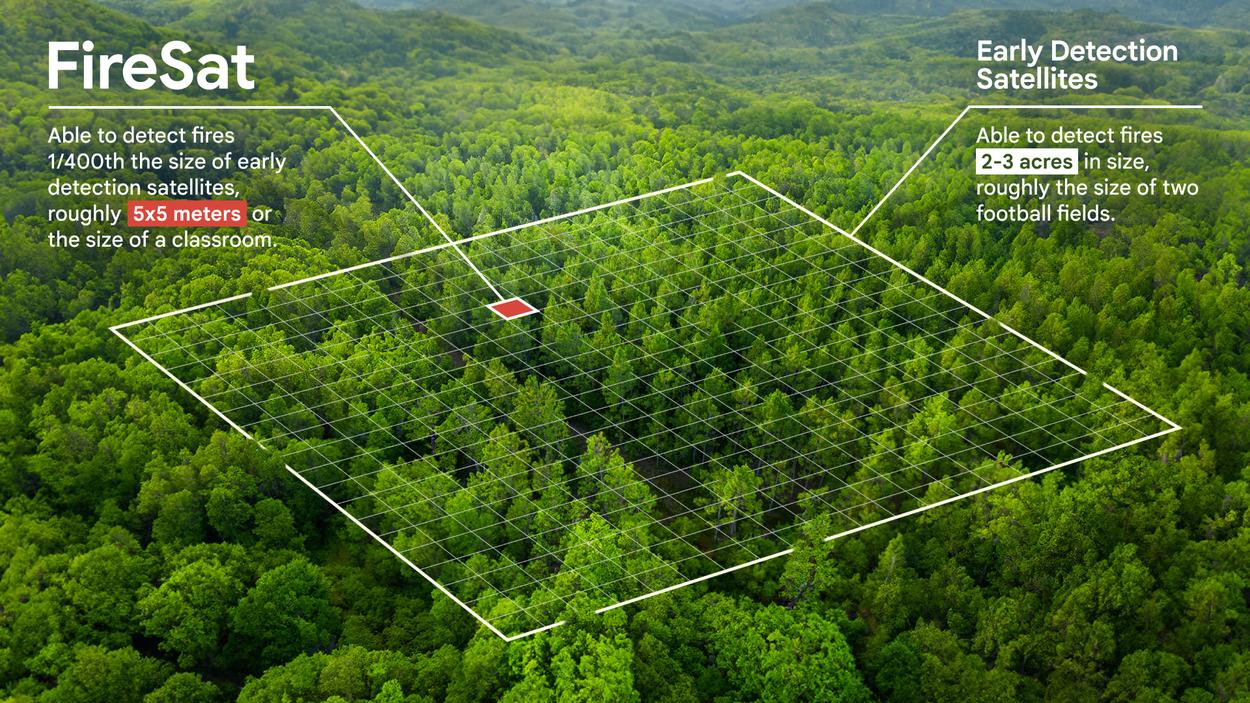
The investment significantly boosts Earth Fire Alliance’s funding base. With the Bezos Earth Fund contribution, total FireSat funding has reached $69.2 million, including support from Google.org, the Gordon and Betty Moore Foundation, and other donors. The long-term ambition is remarkably bold. By 2029, the expanding constellation is expected to detect fires as small as 15 feet by 15 feet, roughly five by five meters, anywhere on Earth within one hour. That is approximately the size of a backyard swimming pool, a one-car garage, or a standard shipping container.

In the early 2030s, FireSat is expected to grow into a network of approximately 50 satellites capable of monitoring every point on the planet every 20 minutes or less. Some of the highest-risk wildfire regions could potentially be revisited every nine minutes. Each satellite will scan a swath approximately 1,500 kilometers (around 930 miles) wide as it passes overhead.

Lauren Sánchez Bezos, vice chair of the Bezos Earth Fund, connected the initiative to the devastating Los Angeles wildfires, saying she watched friends and family lose everything and wondered whether communities could respond faster if fires were detected sooner.
That question sits at the heart of FireSat. If Starlink and Amazon LEO are attempting to close the digital divide, FireSat is trying to close the wildfire response gap. By combining advanced infrared sensors, near real-time monitoring, and global coverage, Bezos is betting that satellites can do more than connect the world. They might help save it from going up in smoke.