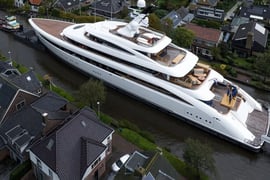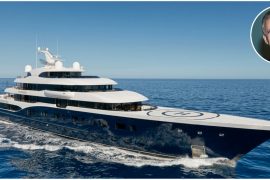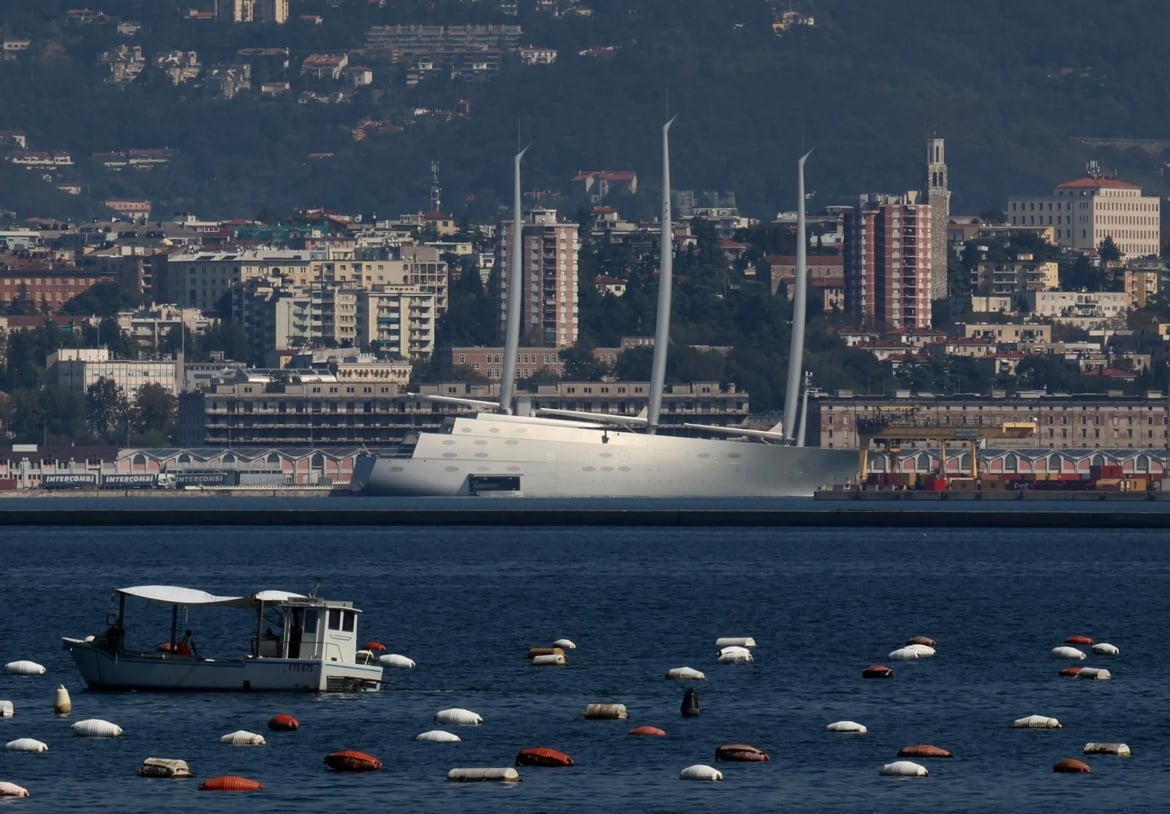
Italian taxpayers have already spent tens of millions of euros keeping one of the world’s most spectacular superyachts alive while it sits frozen in Trieste. Now, Sailing Yacht A could be approaching another expensive milestone. The 468-foot (143-meter) vessel may need to undergo a mandatory class-renewal survey by January 2027, and while the certification itself could cost hundreds of thousands of euros, the technical work required to pass it could potentially run into the millions.
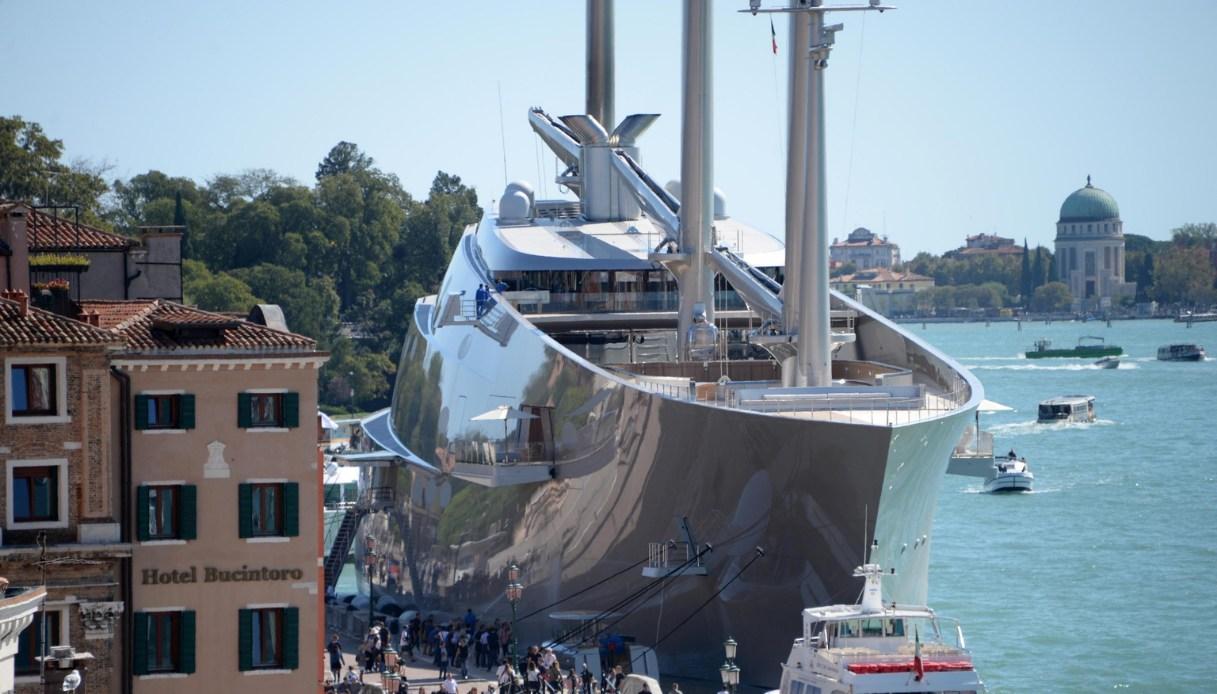
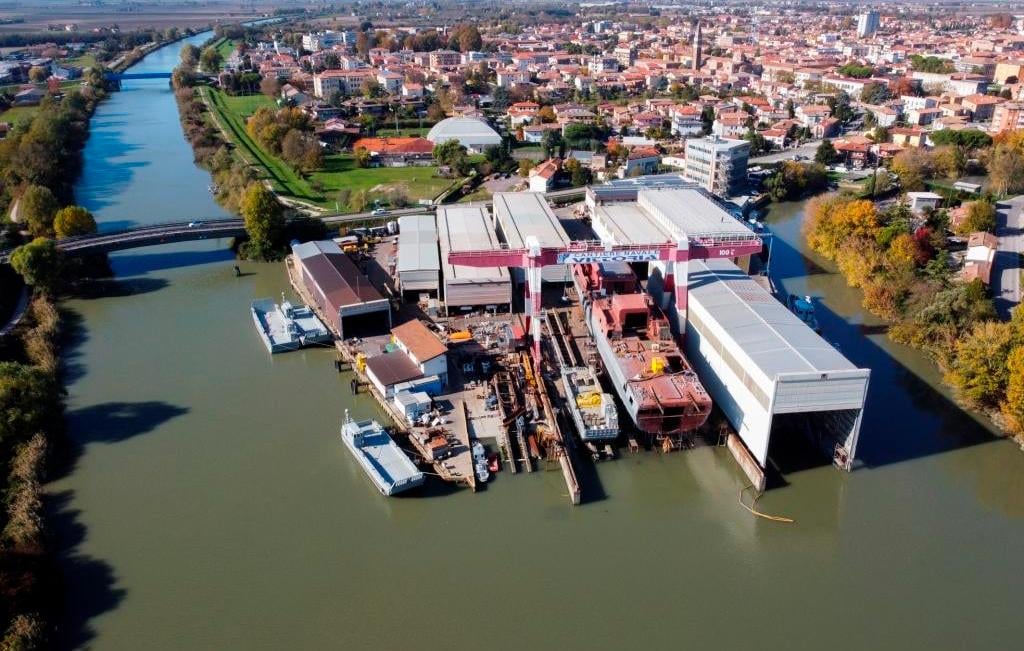
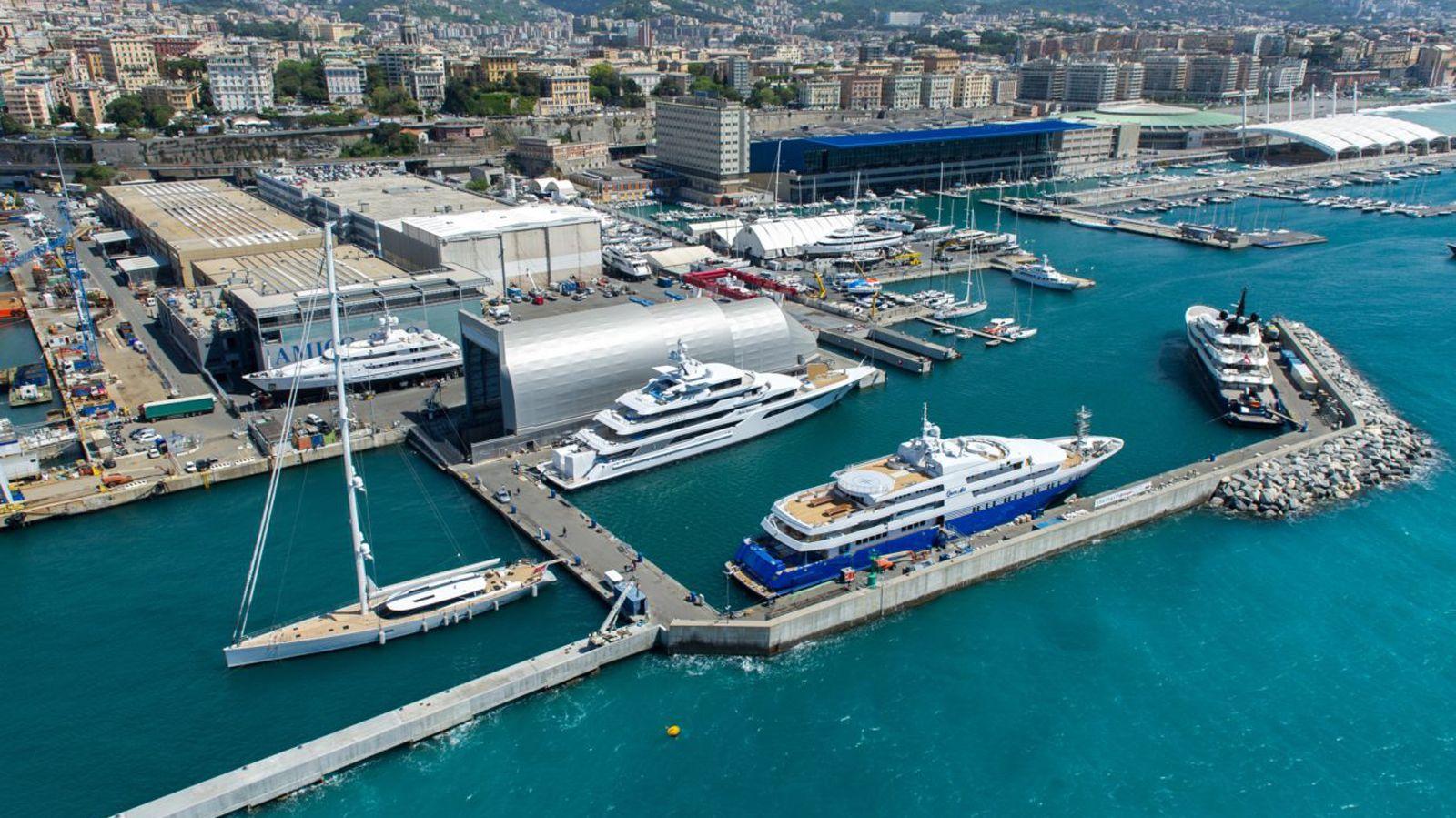
According to Italian newspaper Il Piccolo, the upcoming work has already opened the possibility of a competition between shipyards in Trieste and Genoa for a multimillion-euro contract that would initially be advanced by the Italian Treasury. The newspaper also raised the prospect of a farewell from Trieste, where the yacht has been held since March 2022, because if it leaves for Liguria to undergo the necessary work, it may never return to the Gulf.
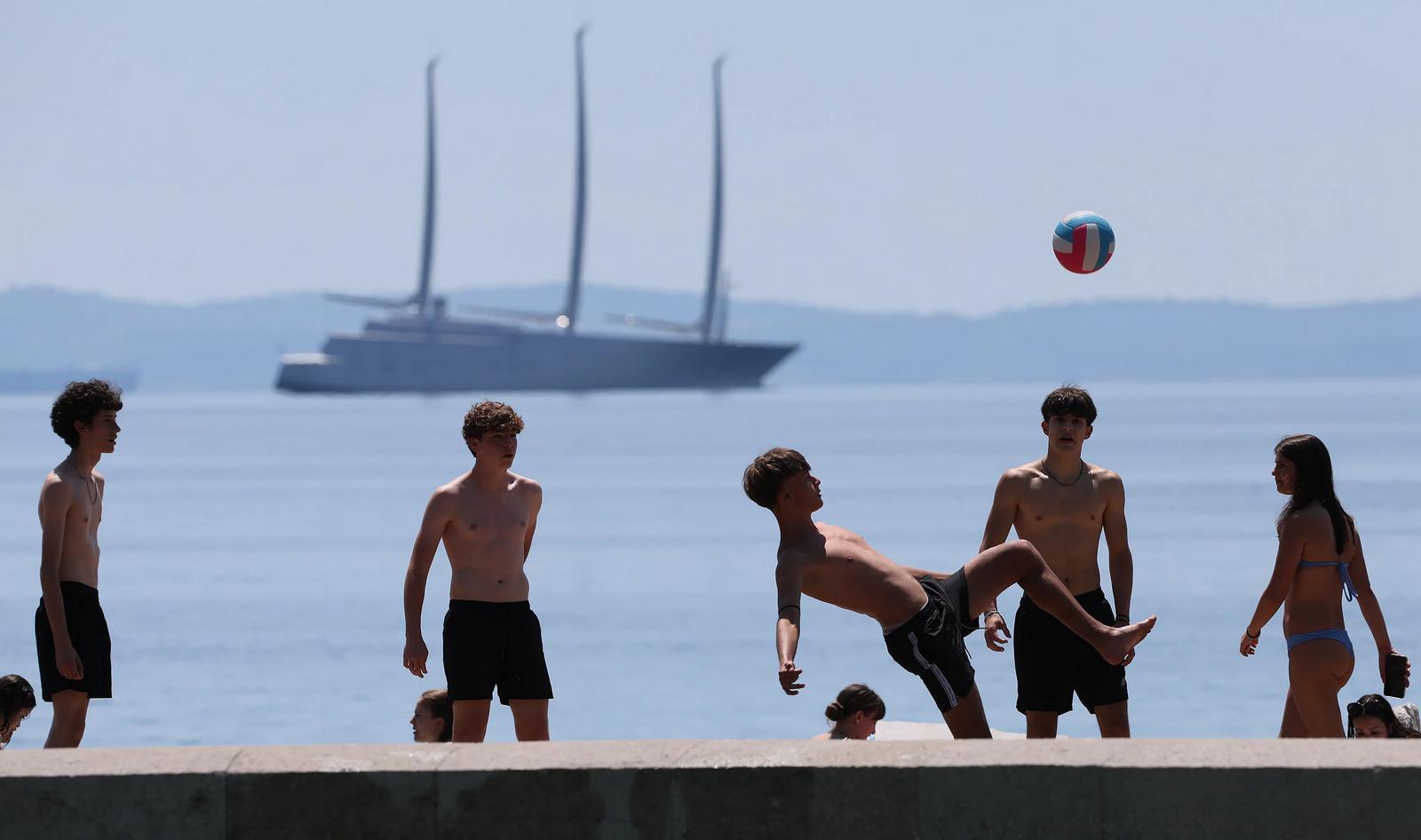
This is far more than a polish-and-paint refit
The crucial point is that class renewal is not a cosmetic exercise. Classification societies subject ships to recurring survey cycles designed to establish whether their hulls, machinery, electrical installations, safety equipment and other critical systems continue to meet technical standards. A vessel that misses mandatory surveys can ultimately have its class suspended.
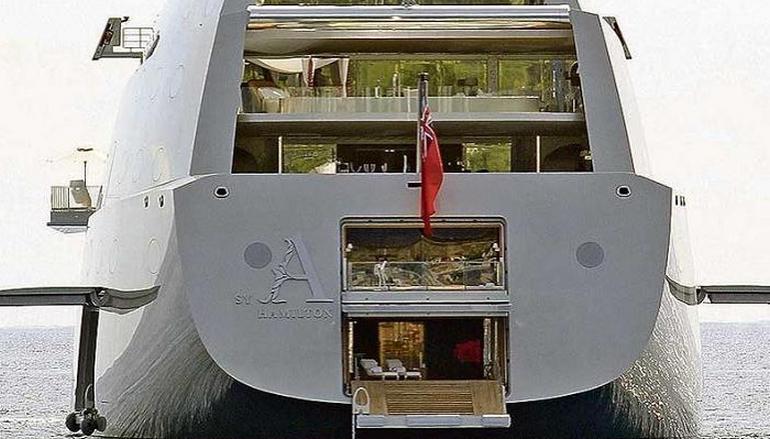
For Sailing Yacht A, the challenge is magnified by extraordinary scale and complexity. The Philippe Starck-designed vessel measures roughly 143 meters, displaces 12,558 gross tons and combines diesel-electric propulsion with three enormous carbon-fiber masts and an automated sailing system. It has also spent more than four years frozen under sanctions rather than operating as a normal superyacht.
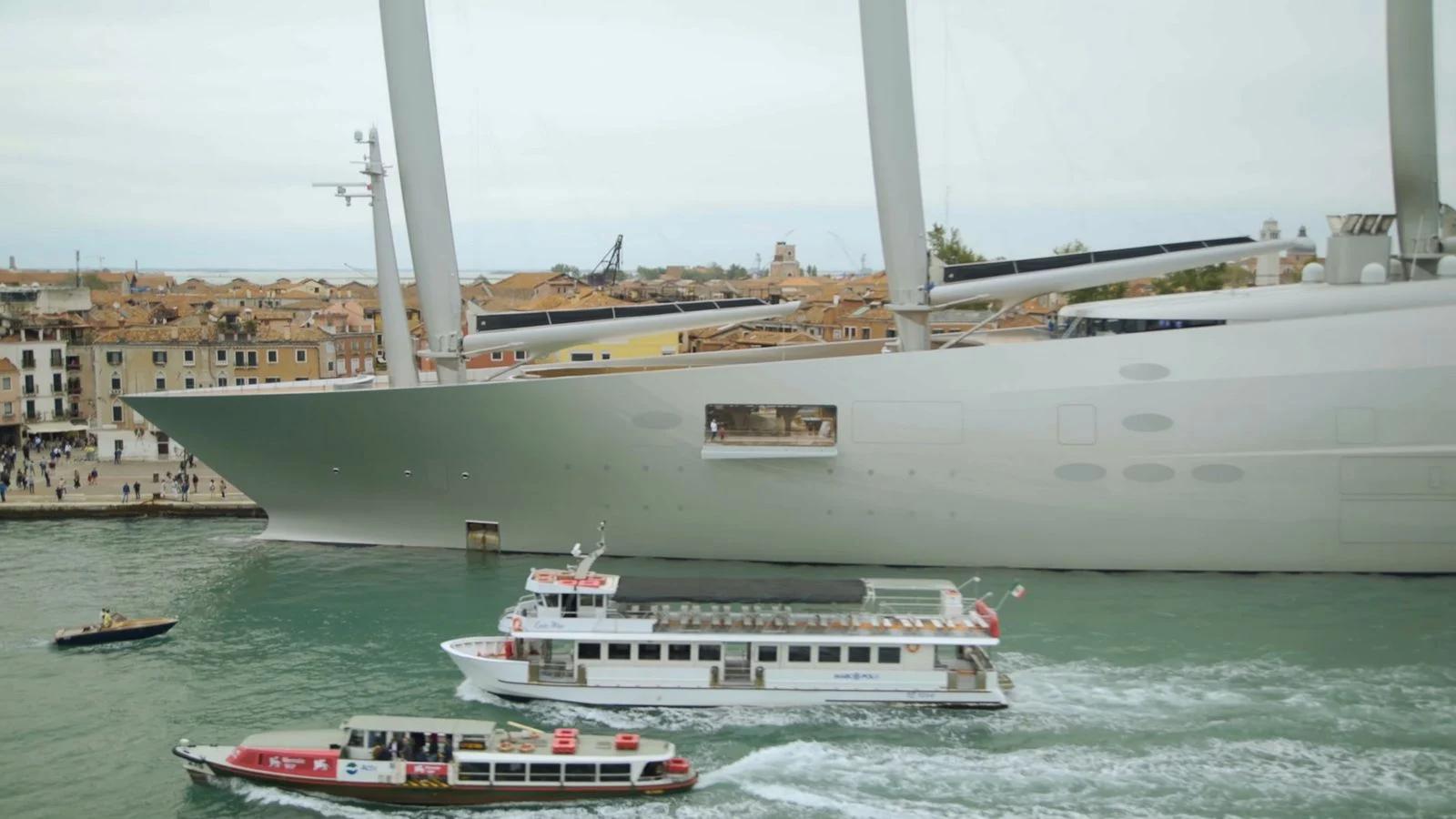
A stationary yacht cannot simply be left as a floating museum piece. Even while sitting in saltwater, it requires power, crew, corrosion protection, machinery preservation, hull care, safety inspections, certificate renewals and continuous monitoring of complex onboard systems. Without that work, a vessel worth hundreds of millions could rapidly deteriorate into a technical, financial and potentially environmental liability.
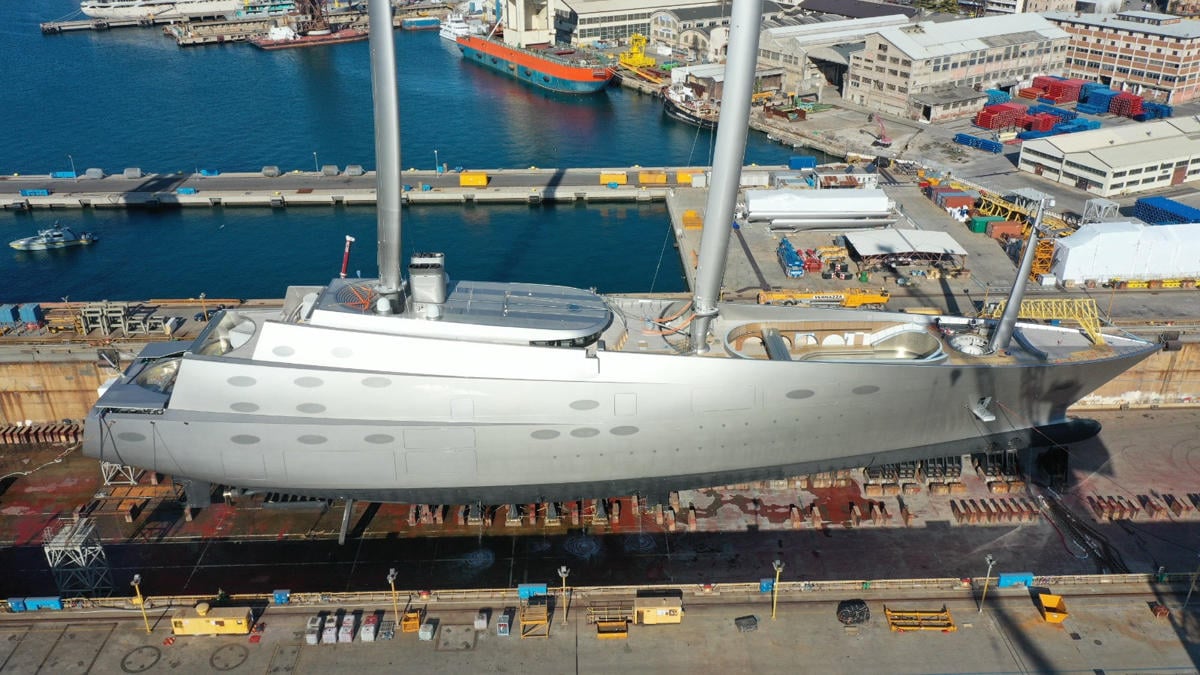
A comprehensive class renewal for Sailing Yacht A could involve inspections of its hull and underwater body, coatings, corrosion protection, sea chests, valves, tanks, shafts, propellers, steering gear and stabilizers. Its diesel-electric propulsion equipment, generators, switchboards, batteries, firefighting installations, emergency systems, navigation equipment and lifesaving appliances could also fall within the broader technical scope.
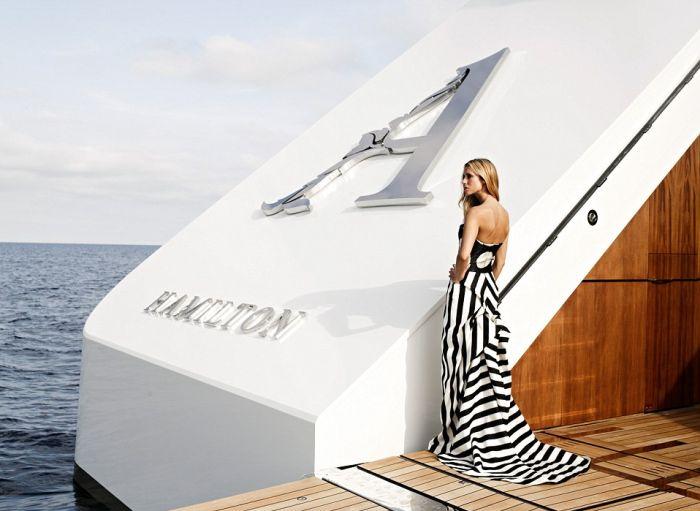
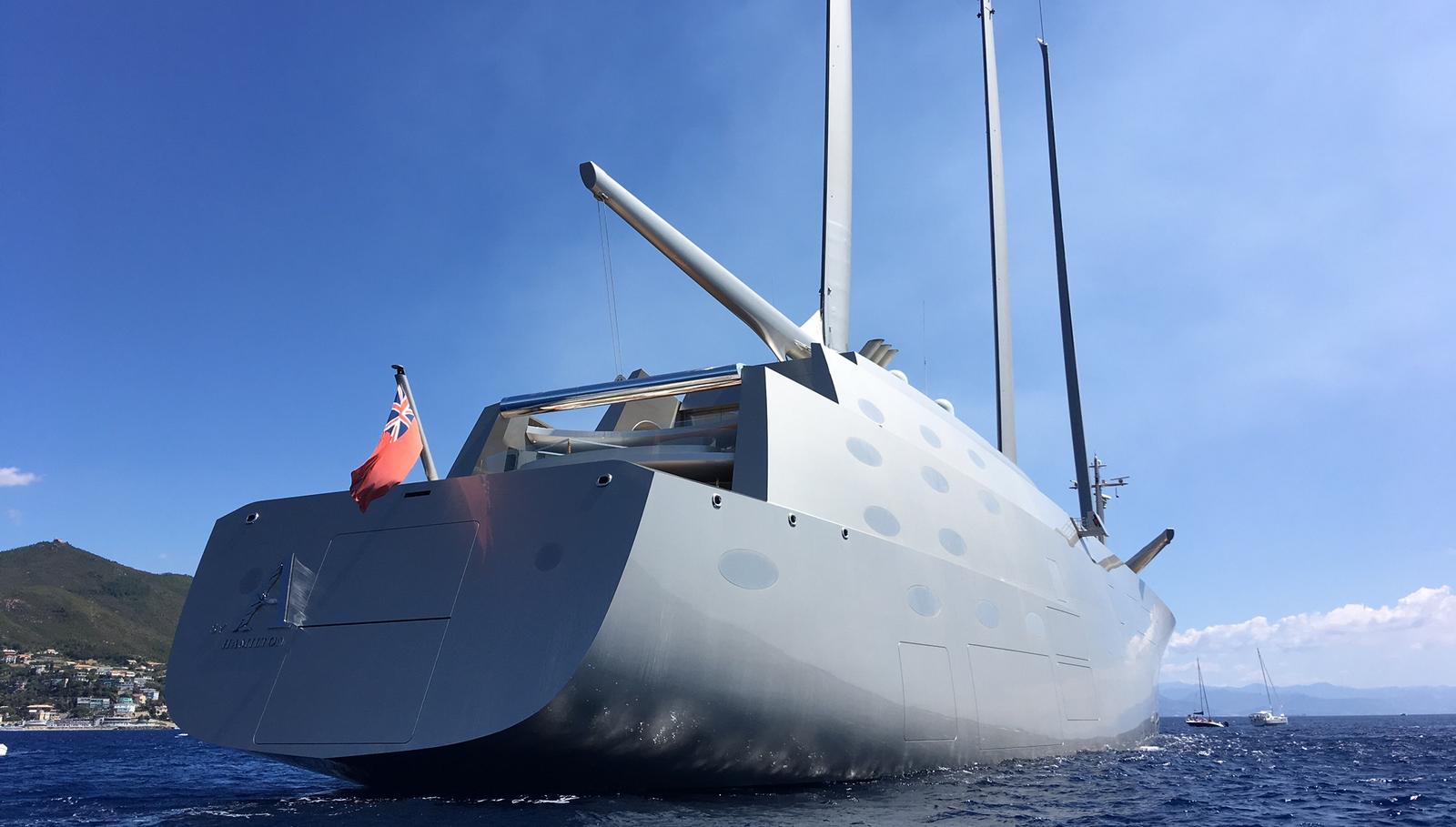
Then there is the yacht’s extraordinary rig. Sailing Yacht A is not a conventional motor yacht carrying decorative sails. Its three giant carbon-fiber masts, automated sailing equipment, hydraulics, controls and load-bearing structures introduce another highly specialized layer of complexity, meaning class-related inspections or remedial work could potentially extend well beyond engines and hull plating.
The certificate could cost thousands, but passing the test could cost millions
The actual bill from the classification society is likely to be only part of the expense. Based on the scale and complexity of a vessel like Sailing Yacht A, surveyor attendance, certificate renewal, administration and technical review could plausibly cost between €100,000 and €300,000. A more complex survey package involving extensive inspections of the hull, machinery, electrical installations, safety equipment and potentially the sailing systems could conceivably reach €300,000 to €750,000.
The real financial danger lies in whatever work is necessary to pass those surveys. Docking or afloat work, hull cleaning, coatings, machinery open-ups, safety-system repairs and other remedial items could potentially turn the exercise into a €2 million to €5 million refit ($2.3 million to $5.7 million). If dry-docking, major coating work, propulsion problems, rig or mast intervention, or issues caused by prolonged restricted operation emerge, the bill could plausibly rise to €5 million to €10 million ($5.7 million to $11.5 million) or more. These are estimates rather than confirmed quotes for the yacht, but they illustrate why certification and the work required to obtain it are two very different expenses.
All of this comes after years of extraordinary maintenance spending. Italian media have reported that keeping Sailing Yacht A in custody costs approximately €24,600 every day (about $28,000), or around €9 million ($10.3 million) annually. The cumulative public expense has been reported at roughly €40 million ($45 million) in some accounts, while more recent estimates have placed the maintenance burden at about $47 million. A major class-renewal program could push the overall cost considerably higher.

The ownership dispute adds an extraordinary twist. Russian billionaire Andrey Melnichenko has taken Italy to court over the seizure of the roughly $600 million Sailing Yacht A. If he ultimately succeeds in recovering the vessel, he could potentially regain his spectacular yacht without reimbursing the Italian authorities for the tens of millions spent preserving and maintaining it during its years in custody.
That is what makes the looming certification particularly striking. Italian taxpayers are not merely paying to guard a billionaire’s frozen superyacht. They have funded years of crew, power, technical preservation and routine servicing, and may now have to finance the costly process of proving that one of the world’s largest sailing yachts remains technically fit for class. The certificate may be only a piece of paper, but getting Sailing Yacht A into a condition worthy of receiving it could cost millions more.