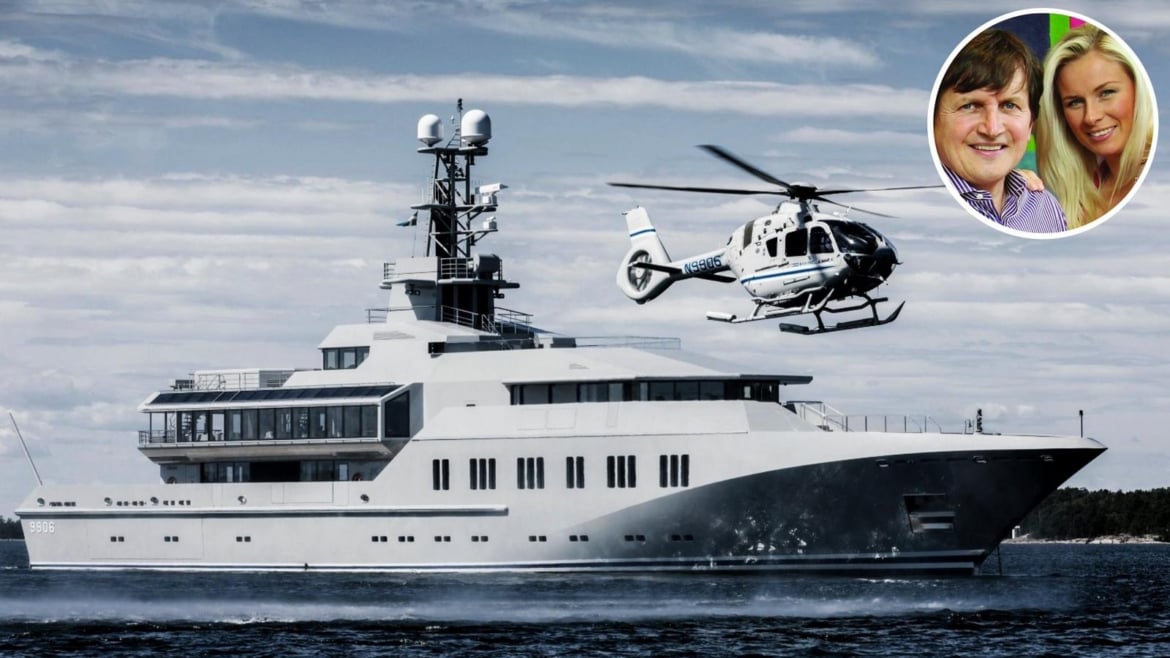
Charles Simonyi had a problem that few people could relate to. The Microsoft pioneer behind Word and Excel, whose fortune Forbes currently estimates at around $7.2 billion, wanted apartments in some of the world’s most desirable cities, but nothing quite satisfied him. He tried Montréal, Monte Carlo, and Copenhagen before arriving at a far more radical solution. Decades before today’s billionaires began trading California and New York for the friendlier tax regimes of Florida and Texas, Simonyi had already worked out that the smartest move was not to change address, but to stop having one. Instead of fighting for prime real estate, dealing with local taxes, zoning restrictions, and constant maintenance, he would simply live on a superyacht and sail directly to the best addresses on Earth.
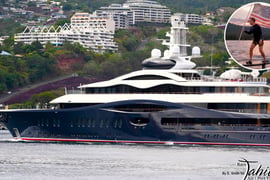
That yacht was Skat, a striking 231-foot Lürssen that looked more like a secret naval vessel than a billionaire’s floating palace. According to a report by Vanity Fair, Simonyi used it as his home and office for roughly 6 months of the year, describing it as a “grand traveling home.” His reasoning was wonderfully simple.
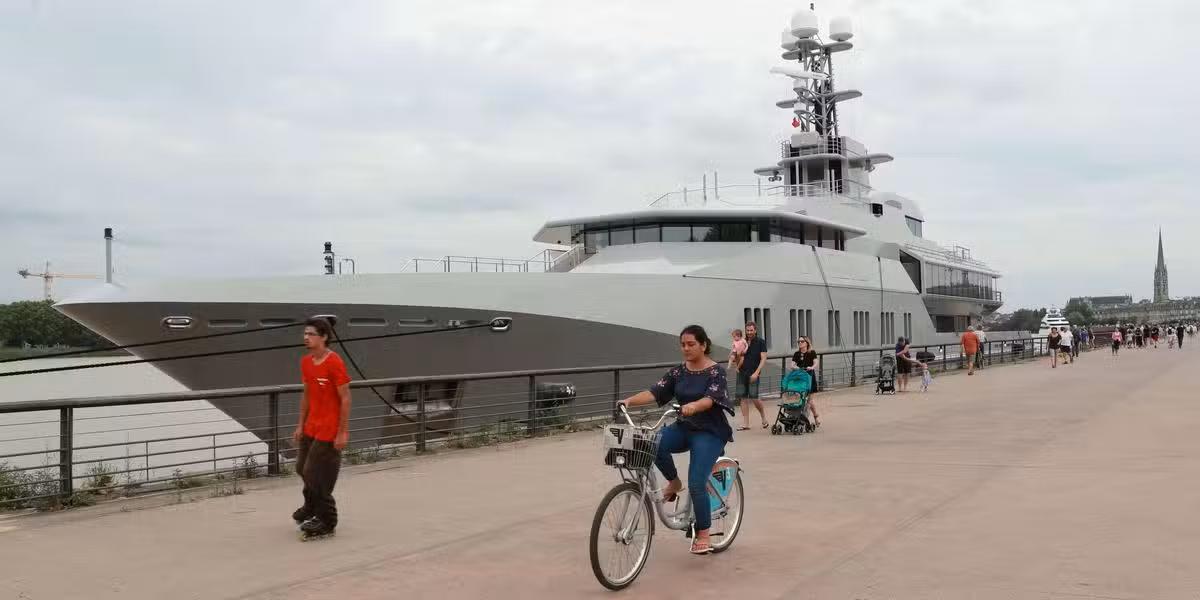
A fully staffed yacht allowed him to dock in the heart of the world’s great cities, often occupying waterfront real estate that even the finest penthouse could not match. In Scandinavian capitals such as Oslo, Copenhagen, and Stockholm, he boasted that Skat could dock beside royal palaces. As Simonyi put it, he had the best real estate, the nicest bathroom, and a fantastic restaurant.
A superyacht so military-looking that it reportedly fooled a real navy
Built by Lürssen as Project 9906 and delivered in 2002, Skat was unlike almost any superyacht of its era. Simonyi thought conventional yachts looked as though they had been “carved out of soft cheese,” so he asked designer Espen Øino for something entirely different. He demanded for a steel vessel that actually looked like a steel vessel. The result was an angular, slate-gray machine with the number 9906 stenciled prominently on its hull in naval typeface.
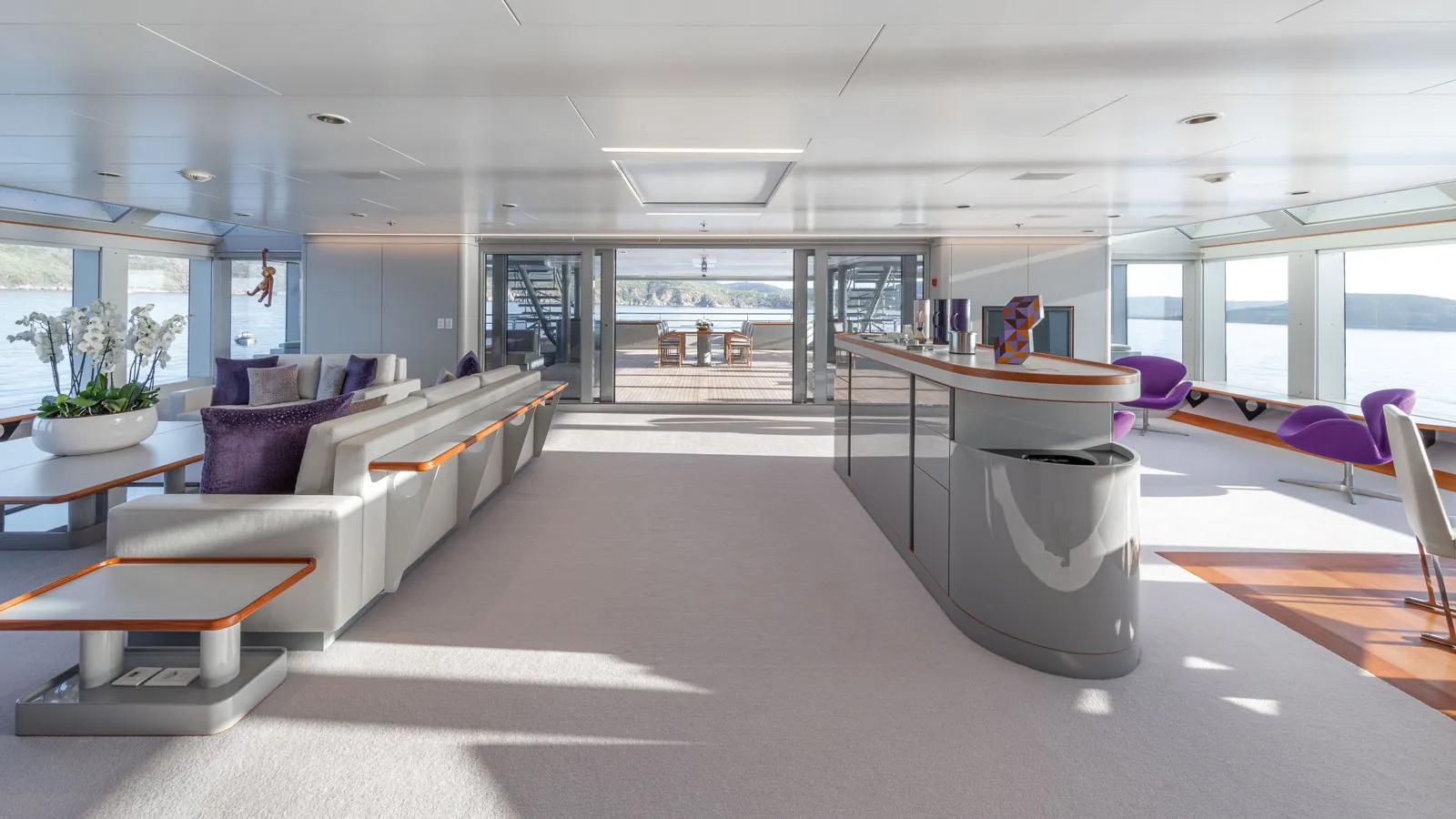
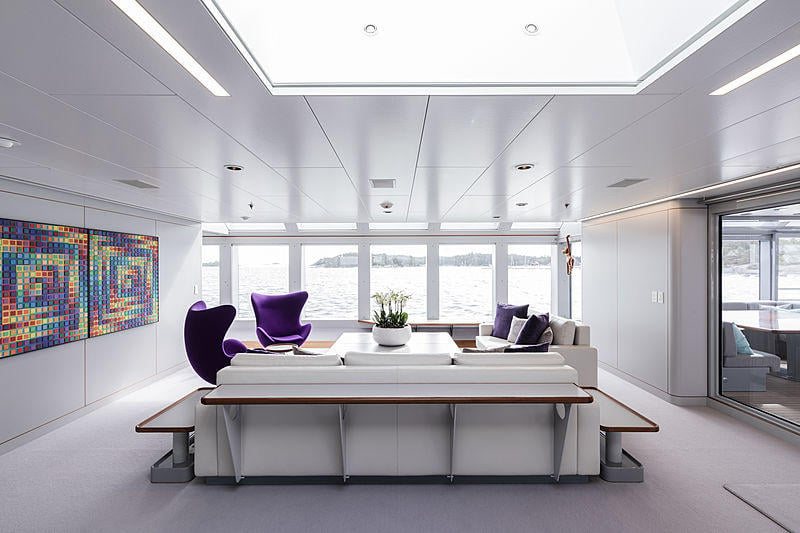
Its military appearance was reportedly so convincing that a real naval vessel once delayed entering a port after its officers spotted what they believed was an unknown warship. Yet Skat was anything but austere. Its two-tone gray exterior was finished in full gloss with a clear coat, creating enormous flat surfaces that were exceptionally difficult to paint perfectly. Inside, its deliberately stark, gallery-like spaces featured works by Victor Vasarely and Roy Lichtenstein alongside Arne Jacobsen Egg chairs.
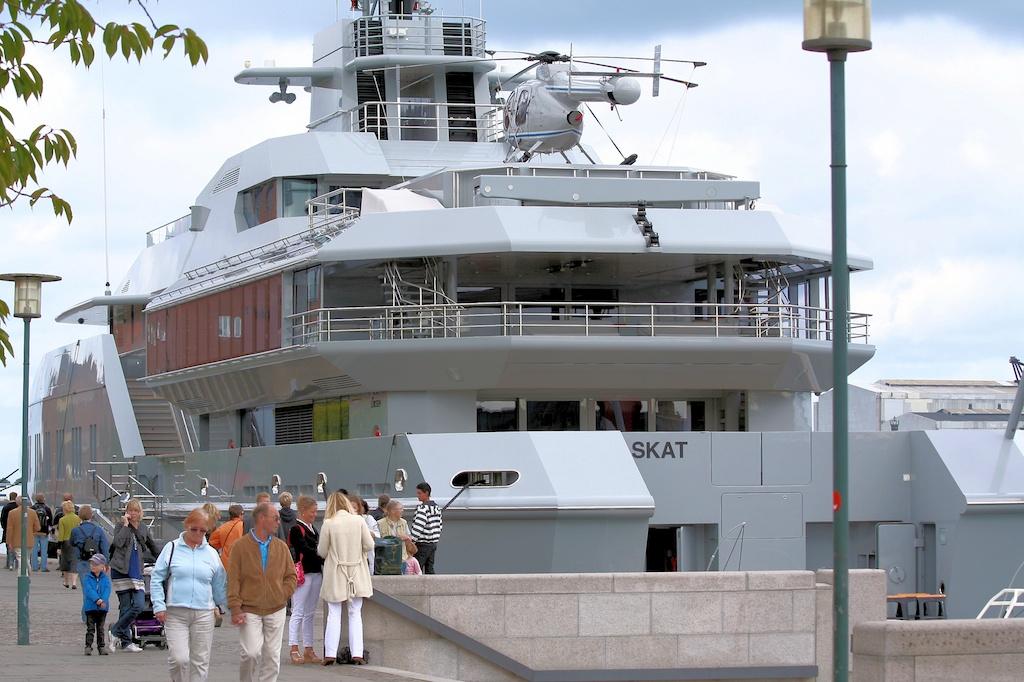
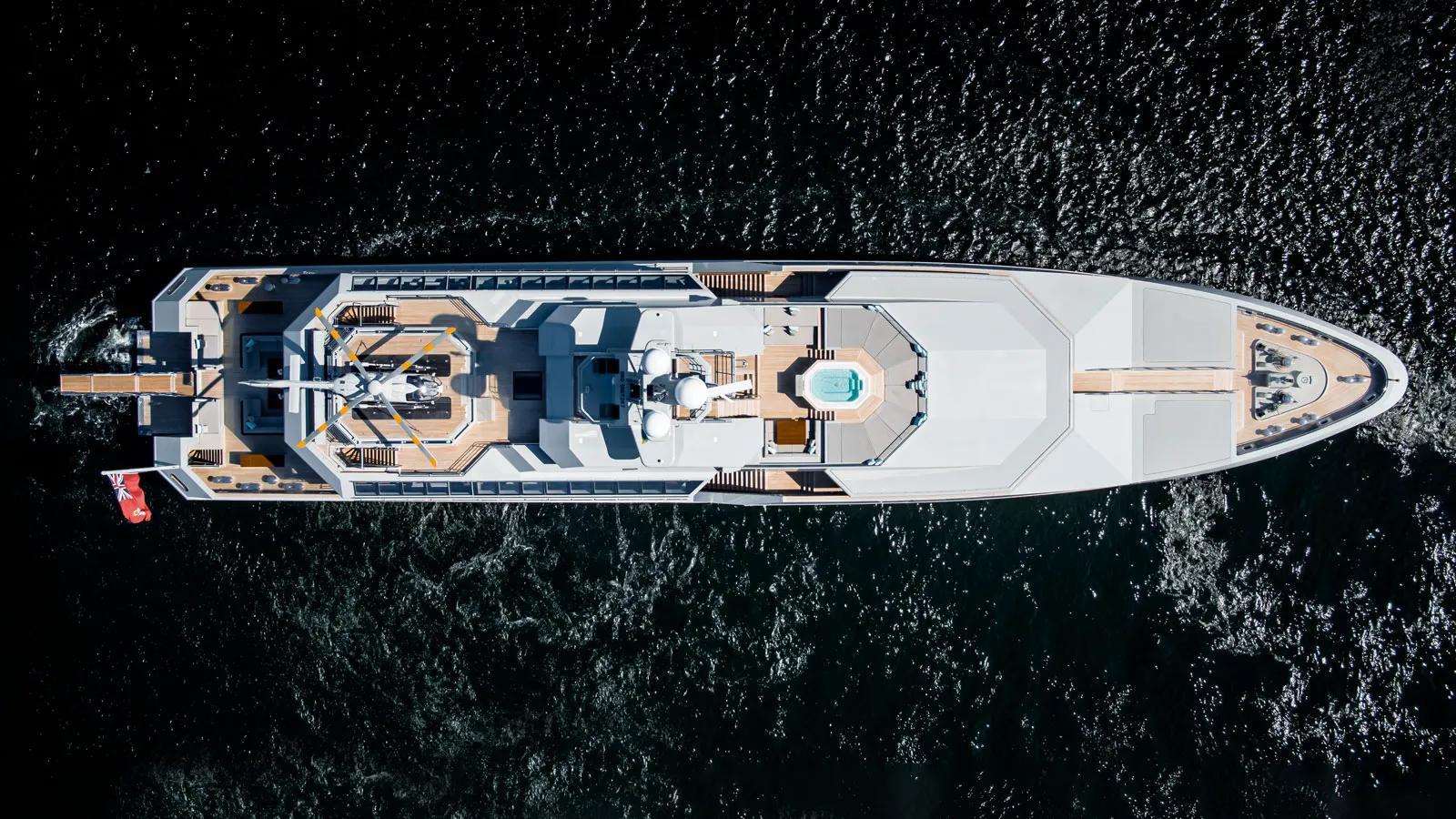
Skat was also remarkably innovative. It was Lürssen’s first yacht with a helideck and its first to place all accommodation on the main deck or above. Its machinery was mounted using sophisticated isolation techniques derived from military technology. Engines, generators, watermakers, and air compressors sat on an enormous steel raft isolated by shock mounts, while pipes, exhaust lines, and conduits were similarly separated to prevent vibration from spreading through the vessel. Skat used roughly two-thirds more insulating material than a typical yacht of the period, helping achieve an extraordinary noise level of just 34 decibels in the owner’s suite while cruising.
Skat was a trendsetter, not an eccentric oddity
Today, angular explorer yachts with gray hulls and purposeful, almost military styling are increasingly common at the top of the market. In 2002, Skat was genuinely radical. Its hard surfaces, straight lines, enormous windows, and uncompromising industrial appearance helped anticipate the modern explorer-yacht aesthetic years before it became fashionable.
Simonyi was equally meticulous during construction. He visited the shipyard monthly, while the bridge and saloon were built as full-scale mock-ups so every detail could be assessed before construction progressed. Remarkably, almost nothing in the specification changed once building began, something that became a point of pride for the project team. The entire design process took only six or seven months, and Øino later summed up Simonyi’s mindset perfectly: to him, nothing was a problem, merely a challenge.
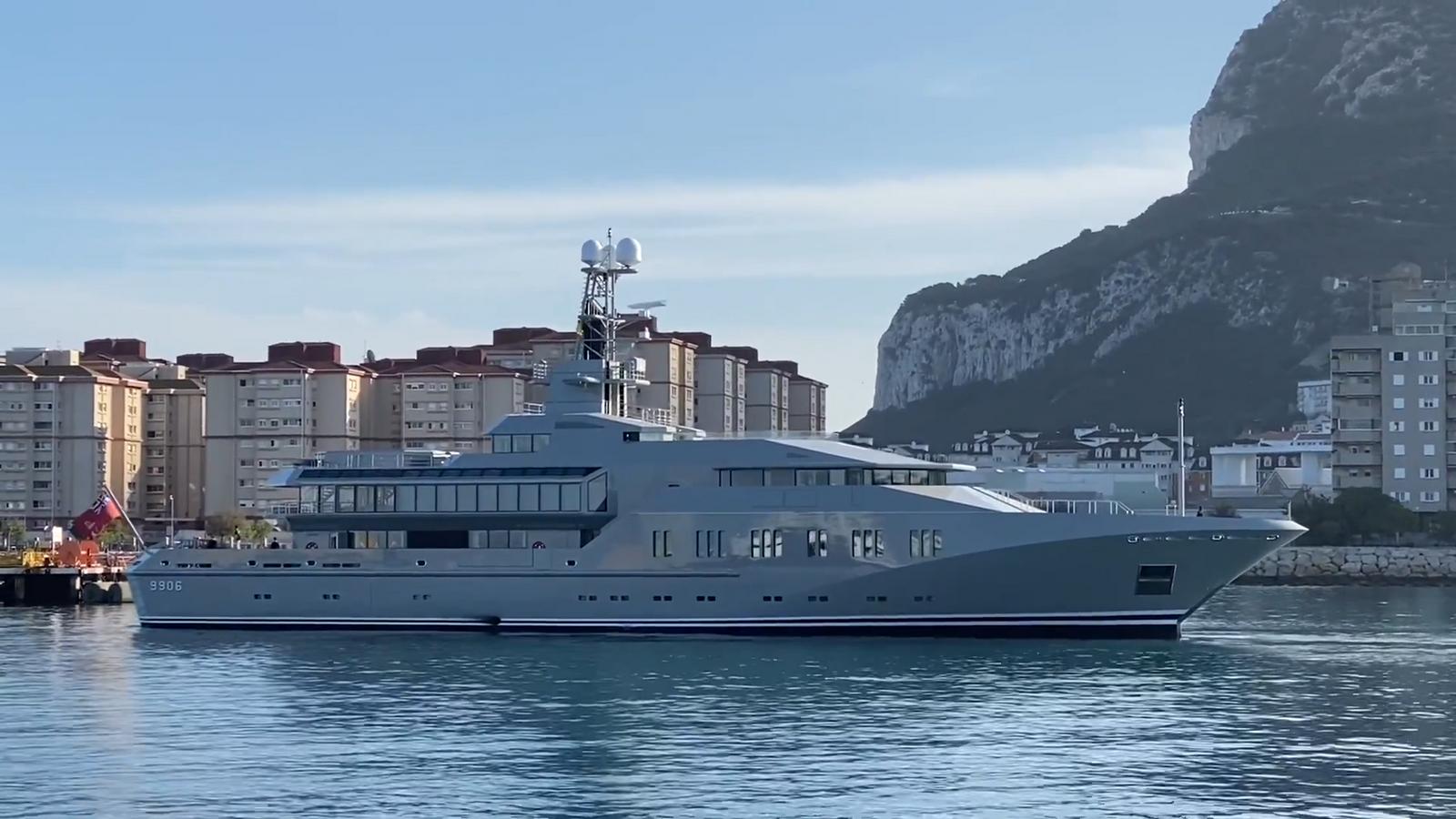
The yacht was designed before sophisticated 3D modeling and photorealistic rendering became standard, making its unconventional plans difficult for some observers to understand. One man reportedly expected Skat to be the ugliest yacht ever built after seeing the drawings. When he finally saw the finished vessel at its launch, his verdict was simply: “It’s cool.”
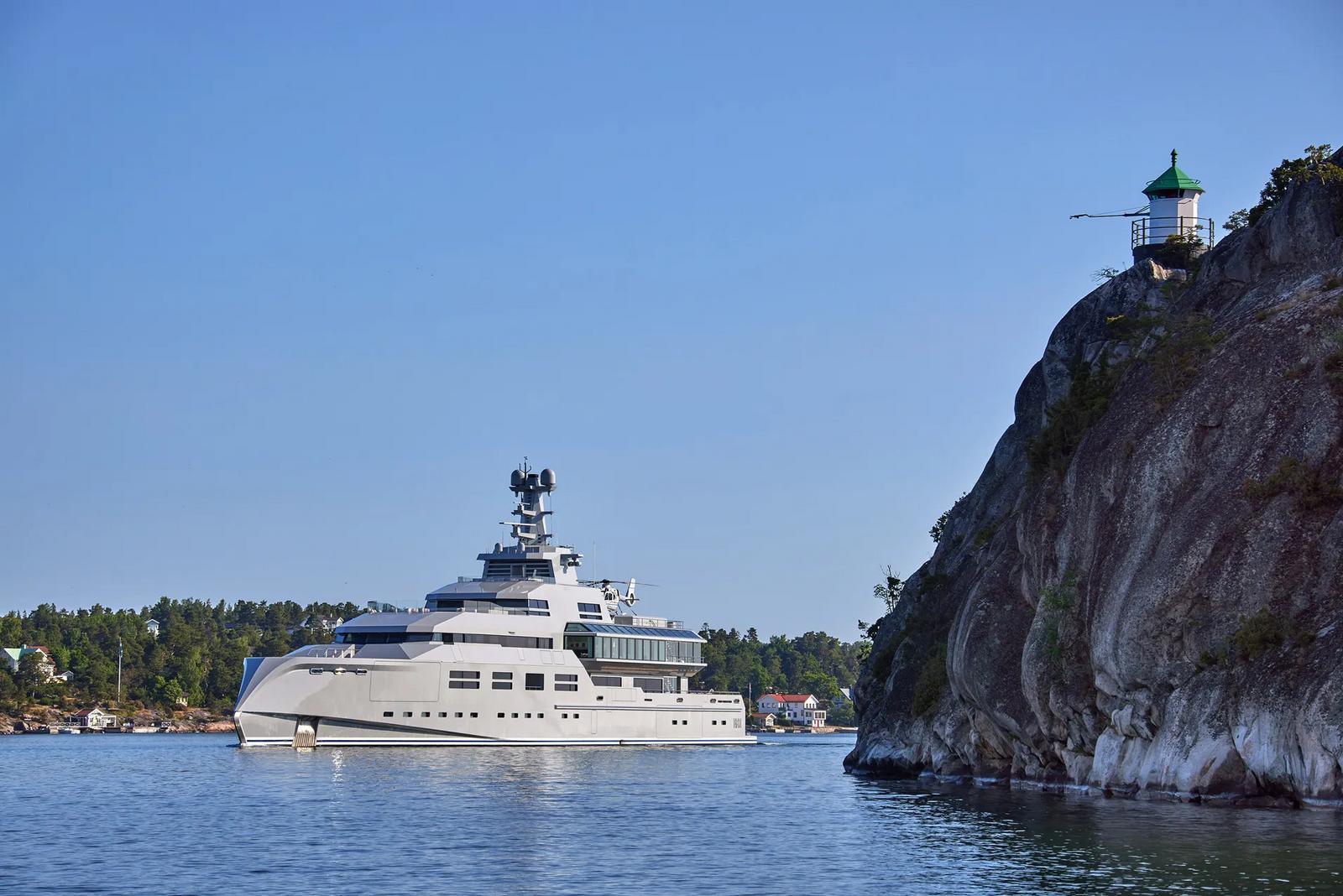
Simonyi sold Skat in 2021, but he did not abandon the lifestyle he had pioneered. He moved on to Norn, a 295-foot Lürssen delivered in 2023 and again designed by Espen Øino, reportedly costing around $250 million.

Who is Charles Simonyi, the man behind Microsoft Word and Excel?
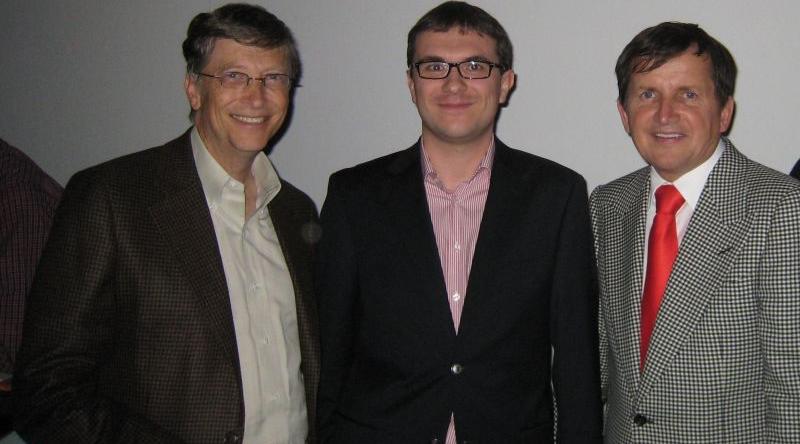
Charles Simonyi is one of the most important figures in Microsoft’s early history. He started and led the company’s applications group and drove the creation of the first versions of software that eventually became Microsoft Office. He is particularly associated with Microsoft Word, whose WYSIWYG editor was his group’s first product, as well as Excel and its predecessor, Multiplan.

His appetite for exploration also extended far beyond the oceans. Simonyi traveled to the International Space Station in 2007 and again in 2009, becoming the first repeat customer in the history of space tourism and the only private citizen to have paid for two trips to the ISS, at a combined reported cost of roughly $60 million.
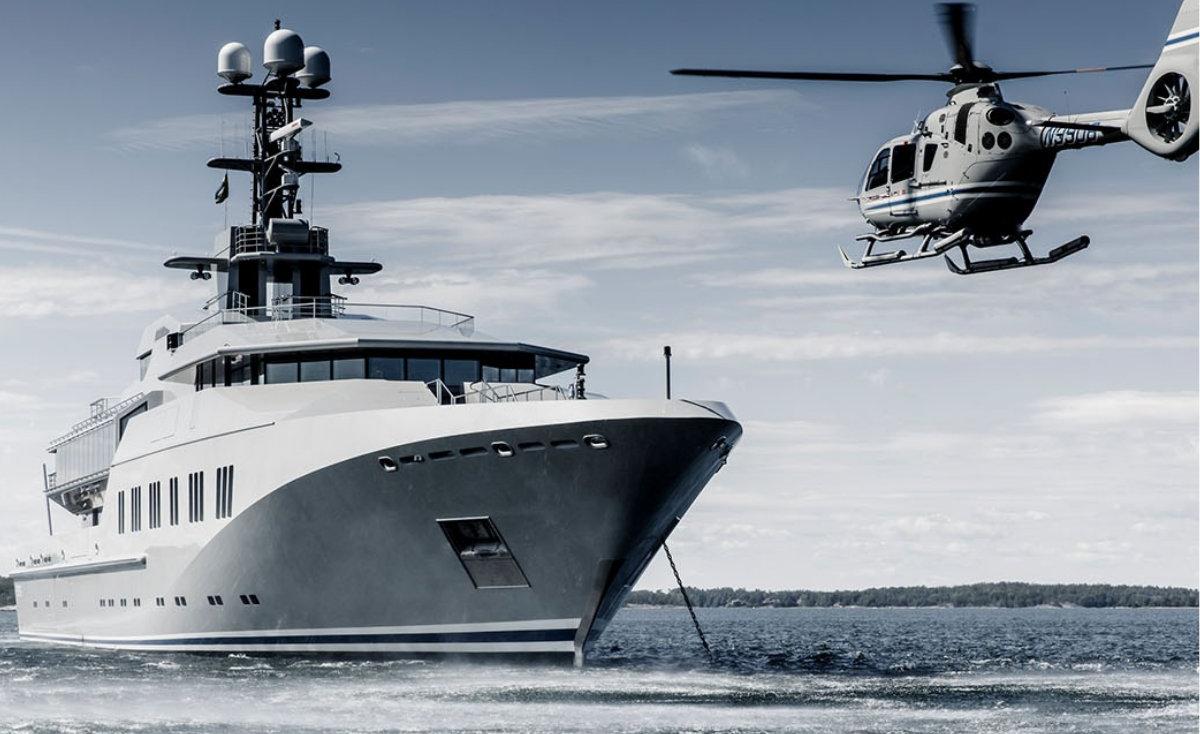
In that context, Skat makes perfect sense. For a man who helped transform how millions of people work and later traveled to space twice, settling for an ordinary apartment was perhaps never going to be the obvious choice. Instead, he built a floating fortress that could carry his home and office to the world’s finest waterfront addresses, while helping shape the appearance of an entire generation of explorer yachts.