
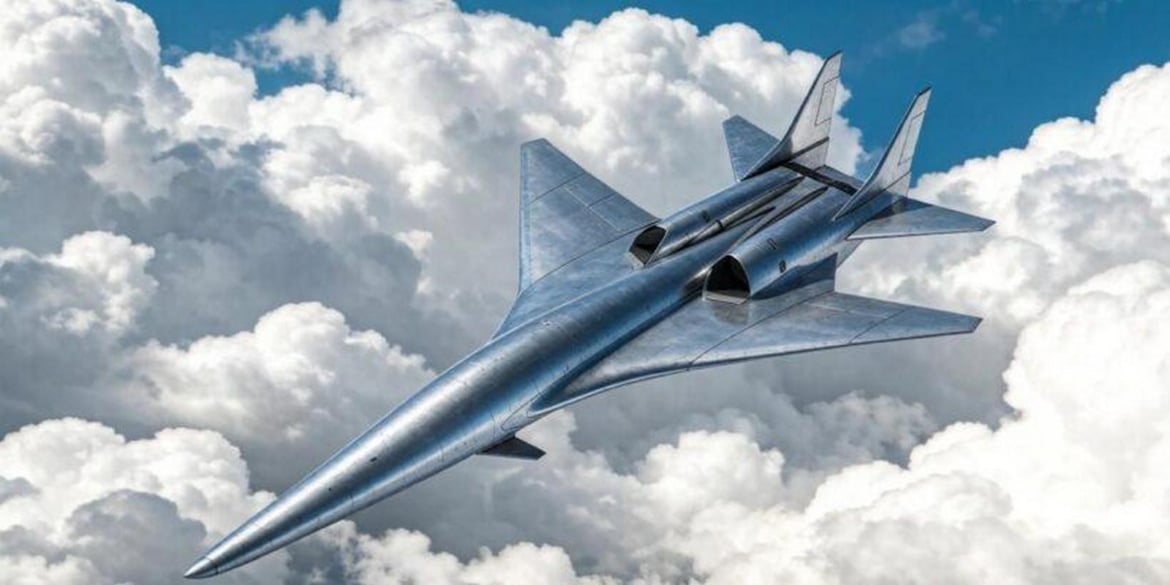
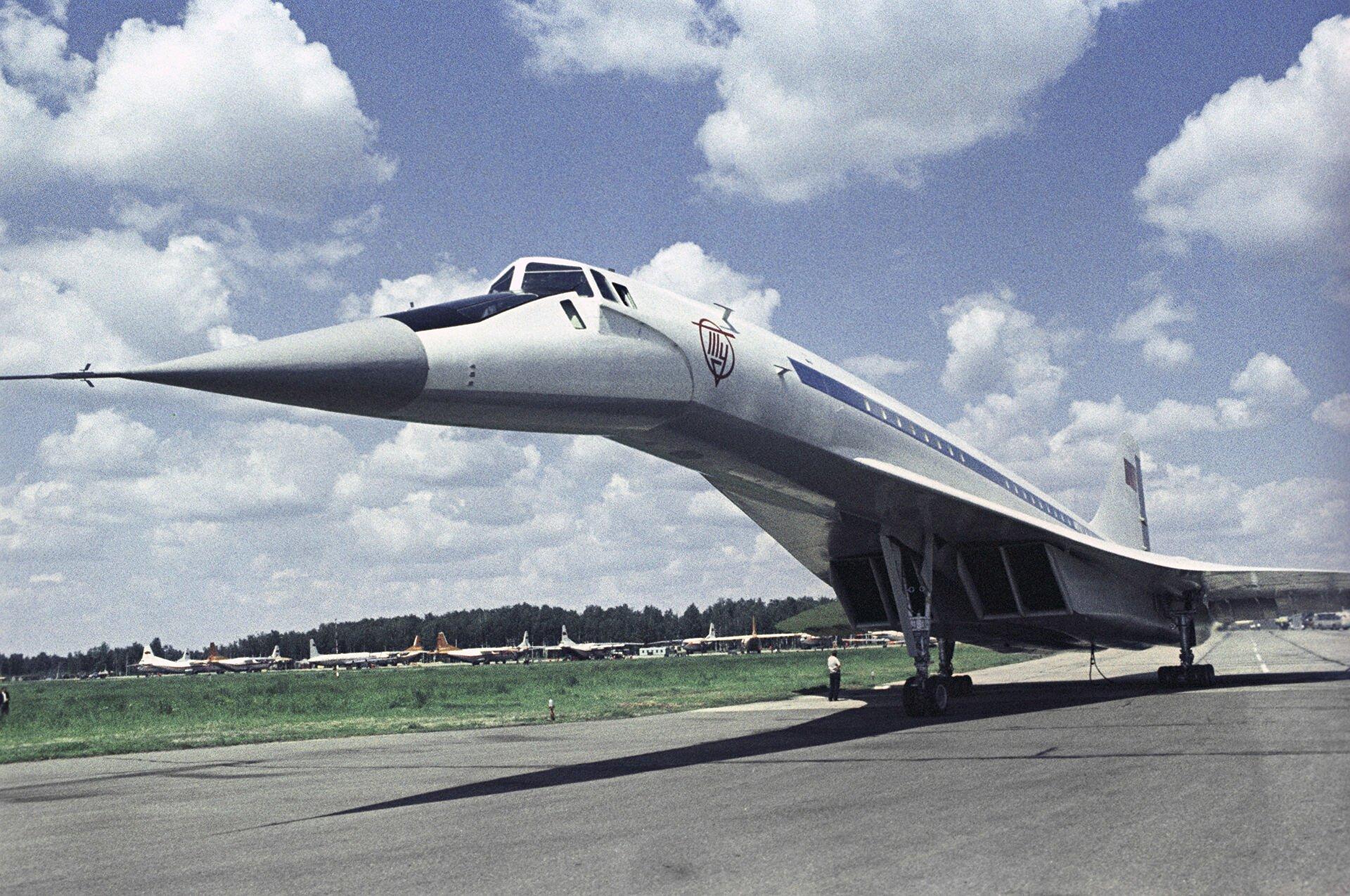
More than half a century after the Soviet Union launched the Tu-144, Russia is once again chasing the dream of supersonic passenger flight. This time, however, the effort is taking shape very differently. Rather than unveiling a ready-made successor to Concorde, Russia is assembling a portfolio of technologies, demonstrators, patents, and research programs that could eventually form the basis of a new generation of premium supersonic aircraft.
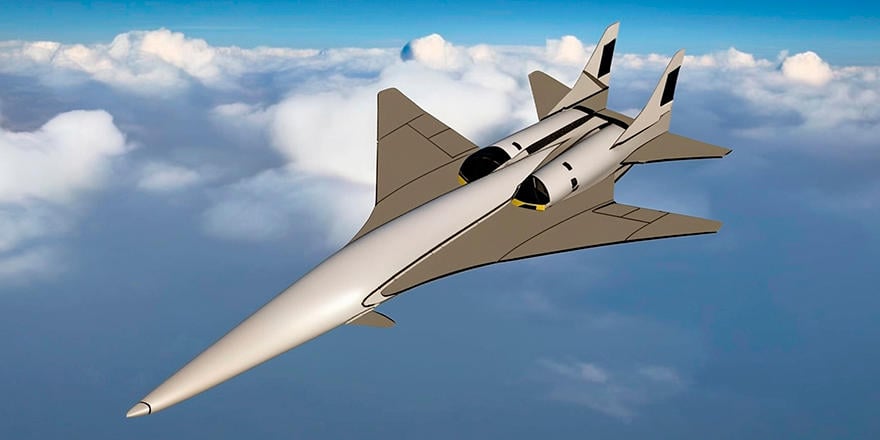
The latest sign of progress came when United Aircraft Corporation CEO Vadim Badekha confirmed to TASS that work on a prototype supersonic jet is already underway. The project brings together some of Russia’s most important aerospace organizations, including the Zhukovsky Institute, TsAGI, CIAM, GosNIIAS, SibNIA, UAC, and engine manufacturer UEC. While the aircraft itself remains years away from commercial reality, the supporting hardware is already being tested, turning what was once a theoretical ambition into a tangible engineering program.
A supersonic jet designed to solve the problems of the past
One of the biggest misconceptions surrounding the project is its speed. Some reports have framed it as a Mach 1-class aircraft, but Russian patent filings and technical studies point toward something considerably more ambitious. The design space being explored centers on cruise speeds around Mach 1.7, while earlier Russian concept work examined aircraft capable of operating in the Mach 1.8 to 2.0 range. That places the project much closer to a true second-generation supersonic transport than a modestly faster conventional jet.

Yet speed is only part of the equation. The real challenge is solving the problem that ultimately doomed both Concorde and the Tu-144. Sonic boom restrictions effectively prevented widespread overland supersonic operations, limiting commercial viability. Russia’s answer is a low-boom configuration developed through the Zhukovsky Institute, with a reported target of roughly 95 PLdB. That figure is intended to dramatically reduce the disturbance heard on the ground compared with first-generation supersonic aircraft.

To achieve this, engineers are studying a highly integrated airframe featuring twin rear-mounted engines, over-wing air intakes, and carefully shaped aerodynamic surfaces designed to manage shock waves. Every element of the aircraft’s layout is being optimized to soften the pressure signature reaching the ground while also reducing airport noise. In practical terms, Russia is not simply trying to build a faster airplane. It is attempting to build one that can coexist with modern noise regulations.

The strategy mirrors the approach being pursued by Boom Supersonic in the United States. Boom’s Overture is designed to cruise at Mach 1.7 while targeting a premium segment of the market rather than mass transportation. Russia appears to be arriving at a similar commercial conclusion. Officials and researchers consistently describe future demand in terms of business-class and first-class travelers, with fleets measured in dozens of aircraft rather than hundreds. The emphasis is on saving time for passengers willing to pay for it.

The windowless cockpit that could redefine supersonic flight
The most fascinating aspect of the program is its so-called closed or “dark cockpit.” Unlike a conventional airliner, the future aircraft may eliminate traditional forward cockpit glazing altogether. That sounds radical, but it addresses one of the most difficult design compromises in supersonic aviation.
A low-boom aircraft benefits from a long, clean, sharply sculpted nose. Conventional cockpit windows, structural framing, and pilot sightline requirements can interfere with that ideal shape. By replacing direct visibility with digital systems, engineers gain greater freedom to optimize the aircraft for aerodynamic performance.
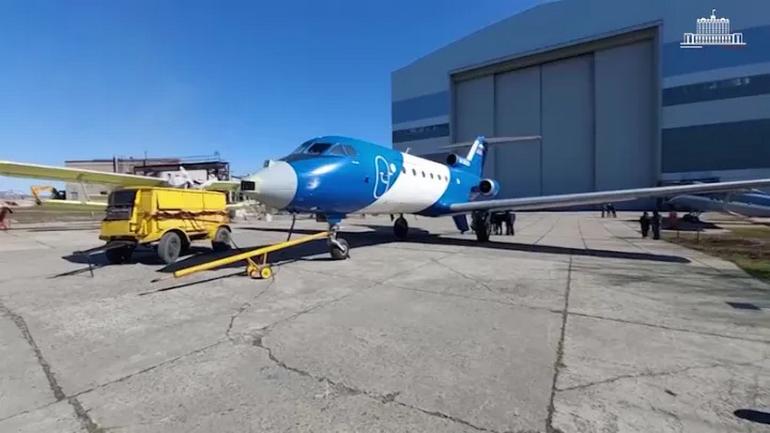
Russia has already flight-tested the concept using a Yak-40 flying laboratory. The experimental setup relied on five visible-spectrum cameras and two infrared cameras mounted externally on the aircraft. The visible-light cameras provide the primary outside view, while the infrared sensors enhance visibility in darkness, poor weather, and other challenging conditions.
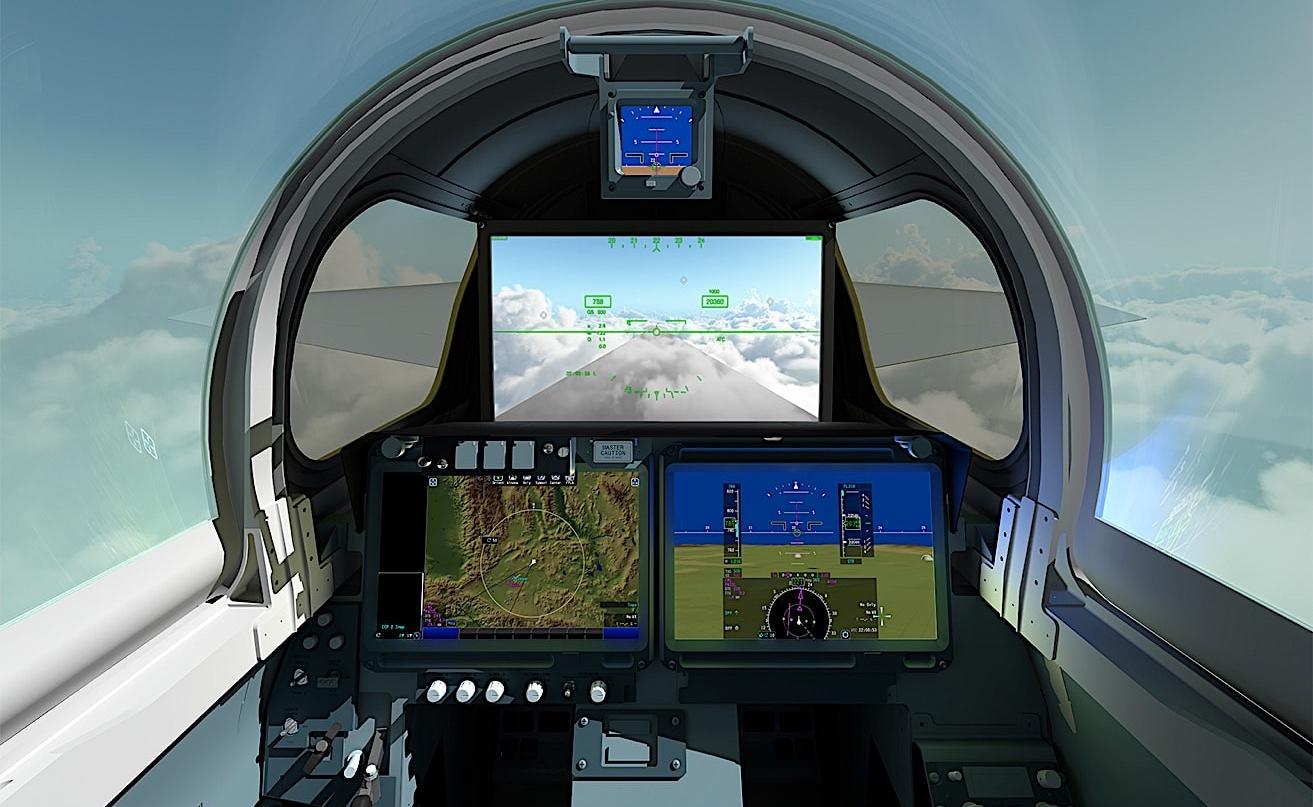
What the pilot sees is far more sophisticated than a collection of video feeds. The system combines live imagery with navigation data, synthetic terrain visualization, and symbolic flight-path information displayed through a multifunction interface. Instead of looking through a windshield, pilots view a digitally reconstructed version of the outside world. Researchers are also collecting data for obstacle detection, threat recognition, neural-network training, and intelligent pilot-assistance functions. The goal is to create an integrated onboard ecosystem where machine vision, artificial intelligence, and sensor fusion work together to improve situational awareness and reduce pilot workload.

The engine story is equally important. Alongside the aircraft itself, Russia is developing the Sivil engine demonstrator, reflecting a recognition that no existing powerplant can simply be adapted for the mission. Any future supersonic engine must balance thrust, fuel efficiency, range, emissions, durability, and noise reduction simultaneously.
For now, the project remains a collection of enabling technologies rather than a finished airliner. Yet the direction is clear. Russia’s first supersonic passenger aircraft, the Tu-144, proved that extraordinary speed alone was not enough. Its successor is being designed around a far more difficult challenge: delivering Mach 1.7 performance, a quieter sonic signature, advanced artificial intelligence, and a cockpit that sees the world without windows.