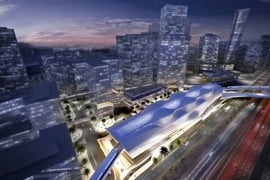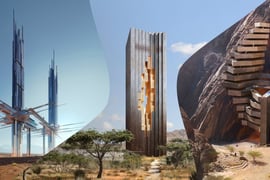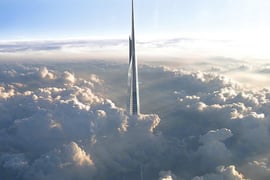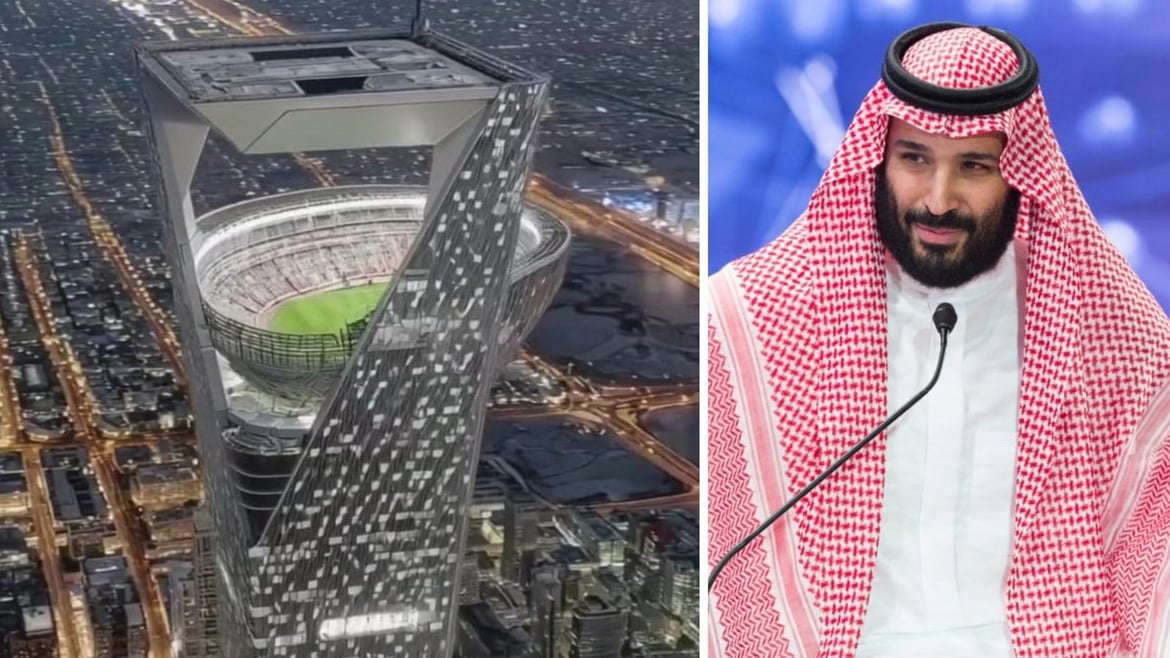
The dazzling AI renders of Saudi Arabia’s so-called “sky stadium” may have looked like scenes from a sci-fi blockbuster, but they are far from what the Kingdom is actually building. The viral videos that swept through social media in October, showing a floating football stadium hovering a thousand feet above a sci-fi cityscape, captivated millions and sparked disbelief in equal measure. Yet the truth is even more fascinating. Crown Prince Mohammed bin Salman’s real vision for the Neom Sky Stadium, the $1 billion arena being built within The Line, is not a product of fantasy but a meticulously planned feat of engineering that will push the boundaries of architecture and sustainability in ways no render could capture.

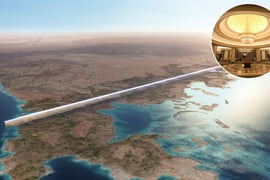
The AI-generated clips portrayed an otherworldly “sky stadium” suspended in open air, with fans seemingly watching matches amid the clouds. They stirred global debate about feasibility, safety, and practicality. People joked about footballs falling from the heavens or thousands of spectators relying on elevators to reach their seats. But while these AI visuals exaggerated reality, they did capture something true about the Kingdom’s ambition. Saudi Arabia really is constructing the world’s first high-altitude stadium, though not as a free-floating structure. The actual Neom Sky Stadium will rise 350 meters above the desert floor, integrated directly into the mirrored megastructure of The Line, a vertical city stretching 170 kilometers (about 106 miles) across the country’s northwest coast.

Unlike the viral renders that seemed untethered from physics, the real design takes advantage of The Line’s revolutionary framework. The stadium will form part of the city’s upper levels, its roof blending seamlessly with the reflective façade that defines Neom’s futuristic skyline. Inside, it will accommodate 46,000 spectators, offering panoramic views of both the pitch and the surrounding desert through vast glass openings. The plan envisions a venue that is both awe-inspiring and efficient, using technology to create a sustainable sporting experience from top to bottom.

The Sky Stadium is more than just a stage for the 2034 FIFA World Cup. It will host matches up to the quarterfinals, powered entirely by renewable energy and supported by advanced cooling and lighting systems. Every aspect of the arena has been designed to minimize environmental impact while maximizing comfort for players and fans. Beyond football, it will serve as a year-round entertainment hub for concerts, festivals, and global sporting events. Five hotels and training facilities will be built nearby, ensuring that the stadium becomes the heart of a vibrant district within Neom’s “Hidden Marina” sector.

Developed in partnership with Saudi Arabia’s Ministry of Sport and the Public Investment Fund, the Sky Stadium will be one of 15 venues for the 2034 World Cup. Construction is scheduled to begin in 2026 and finish by 2032, just ahead of the tournament. It will be a cornerstone of Saudi Vision 2030, the national strategy aimed at transforming the economy through innovation, tourism, and sustainability. While the architect behind the project has not been publicly named, the design reportedly involves a consortium of international firms experienced in high-altitude and green construction.

The real stadium is therefore not a floating fantasy but a monumental statement of intent. It represents the Kingdom’s ambition to merge engineering excellence with environmental responsibility, while redefining what a sports venue can be. Its existence within The Line is symbolic too, placing it at the intersection of technology, architecture, and national identity. For the crown prince, the Neom Sky Stadium is both a global showcase and a message: that Saudi Arabia’s future lies in ideas once thought impossible.

The AI renders may have been a mirage, a digital exaggeration of human imagination, but they inadvertently drew the world’s attention to something real and far more ambitious. The true Neom Sky Stadium will not hang in the clouds but will rise from within a city that itself reimagines urban life. It is not the fantasy of an algorithm, but the calculated vision of a nation intent on shaping the future of sport, sustainability, and architectural wonder.