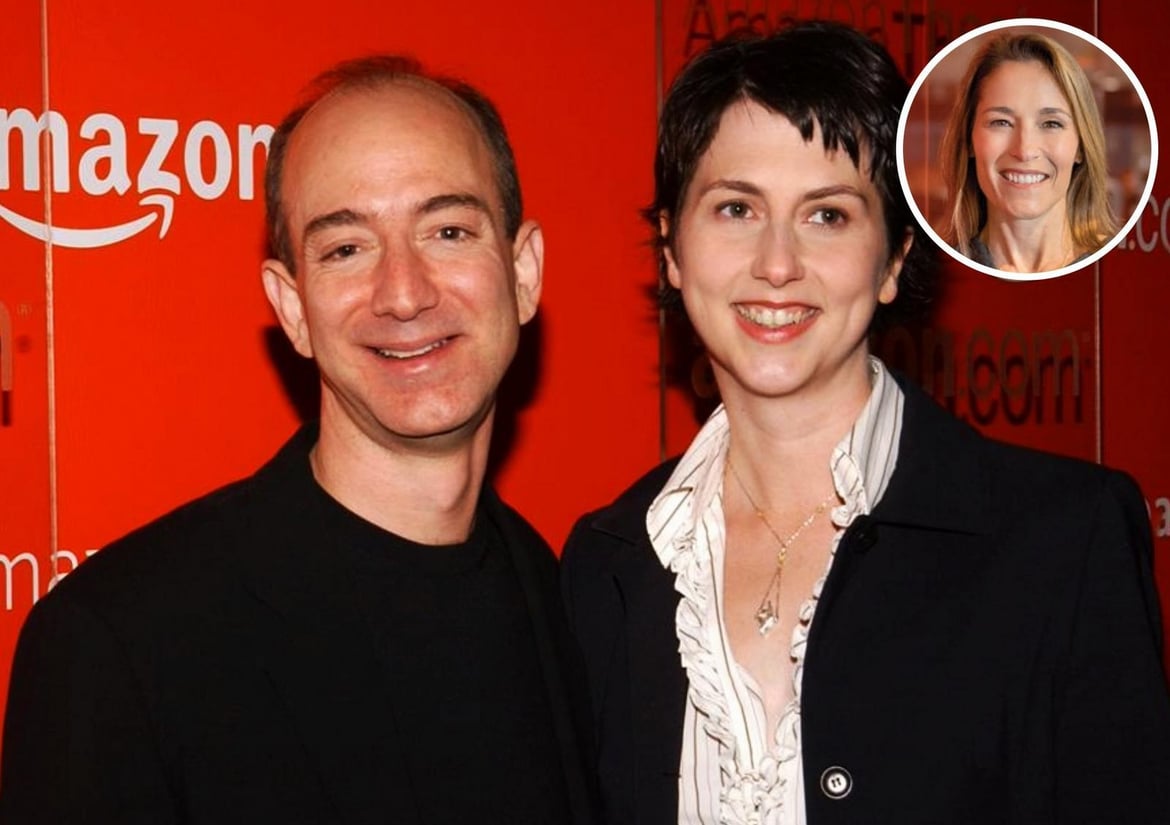
The art of giving is something megadonor MacKenzie Scott has aced over the years. Still, one wonders where she gets it from. Perhaps the answer lies in being on the receiving end of small, unforgettable acts of kindness. The woman who has gifted more than $19 billion since her 2019 divorce from Amazon founder Jeff Bezos, which left her with about 4 percent of the company, did encounter quiet graces that helped shape her trust-based philanthropy. MacKenzie Scott attended Princeton University, where she studied English and graduated in 1992. While there, she studied creative writing under Toni Morrison, who served as her teacher and thesis adviser and once called Scott “one of the best students I have ever had.”
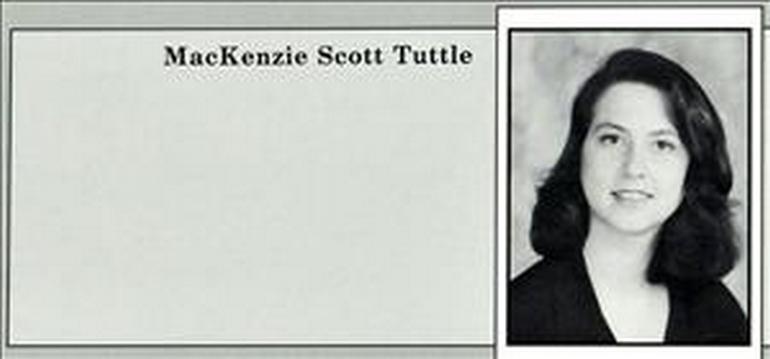
Still, her academic brilliance did not guarantee she could afford to stay in college. As a sophomore at Princeton, Scott’s roommate found her crying because she did not have the money to stay in school. That friend, Jeannie Ringo Tarkenton, immediately acted on her instinct to help and, without hesitation, loaned her $1,000 so she could remain enrolled. It is not the sort of gesture most people encounter in everyday life, which is precisely why it appears to have stayed with Scott so strongly.
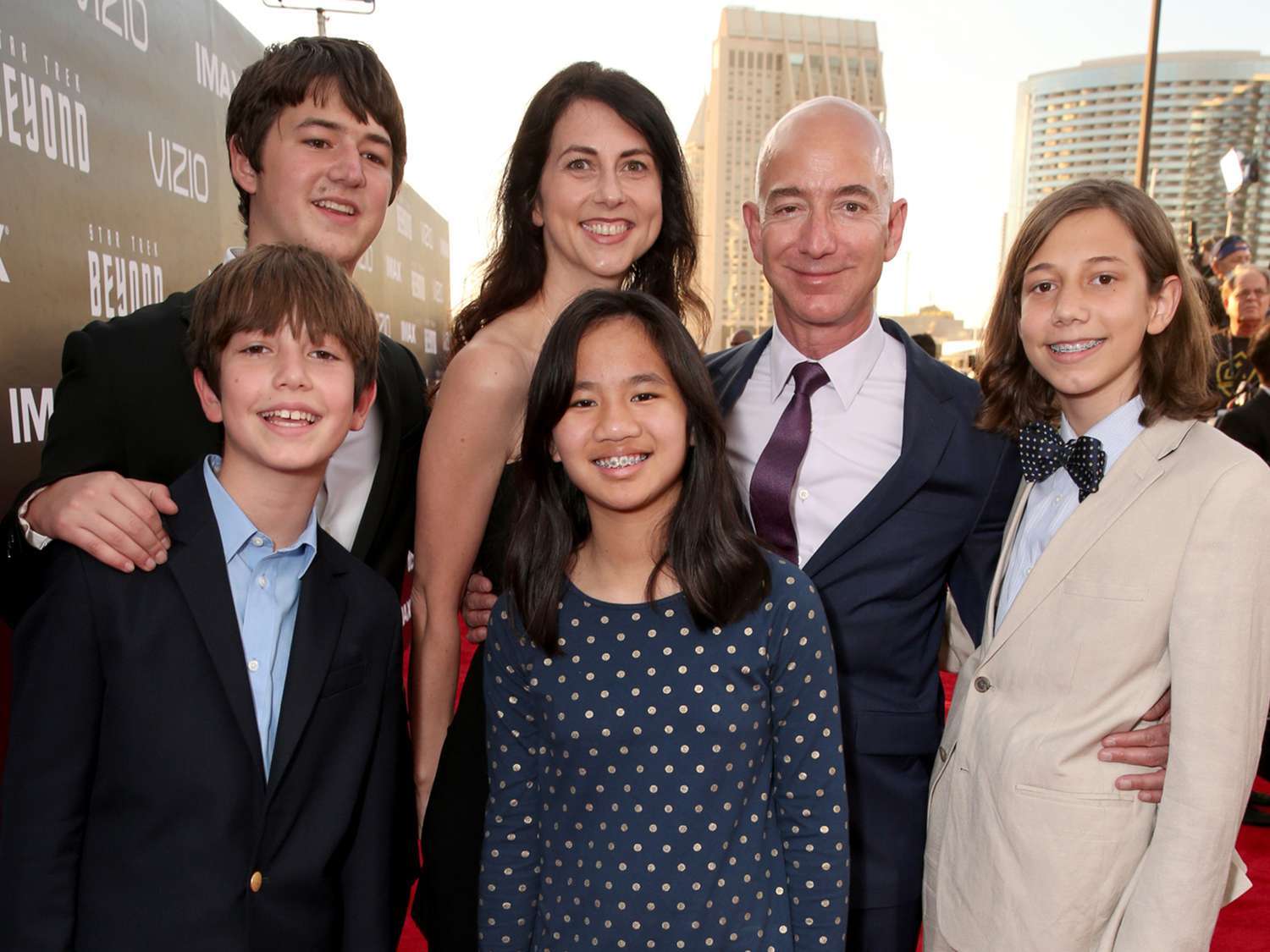
Scott later wrote, “It was the college roommate who found me crying, and acted on her urge to loan me a thousand dollars to keep me from having to drop out sophomore year. And after she saw the difference she made in my life, what was she inspired to do, twenty years later? Start a company that offers loans to low-income students without a co-signer.” The seed of helping others had been planted in that dorm room, and years later the two women came together again to continue the work on a much larger canvas.

Jeannie Tarkenton went on to found Funding U, a lender focused on students who are often overlooked by traditional banks, refusing to rely on cosigners and instead looking at academic potential and performance. While the size of Scott’s check has not been disclosed, she joined as an equity investor in Funding U’s 2020 financing. The company has since extended tens of millions of dollars in no-cosigner loans to thousands of students and recycles repayments to fund new borrowers, effectively turning one act of generosity in a Princeton dorm room into an ongoing pipeline of opportunity.

Reflecting on backing her former roommate’s mission, Scott wrote, “And how quickly did I jump at the opportunity to support her dream of supporting students like she once supported me? And to whom will each of the thousands of students thriving on those gratitude-powered student loans go on to give? None of us has any idea.” Tarkenton’s model, rooted in data, outcomes, and trust instead of inherited wealth or pristine credit reports, has opened doors for young people who might otherwise have been locked out of higher education.
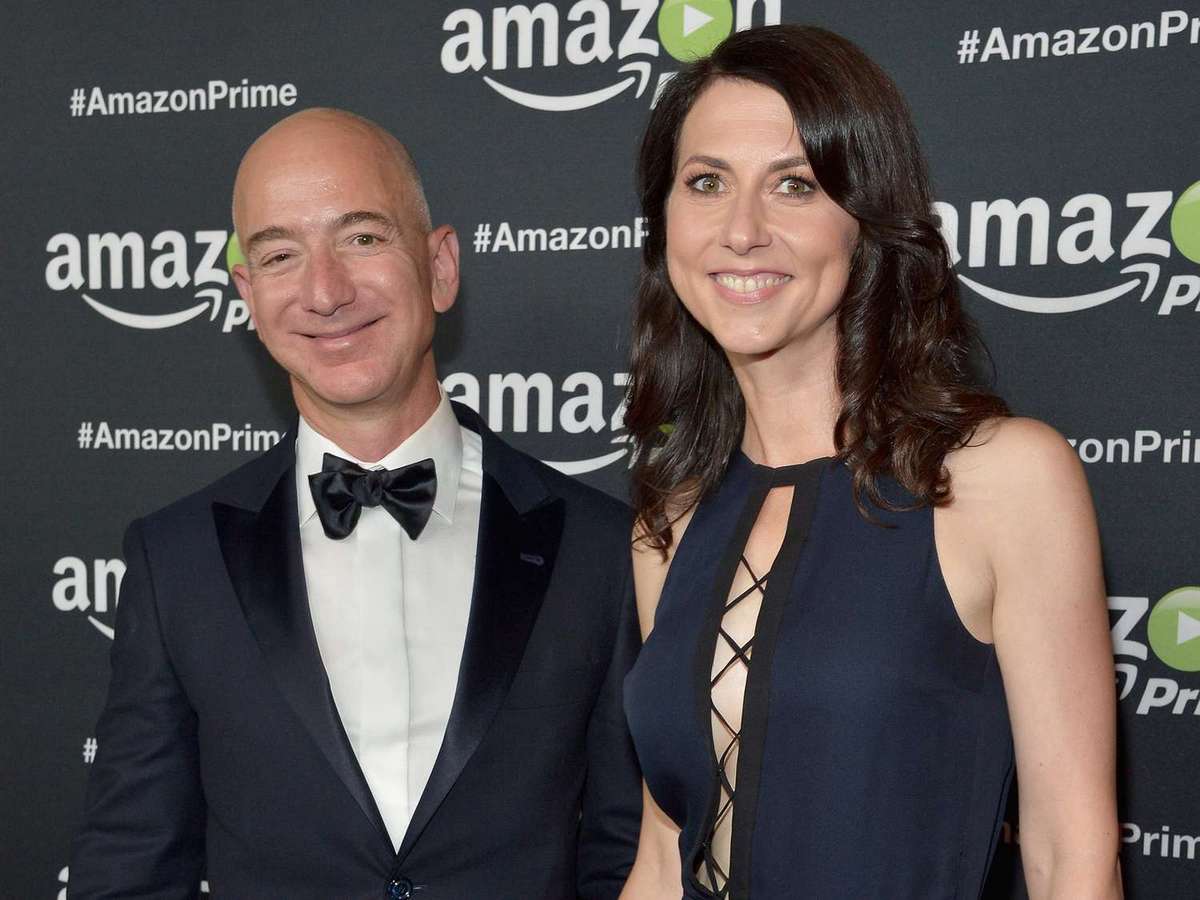
The domino effect of that early generosity is unmistakable. It is impossible to miss the chain, that $1,000 kept Scott in the classroom where Toni Morrison championed her writing, which helped shape the path that led to her work with Bezos, the creation of vast Amazon wealth, and, eventually, the decision to push those billions back out into the world with almost no conditions attached. A single quiet loan did not single-handedly create a megadonor, but it helped script a rare loop of grace, education, and empathy, quietly amplifying its impact far beyond that first act of kindness.