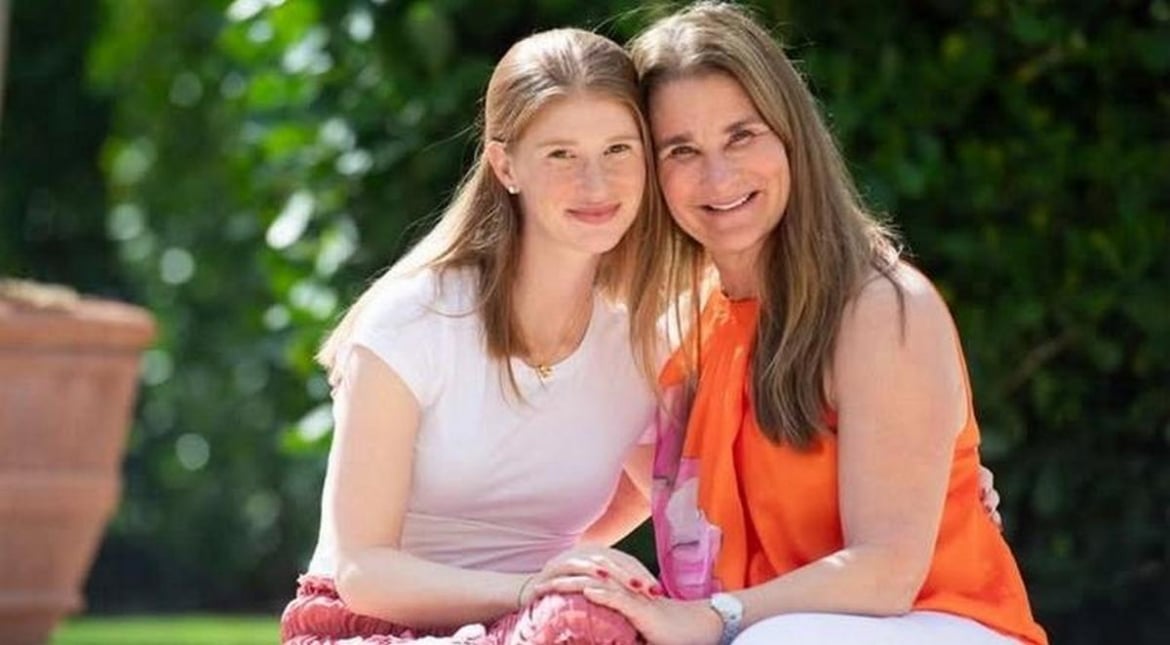
Melinda French Gates is a force in philanthropy who, through Pivotal Ventures, is working to make the world better with every passing day. But the woman who gives to the world with open hands also ran a tight ship at home, often repeating one simple phrase, “Just because we can doesn’t mean we should,” she shared in a 2026 interview with Inc. The author and philanthropist, worth an estimated $30 billion, is one of the most powerful women in global giving. Yet great wealth never made her forget the importance of keeping her own family grounded. Her three children, Jennifer, Rory, and Phoebe, were born into extraordinary privilege as the children of Bill Gates, one of the richest men on the planet. But their parents did not allow that wealth to become the defining identity of the Gates kids.
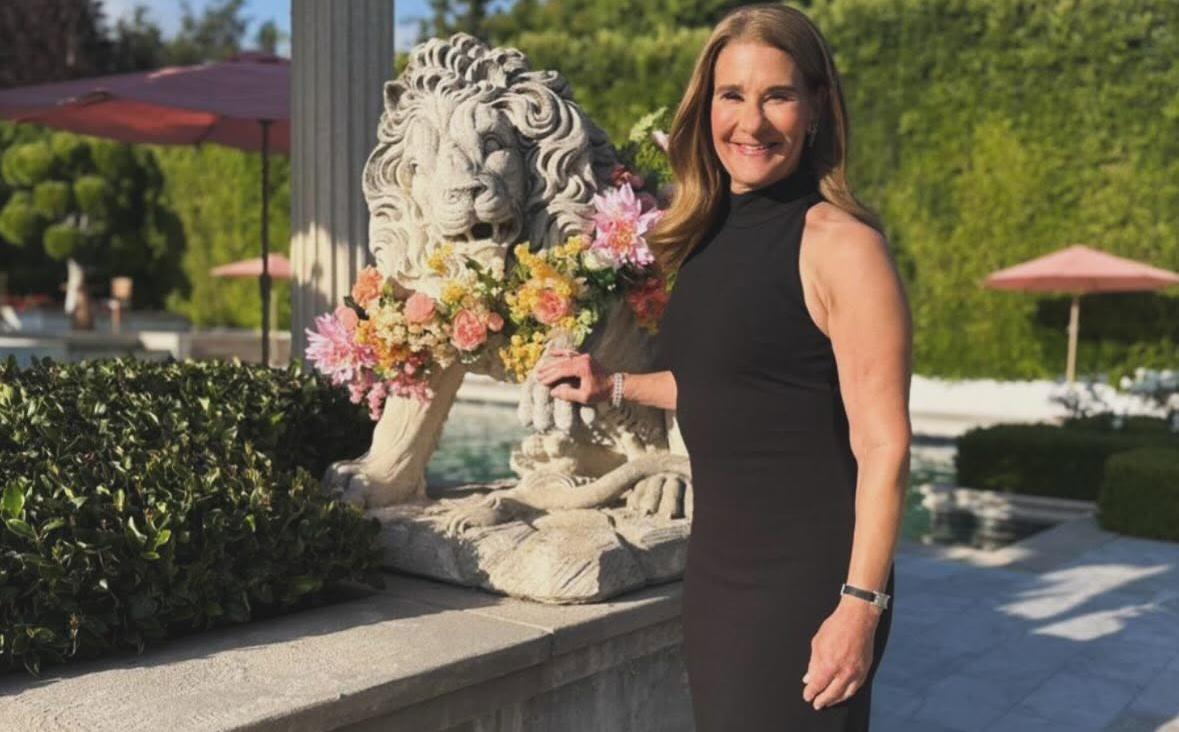
Melinda recalled one telling incident in the interview. “My oldest daughter in particular, I remember there was a purse she saw in a store window she had to have when we went by. She said, ‘But you can buy it for me.’ Of course I could buy it. But I said, ‘If I did, what would that be saying to the other girls in your middle school? Wouldn’t it separate you?’” At first glance, one could sharply judge Melinda for trying to make her children seem middle class in a world that already knew their status. But this was not about pretending they were ordinary. It was about teaching them to manage money rationally instead of using wealth as a tool to get anything, anytime, anywhere.

The purse in the store window was not just a one-off parenting moment, but a glimpse into the kind of household Melinda was trying to create, one where the children could want something, look at it, even know their parents could easily buy it, and still learn to walk away empty-handed. That lesson in perspective did not stop with Jennifer at store windows and school corridors. It extended to Phoebe as well, through summers spent in Rwanda during middle and high school, where she lived with a local family and experienced a very different world from her Seattle upbringing. Melinda also exposed the children to local service, including homeless outreach and feeding lines.
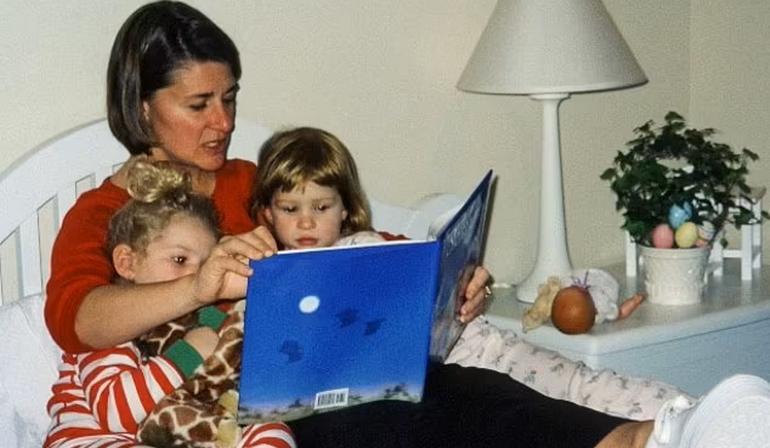
In fact, all three Gates children had allowances to manage their wants. Anything expensive had to be added to a birthday or Christmas list. Melinda and Bill Gates developed a system that made children who had access to almost everything actually wait for things to come to them at an appropriate time and in an appropriate manner. Their money management was also tied to giving. The children were encouraged to save one-third of their allowance, choose charities, and list charitable donations on their Christmas wish lists. The parents then doubled the amount the children had saved, turning allowance into an early lesson in philanthropy rather than pure consumption.
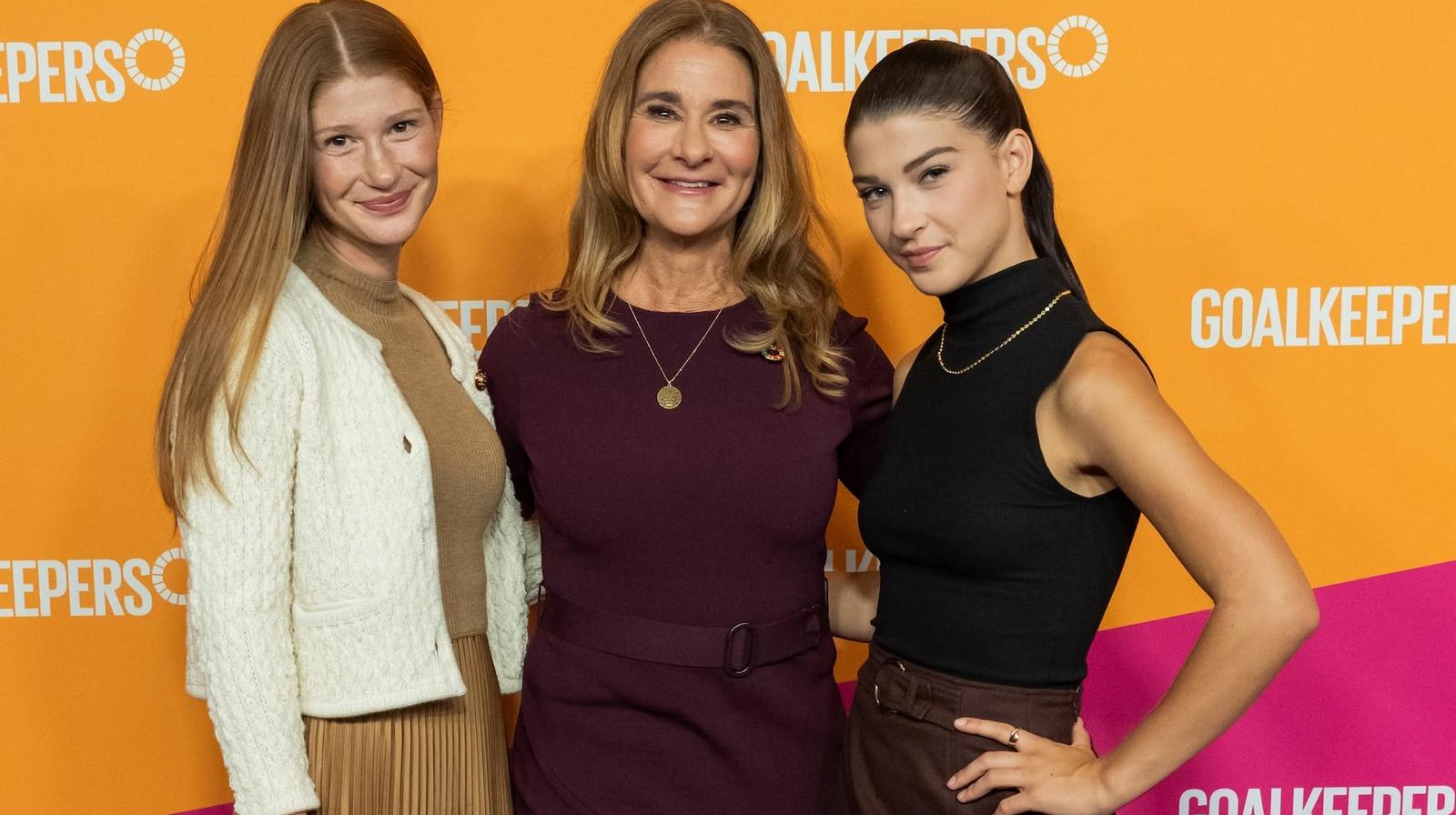
Lets not forget, this was a trio raised in a 66,000-square-foot mansion with staff, swimming pools, a trampoline room, and almost every imaginable comfort. Still, to make their school lives feel as ordinary as possible, Melinda used her maiden name, French, rather than the weighty Gates surname, so the children would not receive special treatment simply because of their last name. In a household where almost anything could be bought, Melinda’s real gift to her children was teaching them that not everything should be.