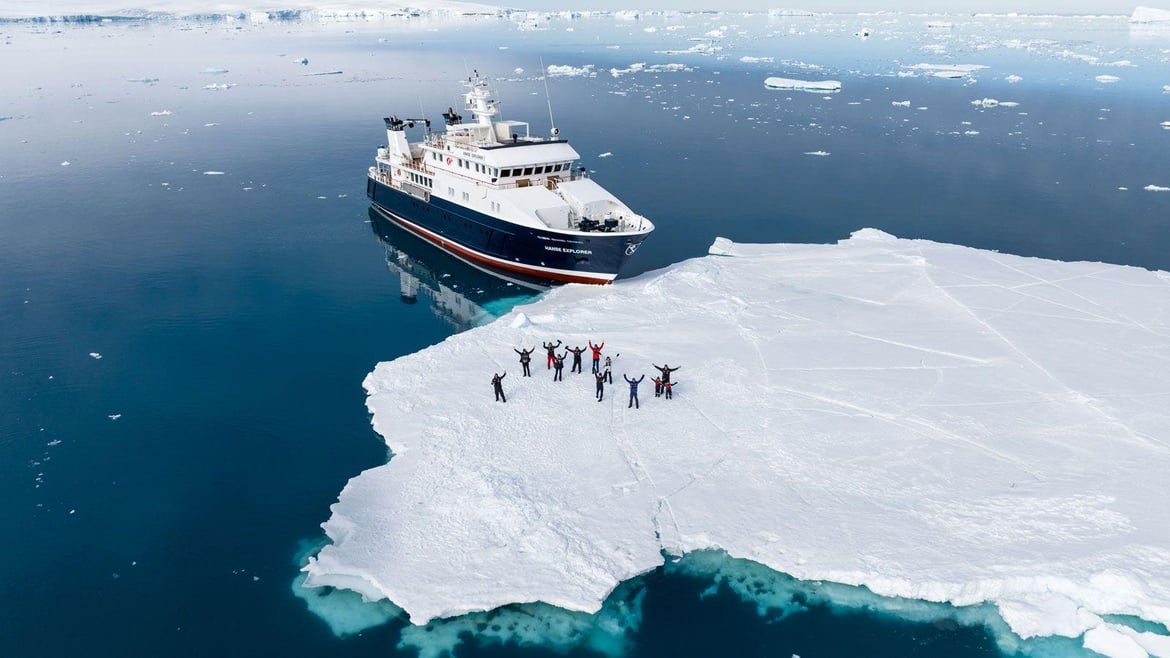
In the blistering heat of the United Arab Emirates, where fresh water is more precious than oil, a fantastical idea once captured global attention. Around 2017, Abdulla Alshehi, an Emirati businessman and author, proposed a staggering solution to the region’s water scarcity: towing an iceberg from Antarctica all the way to the Persian Gulf. The plan sounded like something out of science fiction, yet it was grounded in a very real and growing problem.

The UAE, with its limited natural freshwater sources and ever-expanding population, has long relied on energy-intensive desalination plants to meet its needs. Alshehi’s vision aimed to deliver an alternative, which included ancient, pure, and naturally formed water, harvested straight from the bottom of the earth.

The project involved identifying a massive iceberg near Antarctica’s edge, attaching it to a specially equipped tugboat, and dragging it more than 5,000 miles across the Indian Ocean, as pointed out by a report by the The National. Upon arrival near the coast of Fujairah, the iceberg would be anchored offshore, slowly melting under the desert sun. The water would then be collected, filtered, and added to the national supply.

According to Alshehi’s calculations, a single iceberg could provide drinking water for over a million people for several years. Early simulations were conducted, and a pilot study was proposed near South Africa to test feasibility on a smaller scale. The dream, however, quickly collided with the brutal weight of reality.

Marine scientists and engineers were among the first to voice concern. Towing something the size of a skyscraper through warm, choppy waters posed immense logistical and safety challenges. Icebergs are unpredictable. They crack, flip, or disintegrate with little warning. Even with protective skirts to slow melting and careful route planning to avoid the hottest seas, the loss of volume en route would be significant. Then came the financial estimates.

The cost of a single mission could reach hundreds of millions of dollars. And while promoted as an eco-conscious alternative to desalination, critics pointed out the vast carbon emissions associated with such a journey. Using diesel-powered tugboats to drag a melting iceberg through the tropics did not exactly scream sustainability.

As public interest faded and international partners failed to materialize, the dream slowly dissolved. By the early 2020s, the project had gone quiet. No iceberg ever made it to the Emirates, and the idea faded into the background of Dubai’s long list of unrealized mega-visions. Still, it remains a testament to the city’s willingness to push boundaries, both technological and environmental, in the pursuit of survival and spectacle.

Dubai did finally get Arctic Ice –
While Dubai never got its Antarctic iceberg, a smaller-scale venture involving Arctic ice did gain traction. In Greenland, a startup began harvesting ancient glacier fragments naturally calved into the sea. Shipped in small quantities to Dubai, this ice found its way into luxury bars and restaurants, where wealthy patrons enjoy cocktails chilled with 100,000-year-old ice. Though marketed as sustainable, the practice drew criticism for commodifying a symbol of a warming planet. The irony of sipping whiskey over melting polar ice, while actual glaciers vanish, was not lost on environmentalists.

Yet even that venture remained a niche novelty. Dubai’s grand Antarctic iceberg scheme, with all its ambition and drama, told a bigger story not just of climate solutions, but of human scale and hubris. It asked whether the answer to scarcity lies in ever-grander gestures or in smarter, subtler ones. As it turned out, the iceberg melted long before it ever reached the Gulf.