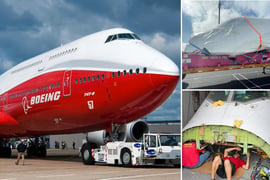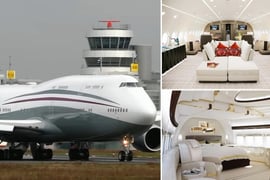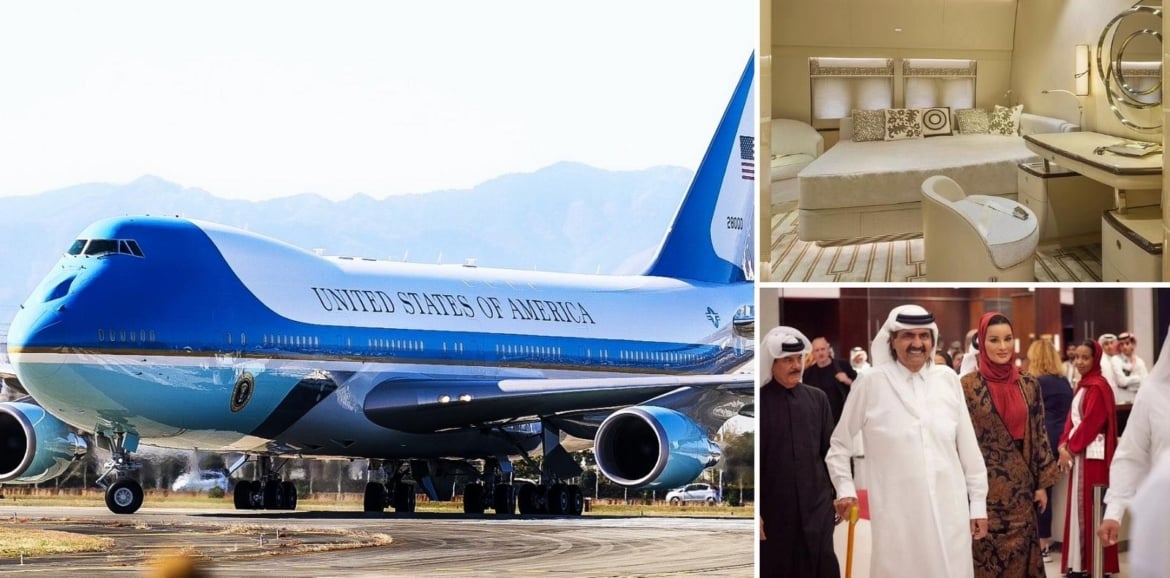
For a brief moment, it appeared that one of the most recognizable aircraft in American history had completed its final mission. Social media posts from senior White House officials following President Donald Trump’s return from the G7 summit in France fueled reports that the venerable VC-25A Air Force One fleet was heading into retirement as a new Boeing 747 gifted by Qatar prepared to take its place.

The speculation intensified when White House Communications Director Steven Cheung described the aircraft’s final journey as “The Last Ride,” while Deputy Chief of Staff Dan Scavino posted a farewell message celebrating his years flying aboard the iconic jet, as reported by the Washington Post. At the same time, the Qatari-donated Boeing 747-8i, now transformed into the so-called VC-25B Bridge aircraft, was nearing operational service and is widely expected to make its public debut during a planned visit to Mount Rushmore on the eve of America’s 250th Independence Day celebrations. While the farewell tributes were heartfelt, the legendary VC-25A Air Force One jets are not leaving presidential service quite yet.
Not retiring, just gaining a new partner
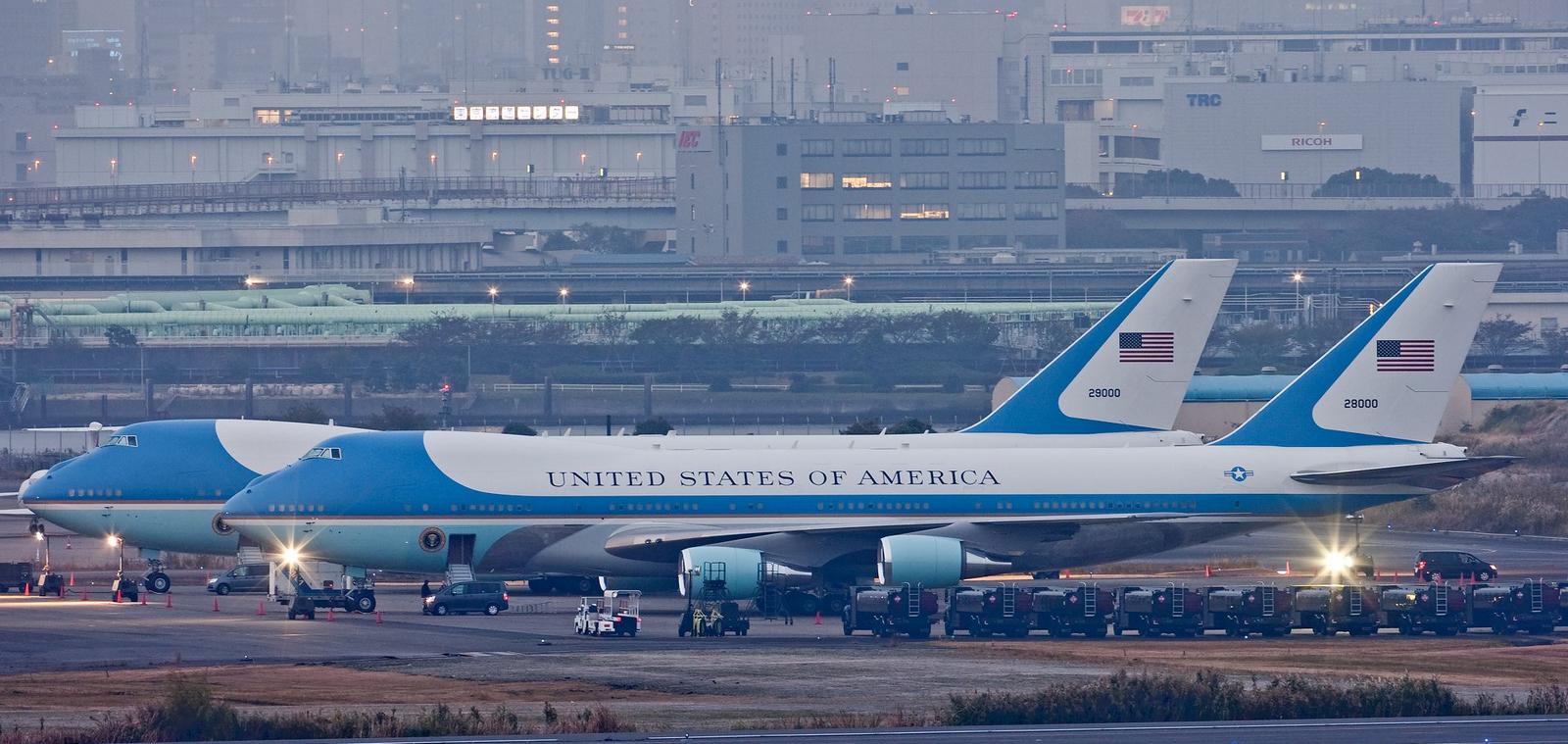
The Air Force has since made clear that the VC-25A fleet is not being retired just yet, per a report by TWZ. Instead, the new VC-25B Bridge aircraft will join the executive airlift fleet alongside the existing VC-25As, creating a mixed fleet while the long-delayed next-generation Air Force One program continues toward its expected 2028 delivery timeline.
That clarification changes the narrative considerably. Rather than replacing the aging aircraft overnight, the Bridge jet appears set to supplement them. Some previous reports have even suggested a division of labor may emerge, with the newer Qatar-derived aircraft handling many domestic presidential trips while the battle-tested VC-25As continue flying longer international missions. Such an arrangement would make practical sense. While the Bridge aircraft offers a modern airframe and newer systems, the VC-25As remain among the most specialized aircraft ever built for presidential service.
More than a flying luxury suite
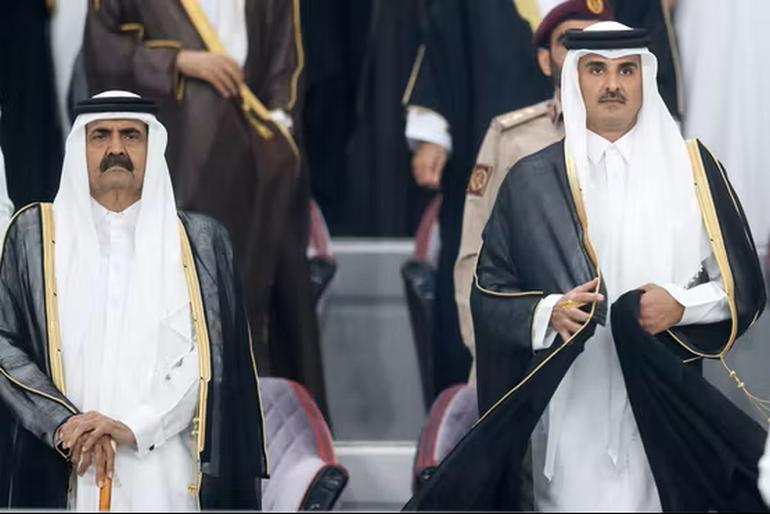
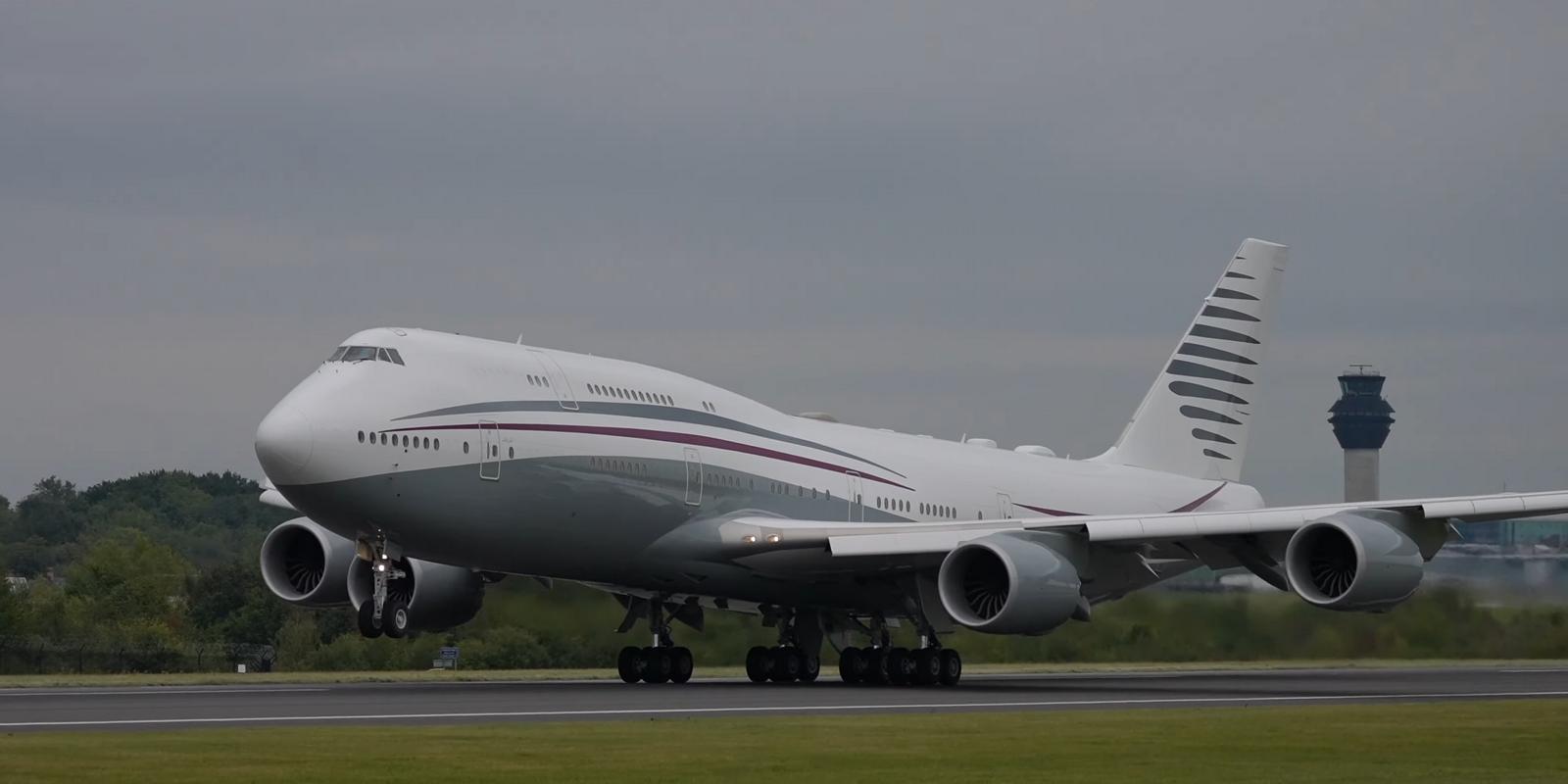
The Qatar-donated 747 has attracted attention largely because of its lavish origins. Originally configured as a luxury aircraft for Qatar’s royal family, the jet reportedly featured opulent lounges, premium accommodations, and marble-appointed bathrooms before undergoing extensive modifications for presidential use.

Yet beneath the familiar blue-and-white livery, the VC-25As possess capabilities that go far beyond comfort. The two aircraft, based on the Boeing 747-200 platform, serve as flying command centers designed to keep the presidency functioning under virtually any circumstances. They feature advanced secure communications systems, defensive countermeasures, and one capability that remains especially significant: aerial refueling.

With tanker support, a VC-25A can remain airborne indefinitely, allowing the president to maintain command during national emergencies. The aircraft are also hardened against electromagnetic pulse effects, giving them the ability to operate in scenarios that would disable most civilian aircraft. Those capabilities help explain why the Air Force is not eager to retire them before fully capable replacements are ready.
A presidential workhorse with 35 years of history
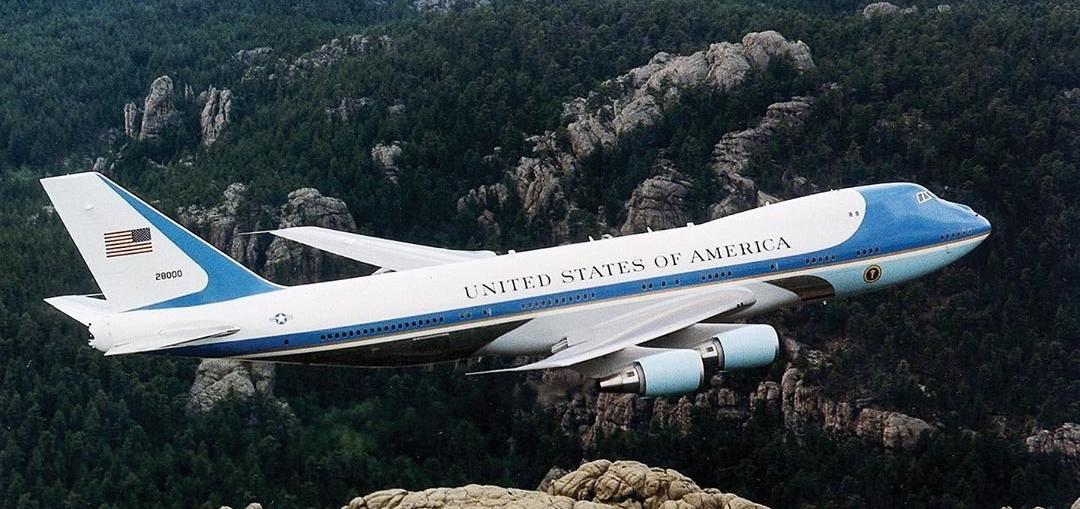
The VC-25A story stretches back to the Reagan administration. Ordered as replacements for the aging Boeing 707-based presidential fleet, the aircraft first flew in 1987 before entering service in 1990 after delays related to communications systems integration.
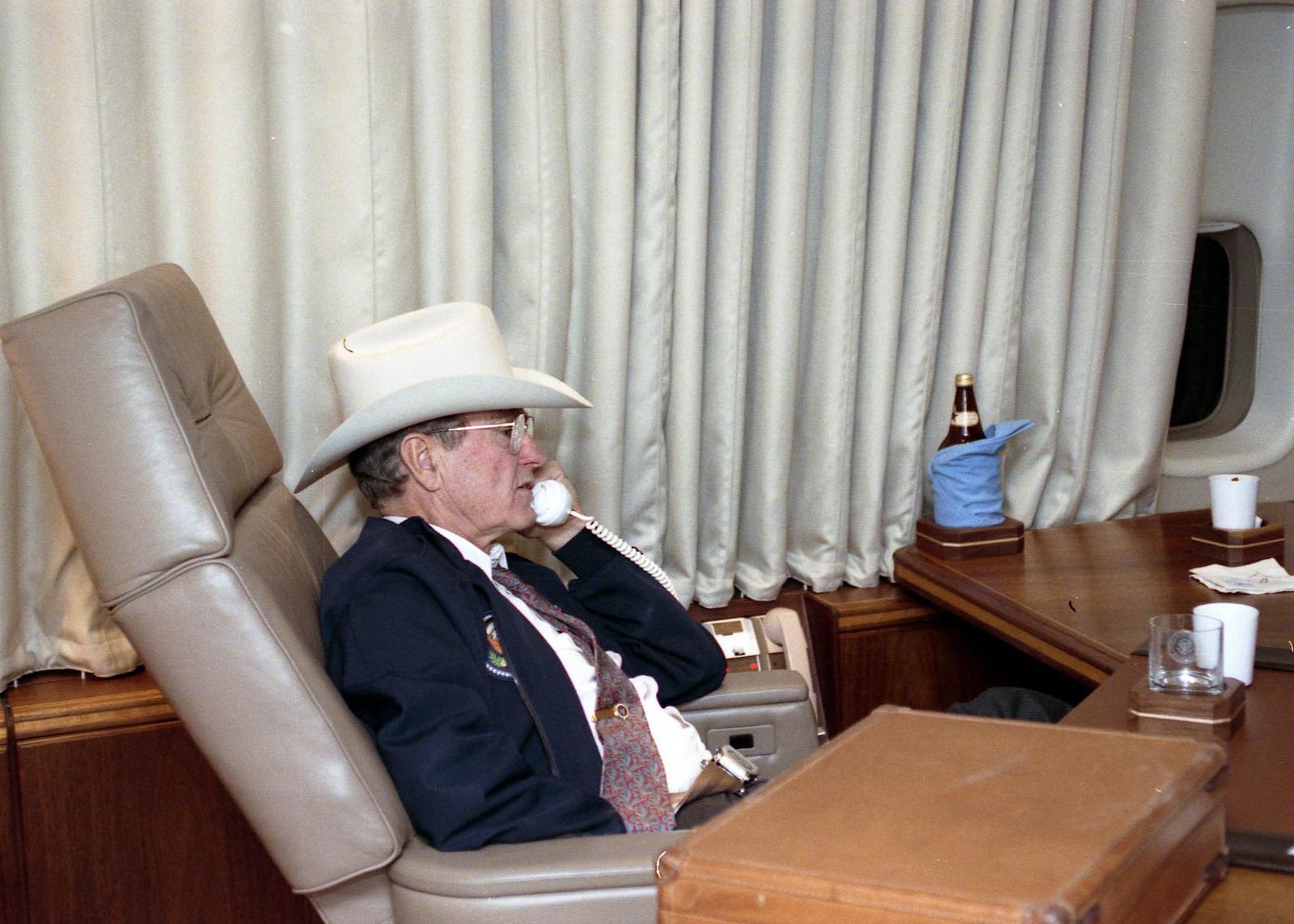
President George H.W. Bush took the first presidential flight aboard the new aircraft that same year, beginning a service career that would eventually span six presidents and countless historic moments. Today, the aircraft face the realities of age. Based on a 1970s-era Boeing platform that is no longer in production, they have become increasingly expensive and difficult to maintain as parts and expertise grow scarcer.

Even so, their final chapter has not yet been written. While the spotlight may soon shift to the newly converted VC-25B Bridge aircraft, the aging VC-25As appear poised to remain active members of the presidential fleet for a little while longer, continuing to serve alongside their younger stablemate rather than immediately yielding the stage.