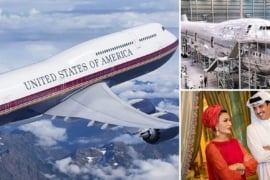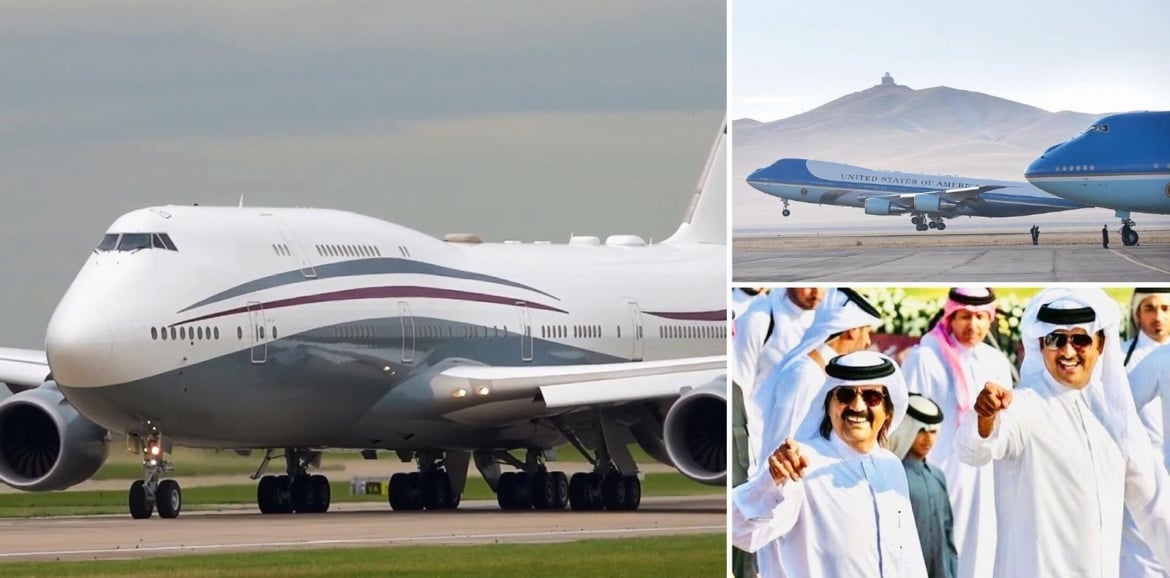
The United States may soon have two very different versions of Air Force One in active service at the same time. One would continue handling the most demanding international presidential missions, while the other could become an unusually lavish domestic shuttle built around a Boeing 747 once owned by Qatar’s royal family.

The aircraft at the center of this strange transition is the $400 million Boeing 747-8 gifted by Qatar to the United States as an interim “bridge aircraft” while Boeing struggles to finish the long-delayed VC-25B replacement program. The jet is expected to enter service around the 4th of July on America’s 250th Independence Day, giving the country a temporary presidential aircraft with a backstory that sounds more Gulf monarchy than Pentagon procurement office. But even with the Qatari jet joining the fleet, the current VC-25As, which have served the United States since 1990, are expected to remain in service until 2029, as reported by Aviation Week, while the actual 747-8-based VC-25B replacements are slated to hopefully begin arriving in 2028.

A palace in the sky for domestic missions
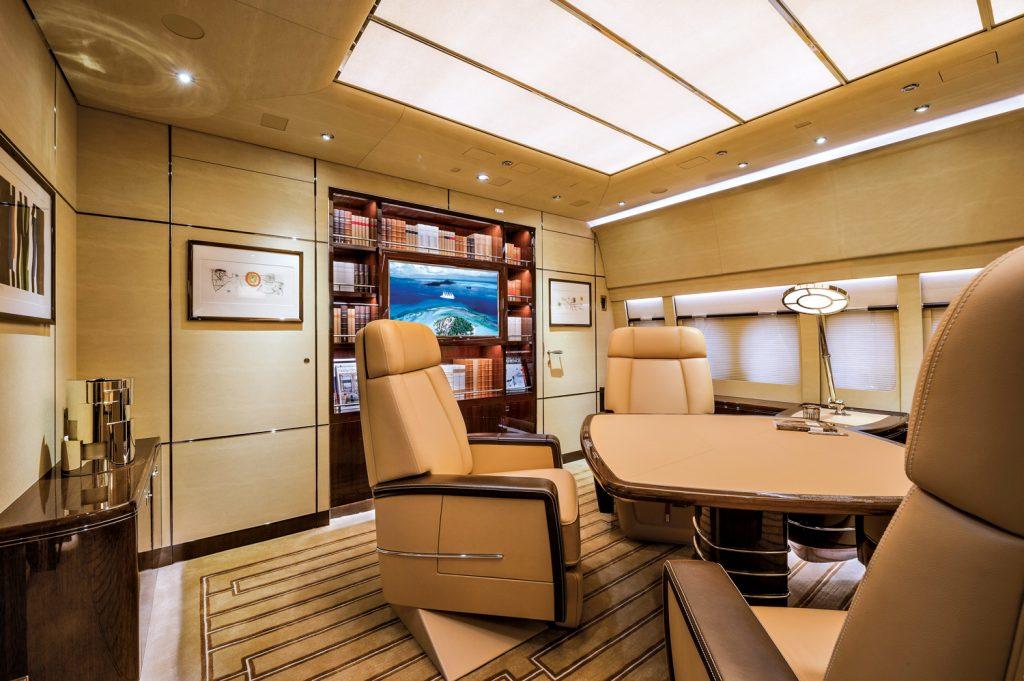
Before it was discussed as a presidential transport, the giant 747-8 was widely known for its royal-grade interior. The aircraft reportedly features extravagant lounges, richly detailed private suites, oversized seating areas, polished wood finishes, premium carpeting, and the sort of layered luxury normally associated with heads of state from the Gulf rather than the American military. Unlike the hardened functionality of the current Air Force One fleet, the Qatari jet was originally designed first for comfort, prestige, and long-haul royal travel.

That royal DNA is part of what makes the aircraft so fascinating politically and operationally. Even after modifications by the U.S. Air Force, the jet still carries the image of a flying palace more than a Cold War command bunker.
And that distinction matters because the Air Force itself appears to be treating this aircraft as something less than a full replacement for the current VC-25As which have been flying since 1990.

The U.S. Air Force reportedly spent roughly $400 million to convert the Qatar-donated Boeing 747-8 into an interim presidential aircraft, a figure that highlights how even a gifted jumbo jet became extraordinarily expensive once military-grade communications, security systems, and presidential mission equipment were added.
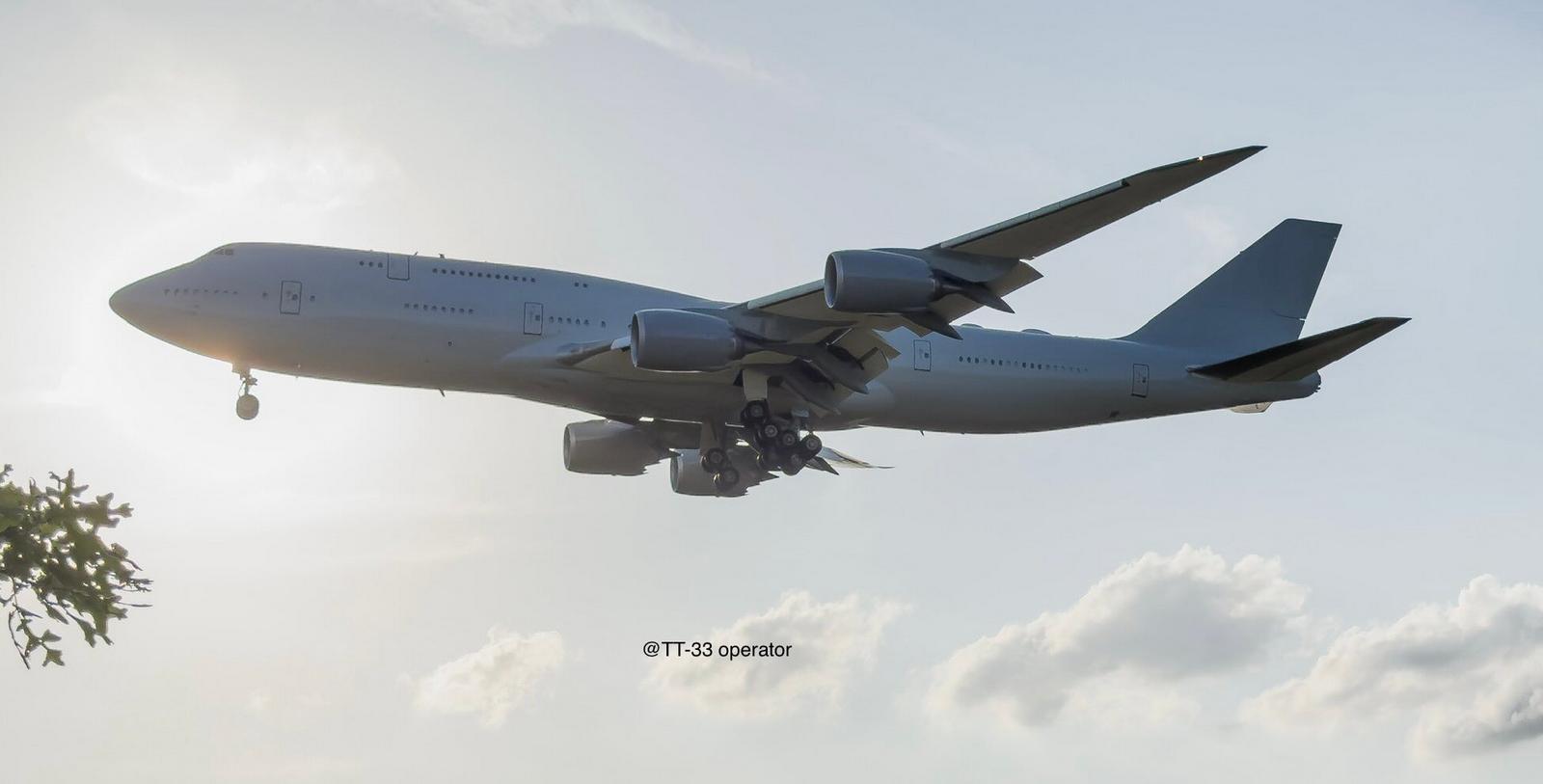
Public reporting suggests the bridge aircraft underwent significantly limited modifications compared to the incoming VC-25Bs. The Air Force focused on safety, security, and secure communications, but appears to have avoided some of the deeper structural and survivability upgrades that define a true Air Force One platform. Reports have suggested the aircraft may not fully match the defensive systems, nuclear hardening, aerial refueling capability, and command-post functionality of the current VC-25As.
That is why aviation observers increasingly believe the Qatari 747 may end up serving primarily domestic or lower-threat presidential missions across American airspace, while the older VC-25As continue handling more sensitive international travel.

If that happens, it would create one of the strangest presidential aviation arrangements in modern history. America’s newest presidential jet would technically be newer, larger, and more luxurious than the aircraft it supplements, yet still potentially less capable in the hardest operational environments.
The old Air Force Ones are not finished yet
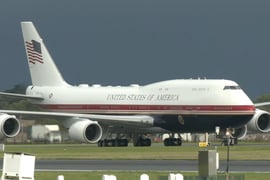
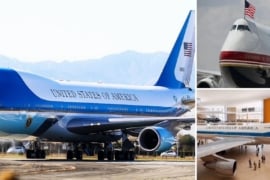
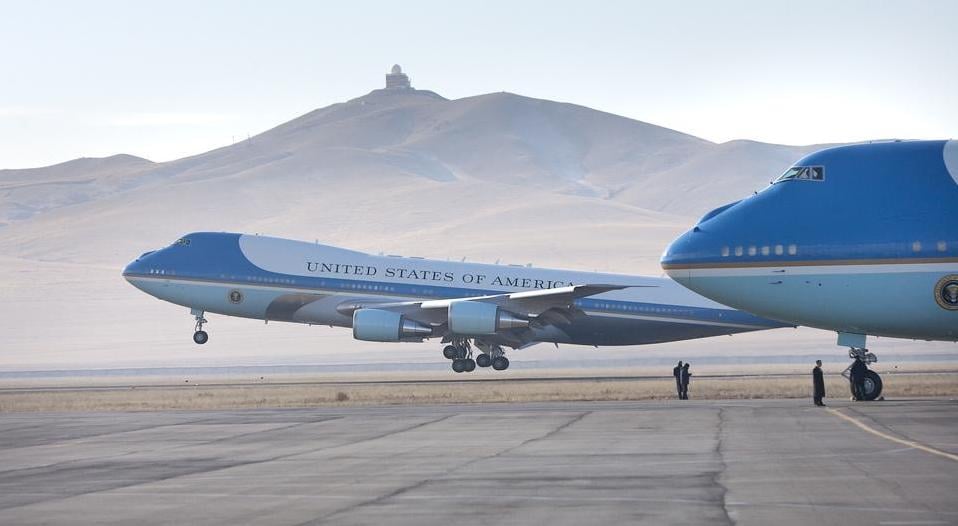
The continued survival of the VC-25As tells its own story. The current Air Force One fleet entered service in 1990 during the administration of President George H. W. Bush. Based on the Boeing 747-200, the two aircraft became some of the most recognizable airplanes on Earth. Tail number 28000 first flew as Air Force One in September 1990, while tail 29000 later became permanently linked to one of the defining moments in modern American history after carrying President George W. Bush in the aftermath of 9/11.

Despite their age, the VC-25As remain deeply capable machines. The aircraft were designed during the Cold War with continuity-of-government requirements at the center of their development. They feature secure communications systems, anti-missile protections, onboard medical facilities, front and rear air-stairs, self-contained baggage handling equipment, and the ability to refuel in flight.

More importantly, they are fully understood aircraft. Their crews, maintenance systems, emergency procedures, and mission capabilities have been refined over decades of presidential operations.
That familiarity has become especially important because Boeing’s VC-25B replacement program has suffered years of delays and engineering complications. The two 747-8-based replacements are now expected to arrive in 2028, far later than originally planned.

That split fleet tells its own story. However lavish the Qatari 747 may be, Washington is still treating it like a placeholder rather than a presidential aircraft it fully trusts. Until the VC-25Bs arrive, the old VC-25As remain the planes the system still leans on.