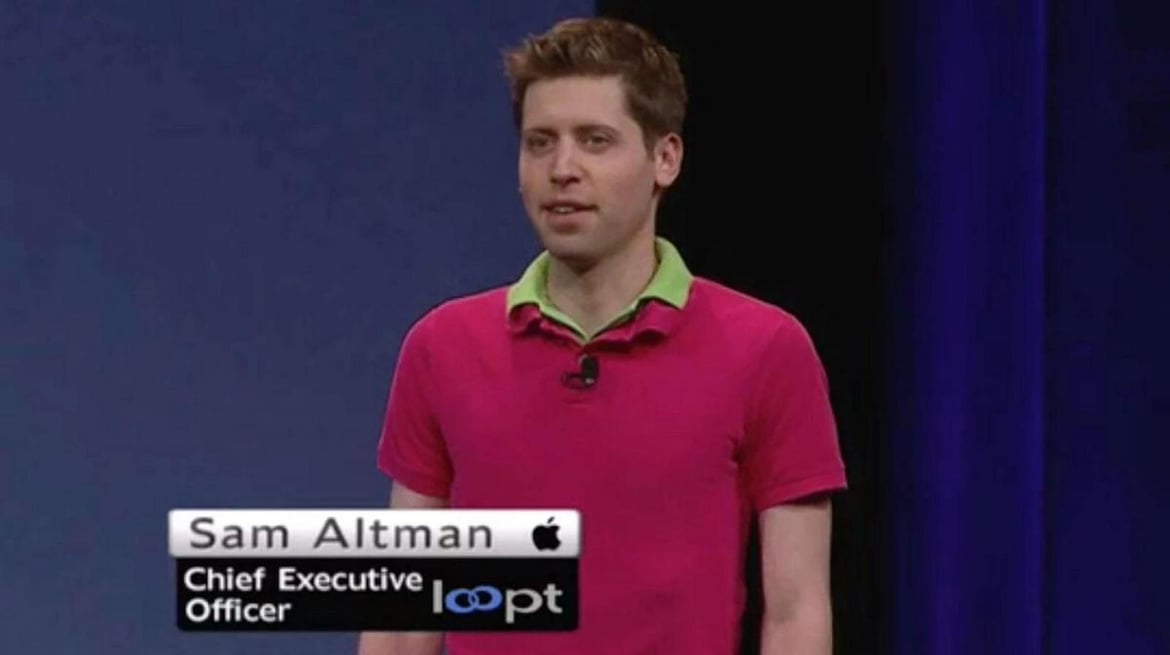
Before OpenAI, before billion-dollar rounds and AI headlines, Sam Altman’s story began with a small demo inside Steve Jobs’ biggest stage. In 2008, a 23-year-old Altman stood on the WWDC stage in San Francisco as a near unknown. Jobs was unveiling the App Store and iPhone OS 2.0, a moment Apple considered the birth of the modern software ecosystem. That keynote included a short series of demonstrations meant to show developers what could be built on the iPhone. Among those handpicked examples was Loopt, a small location sharing app presented by a young founder in a bright double collar polo, as pointed out by Applesfera.
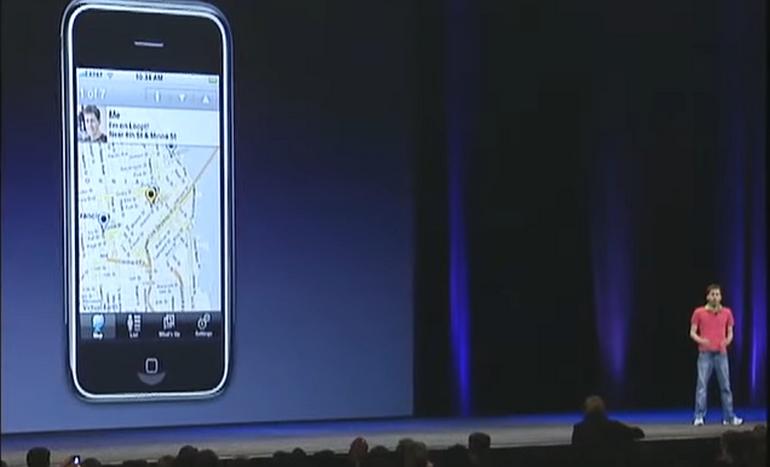
He walked on stage with nervous energy, opened an early iPhone simulator, and panned across a map dotted with avatars. The icons represented friends near him, the places they were at, and activities happening in the moment. Altman described it as a way to connect with people when out and about, which he noted was the main reason someone carries a phone. He told the audience that Loopt could show where people are, what they are doing, and what is around them, then let a user message or call inside the same interface. Five minutes passed quickly, and the spotlight moved on. It was not Apple pitching Sam Altman. It was Sam Altman pitching Apple’s new platform.

Loopt did not become a cultural anchor. It negotiated partnerships with carriers such as Sprint, it shipped on early smartphones, and it was early to the idea that friends and places should live inside the same interface. Still, it never reached mass adoption. In later interviews, Altman called it a failure or at best not a huge financial success. Loopt was ultimately acquired for $43 million, which at the time felt like a modest exit compared to giants rising around it. Yet inside that loss was something more durable. Loopt forced Altman to learn how to hire, how to raise money, how to negotiate with a platform owner, and how to survive inside an industry that moves faster than anyone expects. Those years became a private curriculum in product, capital, governance, and regulation. They also put his name on the map, which later helped him enter Y Combinator and eventually lead it. His next chapter was not built on success. It was built on the ability to continue after failure.

A decade later, the scale of Altman’s work shifted beyond apps. With OpenAI, he helped drive a generational shift in artificial intelligence and computing. Across all funding rounds, OpenAI has raised on the order of $58 billion through 2025, with some estimates creeping above that as new rounds close. This is not the scale of a social location experiment. This is the scale of infrastructure. Under Altman, the company trained models that changed how people write, search, build, and think. The result was not a feature inside a phone. It was a new baseline for human-computer interaction.

Which brings the story back to Apple. In June 2024, the company announced Apple Intelligence and a formal integration of ChatGPT into iOS, iPadOS, and macOS. Siri would now call out to OpenAI when needed. The operating system itself could offload reasoning, writing, and creative tasks to Altman’s technology. The same stage that once granted a young founder a few borrowed minutes now presented him as the external brain Apple needed to compete in a world defined by generative AI. The roles had flipped. In 2008, Apple gave Altman visibility to prove what could be built on an iPhone. In 2024, Apple borrowed his model to prove it belongs at the cutting edge of AI.
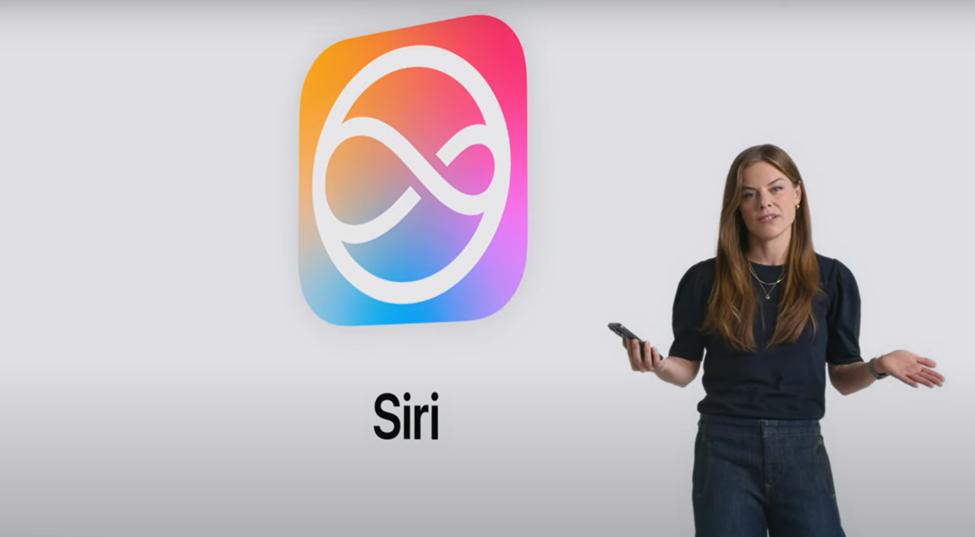
The symmetry is striking. Sixteen years separate a map with cartoon avatars from a system-level intelligence woven into the operating system. The first moment was a demonstration of what apps might do with location services. The latter moment was an admission that intelligence is now the feature tier that matters most. Altman moved from an invited guest to a strategic partner. Apple moved from platform provider to platform extender. What once looked like an early chapter in the App Store story now reads like a prologue to the AI one.
The keynote video from 2008 feels almost unreal now. A young founder, unknown to most viewers, showing markers on a map. He believes phones should be tools for finding people, for seeing what is happening nearby. The idea never reached its commercial potential. Yet the lesson he gained from trying is visible in every milestone since. OpenAI did not succeed because Loopt succeeded. It succeeded because its founder learned how to build through failure. Sixteen years ago, Altman walked onto the WWDC stage as proof of what you could build on Apple’s platform. Today Apple walks onto the same stage to show what it can build with his.