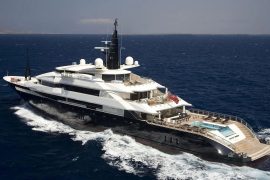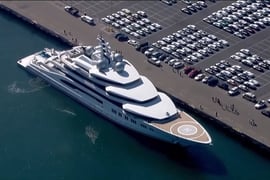
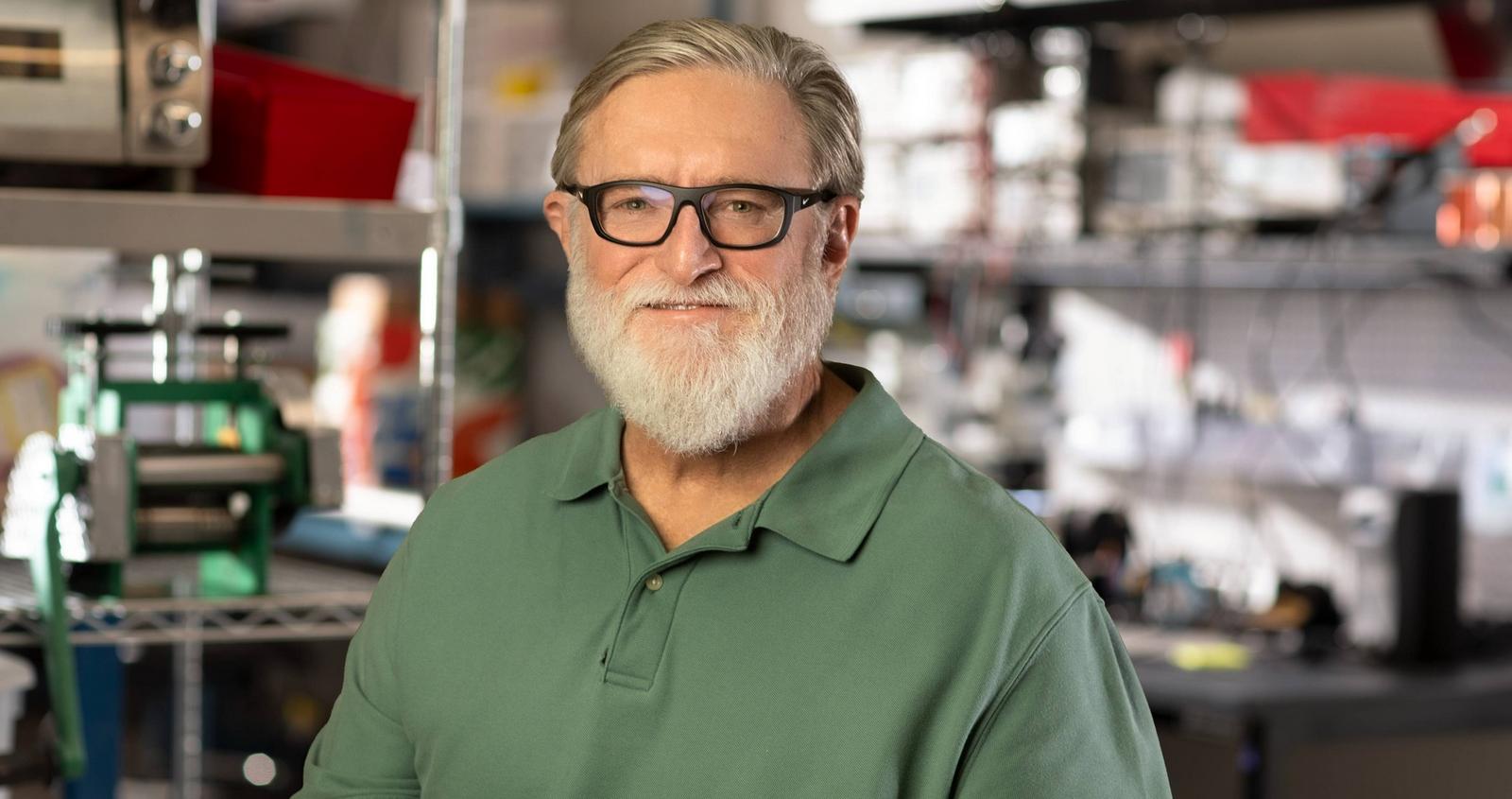
Gabe Newell, the gaming billionaire best known for founding Valve, has been steadily transforming himself into one of the most influential patrons of marine science. Through his ocean research organisation Inkfish, he has commissioned the RV6000, a 100-meter, purpose-built explorer-style research vessel designed to push the limits of deep-ocean exploration. Based on current specifications and comparable builds, Luxurylaunches estimates the project’s all-in cost at about $300 million, placing it among the most expensive privately funded research vessels ever commissioned. It will join Inkfish’s existing fleet, which already includes RV Dagon and RV Hydra, but will stand as its flagship in terms of range, capacity, and technological sophistication.

The RV6000 is designed for multi-month missions that take science teams into some of the least-explored regions of the ocean, as reported by the Superyachttimes. It is built to carry up to 70 scientists and crew in conditions that blend expedition-grade ruggedness with the comfort of a high-end explorer yacht. The vessel’s mission profile is ambitious: deep-ocean mapping, remotely operated vehicle (ROV) dives to 6,000 meters, and support for two manned submersibles.

To achieve this, the RV6000 will carry a gondola-mounted hydroacoustic suite capable of delivering high-resolution seabed data at 0.5 x 1-degree accuracy, while also providing full water-column analysis. The scientific spaces on board will include wet and dry laboratories, workshops, offices, and a mission control room with synchronized video walls for monitoring multiple operations at once.
Power and efficiency have been engineered into the design from the start. A hybrid power generation and propulsion setup will allow the vessel to reach a top speed of around 15 knots while maintaining low emissions. Precision station-keeping will be ensured through a DP-2 system with Voith-type propulsors, allowing the ship to hold position in challenging sea states while supporting delicate submersible or ROV launch windows. An advanced anti-roll system further enhances operational safety, ensuring crew and scientists can work effectively even in rough conditions.

The RV6000’s deck layout is optimized for heavy-duty expedition work. A stern A-frame will handle submersible launch and recovery, while spacious hangars will house ROVs and submersibles between missions. An active-heave-compensated offshore crane, rated for deep lifts to 2,500 meters, provides additional deployment flexibility. A helideck is built in for resupply, crew changeovers, and emergency evacuations, giving the ship self-sufficiency for remote operations far from port.

The integration of the SeaQ bridge system allows for centralized control of navigation, operations, and environmental monitoring. Real-time data on fuel consumption, energy use, and emissions can be accessed both onboard and remotely, reflecting Inkfish’s commitment to sustainable operations. The vessel’s DNV Comfort Class notation guarantees exceptionally low noise and vibration levels, an important factor for both human endurance and sensitive acoustic survey work.
From the earliest stages, the design process has been a collaborative effort between Inkfish’s own science, subsea, and aviation teams and UK-based technical advisers. This ensured that operational needs, rather than retrofits or compromises, shaped the layout and systems from day one. Hull construction will take place at a Vard facility in Romania, with outfitting and commissioning scheduled for Norway, targeting delivery in the second quarter of 2028.

For Newell, the RV6000 fits into a broader maritime vision. In recent years, he has not only acquired the Hadal Exploration System, comprising the full-ocean-depth submersible Limiting Factor (now Bakunawa) and its support vessel Dagon, but also purchased the renowned Dutch shipyard Oceanco, which recently launched his newest superyacht.

His approach blends personal passion with a philanthropic belief in open science, with all collected data from Inkfish expeditions made available to the global research community. As he said in 2022, “What Mr Vescovo and his team have accomplished with the Hadal Exploration System is extraordinary. It represents a truly unique tool to the marine science community, and we hope to carry on its tradition of enabling critically important research into the deepest regions of the oceans.”

Newell’s philosophy toward this phase of his career is refreshingly direct. “When you retire, you want to… stop doing your horrible job and go do what is most fun and entertaining—in that sense I’ve been retired for a long time,” he remarked in mid-2025. With the RV6000, that “fun” now includes the creation of one of the most advanced research ships ever built, a vessel capable of rewriting our understanding of the deep sea while giving 70 people at a time the rare chance to live and work on the front line of ocean exploration.