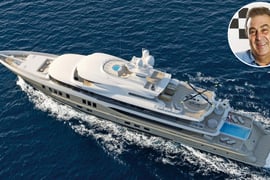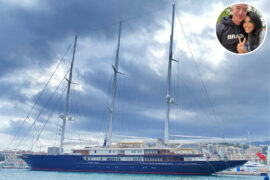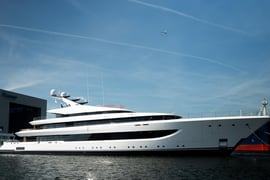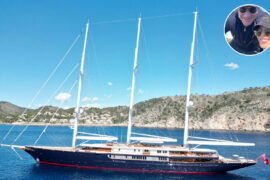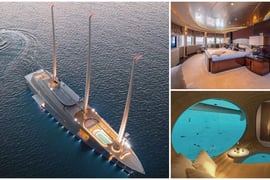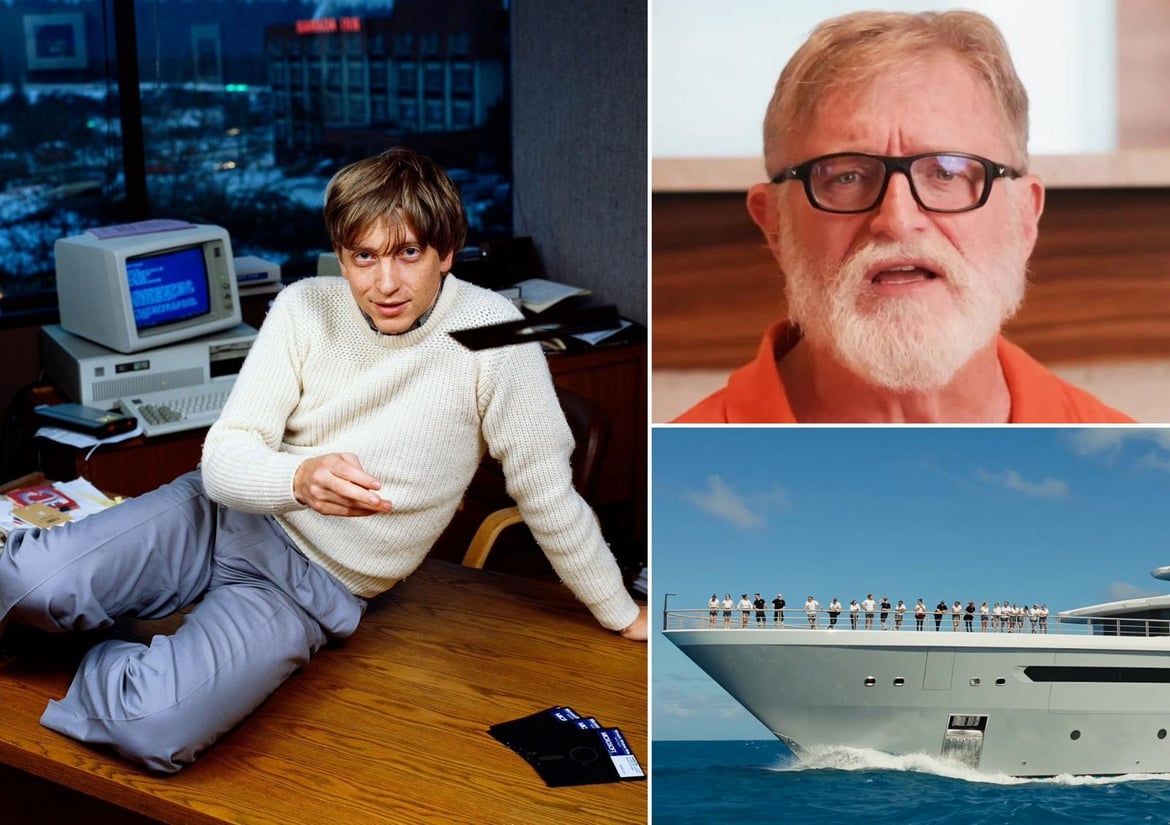
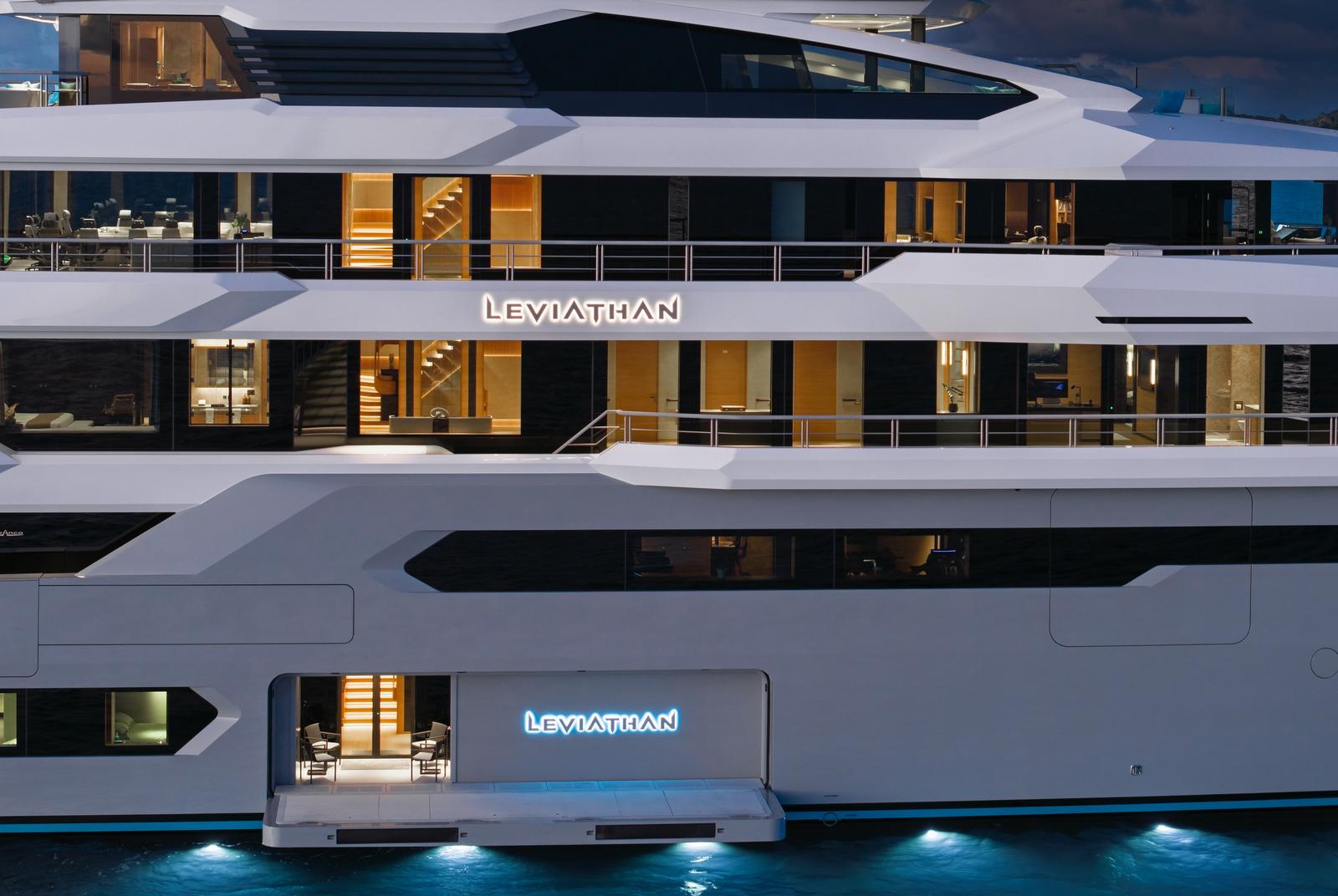
Forty years ago, Gabe Newell’s name was hidden inside a piece of software that would eventually help change personal computing. Today, the billionaire has turned that idea on its head aboard Leviathan, a 364-foot superyacht that makes the people behind its creation impossible to overlook. Delivered by Oceanco last year, the $500 million megayacht is an unusually personal expression of an owner who has spent his career questioning how complex projects should be built and who should have a voice in them. Its most revealing feature may therefore have little to do with its 10-meter pool, enormous windows, or 5.3MWh battery system. It is the way Newell has chosen to acknowledge the thousands of people who made the yacht possible.
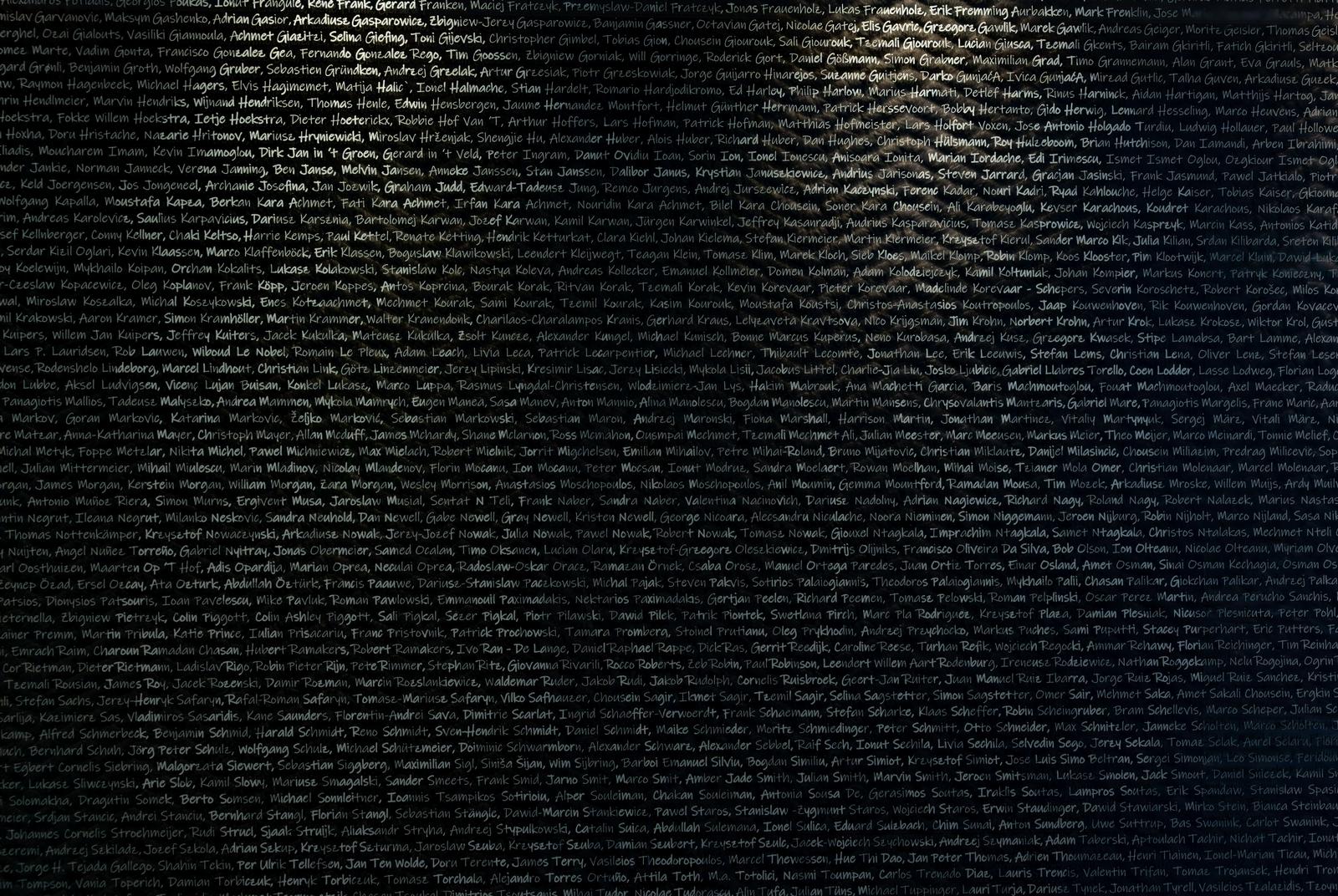
At the midships entrance, guests step into a sea lobby where a full-height glass panel is engraved with the names of nearly 3,000 people who contributed to Leviathan, from Oceanco employees and designers to crew members, specialist suppliers, craftspeople and other project partners. The installation was commissioned by Newell as a permanent acknowledgment of the collective effort behind the yacht, rather than a tribute to the owner alone. There is a small piece of mischief hidden within it, too. The Oceanco-designed Leviathan emblem appears only when the glass is viewed from certain angles, prompting Boat International to describe it as another “Easter egg.” For an owner whose own name was once concealed in an Easter egg inside Windows 1.0, the detail feels almost too fitting.
The Windows lesson that followed him to sea
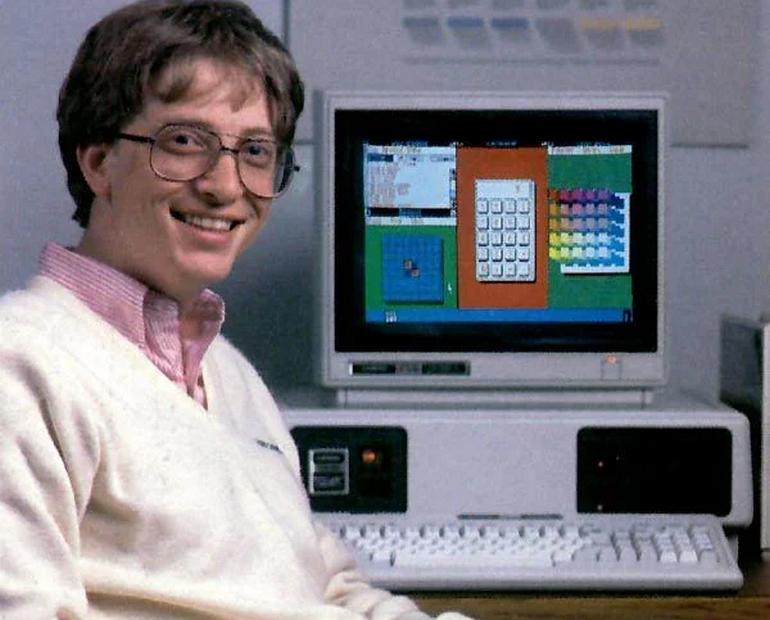
Newell was 23 when Windows 1.0 launched on November 20, 1985, and the product was hardly the polished software empire Microsoft would eventually build around the Windows name. It ran on MS-DOS, had suffered repeated delays and was dismissed in some parts of the industry as “vaporware.” Behind it, however, was a remarkably small development team, reportedly just 13 people, where everyone was expected to contribute beyond a narrowly defined job. Newell has often pointed back to that period when explaining his management philosophy, recalling that the experience taught him more in three months at Microsoft than he learned throughout his time at Harvard. It was an environment in which people had to understand the wider problem rather than simply perform one prescribed function.
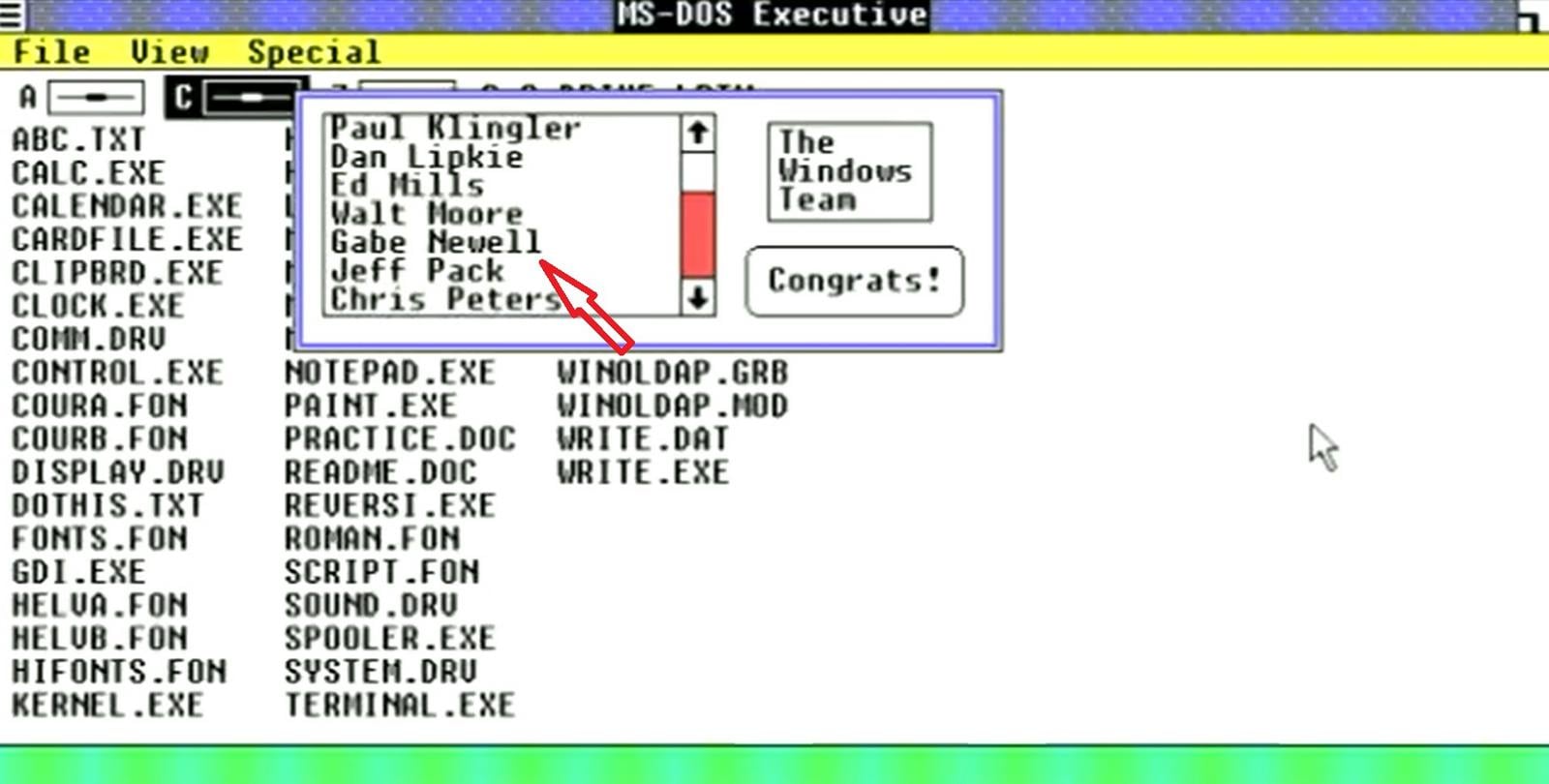
The team even left its own secret signature inside Windows 1.0. A hidden credit screen contained the names of 36 contributors, including Newell and Steve Ballmer, concealed inside a bitmap and accessible through an elaborate sequence of keyboard commands in later versions. According to recollections shared around the project’s 40th-anniversary reunion, Bill Gates accidentally stumbled across an early version after becoming frustrated with Windows running slowly and hitting the keyboard, prompting the programmers to make the activation sequence even more obscure. The credits eventually remained hidden from public discovery until 2022, when a researcher reverse-engineered the original binaries, as reported by PC World. What began as a playful act by young programmers had, four decades later, become a historical record of the people who built Microsoft’s first Windows.
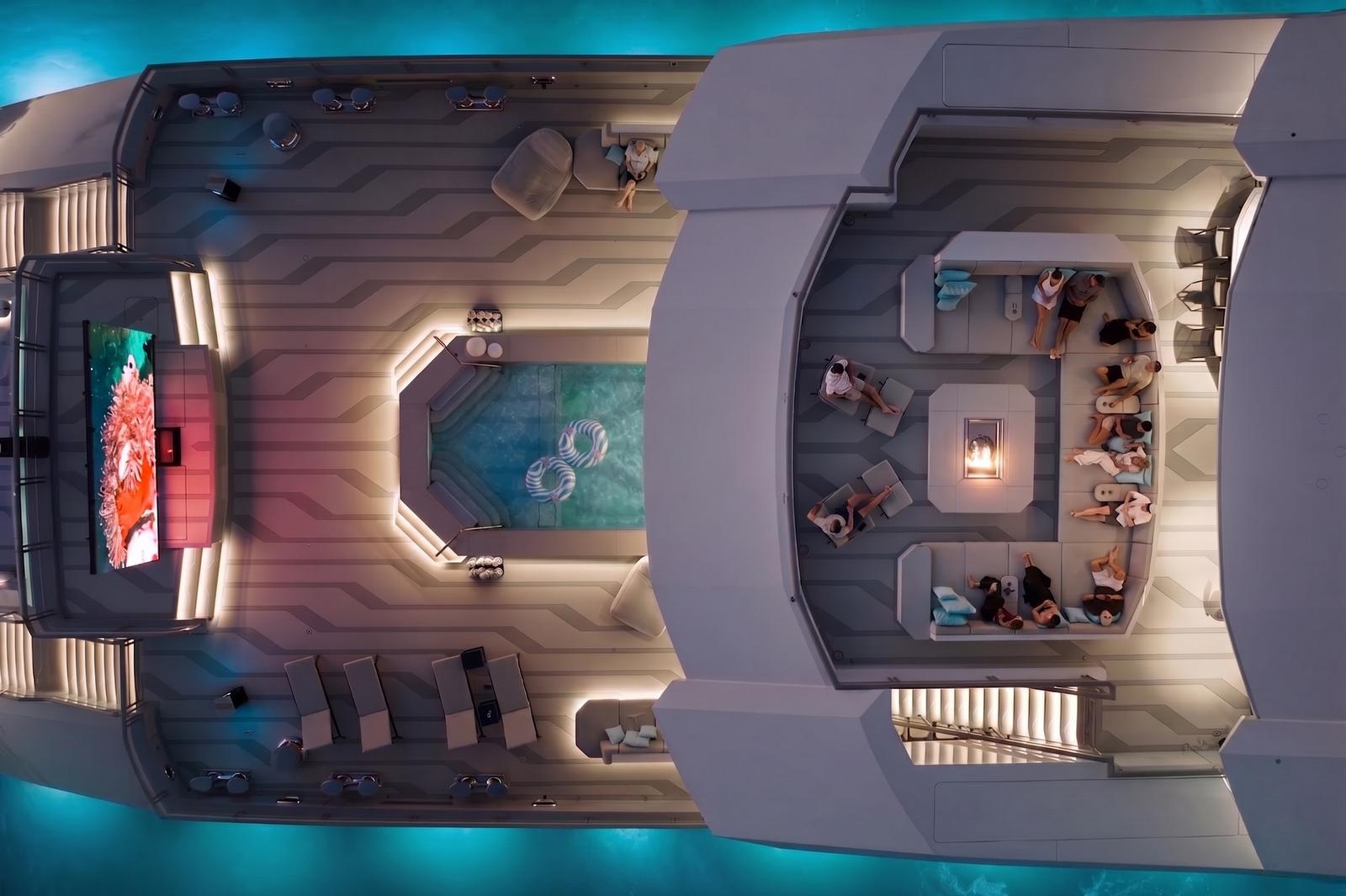
Leviathan carries a strikingly similar idea, only on a vastly larger scale. Rather than simply hiring experts to design a finished yacht and asking the crew to operate it, Newell increasingly brought the people who would actually use the vessel into the design process. He first tested the approach while developing a new tender with the dive crew and found that their involvement produced a better result. On Leviathan, that philosophy reaches into the architecture itself, dissolving one of the most entrenched conventions of superyacht design: the hard line between guest and crew.
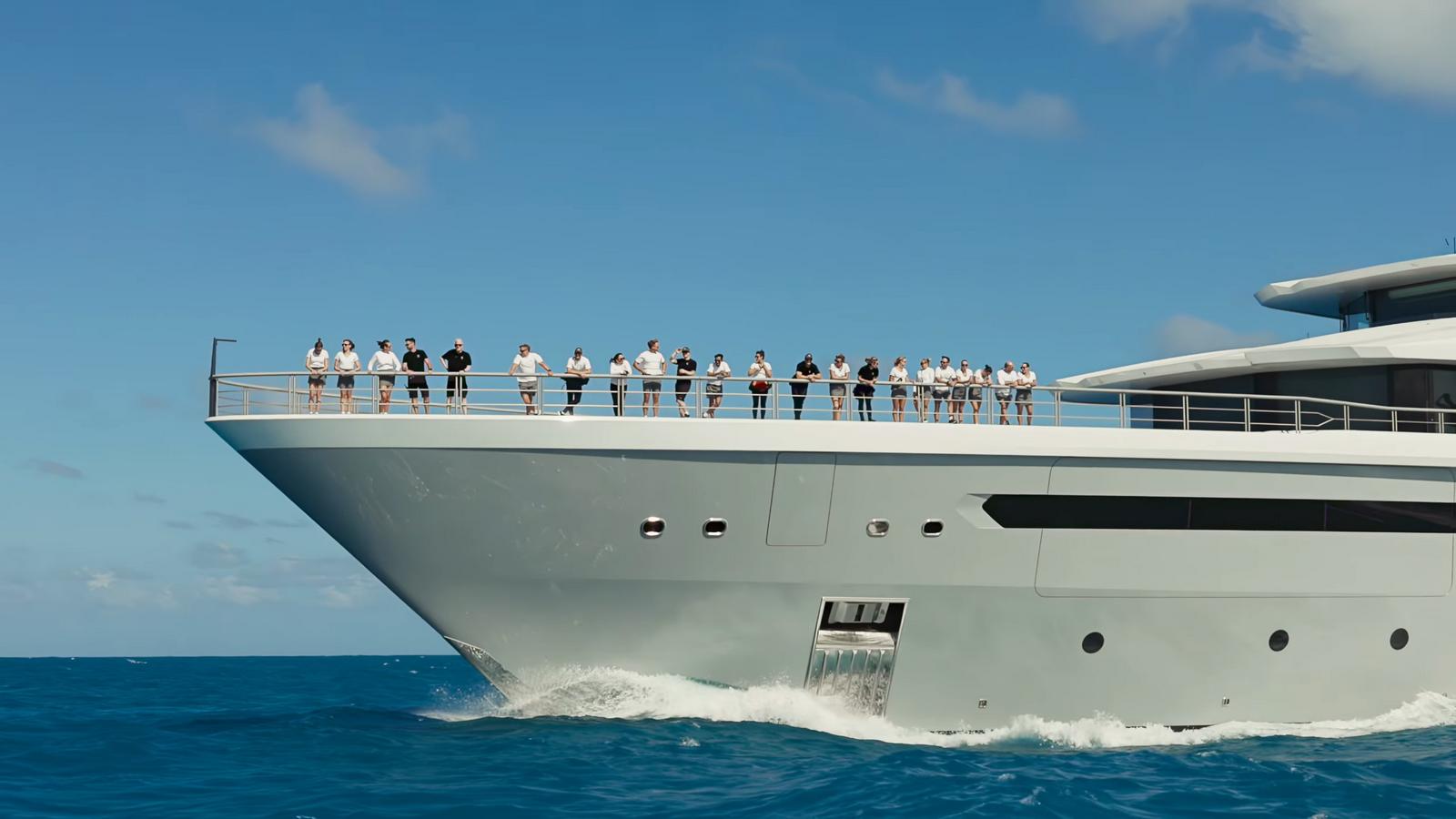
The yacht accommodates 12 guests and up to 43 crew, yet areas normally treated as prime guest real estate have been given over partly to the people working aboard. The bridge deck has a basketball hoop and a large games room, while the sundeck provides space for beer pong and a spa pool. The main deck contains a communal dining area for as many as 56 people rather than the conventional formal dining room, with the space designed for guests and crew to eat together. Even the enormous galley has a broader purpose, with specialist stations for different culinary tasks and enough capacity to function as a training ground for chefs.
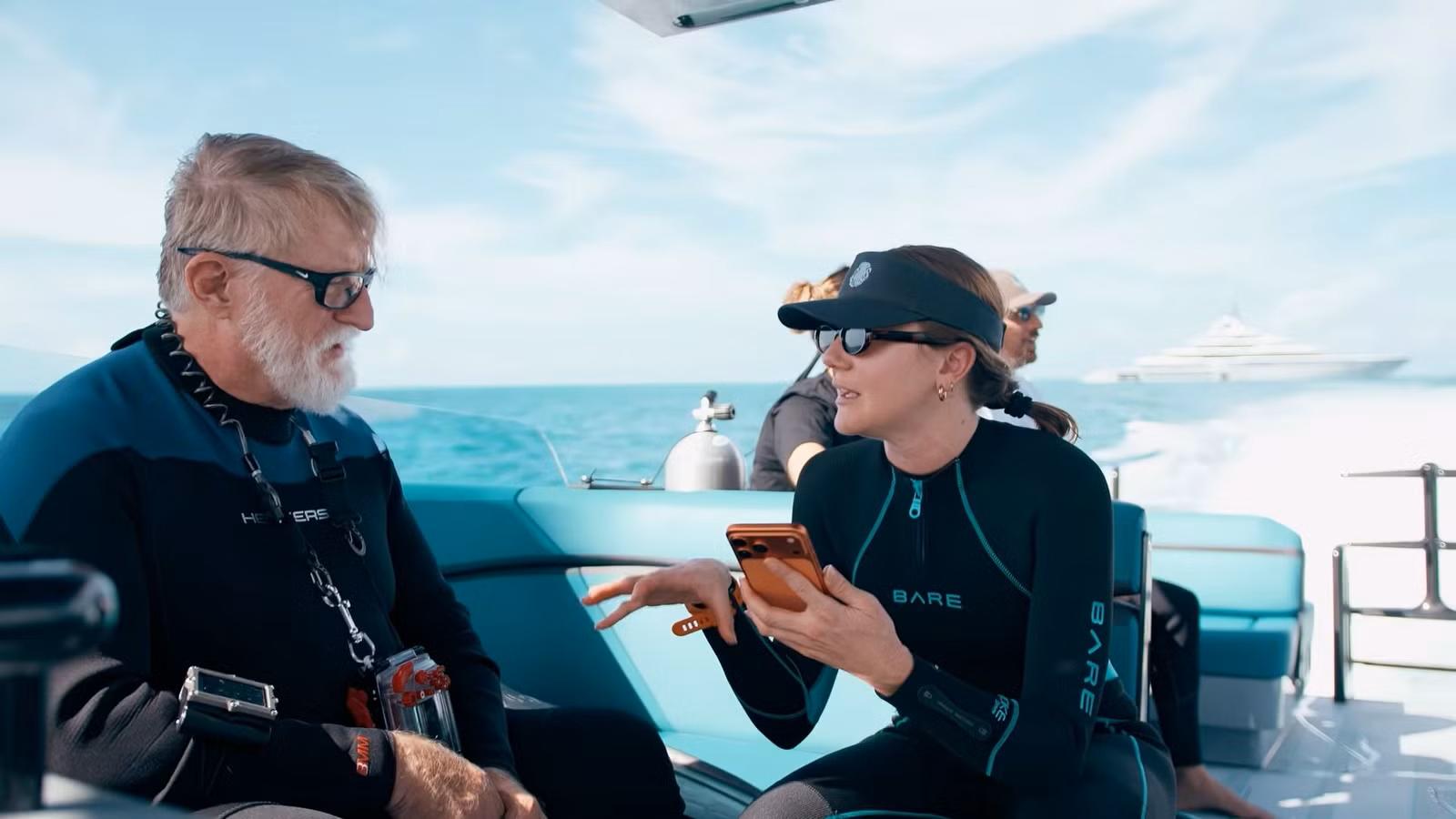
For Newell, this is not simply an exercise in making crew life more comfortable. His argument is that a highly skilled and productive crew should spend its time creating the experience guests actually value, rather than being consumed by low-value maintenance tasks. His thinking is summed up by a simple question: what matters more, having a crew member take a guest on a jet ski or having that person polish chrome? The answer reveals the practical side of his apparently egalitarian approach. By improving the crew’s working environment and involving them in decisions about it, he believes the yacht ultimately becomes better for everyone aboard.
A yacht designed around the way Newell lives
That helps explain why Leviathan feels less like a traditional superyacht and more like a private platform built around its owner’s obsessions. Newell, who became one of the most influential figures in gaming after co-founding Valve and helping establish Steam, now spends considerable time pursuing interests that extend into neuroscience, artificial intelligence, machine tooling and deep-ocean exploration.
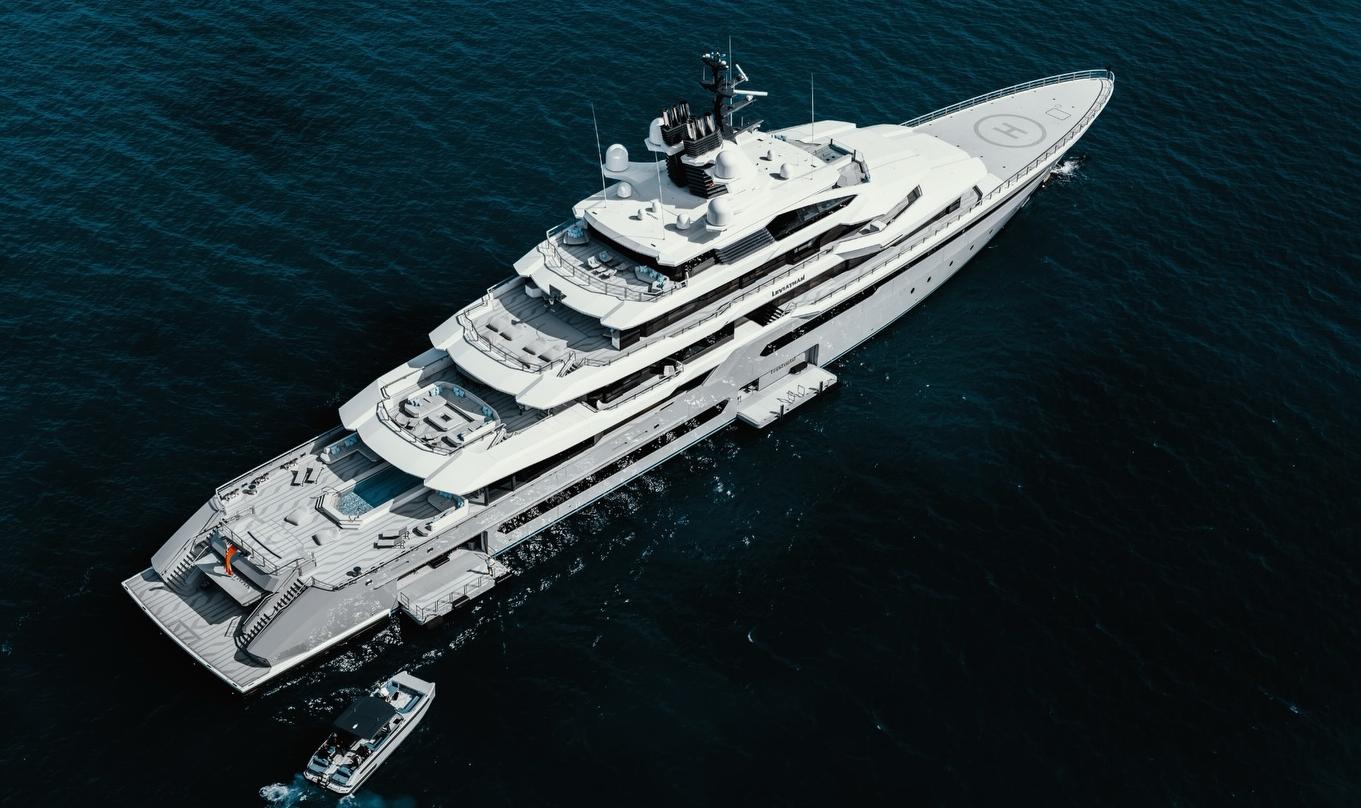
Through Inkfish, his ocean-exploration organization, he supports scientists working in the deep, while his yachts give him a practical base from which to pursue those interests. Leviathan consequently combines high-end hospitality with laboratories, diving equipment, advanced gaming technology and spaces for sound and video work.

The former beach club has been turned into a working dive and research area with a laboratory and 3D printer, while the traditional upper-deck saloon has disappeared altogether in favor of a high-tech games room equipped for virtual reality and holograms. A perfectly soundproofed room on the bottom deck can accommodate a drum set and is used for sound and video editing. The support vessel Draak has also been reshaped around the same philosophy, gaining a dedicated dive tender, decompression chamber, cranes and a chefs’ lab so that it can operate alongside the mothership.
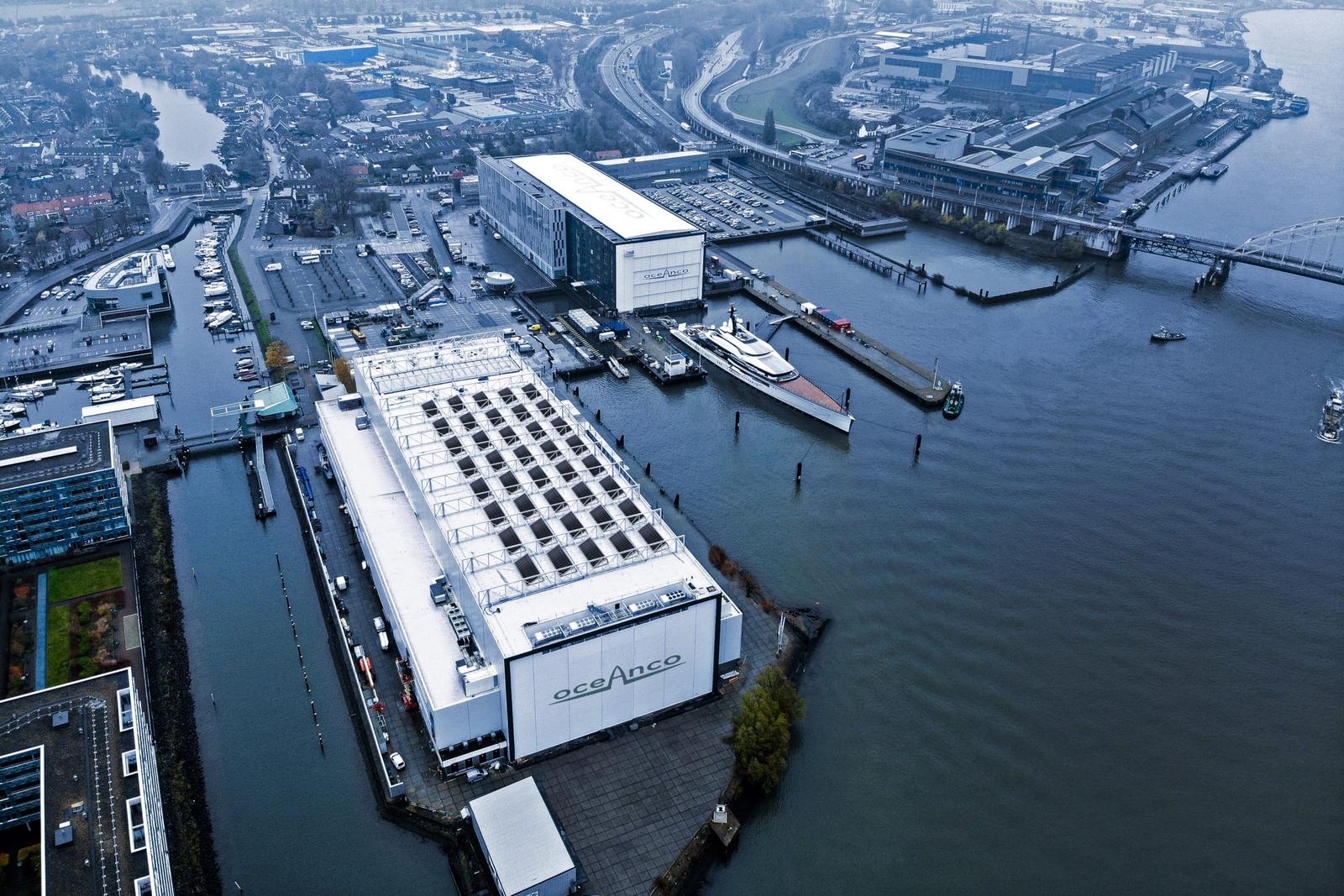
Newell’s relationship with Oceanco became so close during the process that he ultimately bought the shipyard. The acquisition was announced in August 2025, after he had already built and refitted two yachts there, and he has credited the people at the Dutch yard as a major reason for the decision. His relationship with CEO Marcel Onkenhout became particularly collaborative, leading Newell to joke that they had gone on a date and then decided to get married. It is an amusing line, but it also captures what makes Leviathan unusual. Newell is less interested in imposing a finished vision than in finding the right people and giving them room to improve it.

There is a quiet symmetry in the result. Windows 1.0 preserved 36 names that might otherwise have vanished behind the software, including the young developer Newell. Leviathan does the same thing with nearly 3,000 people, recognizing roughly 83 times as many contributors and placing their names directly in the path of every guest who enters the yacht. Newell has never explicitly said that the glass installation was inspired by the Windows Easter egg, so the connection should not be overstated. Yet forty years after Bill Gates accidentally uncovered his name in a hidden list of 36 young programmers, Newell has built a yacht where thousands of people are no longer hidden at all.