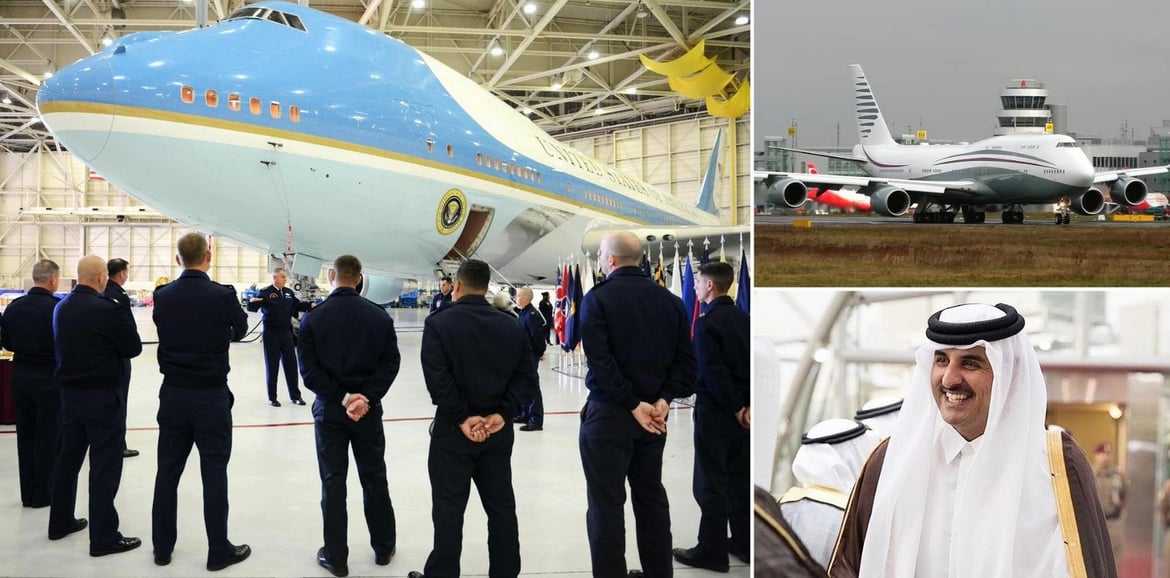
The United States government is preparing to convert a luxury jumbo jet, recently gifted by the State of Qatar, into a fully operational Air Force One in what officials describe as a record-setting timeframe. The aircraft, a Boeing 747 valued at approximately $400 million, was previously operated by the Qatari royal family and arrived in American hands under what the Pentagon has confirmed as an unconditional donation. A memorandum of understanding between defense officials from both nations outlined that the gift came without any requirement or condition related to prior or future acts of diplomacy.
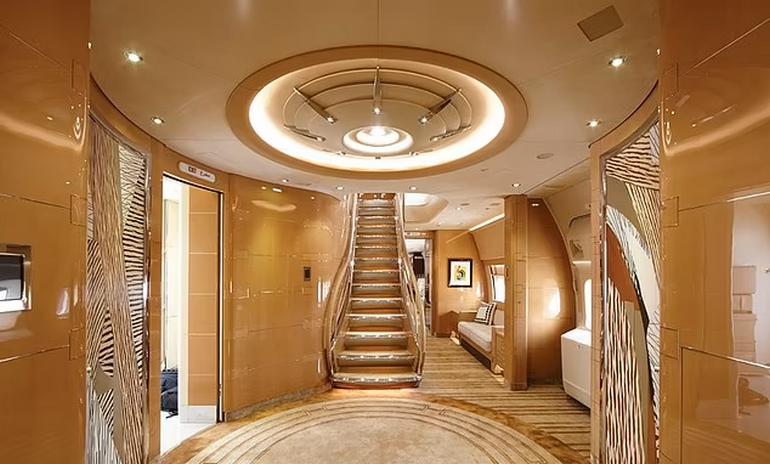
What will change inside –
Though the exterior of the aircraft still gleams with the high-end finishes of its former life, the transformation into the most secure and technologically advanced aircraft in the world will be anything but cosmetic. Every square inch of the interior must be stripped out. The current luxury configuration, complete with plush lounges, private suites, and ornate fixtures, will be removed to make way for the advanced communications systems, defense mechanisms, and infrastructure required of a presidential aircraft.
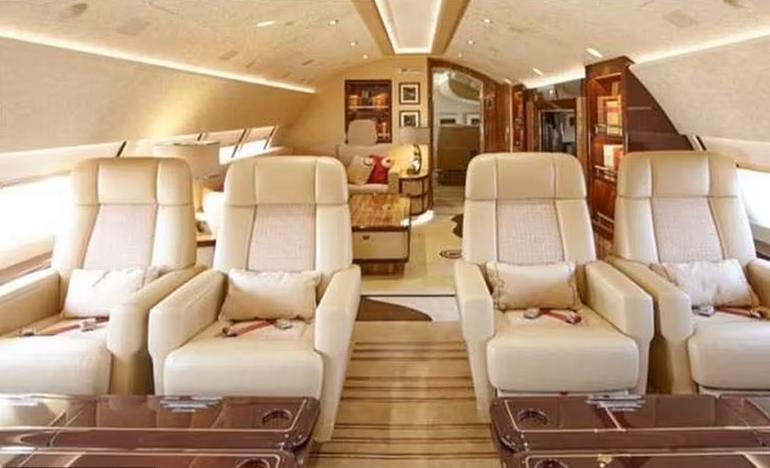
Engineers and military aviation teams will begin a full interior demolition in the coming weeks, clearing the way for the systems that will enable secure, global command and control from the sky.

The multi million dollar conversion –
The conversion process will include the installation of encrypted satellite communication systems, radar-jamming defenses, secure video conferencing infrastructure, and sophisticated avionics tailored specifically for head-of-state travel. The jet must also be restructured to support in-flight refueling, allowing it to remain airborne indefinitely if required during a national emergency.
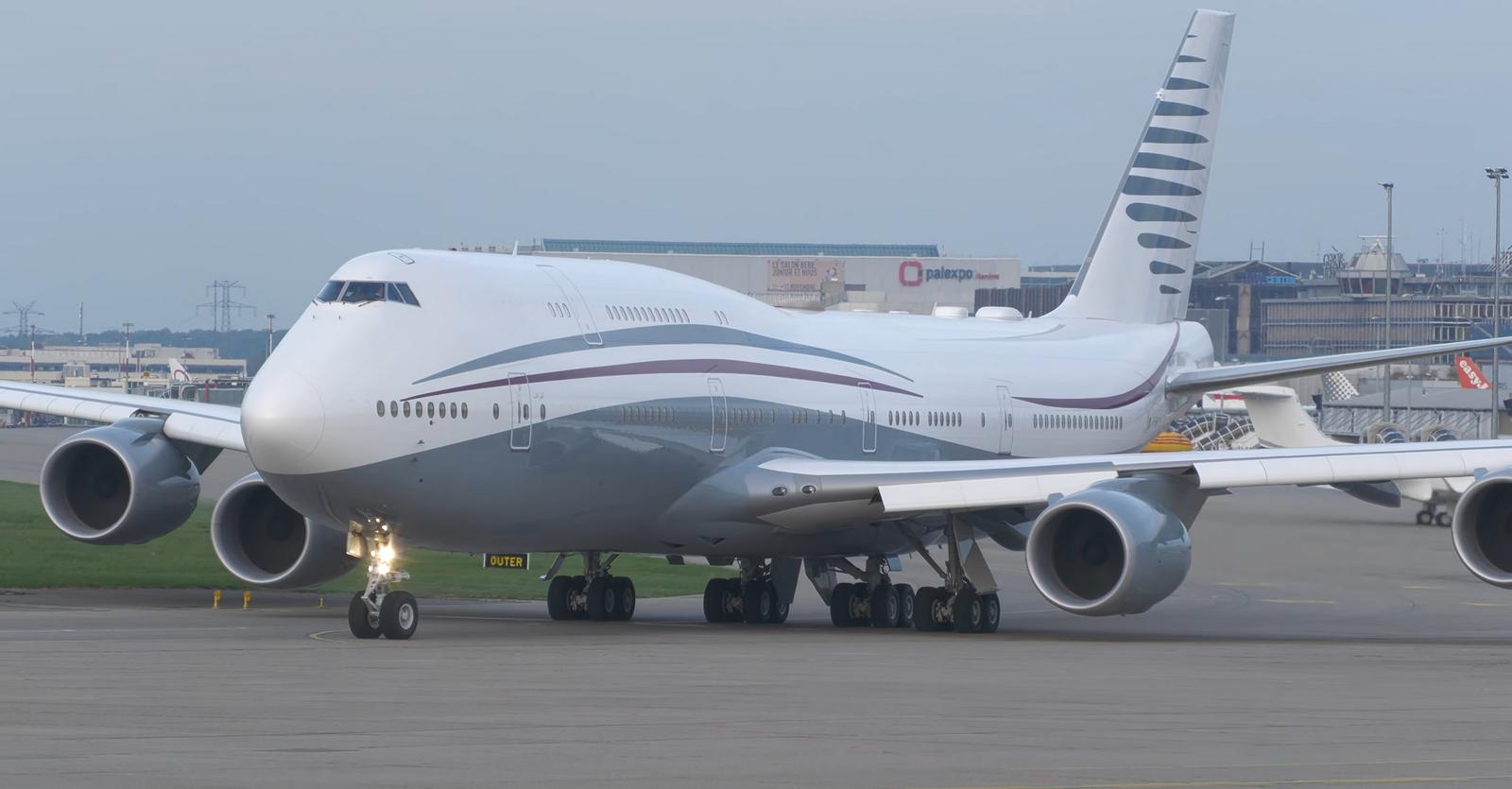
Additionally, the aircraft will be retrofitted with classified defensive capabilities designed to withstand potential missile or electronic warfare threats. These installations will be accompanied by reinforced shielding and secure data systems that are typically found only on advanced military aircraft.

Once the core structural and technological systems are installed, the jet will undergo an extensive series of ground and airborne tests. These will be conducted by the Air Force and contractors working under classified protocols to validate that all systems perform at or above operational standards. Every piece of new equipment will be subjected to stress simulations, redundancy trials, and cybersecurity assessments to ensure the aircraft is fully mission-capable in any global scenario. Aviation safety teams will also certify the structural integrity of the airframe after modification.

Why the Qatari 747 can fast‑track modernization
Despite being more than a decade old, the Qatari 747 is seen as a sound foundation for the conversion due to its low flight hours and pristine maintenance record. Defense analysts note that adapting an existing airframe may significantly accelerate the timeline when compared to waiting for newly manufactured jets.

The existing Air Force One aircraft, which have been in service for more than 30 years, face increasing challenges related to maintenance and sourcing obsolete parts. With previous upgrade programs delayed by supply chain setbacks and technical overruns, the gifted jet presents an opportunity to fast-track modernization.

Early projections suggest that the full conversion and testing process could cost between several hundred million dollars and over a billion, depending on the complexity of requested features and unanticipated engineering challenges. While final timelines remain classified, President Trump suggested the new aircraft could be operational as early as February 2026, as reported by USA Today.

The jet will be assigned to the Presidential Airlift Group, a division of the United States Air Force tasked with operating and maintaining aircraft designated for transporting the president. Once completed, the refitted aircraft will carry the Air Force One call sign whenever the commander-in-chief is aboard, fulfilling both a symbolic and strategic role in the continuity of government.

Plans are already being drawn up for the eventual long-term fate of the aircraft after its service concludes. Officials have indicated that the plane will ultimately be preserved as a historical asset, likely transferred to a future presidential library or museum installation where its dual legacy as a foreign diplomatic gift and a symbol of American mobility will be documented for generations to come.