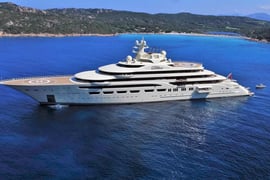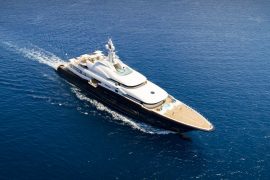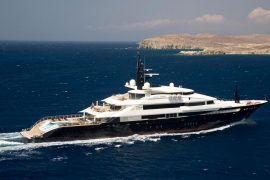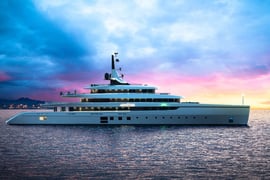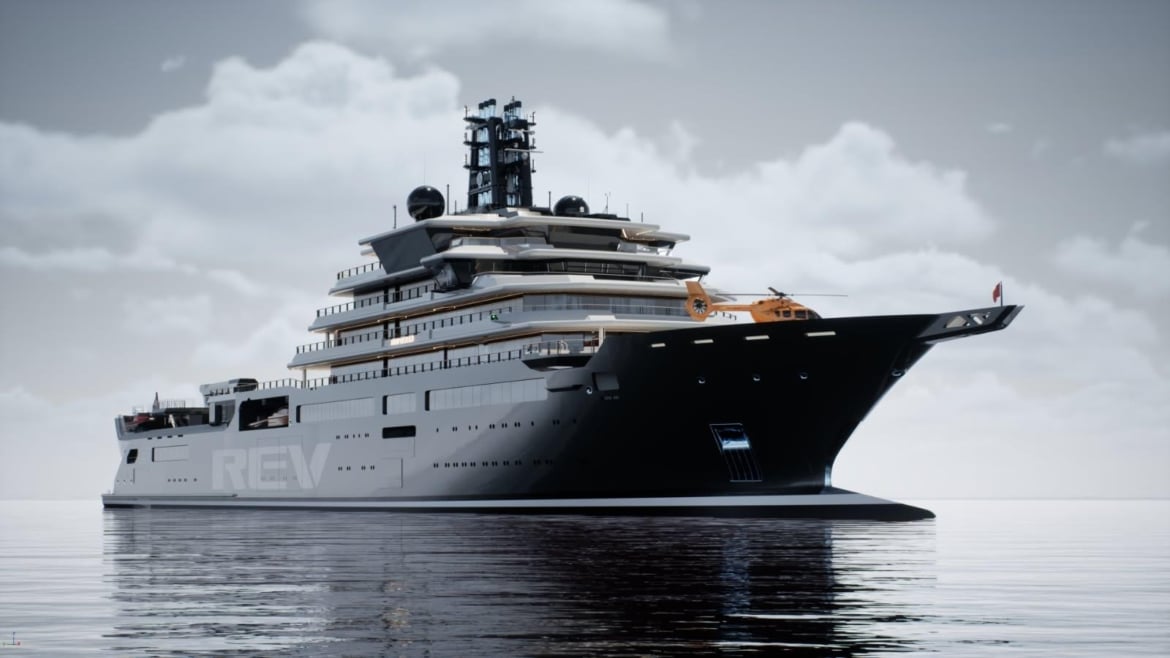
The world’s largest superyacht is preparing to embark on a mission unlike anything the yachting industry has seen before. Stretching nearly 640 feet in length, REV Ocean is not being readied for a glamorous Mediterranean season or a record-breaking voyage for its billionaire owner. Instead, the giant vessel will sail with teams of scientists, marine biologists, conservation experts, policymakers and researchers onboard as part of an ambitious effort to expand humanity’s understanding of the oceans and support future conservation initiatives across multiple continents. At nearly 640 feet, REV Ocean is almost as long as Mark Zuckerberg’s 387-foot Launchpad and his 262-foot support vessel Wingman combined.

As preparations continue for the vessel’s long-awaited operational debut, Florida International University research assistant professor Mark Bond has been selected as a lead scientist for one of the flagship expeditions that will form part of REV Ocean’s maiden science program. According to FIU News, Bond will oversee the Heart of the Caribbean expedition, a mission designed to gather critical data from one of the least explored marine regions in the Caribbean and help support plans for what could become the Atlantic Ocean’s first multinational marine protected area.
A maiden voyage unlike any other
Despite frequent references to a “maiden voyage,” REV Ocean’s entry into service will not be defined by a single ceremonial sailing. Instead, the vessel’s first operational phase will take the form of an 18-month scientific campaign running from approximately May 2027 through September 2028. The program will feature 10 partner-led missions spanning the South Atlantic, Caribbean, and Eastern Tropical Pacific, bringing together researchers and institutions from around the world.
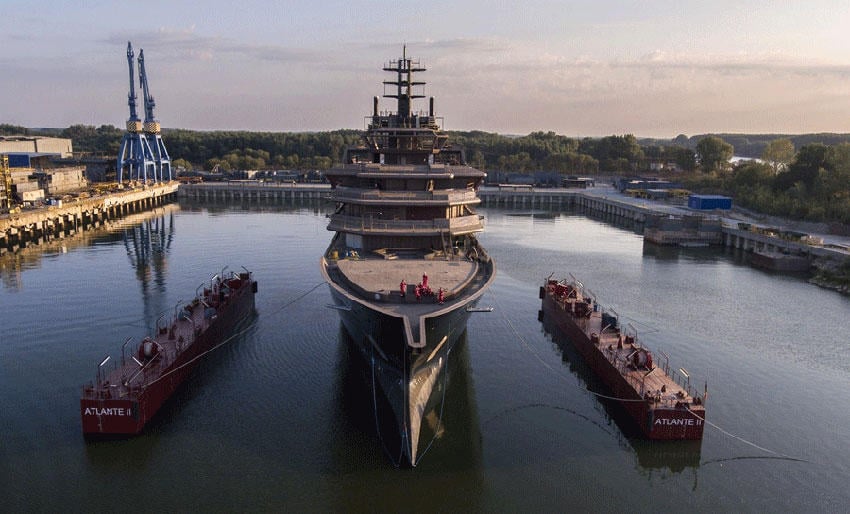
The vessel’s official public launch is expected to take place in Rio de Janeiro during the UN Ocean Decade Conference in April 2027, with Brazil serving as the opening chapter of its scientific journey. Early expeditions will focus on the Vitória-Trindade Chain and other seamount systems off the Brazilian coast before the vessel moves on to missions elsewhere in the Atlantic and Caribbean.

Bond’s Heart of the Caribbean expedition is scheduled for May and June 2028 and will investigate deep-sea ecosystems, biodiversity, oceanographic processes and ecological connectivity. Researchers plan to study sharks and rays, marine mammals, sea turtles, seabirds and deep-sea communities while also collecting environmental DNA and habitat mapping data. The findings are expected to play a key role in marine spatial planning and conservation efforts throughout the region.

What sets the program apart is its emphasis on policy outcomes. Rather than conducting research solely for academic purposes, the missions are designed to generate scientific evidence that can support marine protected areas, biodiversity conservation initiatives and broader ocean management strategies. Each expedition will be followed by stakeholder meetings involving scientists, government representatives and conservation organizations to help accelerate the transition from scientific discovery to policy action.

The superyacht that became a research platform
REV Ocean’s immense size naturally attracts attention. Measuring approximately 195 meters (about 639 feet), it has surpassed the 590-foot Azzam to become the longest superyacht ever built. Yet the vessel’s significance extends far beyond its dimensions.
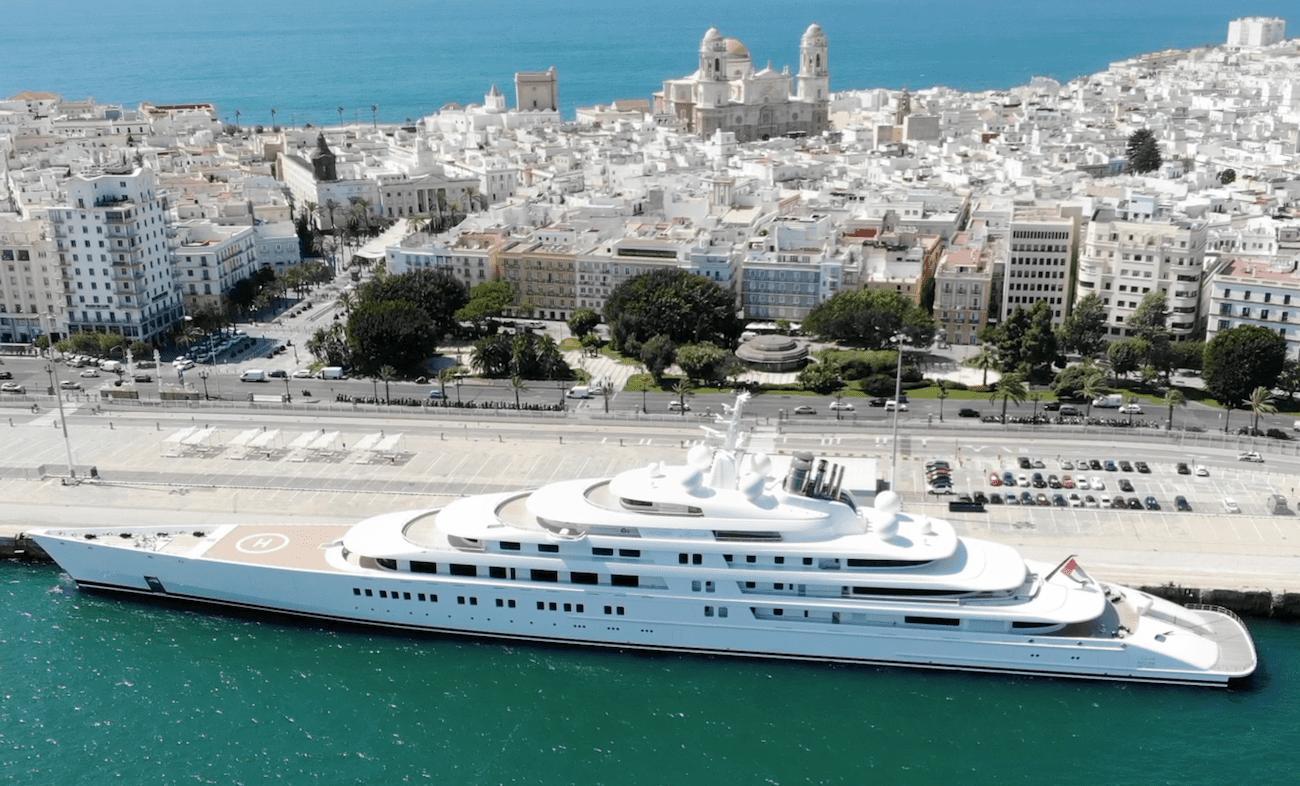
Designed by renowned yacht designer Espen Øino, REV Ocean occupies a category almost entirely of its own. It combines elements of a luxury explorer yacht, a deep-ocean research ship, a floating conference center, and a media production platform. The vessel was conceived from the outset as a scientific tool rather than a traditional private yacht.
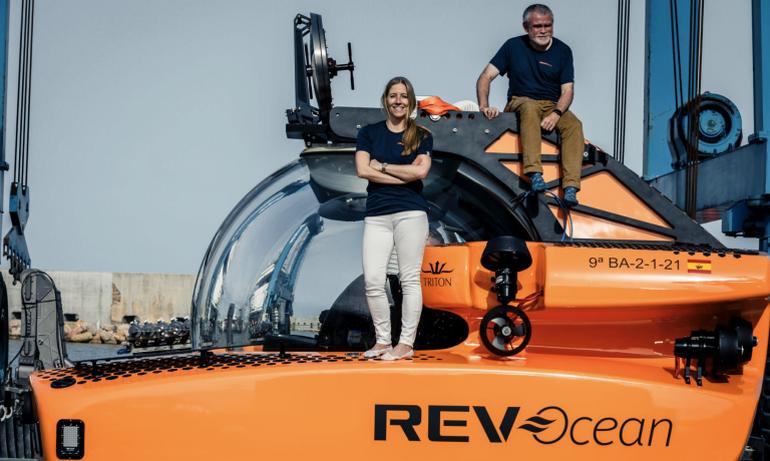
Its capabilities reflect that ambition. The ship houses nine scientific laboratories, advanced oceanographic equipment, a moonpool deployment system, remotely operated vehicles capable of reaching depths of 6,000 meters, and the DSV Aurelia submersible, which can descend to approximately 2,300 meters. The vessel is also equipped with multibeam mapping systems capable of surveying ocean depths approaching 11,000 meters.

Additional facilities include a submarine hangar, containerized research spaces, a media studio, a robotics laboratory, and a 3D-printing workshop that allows engineers and researchers to manufacture specialized components while at sea. Hybrid diesel-electric propulsion and a large lithium-ion battery system further enhance efficiency while reducing underwater noise, enabling scientists to conduct sensitive acoustic research with minimal disturbance to marine life.

Years in the making
REV Ocean’s path to completion has been far longer and more complex than most yacht projects. Originally expected to enter service years ago, the vessel underwent extensive redesigns and engineering modifications during construction. The ship was lengthened by roughly 12 meters, and parts of the superstructure were rebuilt to accommodate expanded scientific facilities and operational requirements.

Those changes transformed the project from an exceptionally large explorer yacht into one of the most advanced privately owned ocean research platforms ever created. While exact costs remain difficult to verify, estimates have historically placed the project between $350 million and $500 million, making it one of the most expensive vessels of its kind.

The driving force behind the project is Norwegian billionaire Kjell Inge Røkke, whose fortune was built through investments in the fishing, offshore and energy industries, has long maintained a close connection to the oceans. His vision for REV Ocean extends beyond yacht ownership. Through the REV Ocean initiative, Røkke has sought to create a platform capable of supporting scientific research, education, conservation, and public engagement on a global scale. Revenue generated through limited charter operations is expected to help fund the vessel’s broader philanthropic mission.

As REV Ocean nears its long-awaited debut, the selection of the lead scientist underscores the vessel’s true purpose. While its size may earn headlines, its legacy will likely be determined not by its place in the superyacht rankings but by the discoveries, partnerships, and conservation efforts it helps advance in some of the world’s least-understood marine environments.