
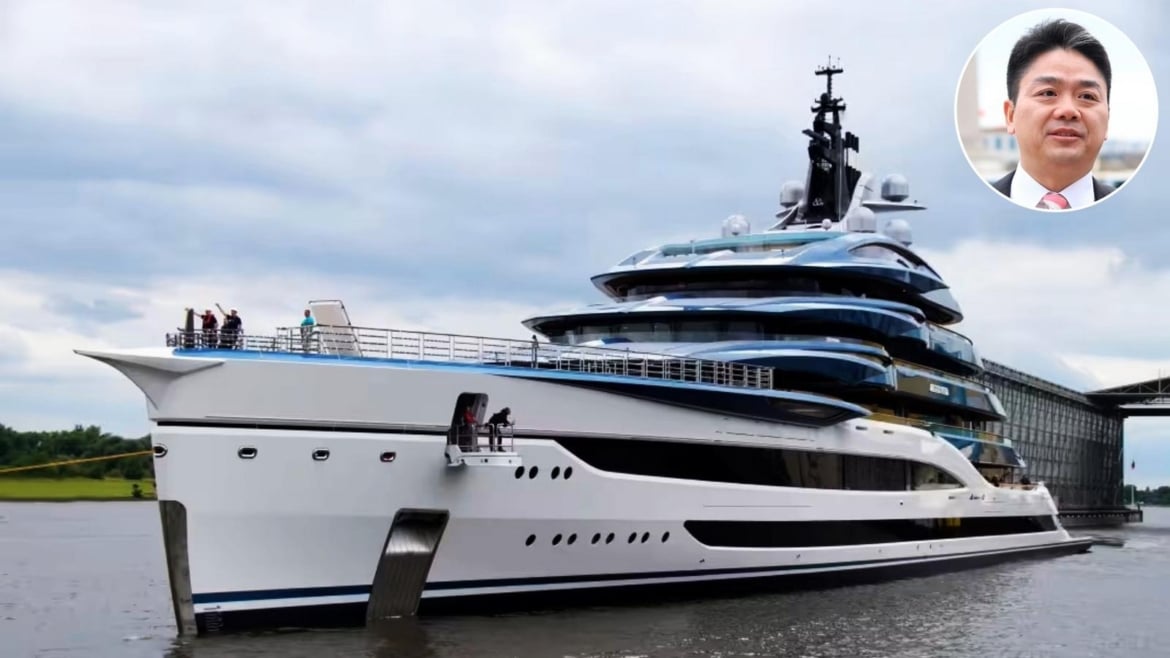
Chinese billionaire Richard Liu is about to attempt something that sounds closer to a Silicon Valley product launch than a marina unveiling. The founder of JD.com, long compared to Jeff Bezos for his obsession with logistics and infrastructure, says he wants to sell yachts for about 100,000 yuan (about $14,500), roughly the price of a modest Toyota sedan in China. In a country where yachts still signal elite status, Liu is proposing to treat them like family cars.
He has launched a new independent nautical brand called Sea Expandary, structured outside JD.com and backed with a personal commitment of 5 billion yuan (about $730 million), according to a report by SCMP. The project is anchored in China’s Greater Bay Area, with a manufacturing base planned in Zhuhai and a headquarters in Shenzhen’s Qianhai district. Agreements have already been signed with local authorities, laying the groundwork for what Liu describes as a full industrial chain rather than a boutique boatyard.

Turning yachts into consumer products
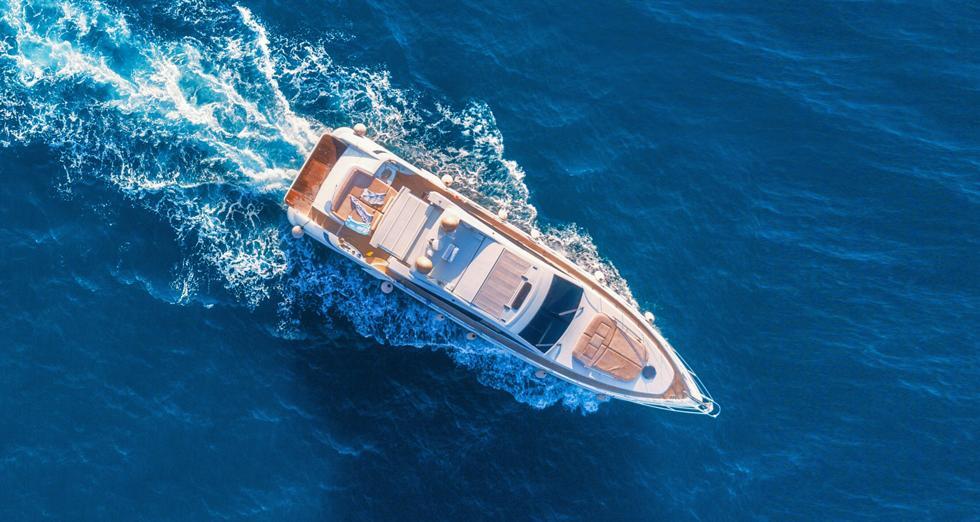
The headline number is what stops people in their tracks. Liu says he hopes to one day build yachts priced at 100,000 yuan ($14,000) so that they can enter households the way cars did. The price point is far from the multimillion-dollar price tags that define traditional yacht ownership.

Sea Expandary is being designed as a vertically integrated ecosystem. It will span research and development, manufacturing, sales, leasing, brokerage, after-sales servicing, and even marina operations. Plans have been floated for three marinas in Shenzhen and three in Zhuhai, alongside service hubs and bonded maintenance facilities. The strategy echoes the JD playbook. Instead of simply selling boats, Liu appears intent on owning the infrastructure that makes boat ownership practical.

There is also a technological layer to the ambition. Liu has described the core products as fully green yachts aimed at ordinary families. Reporting around the launch points to electric and hybrid propulsion, along with the integration of battery systems, AI, and robotics expertise sourced from Shenzhen’s dense supplier base. The pitch is not about stripping yachts down to bare fiberglass shells. It is about applying the EV revolution to the water and compressing costs through scale and supply chain control.

At the same time, Sea Expandary is not limiting itself to entry-level craft. Industry coverage suggests the company has already secured orders for five 72-meter twin hull superyachts from overseas clients. That hints at a two-tier model. Large halo vessels establish credibility and showcase engineering capabilities, while smaller family-oriented boats aim for volume.

From Deep Blue to the greater Bay Area
The mass market rhetoric lands differently when placed next to Liu’s own fleet. He is widely linked to the superyacht Alnanha, formerly known as Project Deep Blue, a 440-foot (134-meter) superyacht built by the German shipyard Lurssen and delivered in 2025. With an estimated value of around $450 million and a volume of around 9,000 gross tons, it is believed to be the largest superyacht delivered last year. The vessel features diesel electric propulsion, expansive exterior decks, a beach club, and a heli-capable foredeck. It is the kind of statement asset that signals entry into the highest tier of global wealth.

The contrast is striking. On one side sits a floating palace that stretches longer than a football field. On the other is a promise of boats priced like compact sedans. Yet the logic is consistent. China already dominates global commercial shipbuilding, but its yacht industry remains fragmented and small by comparison. By building marinas, service networks, and a manufacturing base in tandem, Liu is attempting to industrialize leisure the way he once industrialized e-commerce logistics.

That instinct can be traced back to his own story. Born in rural Jiangsu province, Liu left for university in 1992 with 500 yuan and 76 eggs donated by villagers who pooled their savings. He later built JD.com from a tiny electronics stall into one of China’s largest retailers after pivoting online during the SARS outbreak. Today, his net worth stands in the billions, yet he still returns home each Lunar New Year to distribute cash and winter supplies to elderly residents.

Selling yachts for the price of a Toyota may sound improbable. For Richard Liu, it is another attempt to take an industry defined by exclusivity and rebuild it around infrastructure, scale, and access.