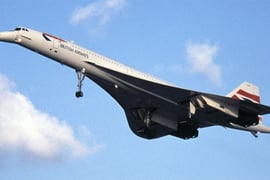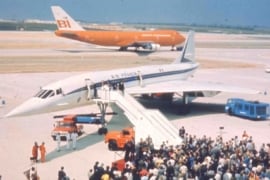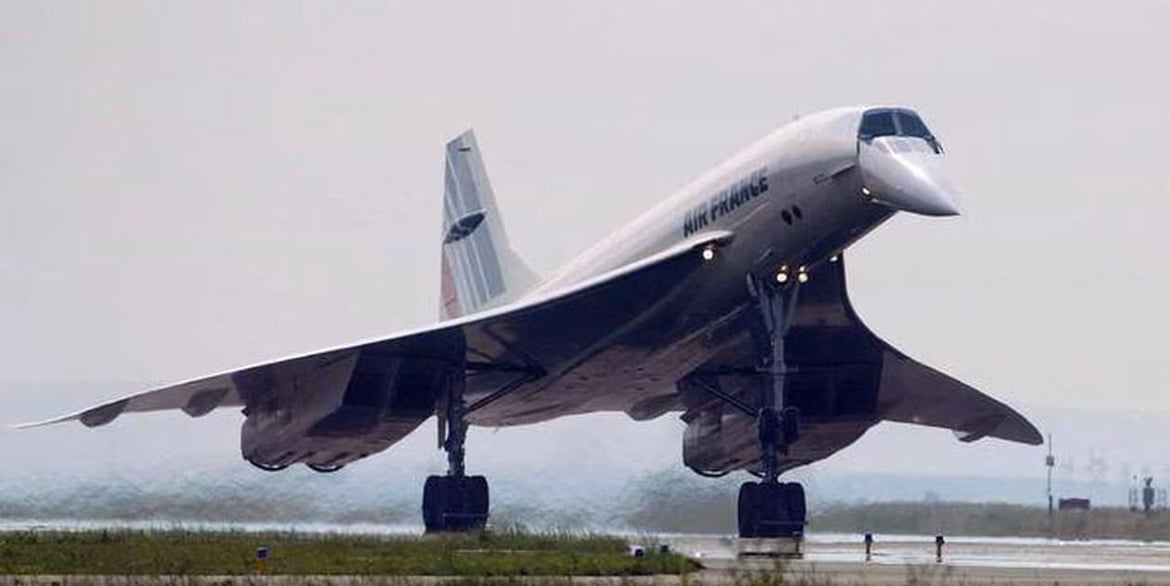
There was a brief, decadent moment in aviation history when speed itself became a form of celebration. Not faster connections, not tighter schedules, but speed as theater. On one New Year’s Eve in the winter of 1976, the Concorde moved so quickly through the sky that a small group of wealthy passengers managed to greet the same year three separate times. Midnight in Paris. Midnight again over the Atlantic. Midnight once more in Washington D.C. It was aviation’s most elegant party trick, and it could only have happened aboard Concorde.

The event was called “Encore III – An Extraordinary Voyage Through Time,” a name that leaned unapologetically into science fiction, as pointed out by a report by the Washington Post. Marketed by a New York outfit called Encore Marketing Company, the package was built around a simple but audacious promise: celebrate New Year’s Eve three times by using Concorde’s speed to outrun the planet’s own rotation. This was not a charter for executives rushing to close deals. It was a luxury experience designed to let people play with time itself.
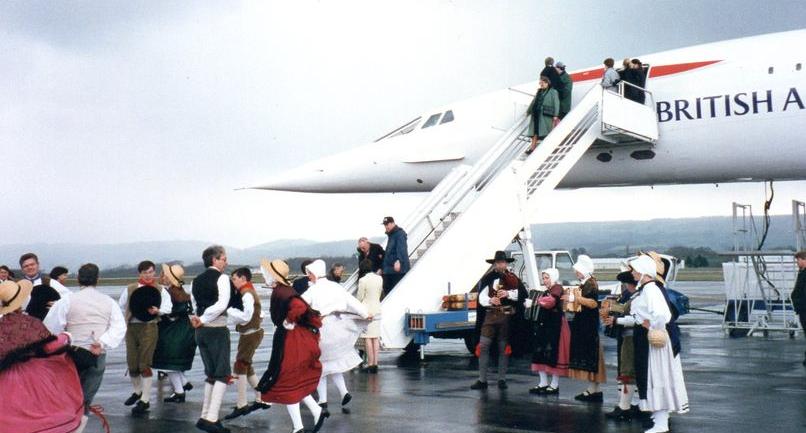
The target audience was obvious. Concorde typically seated around 100 passengers, and Encore III was structured for roughly that number. These were people willing to pay for novelty, symbolism, and bragging rights. The advertised price was $4,850 per person in 1976, which works out to roughly $27,500 today. For that, guests received flights, hotel rooms, limousine transfers, meals, and something no money could usually buy: the ability to bend the calendar.

The itinerary unfolded like a progressive dinner staged across continents. Guests first flew from the United States to Paris and checked into the Inter-Continental. There was sightseeing, though not everyone bothered. Some stayed in their rooms because it was raining, which somehow made the whole thing more believable. This was not a glossy postcard fantasy. It was wealthy people killing time before attempting to outpace it.

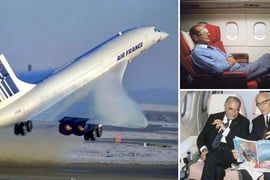
The first midnight arrived in Paris. A formal New Year’s Eve dinner began at the hotel, with champagne flowing freely. Then, before the night could fully settle in, the group was whisked to the airport. Concorde waited on the tarmac, white and impossibly slender, already radiating the promise that ordinary rules were about to be suspended.

The second midnight happened in the air. As the aircraft surged westward at Mach 2, the dinner continued on board. The second course was served at supersonic speed while the jet chased darkness across the Atlantic. This was the core of the stunt. Concorde was fast enough, for long enough, to move backward through local time. Flying west at roughly 1,330 miles per hour while the Earth rotated eastward beneath it, the aircraft effectively erased time zones faster than the clocks could advance. Every thirty-five or forty minutes, another slice of time was undone.

After roughly three and a half hours, the aircraft descended into Washington Dulles. By local clocks, it was still New Year’s Eve. Limousines collected the passengers and carried them not to a hotel or terminal, but to the French Embassy. There, the third midnight awaited. Dessert was served. Cheese trays appeared. Strawberries with whipped cream finished the same meal that had begun hours earlier in Paris and continued over the Atlantic at twice the speed of sound. The French ambassador and his wife hosted the gathering, greeting the travelers like dignitaries who had just returned from a successful experiment.
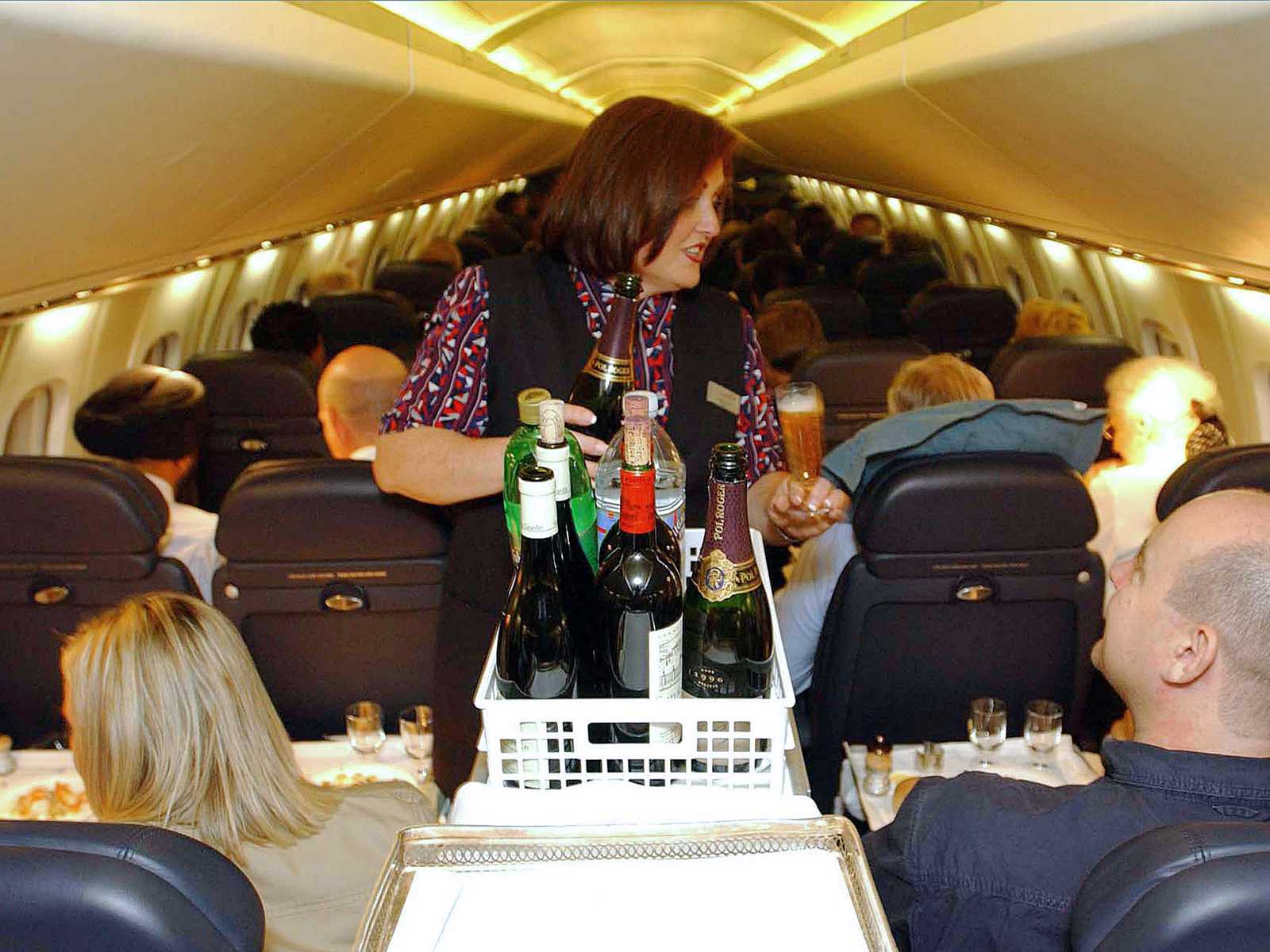
The mood by this point was predictably euphoric. Guests spoke of champagne consumed since Christmas, of exhaustion mixed with delight. One passenger captured the absurd ambition of it all perfectly: how could you top this unless you went to the moon? Another declared he would never travel any other way. The Concorde had stopped being transportation and become a machine for manufacturing memories.

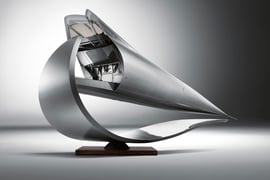
What made the night possible was not magic but engineering. Concorde’s Olympus 593 engines, with their distinctive intakes and controlled afterburning, allowed the aircraft to accelerate quickly to Mach 2 and then sustain that speed for nearly three hours at 55,000 to 60,000 feet. A normal airliner simply could not do this. At Concorde’s cruising speed, three and a half hours of flight covered more than six hours of time zones when flying west. That mathematical imbalance is what allowed midnight to repeat.

Yet even at the time, there was an undercurrent of irony. Concorde had been sold to the world as a tool for serious business, for people whose minutes were worth fortunes. On this night, it was openly embraced as something else entirely. A great, expensive mechanical toy. A way to toast the same moment again and again simply because it was possible.
For a few hours between Paris and Washington, Concorde did exactly what its creators promised. It defied time. Not to make the world more efficient, but to make one unforgettable night feel infinite.