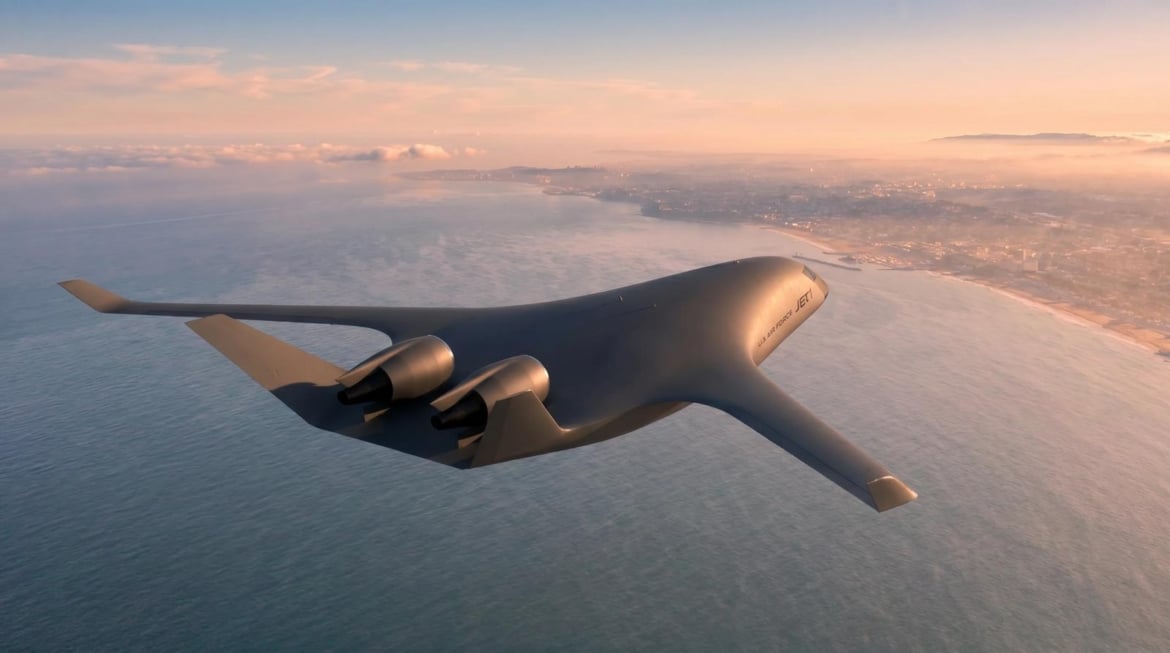
The race to build the next generation of commercial airliners has long been dominated by incremental improvements, with manufacturers squeezing more efficiency from familiar tube-and-wing designs. However, California startup JetZero believes the industry’s biggest breakthrough will come not from new fuels or radical propulsion systems, but by reimagining the airplane itself. Its blended-wing-body concept merges the fuselage and wings into a single lifting surface, promising an aircraft that looks unlike any modern airliner while delivering meaningful gains in efficiency, passenger comfort, and sustainability.
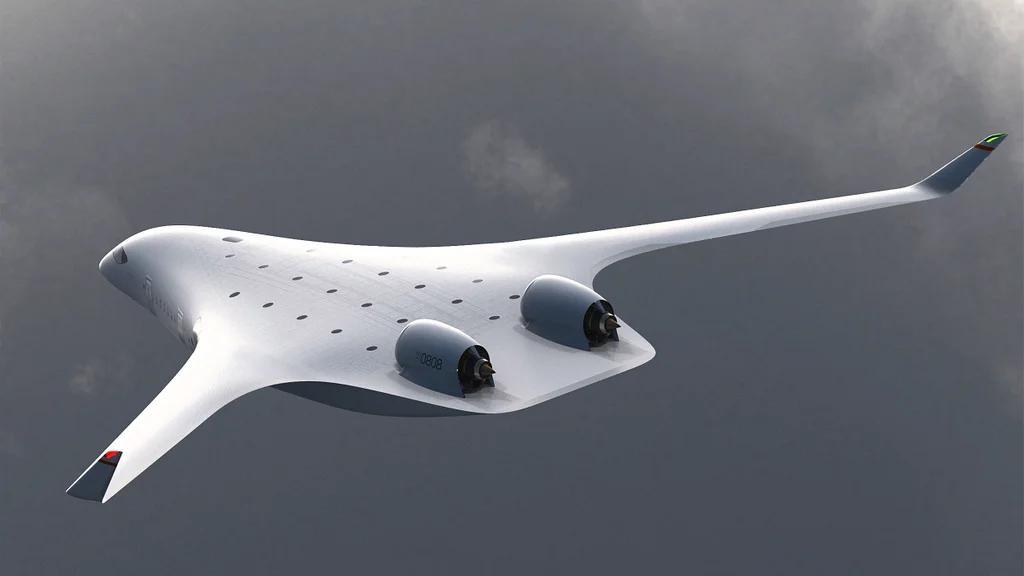
The company is now assembling Jet1, a full-scale demonstrator inside Scaled Composites’ hangar in California’s Mojave Desert, with a first flight targeted for late 2027, as per a report by Reuters. Backed by a $235 million US Air Force program, the aircraft is intended to prove whether the blended-wing-body design can achieve the lower drag and improved lift that JetZero says could reduce fuel consumption by up to 50% per passenger mile, a figure that will ultimately need to be validated through flight testing.
A new approach to commercial aviation
Unlike many futuristic aviation projects centered on hydrogen, batteries, or hybrid propulsion, JetZero is relying on conventional jet engines paired with a radically different airframe. By turning almost the entire aircraft into a lifting surface, the design generates less aerodynamic drag, allowing it to cruise using less thrust and therefore less fuel than today’s conventional airliners.
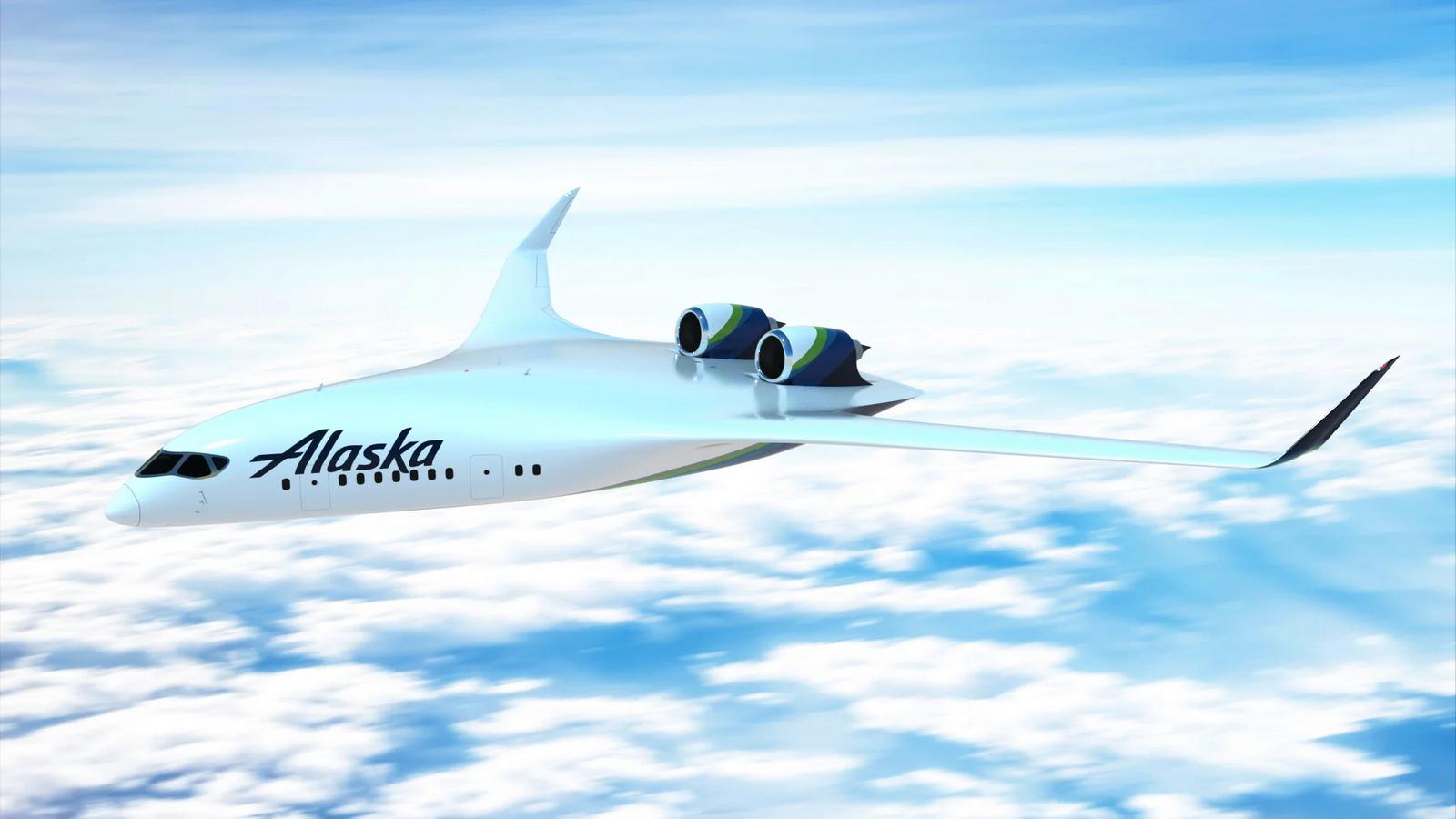
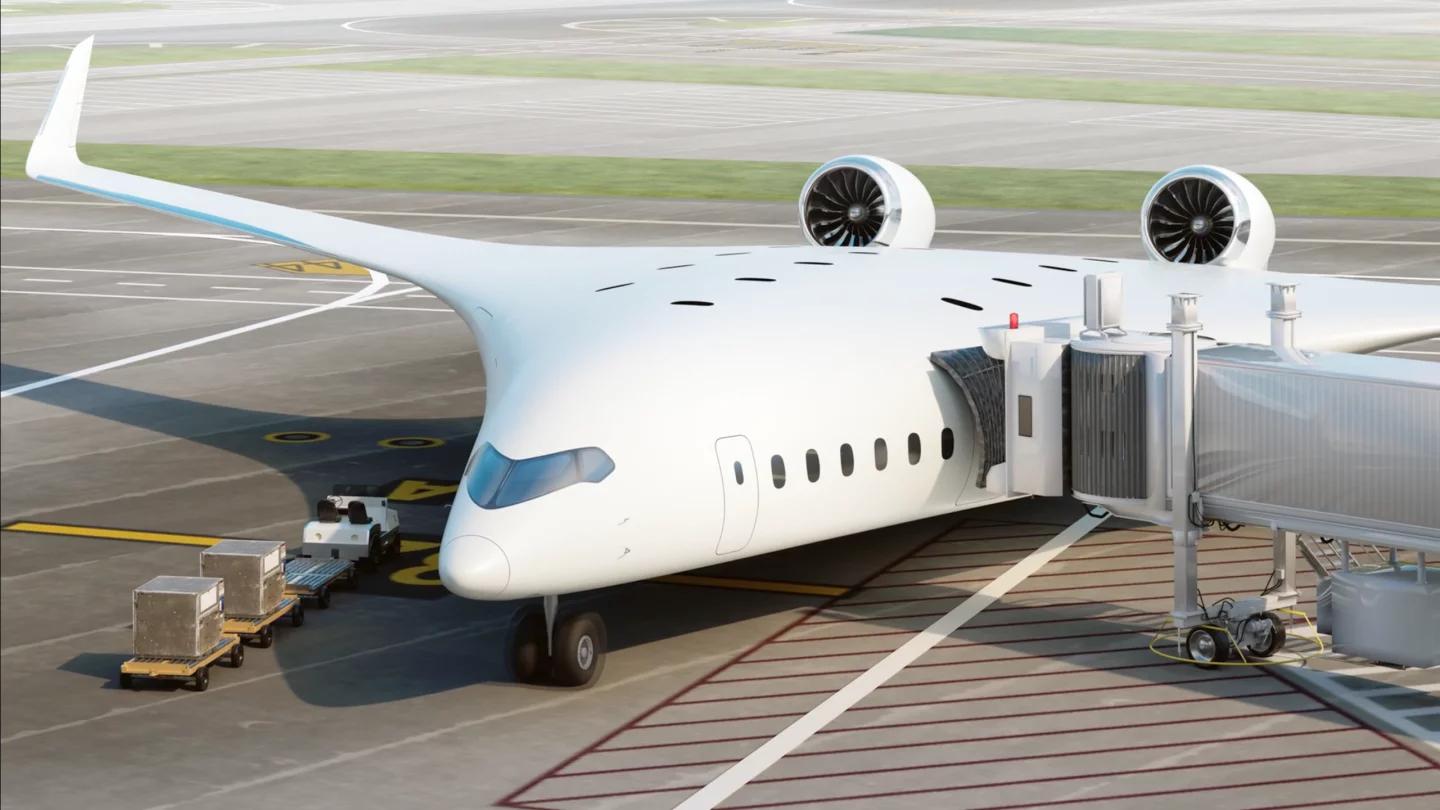
The production aircraft, known as the Z4, is aimed squarely at the mid-market segment once served by the Boeing 757 and 767. Designed to carry around 250 passengers over routes of approximately 5,000 nautical miles at Mach 0.8, the aircraft is intended to offer airlines long-range capability without requiring entirely new airport infrastructure. JetZero says it will fit existing gates, runways, and jet bridges, removing one of the biggest barriers that often accompanies revolutionary aircraft concepts.
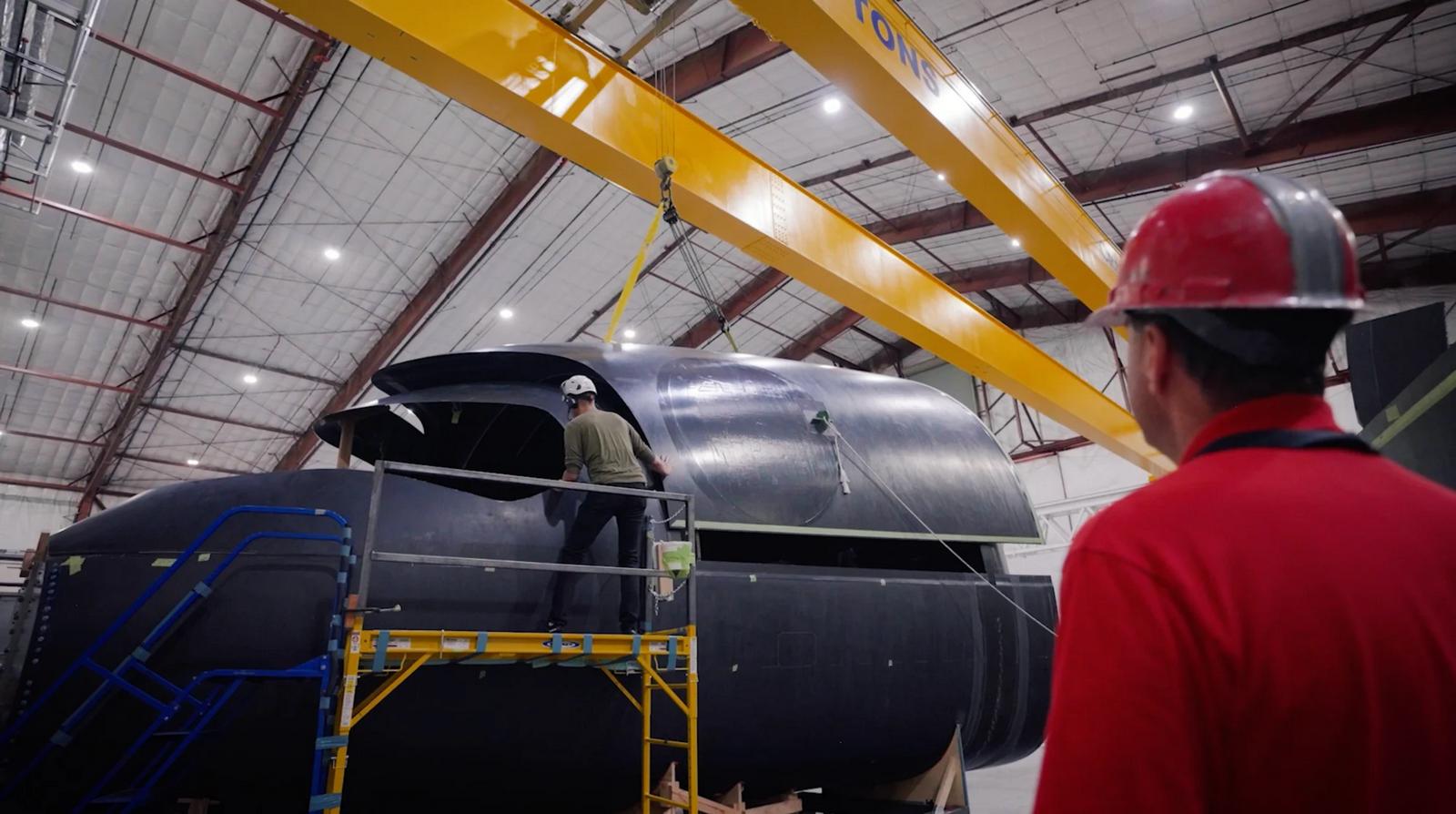
Confidence in the project extends beyond government support. The startup has already attracted investment and interest from United Airlines and Alaska Airlines, both of which see potential in an aircraft that could significantly lower operating costs while helping airlines reduce emissions. That industry backing reflects growing confidence that blended-wing-body technology deserves serious consideration after decades of remaining largely within research laboratories.
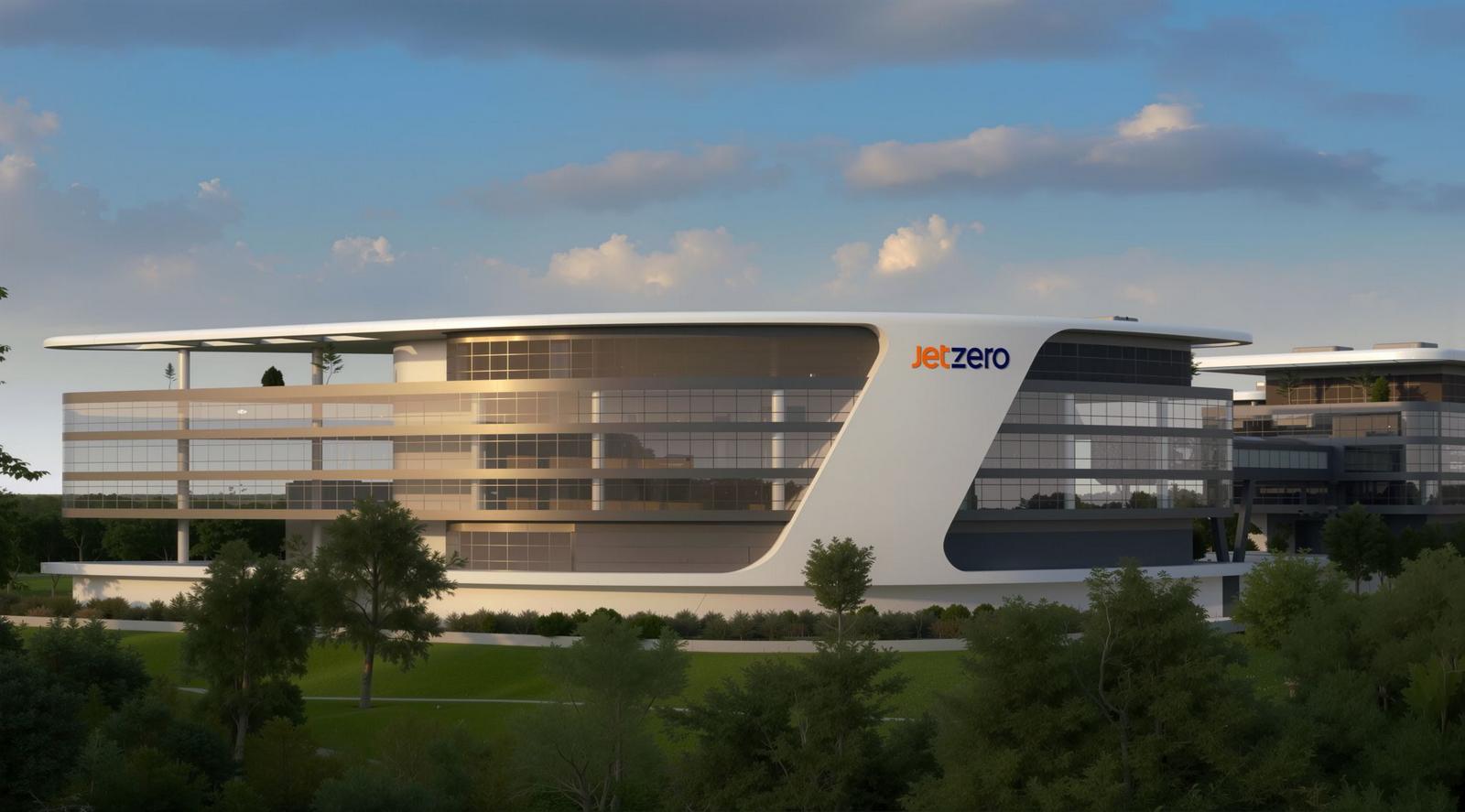
JetZero is also preparing for the future beyond its demonstrator. In June 2026, the company broke ground on its first manufacturing campus at Piedmont Triad International Airport in Greensboro, North Carolina. Spanning roughly 8 million square feet, the facility underscores JetZero’s ambition to evolve from an experimental startup into a full-scale aircraft manufacturer.

Rethinking the passenger experience
The aircraft’s unconventional exterior also transforms what passengers experience inside. Rather than a long, narrow cabin, the blended-wing-body creates an expansive interior that can be divided into multiple configurable zones. Airlines could choose from premium suites, spacious business-class cabins, lounges, or a variety of economy layouts while benefiting from four aisles that make boarding, movement, and cabin service more efficient.
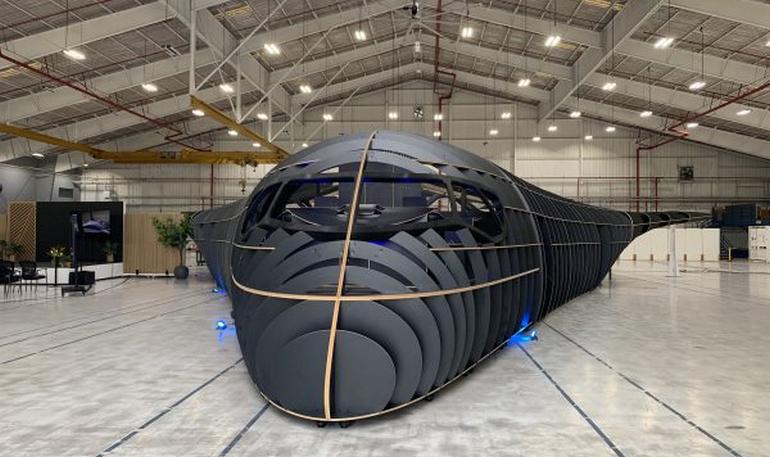
JetZero has also explored features rarely associated with commercial aviation today. Dedicated baggage storage beside passengers could reduce dependence on overhead bins, while wider seating configurations and generous seat pitches aim to improve comfort across every cabin class. The company has even showcased a lounge bar within its demonstration cabin to illustrate how the additional interior volume can be used creatively.
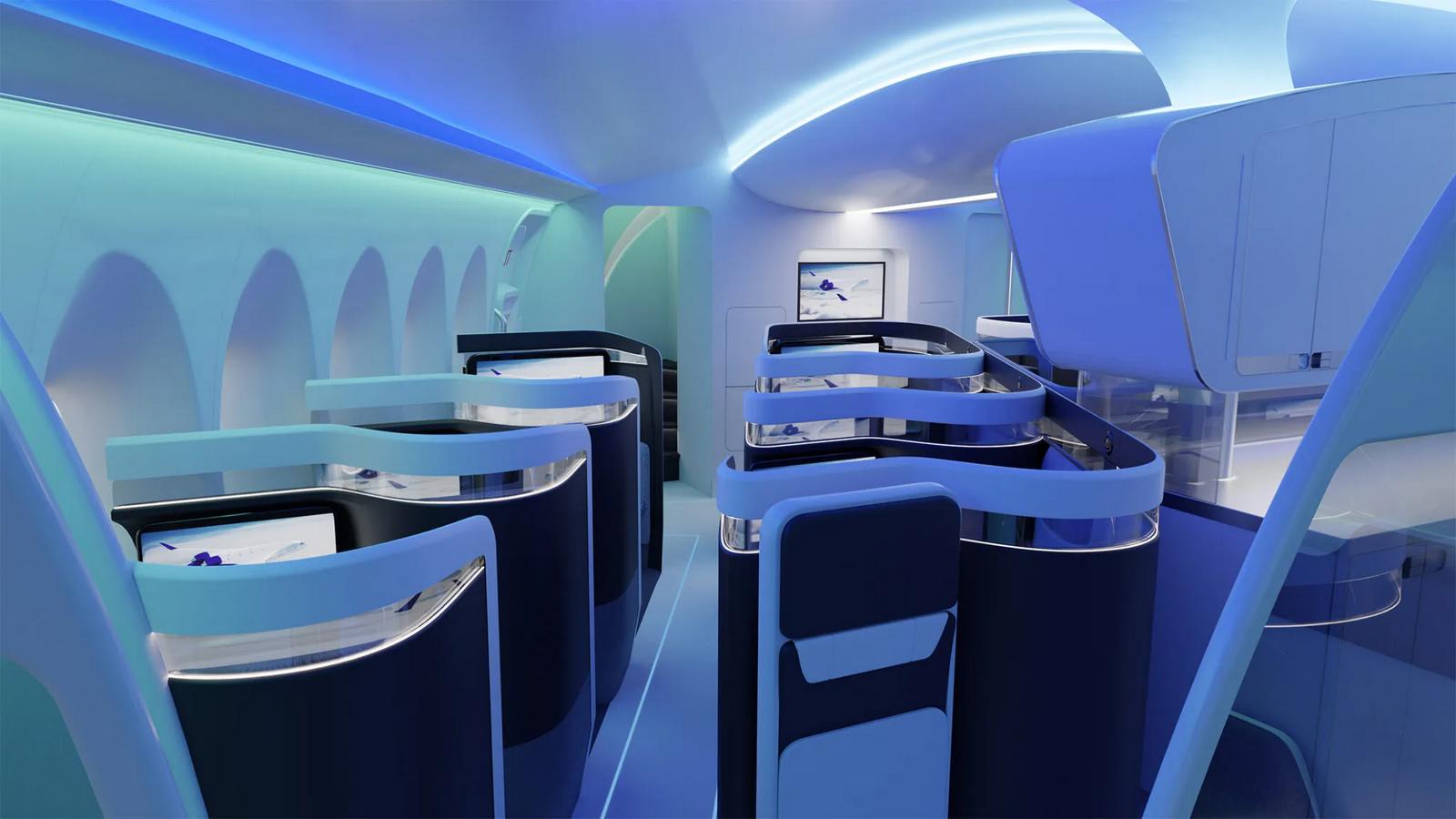
Accessibility has become another central part of the design philosophy. JetZero envisions an aircraft where wheelchair users can remain in their own mobility devices throughout the journey, supported by wider entry doors and accessible lavatories built into the aircraft from the outset rather than added as afterthoughts. Perhaps the biggest question surrounds the cabin itself. Large portions of the aircraft may rely on high-definition digital displays instead of traditional side windows, complemented by skylights that bring natural light into the cabin. Whether passengers embrace that experience remains to be seen, but if Jet1’s first flight validates the company’s aerodynamic claims, JetZero could find itself at the forefront of the most significant transformation in commercial aircraft design since the dawn of the jet age.