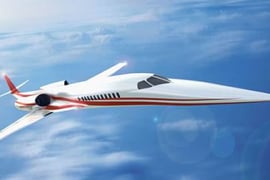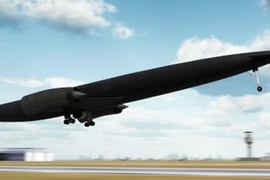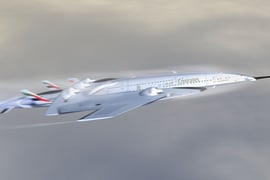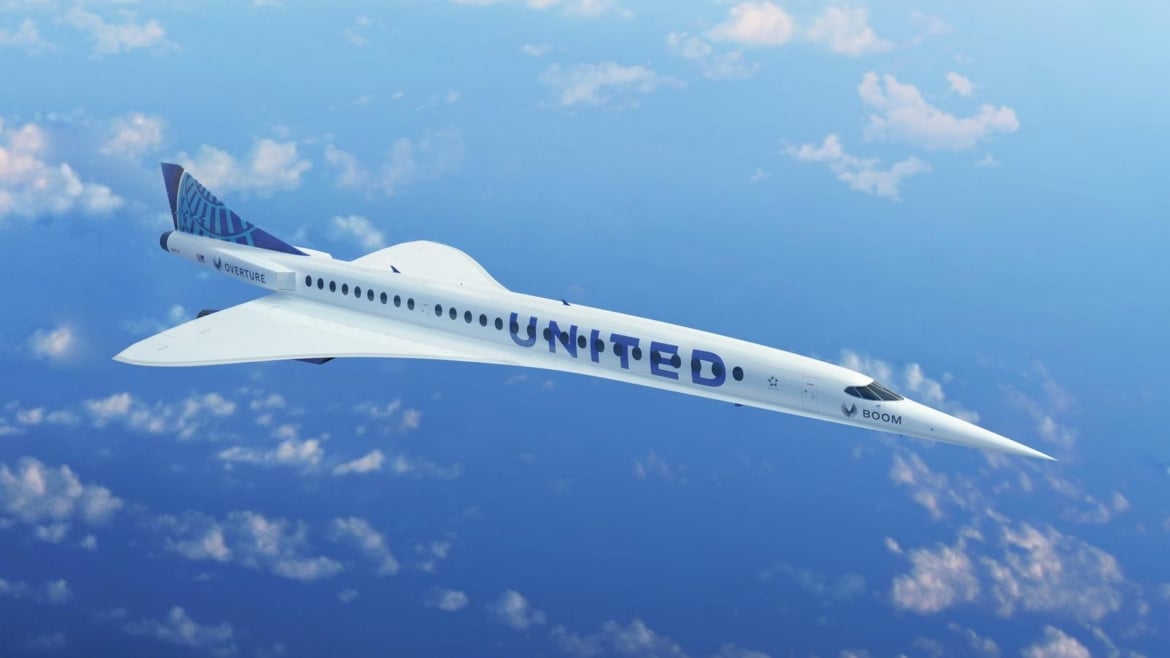
The United States is preparing to rewrite one of the most significant rules in modern aviation, opening the door to the return of civil supersonic flight over land more than five decades after it was effectively outlawed. Rather than simply reviving an era defined by the thunderous sonic booms of the past, the proposed regulatory overhaul reflects advances in aerospace engineering that could allow aircraft to travel faster than the speed of sound while dramatically reducing their impact on communities below.
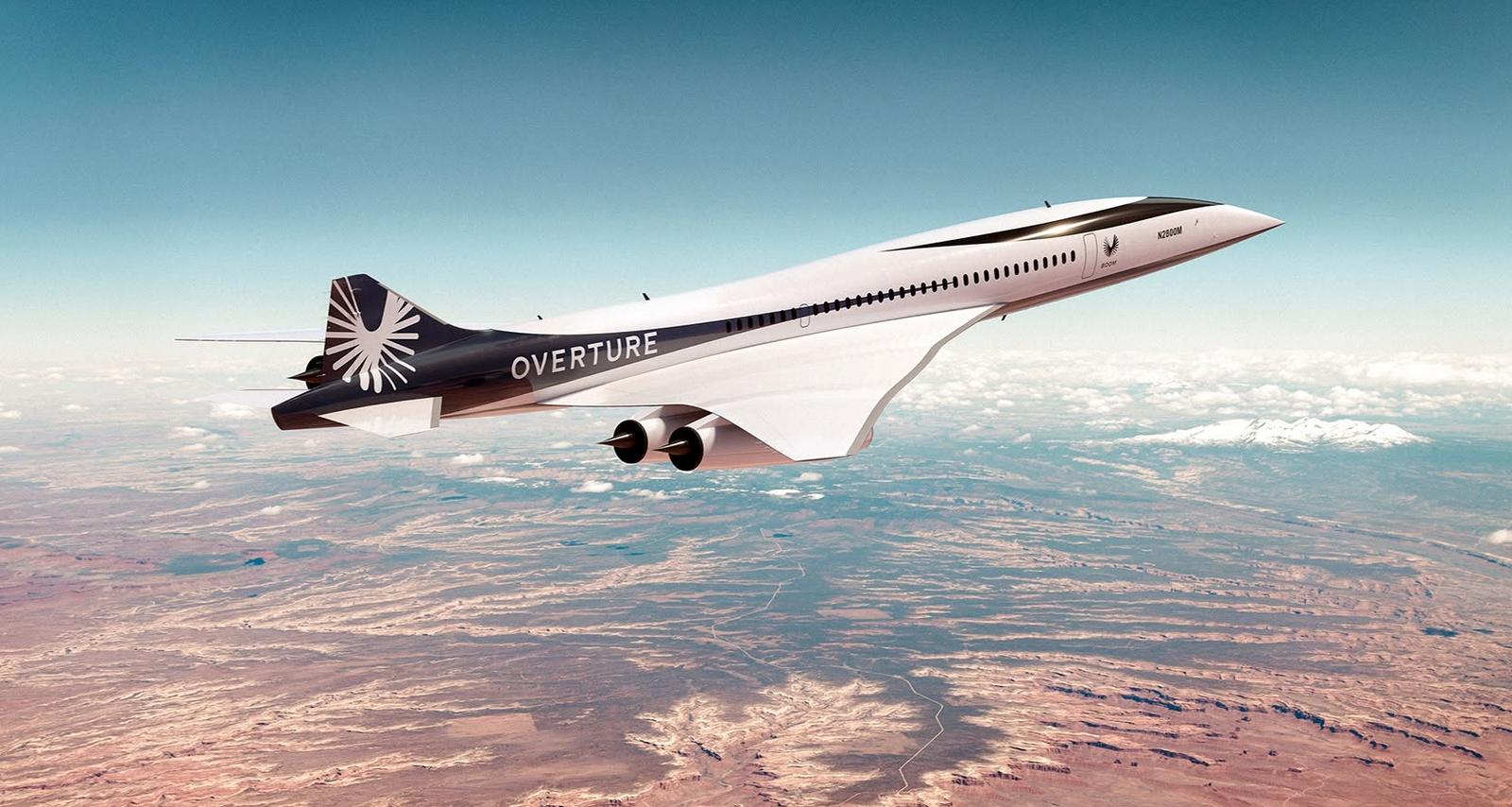
The proposal from the US Department of Transportation and the Federal Aviation Administration would replace the long-standing blanket ban on overland supersonic flight with a performance-based standard. Instead of prohibiting aircraft from exceeding Mach 1 over US territory, the new framework would permit supersonic operations only if manufacturers can demonstrate that the resulting sonic boom remains below a strict ground-level noise threshold, as reported by Bloomberg. The rule remains a proposal, with the FAA aiming to finalize it, along with separate airport noise standards, by mid-2027.
From banning speed to regulating noise
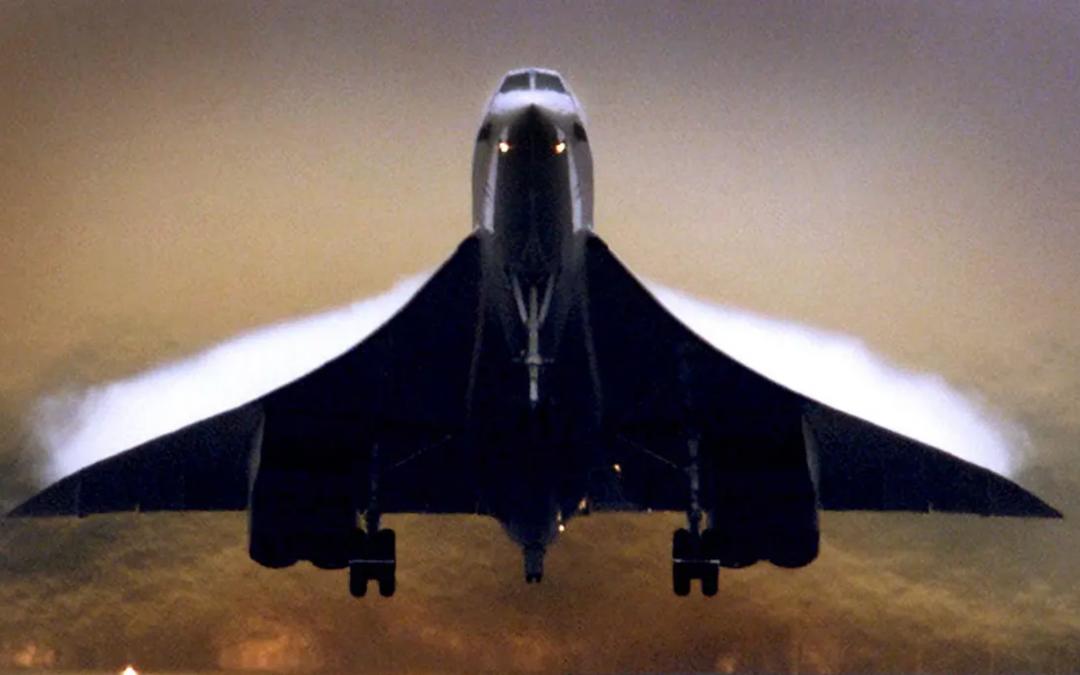
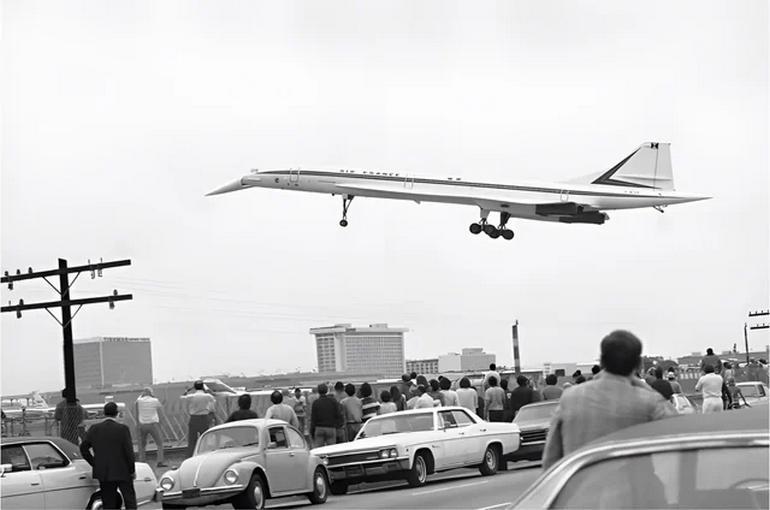
The existing restriction dates back to 1973, when the FAA prohibited civil aircraft from flying faster than the speed of sound over land following widespread public opposition to sonic booms. Earlier experiments, including months of testing over Oklahoma City during the 1960s, generated thousands of complaints and damage claims after repeated shock waves rattled neighborhoods, cracked plaster, and shattered windows. At the time, regulators concluded that available technology simply could not prevent disruptive sonic booms. The regulations severely limited the commercial viability of the Concorde.
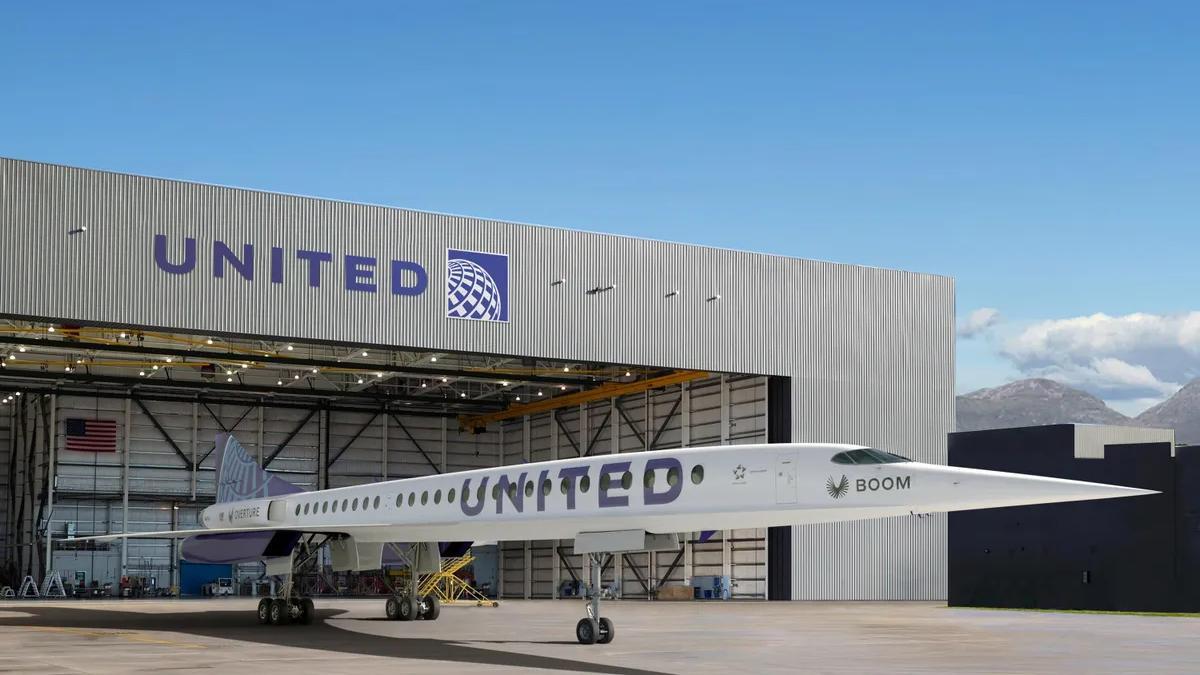
Today’s proposal reflects how dramatically that technology has evolved. Instead of regulating speed itself, the FAA is shifting its focus to measurable environmental impact. The proposed interim standard would require aircraft to keep sonic boom overpressure at ground level below 0.11 pounds per square foot, a level intended to remain well below the threshold associated with property damage. In practical terms, this is not a green light for the window-rattling booms once associated with supersonic travel. It is an attempt to legalize only those aircraft capable of producing a much softer sonic signature.

Manufacturers would need to prove compliance using FAA-approved methods that could include advanced computer modeling, acoustic simulations, and extensive flight testing. Once certified under the new framework, aircraft operators would no longer need to seek special authorization for every individual overland supersonic flight, replacing a cumbersome test-era process with a standardized certification pathway.
Another important piece of the puzzle is still to come. The FAA plans to introduce separate take-off and landing noise regulations for supersonic aircraft later this year, recognizing that airport noise can be just as politically sensitive as sonic booms during cruise. Future supersonic airliners will therefore have to satisfy both en-route and airport noise standards before entering commercial service.
A domestic market that Concorde never unlocked
The proposal has generated excitement because of its potential to revive commercial supersonic travel, but the real prize extends well beyond glamorous transatlantic routes. Concorde already demonstrated that premium passengers would pay to cross the Atlantic at twice the speed of sound. What it could never do was fly supersonically over the United States, preventing domestic routes from becoming commercially viable.
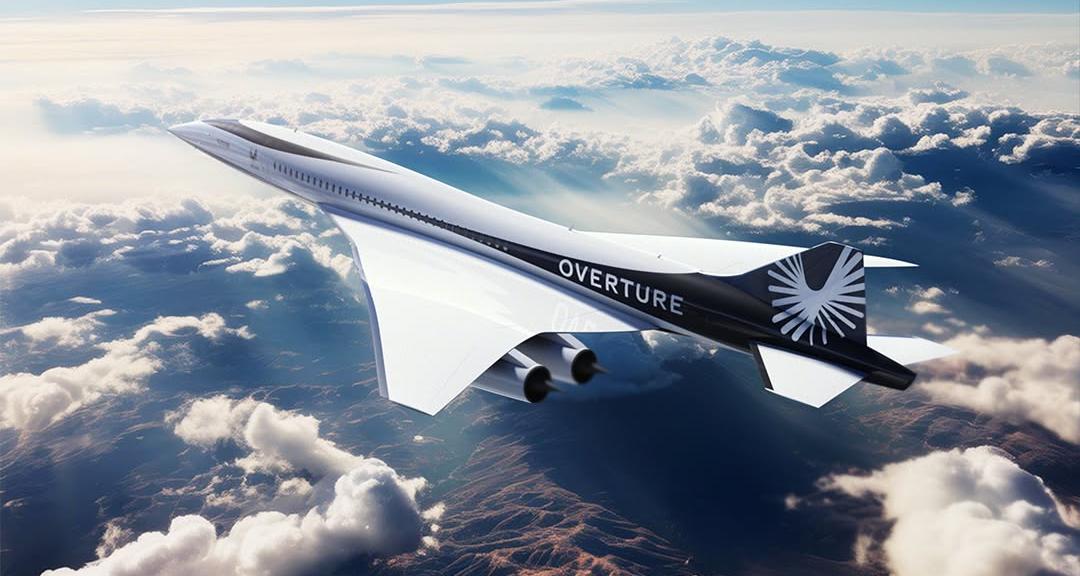
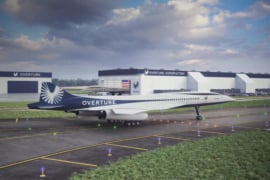
That is precisely the opportunity companies such as Boom Supersonic have been targeting. The Colorado-based manufacturer’s Boom Overture has already attracted orders and pre-orders from major airlines and is designed to take advantage of quieter supersonic technologies. Once the aircraft enters commercial service and the new regulatory framework is in place, Boom says Overture could cut the journey between Los Angeles International Airport and New York’s John F. Kennedy International Airport to just two hours, compared with roughly 5 hours and 30 minutes today.

The administration is also presenting the initiative as an industrial strategy rather than simply a transportation policy. Officials argue that modernizing outdated regulations will encourage investment in advanced aircraft, create high-skilled manufacturing and engineering jobs, accelerate the movement of people and goods, and reinforce American leadership in next-generation aerospace technology. The proposal does not immediately lift the decades-old ban, and commercial overland supersonic flights remain some years away. But by replacing an outright prohibition with a certification system based on measurable noise performance, the United States is laying the regulatory foundation for a new era of faster air travel. If manufacturers can deliver aircraft quiet enough to meet the FAA’s demanding standards, domestic supersonic flight could finally become a practical reality rather than a relic of aviation history.