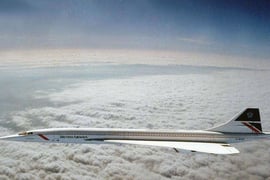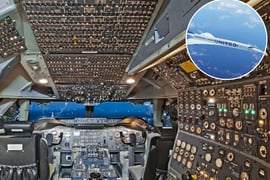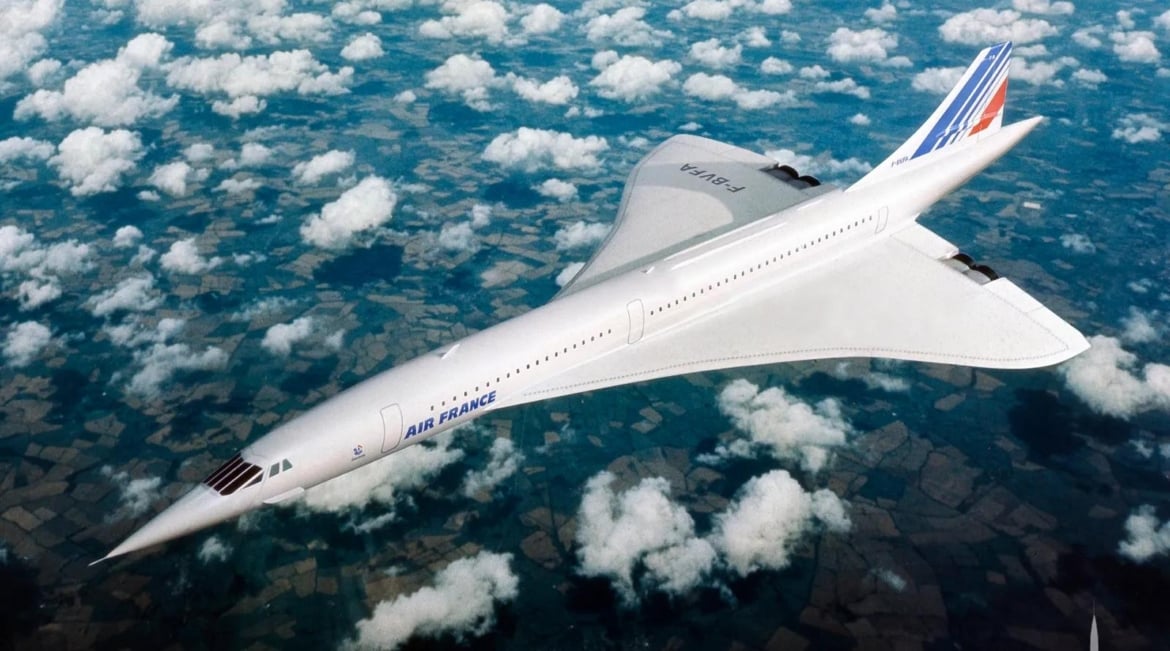
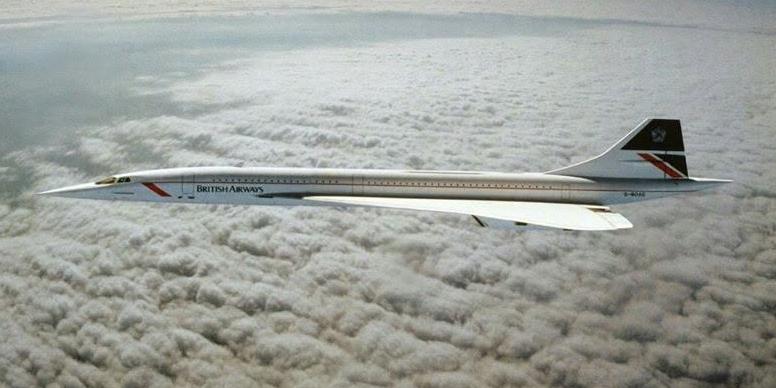
Concorde was built to outrun time, but there were forces even the world’s fastest passenger airliner could not escape. At around 60,000 feet, nearly twice the cruising altitude of a conventional airliner, the supersonic aircraft flew above roughly 95% of the atmosphere’s mass. Passengers could see the curvature of the Earth against a darkened sky while four Olympus engines carried them across the Atlantic at twice the speed of sound. Yet among the instruments in the cockpit was an unusual piece of equipment that revealed just how extreme this environment really was. It was a meter measuring ionizing radiation.
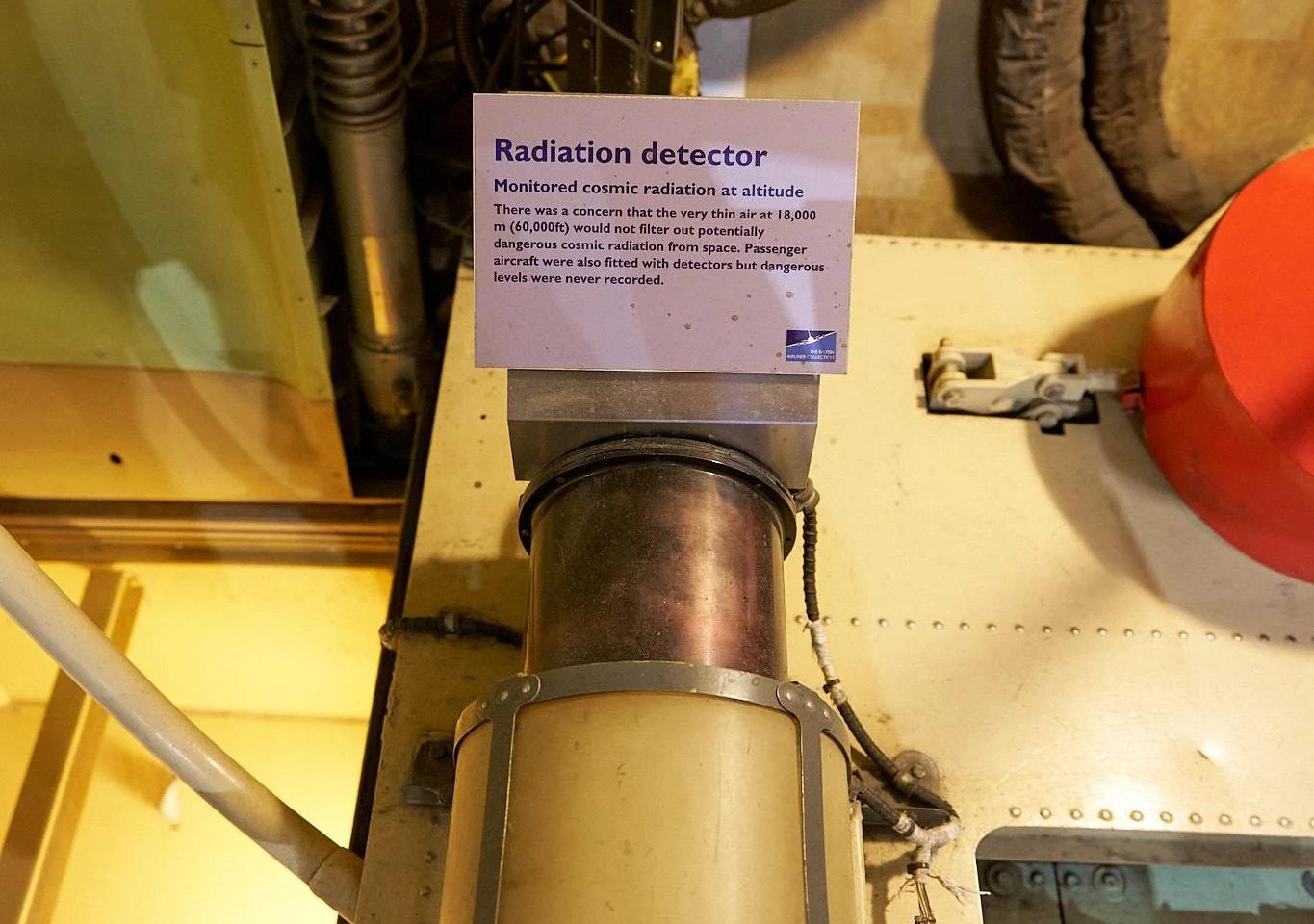
The reason was cosmic radiation, an invisible consequence of flying so high that most of the atmosphere’s natural protection had been left below. Earth is continually bombarded by high-energy charged particles, predominantly protons arriving from beyond the solar system, along with occasional bursts of solar energetic particles. When these strike molecules in the atmosphere, they create cascades of secondary particles, including neutrons, protons, muons, electrons, and gamma rays, which contribute to the radiation dose received by the human body. At sea level, the vast atmosphere overhead provides considerable shielding. Concorde, cruising in the lower stratosphere, had climbed above most of it.

A passenger jet that had to watch the weather in space
Concorde did not carry a radiation meter as a scientific novelty. European regulations required ionizing-radiation monitoring equipment aboard aircraft operating above 15,000 meters, or approximately 49,000 feet. Since Concorde routinely cruised between roughly 50,000 and 60,000 feet, radiation monitoring was a permanent part of its operating environment.
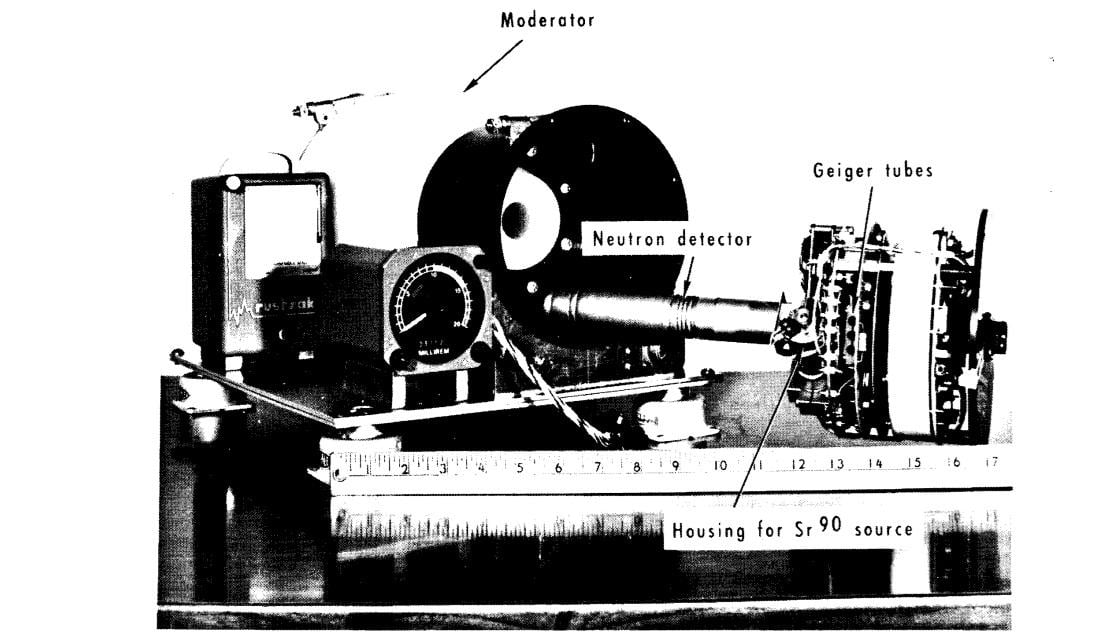
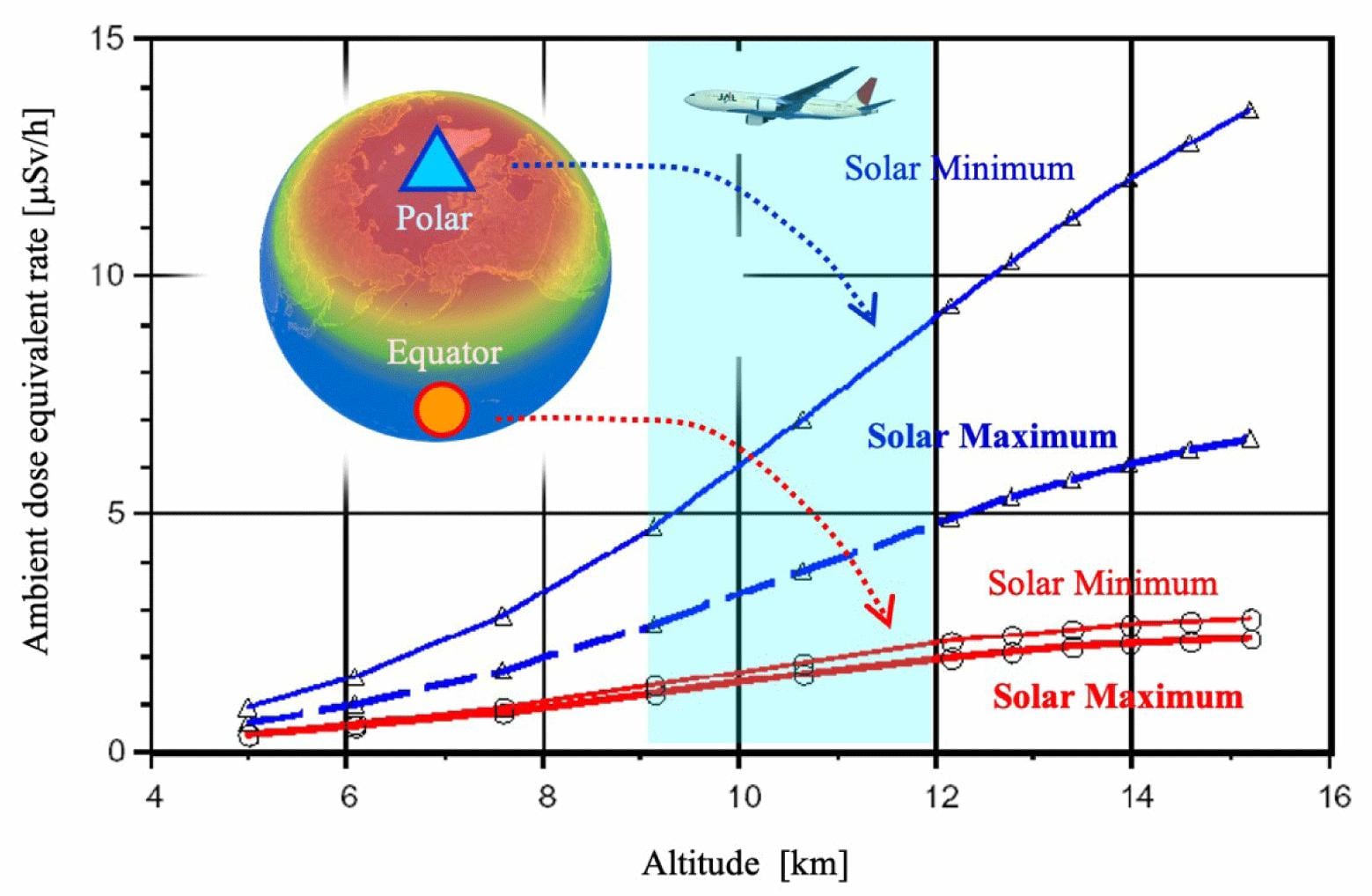
Radiation levels vary with altitude, latitude, and solar conditions. Earth’s magnetic field helps deflect charged particles, leaving polar regions more exposed than areas closer to the equator. Concorde’s higher-latitude Washington route therefore recorded greater radiation levels than tropical services to Rio de Janeiro and Caracas. Counterintuitively, greater solar activity can reduce background galactic cosmic radiation because intensified solar wind helps sweep some incoming particles away from the inner solar system.
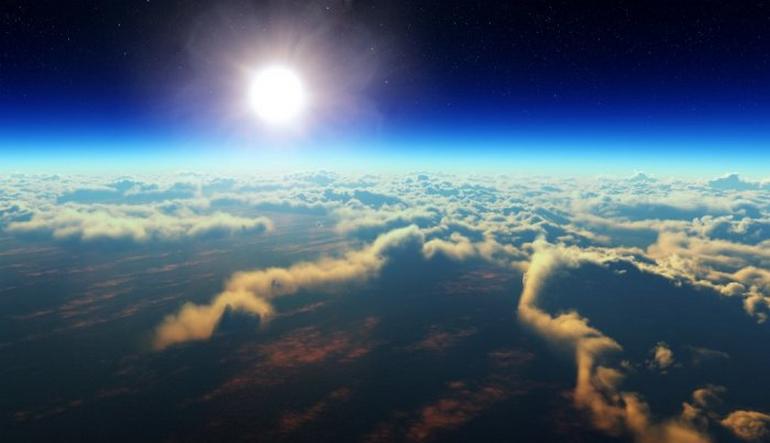
The more acute concern, however, was not routine background radiation but an exceptional solar particle event associated with violent activity on the Sun. British Airways crews could receive expected radiation information before departure based on solar observations, but Concorde also carried real-time protection against the unexpected.
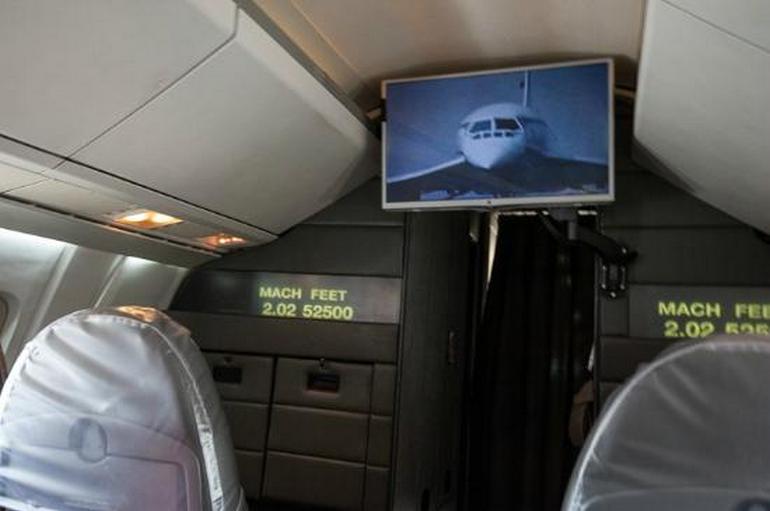
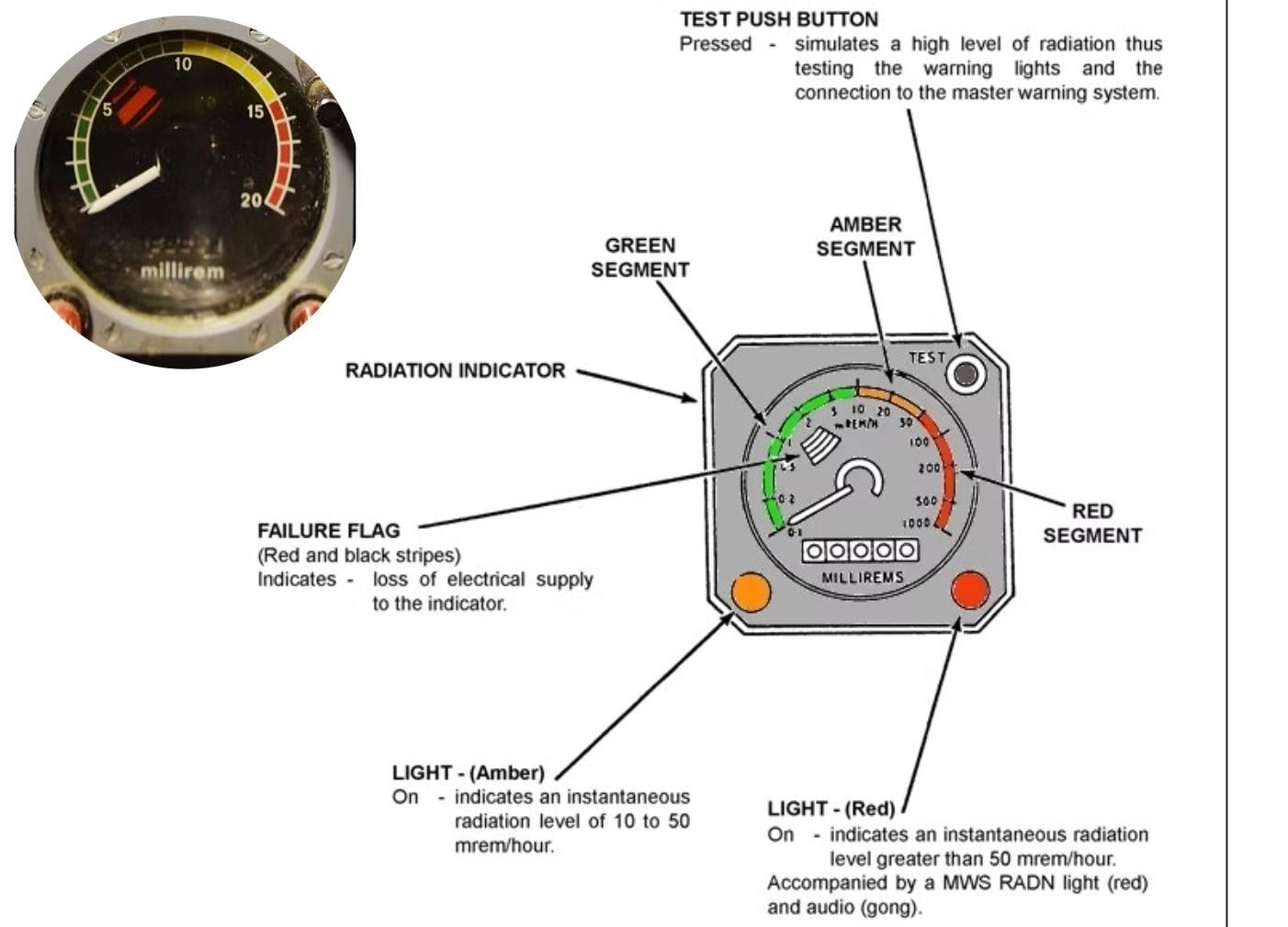
According to crew accounts, if the onboard radiation meter detected levels rising toward a dangerous threshold, an aural and visual warning would be triggered. The pilots then had a checklist procedure with a dramatic objective, which was to descend below 47,000 feet. That number mattered because Concorde could not simply descend to 47,000 feet and continue serenely at Mach 2. Coming down meant sacrificing the very performance that defined the aircraft.

When escaping radiation meant surrendering Mach 2
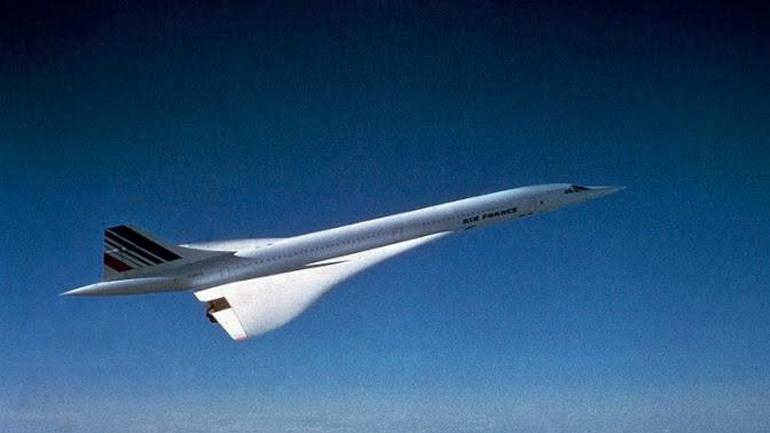
Concorde’s extraordinary speed depended on altitude as much as engine power. During acceleration and climb, it entered progressively thinner air, typically reaching Mach 2 at approximately 50,000 feet before beginning a gradual cruise climb toward 58,000 or even 60,000 feet as fuel was burned and the aircraft became lighter.
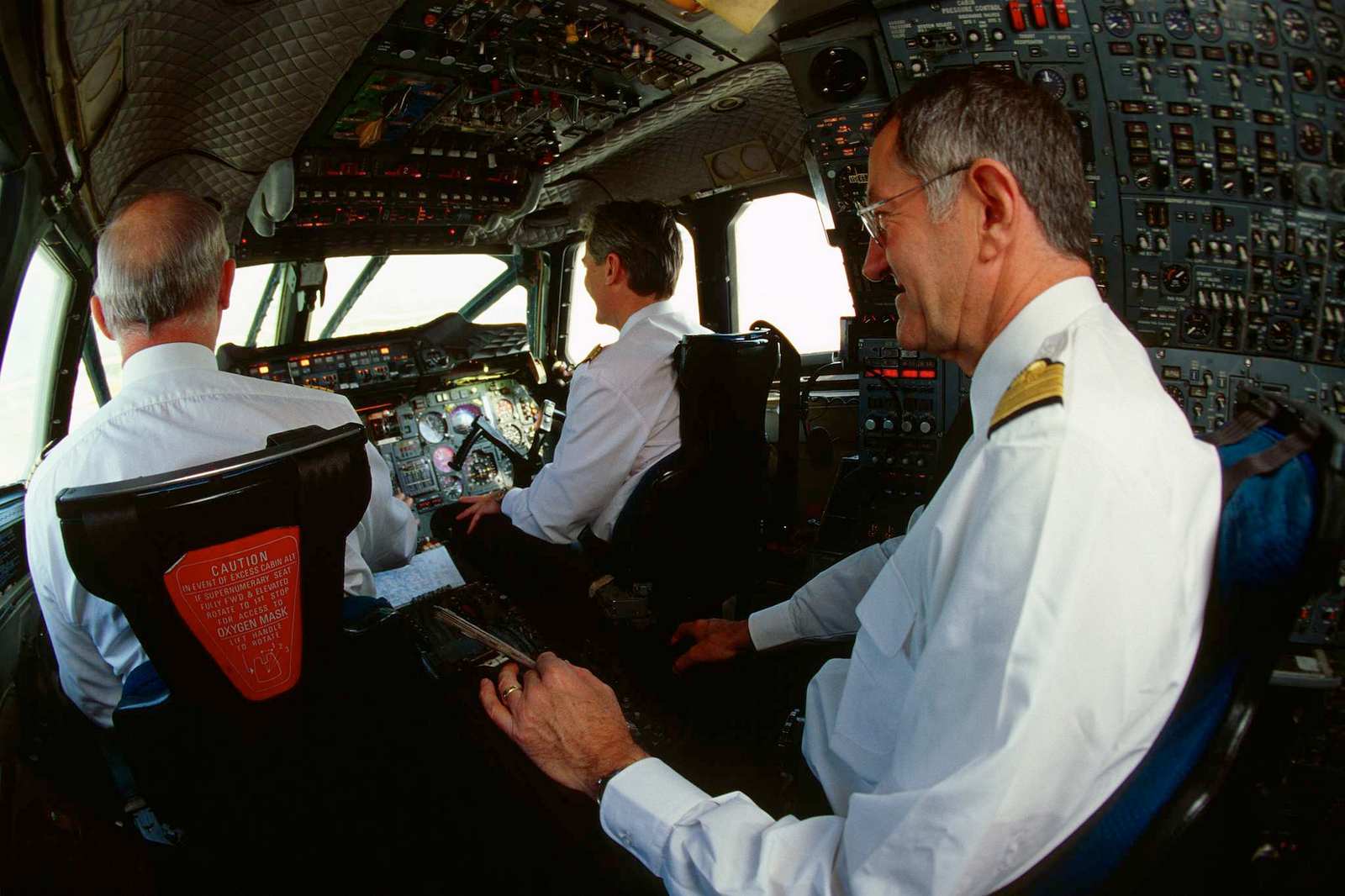
Its published maximum cruise speed was Mach 2.04 or 530 knots indicated airspeed, whichever limit was reached first, at 51,000 feet and above. At around 47,000 feet, Concorde would ordinarily still be accelerating through approximately Mach 1.7 to Mach 1.9 rather than sustaining Mach 2.
The radiation procedure was therefore a genuine retreat. If the meter warned of dangerously elevated levels, Concorde would leave its rarefied cruising realm, descend into denser and more protective air below 47,000 feet, and slow down. The world’s fastest passenger aircraft had an escape plan from space weather, but activating it meant giving up the very thing that made Concorde unique.
Speed on Concorde was always a negotiation with physics. Aerodynamic heating caused the airframe to expand during supersonic flight, and the aircraft had a 127-degree Celsius skin-temperature limit at the nose. On unusually warm days, crews might be unable to reach the full Mach 2.04 without approaching that limit, restricting the aircraft to Mach 2.0 or perhaps Mach 1.96. Radiation added another invisible variable. On an extraordinary day, conditions originating millions of miles away could theoretically force the aircraft downward. Yet the presence of a radiation meter did not mean routine Concorde travel was exceptionally hazardous. The numbers tell a more nuanced story.
Concorde absorbed radiation faster, but spent less time in the sky
A French dosimetry study covering 1996 and 1997 measured a radiation dose rate of approximately 9.7 microsieverts per hour (μSv/h) aboard Concorde, the highest among the subsonic and supersonic aircraft surveyed. By comparison, the same research recorded approximately 6.6 μSv/h on a subsonic Paris-to-Tokyo polar route and as little as 3 μSv/h between Paris and Buenos Aires. Earlier operational measurements were remarkably similar. In 1976, Air France recorded an average of approximately 9.9 μSv/h across 772 commercial Concorde flights. The Washington route produced a higher average of roughly 14.9 μSv/h, while tropical routes averaged approximately 7.8 μSv/h.
Per hour aloft, Concorde could therefore expose occupants to roughly 1.5 to three times the radiation experienced aboard a conventional jet, depending on route and conditions. But Concorde spent far less time in the sky. A three-hour transatlantic crossing at an average dose rate of 9.7 μSv/h would result in a total dose of around 30 μSv. Using a conventional chest X-ray at approximately 20 μSv as a simple comparison, that is roughly equivalent to one and a half chest X-rays for an entire supersonic Atlantic crossing.

Because Concorde completed its journey in about half the time of a conventional long-haul aircraft, its higher hourly exposure did not necessarily translate into a greater total dose. A modern transatlantic journey is often estimated at around 50 to 80 μSv, depending on route, altitude, duration, latitude, and solar conditions. The paradox was that Concorde exposed passengers to radiation at a faster rate but could deliver a broadly comparable total dose because the journey was so much shorter.
Annual occupational exposure aboard Concorde was estimated at approximately 2 to 5 millisieverts depending on routes flown, broadly within the range experienced by some subsonic long-haul crews despite Concorde crews spending far fewer hours airborne. British Airways’ long-term monitoring concluded that its Concorde flight-deck crews would not exceed 6 millisieverts annually, below the relevant occupational limit of 20 millisieverts per year.
What made Concorde remarkable was not that every journey represented a dangerous encounter with cosmic rays. It was that the aircraft routinely operated in a part of the atmosphere where radiation had to be actively considered, measured, and incorporated into cockpit procedures. Most conventional passenger jets do not carry active cockpit radiation meters, with airlines instead relying on computer models, route data, solar conditions, and crew rosters to estimate cumulative exposure.
That small instrument may therefore be one of the most revealing details about Concorde. At 60,000 feet, there was less atmosphere above the aircraft than below it. The sky was darker, the horizon curved, aerodynamic heating made the airframe grow, and invisible particles from space passed through it at a greater rate than they did far beneath.
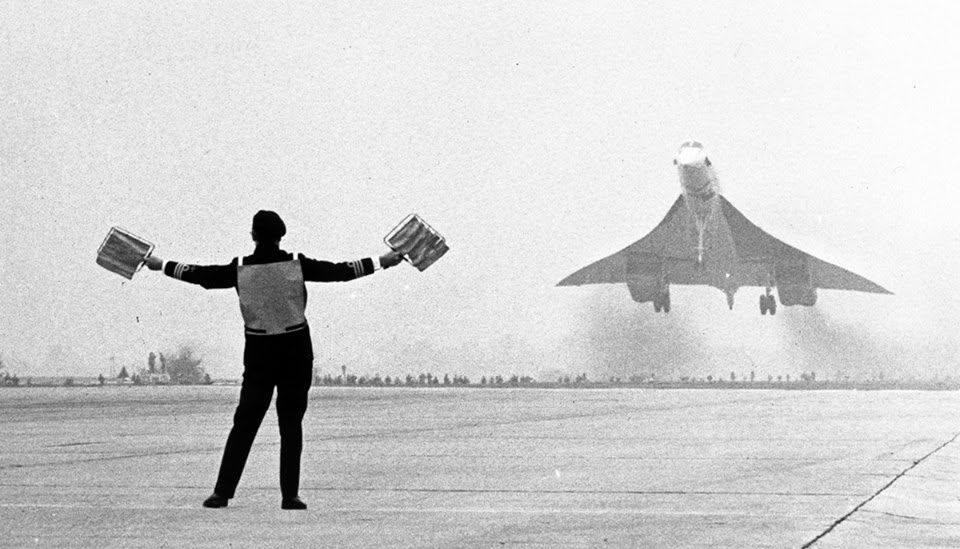
If those levels ever became dangerous, Concorde’s response was remarkably simple. It would descend below 47,000 feet, slow down, and surrender Mach 2. For an aircraft designed to outrun almost everything, its ultimate defense against a storm from space was to come back down to Earth.