The Live Aid charity concert in 1985 was designed as a global spectacle, split between London and Philadelphia and stitched together by satellite television, celebrity, and urgency. What no one quite anticipated was that Phil Collins would attempt to turn the event into a personal logistical experiment, using a regularly scheduled Concorde flight and his own money to perform at both concerts on the same day. The plan sounded improbable, yet it rested on a simple calculation. A supersonic jet flying west could cross the Atlantic faster than the five-hour time difference could erase his window to appear on a second stage.
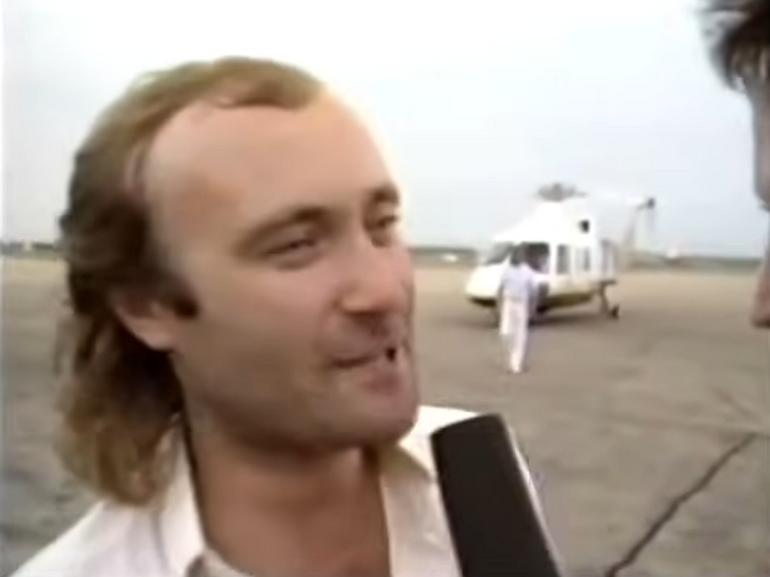
Collins did not approach Live Aid as a routine appearance. He saw that the concert had been split between Wembley Stadium in London and JFK Stadium in Philadelphia, and he realized that Concorde’s speed made an otherwise absurd idea technically possible. Instead of choosing one city over the other, he chose both, trusting that a jet cruising at twice the speed of sound, where a London–New York round trip already cost around £2,400 in the mid-eighties (roughly £10,500 or $13,000 today), could compress geography into something manageable.
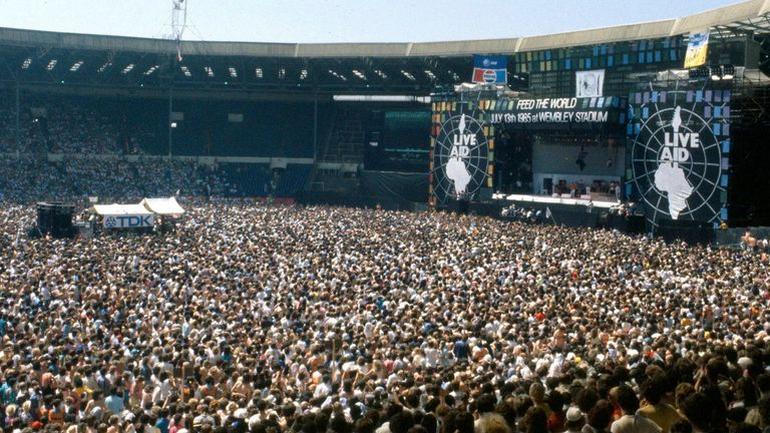
The London set and the supersonic window
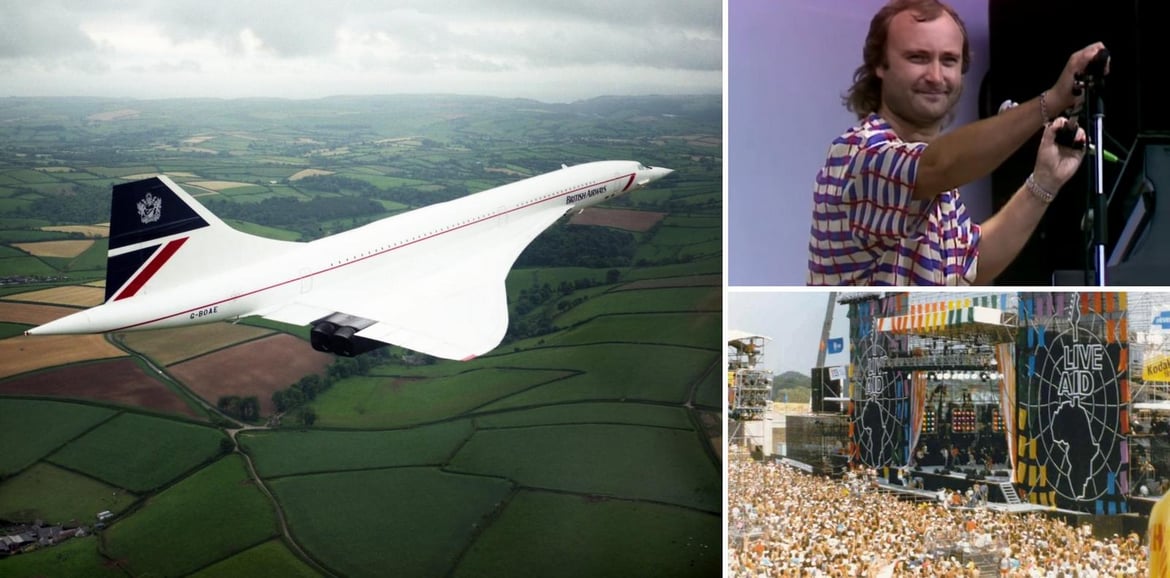
Live Aid at Wembley began at noon on 13 July 1985, and Collins took the stage at 3:18 pm for a sharply focused 32-minute set alongside Sting and Branford Marsalis. The performance moved through “Against All Odds,” “In the Air Tonight,” “Message in a Bottle,” and “Every Breath You Take,” before he stepped off at approximately 3:50 pm, as pointed out by ABC. In Philadelphia, the concert was at 10:50 that morning, which meant he had eight hours and fifty minutes of clock time to reach another stadium and prepare for another performance.
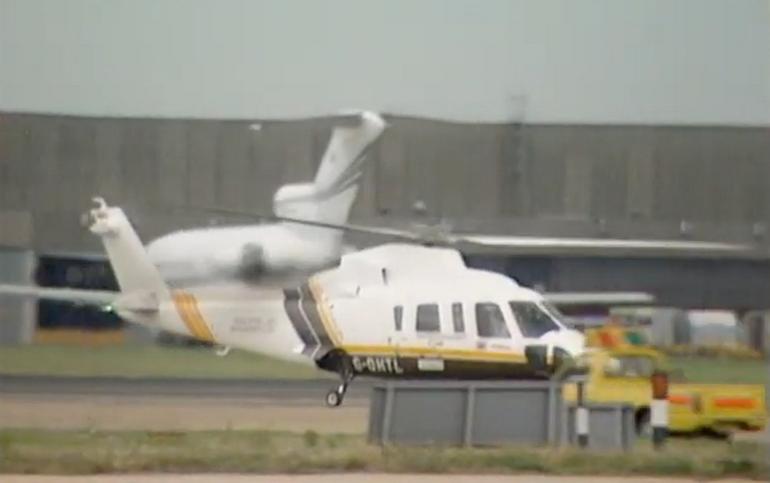
The transition from rock concert to runway unfolded with brisk precision. Noel Edmonds flew him by helicopter from Wembley to Heathrow, where Collins boarded the scheduled British Airways Concorde service to New York rather than a special charter. The fact that he used a regular commercial flight sharpens the legend because it underscores how the plan depended not on bespoke luxury but on the existence of a supersonic timetable that anyone with a ticket could access.
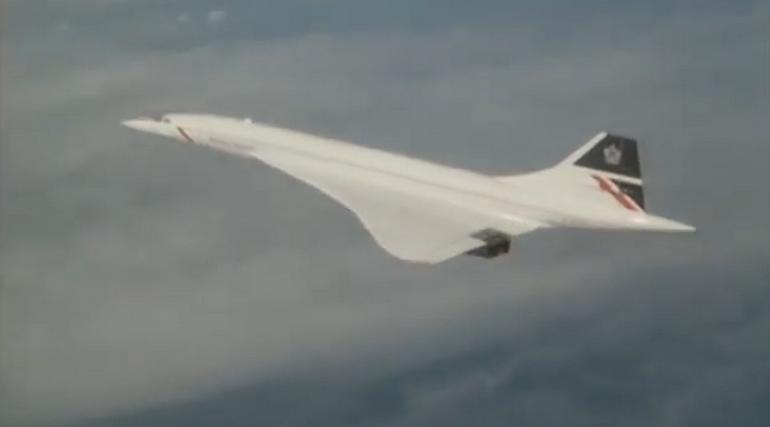
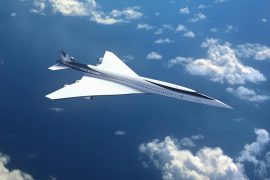
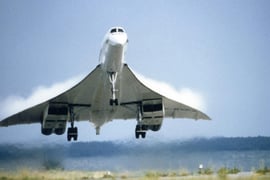
Concorde climbed to around 55,000 feet and settled near Mach 2, covering the London–New York route in roughly three and a half hours, a journey that would have taken seven or eight hours on a conventional jet. Because he was flying west, the aircraft effectively beat the five-hour time difference, allowing him to land in New York earlier in local time than when he had departed London. Collins later summed up the moment of decision with characteristic understatement: “Then someone said to me that it would be possible to do both if I went on early enough in England and then got Concorde. So I said, ‘Okay, I’ll do that then,’ without really thinking about it.”
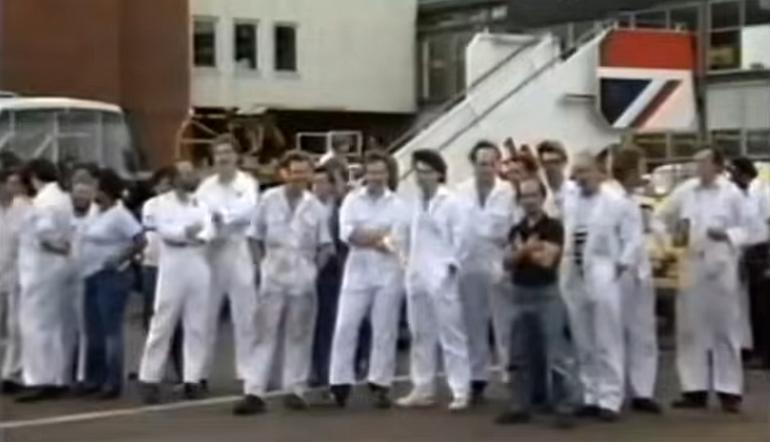
At Heathrow, baggage handlers gathered near the aircraft to wave him off, a send-off that captured Concorde’s celebrity aura as much as his own. “When we got to the airport, I’ll never forget this, we landed and all the baggage handlers were out by Concorde to wave me goodbye. It was ever so nice of them.”
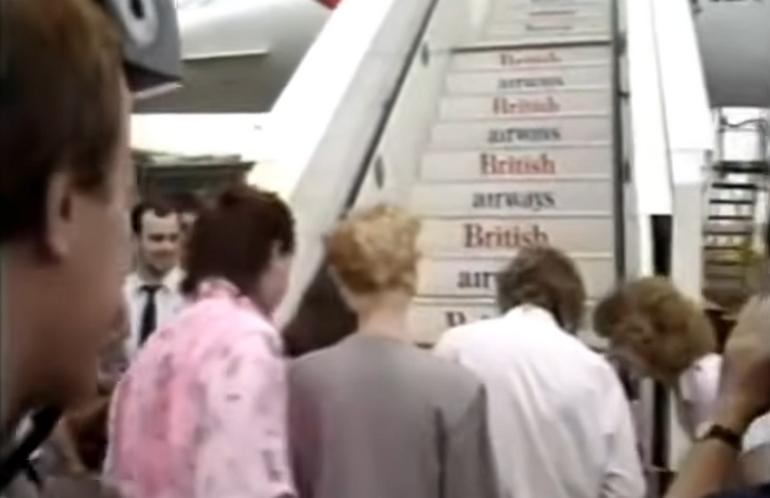
During the flight, he arranged a live broadcast from inside the cabin with the captain’s quiet approval, even though the technical rulebook suggested it was not supposed to happen, a detail Collins found faintly absurd given that the signal was heading to a global audience measured in billions.

Philadelphia, charity, and the physics of why it worked
After landing at JFK, another helicopter carried him the roughly 150 miles to Philadelphia, a leg he later joked felt longer than the Atlantic crossing. That evening, he played drums for Eric Clapton, delivered a short solo set, and then joined the much-discussed Led Zeppelin reunion. When he sat at the piano in Philadelphia, he greeted the crowd with a line that instantly crystallized the day’s surrealism: “I was in England this afternoon. Funny old world, isn’t it?”

Live Aid was conceived as a benefit for famine relief, and the performers were not paid. Collins received no appearance fee and no performance salary for either show, and he covered the cost of his Concorde ticket himself. The double appearance was therefore not a lucrative stunt but a personal commitment layered onto a global charity effort, made viable only because a supersonic aircraft could compress the Atlantic into a three-and-a-half-hour corridor.

over 150,000 pounds of thrust with afterburner, pushing the jet to Mach 2 while burning around 25,600 liters (about 6,800 US gallons) of fuel every hour at 60,000 feet.
The following morning, he flew back to London on Concorde, and only then, reading the newspapers with his then-wife Jill, did the scale of what he had attempted begin to settle in. People still assume the transatlantic sprint must have left him ravaged by jet lag, yet his explanation is disarmingly practical. “People are still asking me if I’ve recovered from it, that I must have had jetlag. But we didn’t, because we weren’t there long enough to adjust.” He does concede that he felt utterly spent, describing the sensation of coming off stage as if someone had unplugged him.

What endures is not merely the spectacle of a drummer appearing twice in one day, but the reminder that Concorde briefly made the planet feel negotiable. On that afternoon and evening, physics, time zones, and a purchased ticket aligned, allowing Phil Collins to compress continents, honor a charity commitment on both sides of the Atlantic for a cause that ultimately raised around $127 million, and turn supersonic travel into the third headliner of Live Aid.