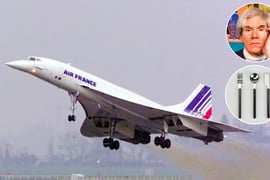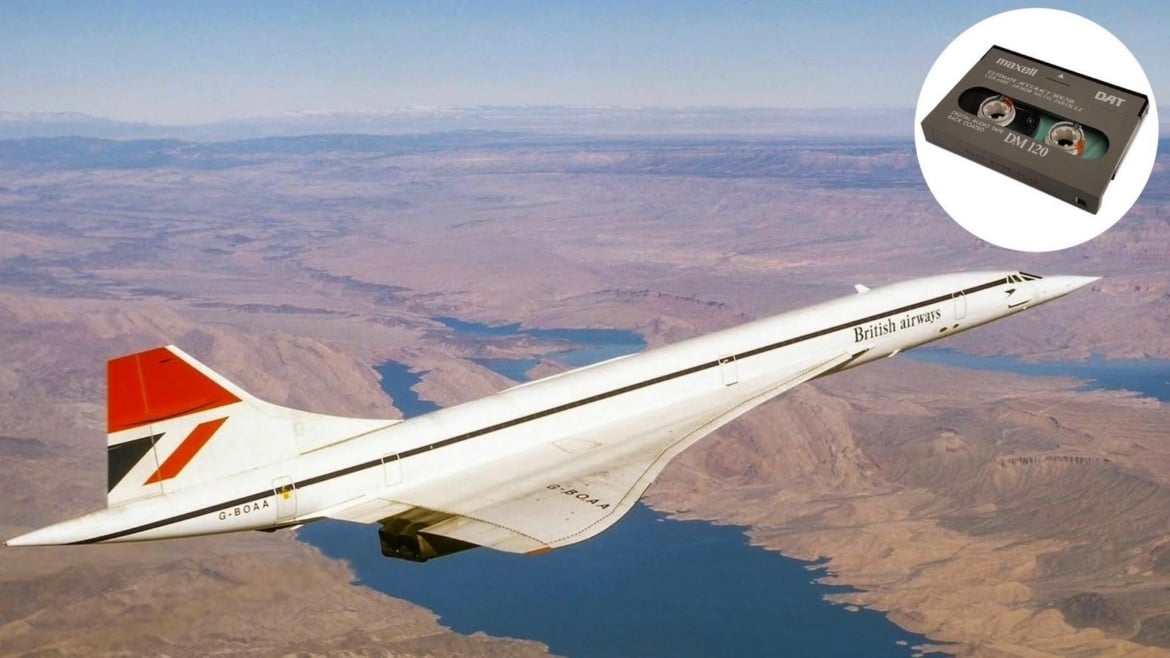
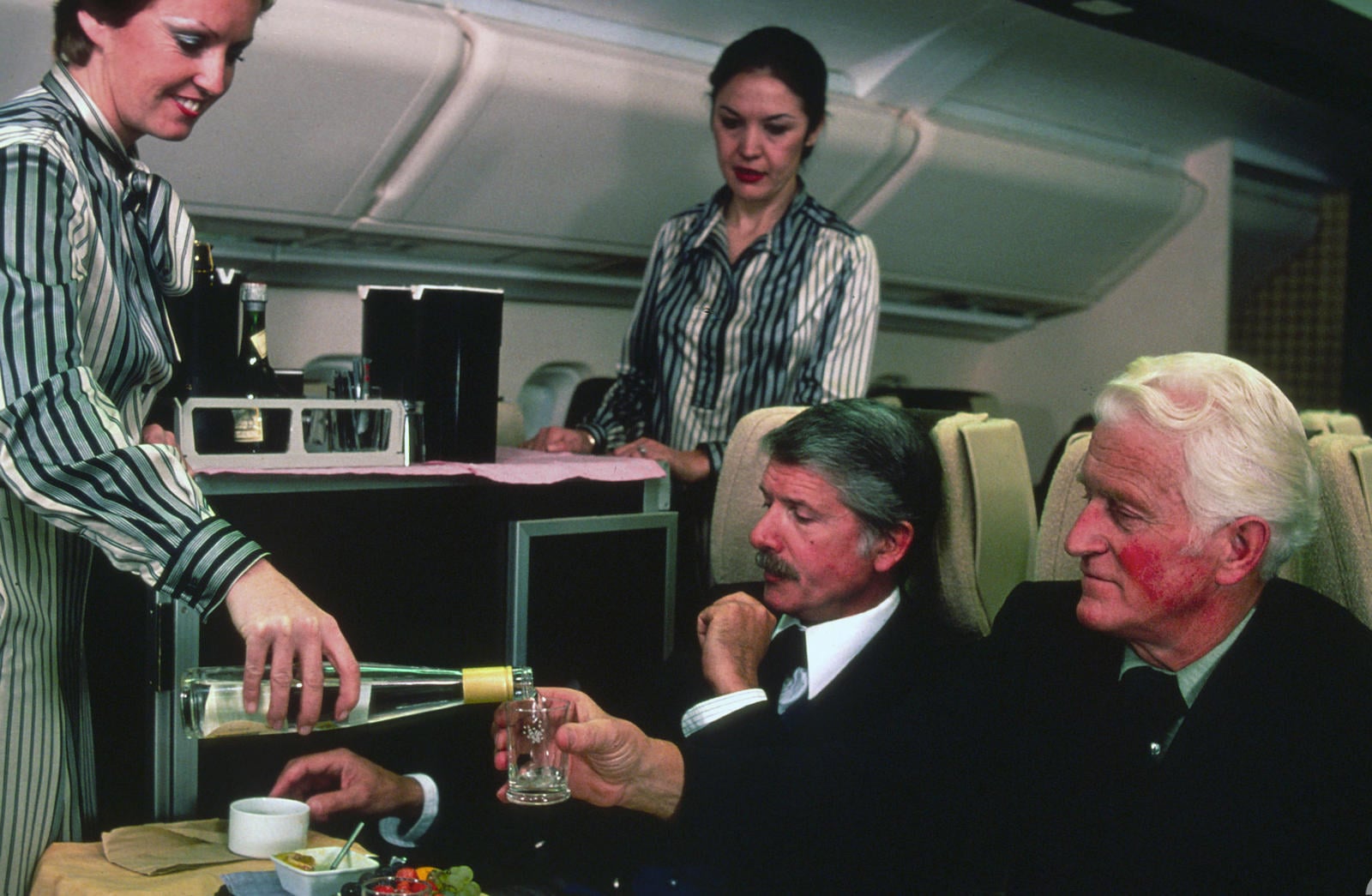
For much of its service life, Concorde represented the absolute pinnacle of commercial aviation. The Anglo-French supersonic airliner could cruise at more than twice the speed of sound, carry passengers across the Atlantic in under three and a half hours, and deliver an experience defined by champagne, caviar, and technological prestige.
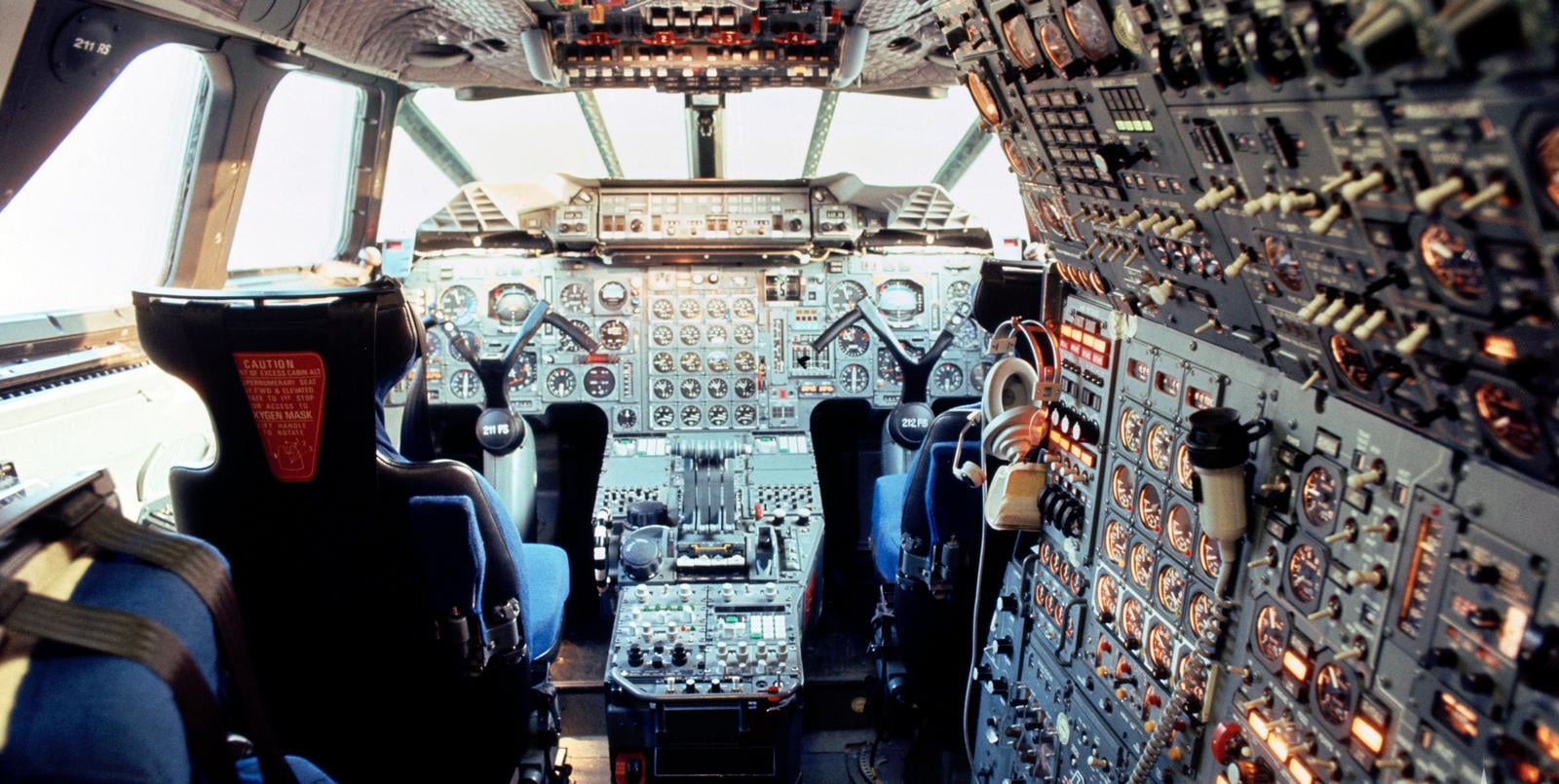
However, what makes Concorde even more fascinating is that some of its navigation technology now feels almost impossibly old-fashioned. According to a detailed discussion on the PPRuNe aviation forum, a Concorde specialist posting under the username M2dude explained that a cassette-style data-loading medium was eventually used to feed navigation information into the aircraft’s inertial navigation computers.
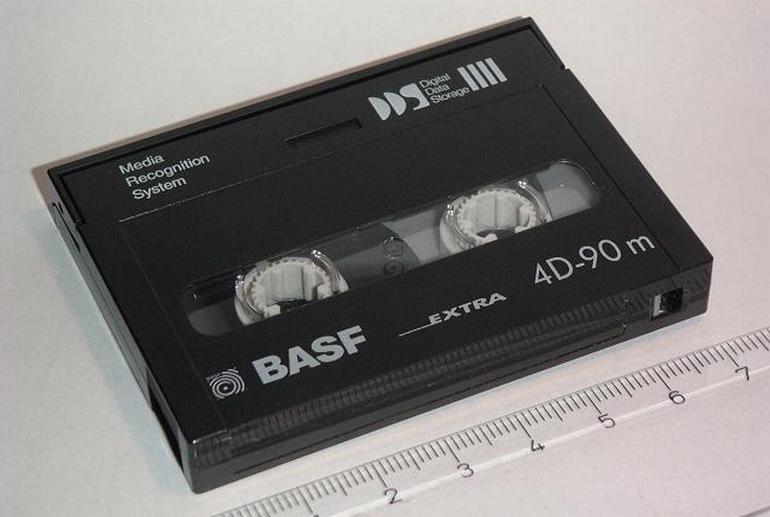
Not a music cassette and certainly not something playing in the passenger cabin, but a magnetic tape used to transfer route data into the aircraft’s navigation systems. For an airplane capable of outrunning the sunset, it is one of the most unexpected details in aviation history.
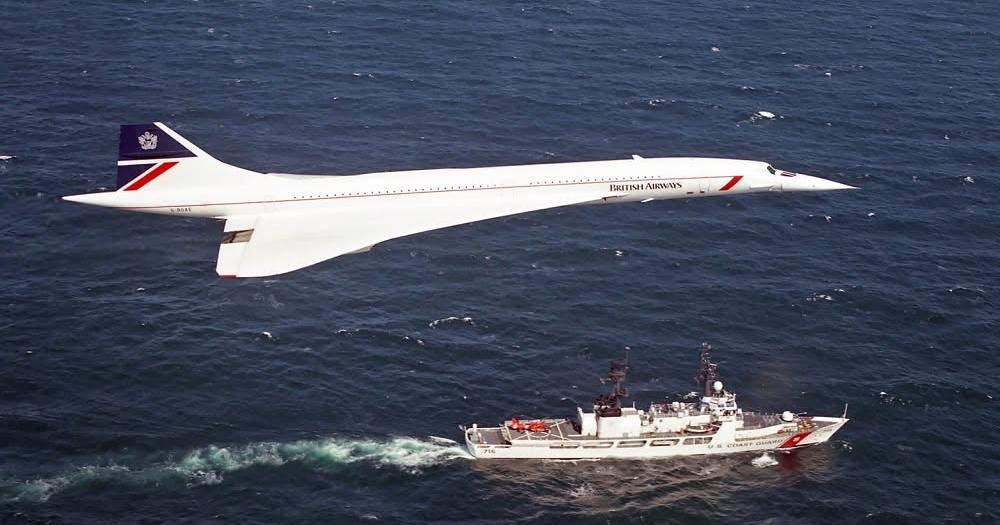
From optical cards to cassette-loaded navigation
According to Concorde specialists, the aircraft originally relied on optical card readers to input waypoints into its navigation system. These proved especially useful on complicated routes where crews had to carefully avoid creating sonic booms over populated areas. The system, however, reportedly developed a less-than-stellar reputation. Some operators joked that it was never entirely certain whether an inserted card would emerge intact or even emerge at all.

Engineers eventually moved away from the optical card reader approach and introduced a navigation database within the aircraft’s inertial navigation systems. Concorde was equipped with three independent inertial navigation units, each containing its own digital computer. Rather than updating automatically, the database had to be loaded into each unit separately. The process reportedly occurred only a few times each year and used cassette tape as the transfer medium.

Importantly, this was not a modern flight management system like those found on later airliners. The tape-loaded database was not a vast worldwide collection of airports, procedures, and routes. Instead, specialists describe it as a curated library containing standard Concorde route segments, DME station coordinates, and associated navigation information. Crews could call up these stored segments when preparing for a flight.
A supersonic jet with surprisingly limited memory
Perhaps the most remarkable detail is how little navigation data the system could actively handle at one time. Despite flying at Mach 2 and representing some of the most advanced aerospace engineering of its era, Concorde’s inertial navigation computers reportedly held only nine waypoints in active memory.
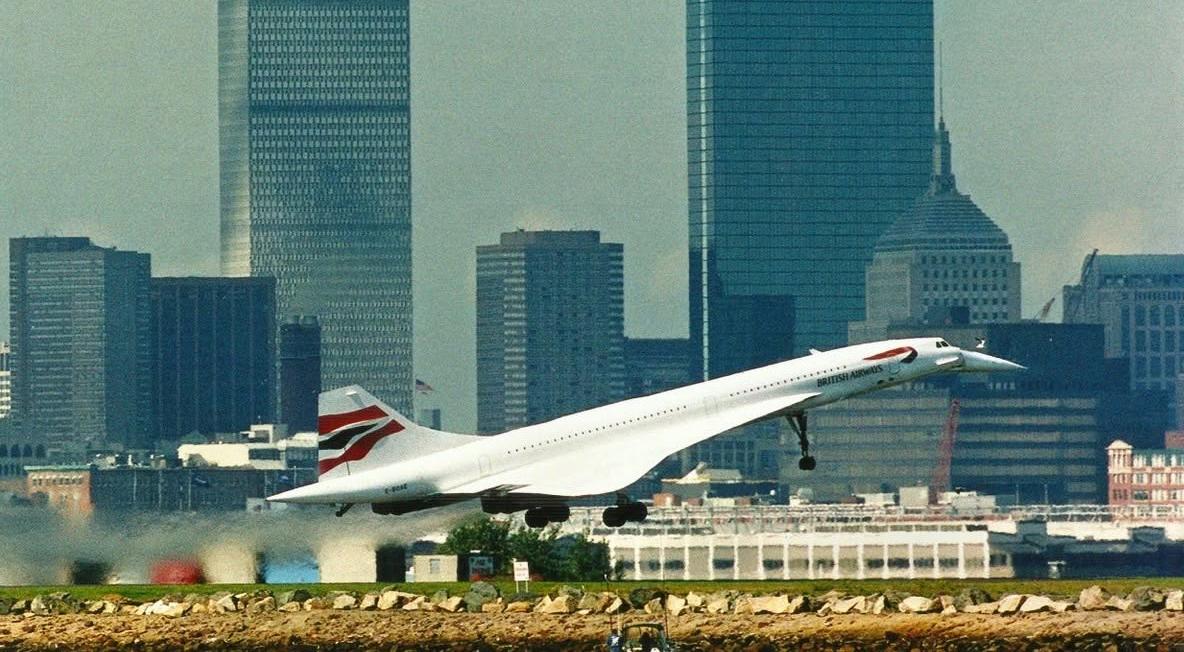
When the aircraft reached the end of a waypoint sequence, a light would reportedly illuminate to tell the crew it was time to load the next group. Pilots would effectively advance to the next chapter of the flight plan, bringing another set of waypoints into active memory. Concorde could cross oceans at supersonic speed, but its navigation logic still worked in carefully managed blocks.

The later system reportedly organized route information into numbered Flight Plan Segments, with crews selecting the appropriate segment before departure. Specialists have compared the process to choosing tracks from an album, except the selection determined the path of one of the fastest passenger aircraft ever built.
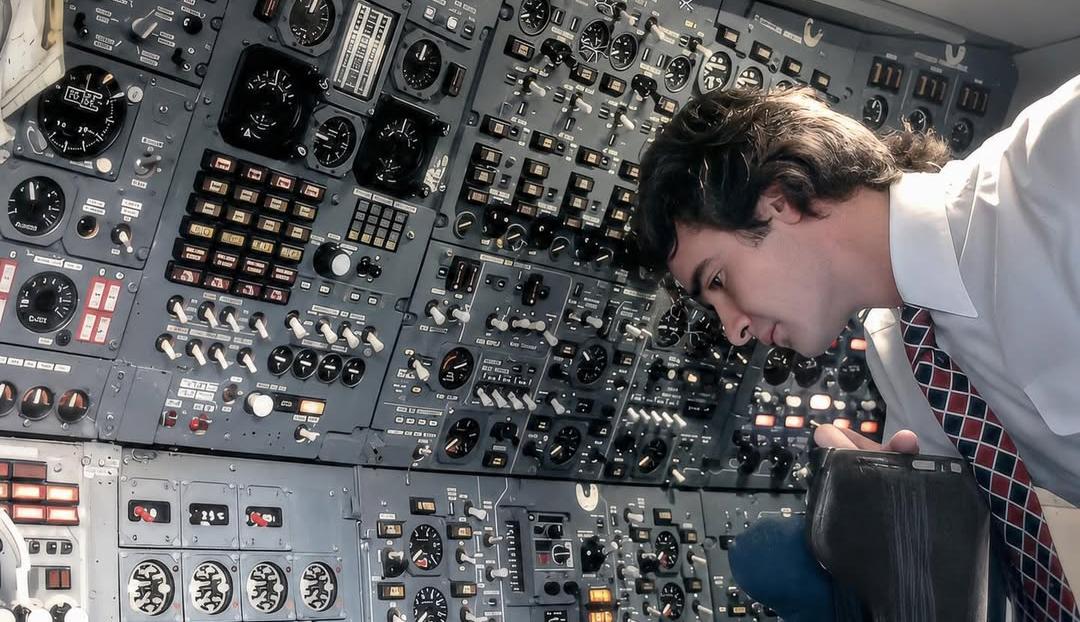
Operating the Concorde was anything but simple. In fact, the flight engineer traditionally entered the cockpit before the pilots to begin a lengthy sequence of system checks. That complexity was reflected everywhere, from the aircraft’s sophisticated flight systems to a cockpit packed with roughly 200 gauges, 200 indicator lights, and around 100 switches.
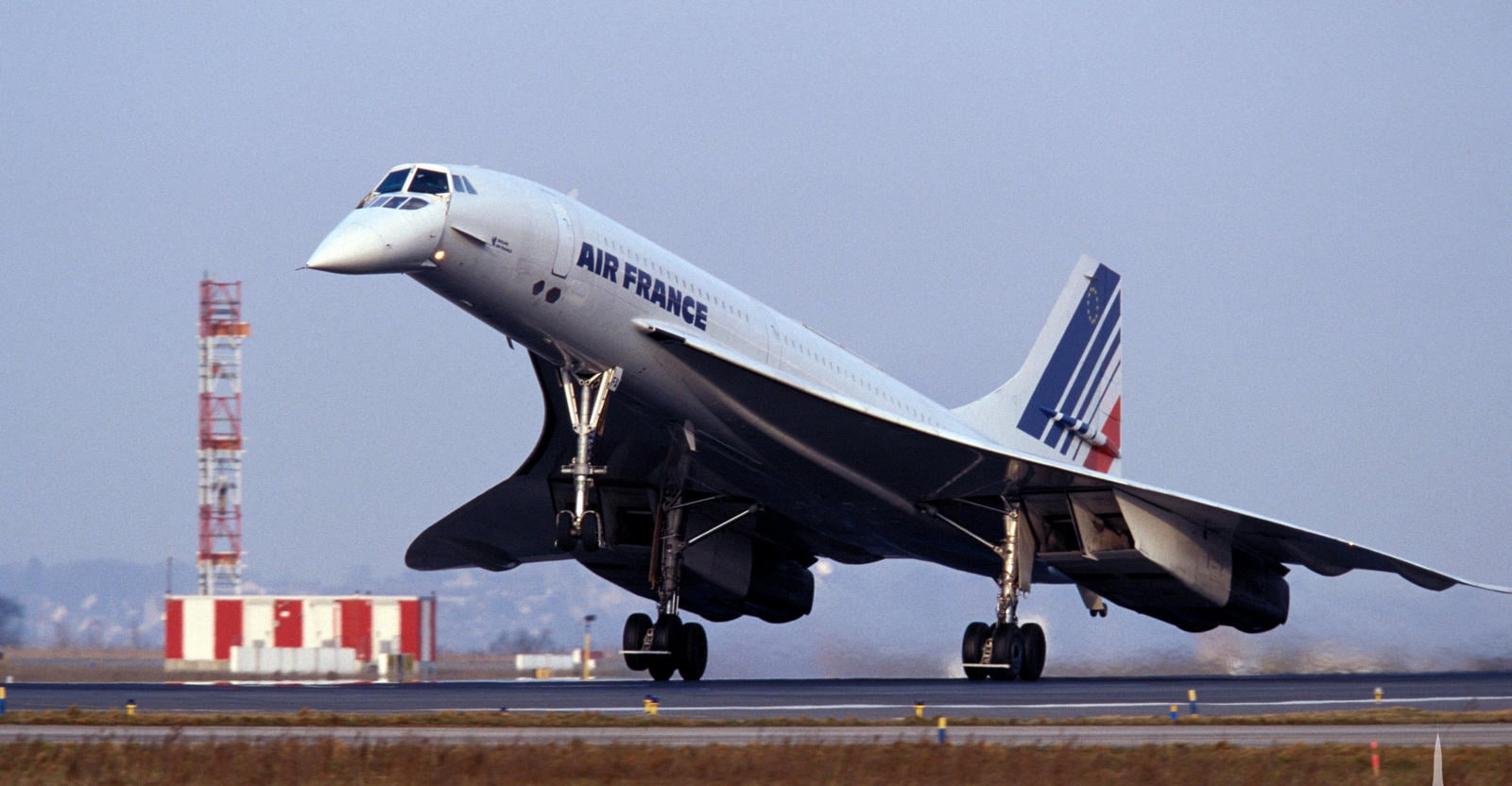
There is an important caveat to the story. The specific cassette-tape loading claim comes primarily from Concorde specialists and forum accounts rather than publicly available British Airways or Air France operating manuals. Yet the broader details align closely with Concorde’s documented triple inertial navigation architecture. The result is a fascinating reminder that even one of history’s most technologically ambitious airliners blended cutting-edge innovation with hardware that today feels almost impossibly analog.