When Steve Jobs walked into a birthday party with a boxed Macintosh 128K, he was not trying to steal the spotlight, yet that is exactly what happened. The setting was already saturated with cultural gravity, a gathering hosted by Yoko Ono, John Lennon’s widow, for her son Sean Lennon, surrounded by artists and musicians who defined their era. It should have been just another evening in a world accustomed to brilliance, but the arrival of a small beige computer quietly shifted the center of attention.

The party carried a deeper emotional undercurrent that made everything feel more charged. Held at the Dakota in Manhattan on October 9, 1984, the date doubled as both Sean’s ninth birthday and John Lennon’s birthday. David Sheff, who was then profiling Jobs for Playboy, later recalled the evening’s unusual mix of celebrity, memory, and discovery. Outside the building, fans stood with candles, singing songs that turned the night into a kind of living memorial, while inside, figures like Andy Warhol and Keith Haring moved through rooms filled with conversation and quiet remembrance.
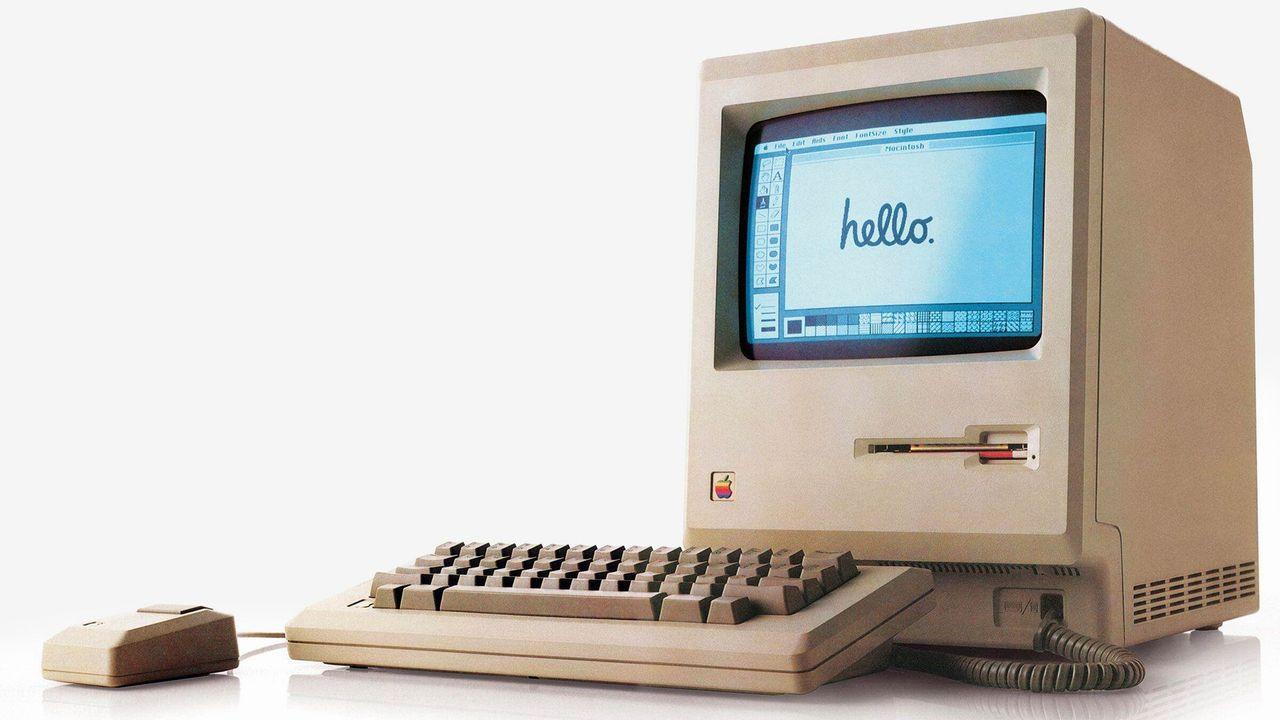
The moment a beige box took over the room
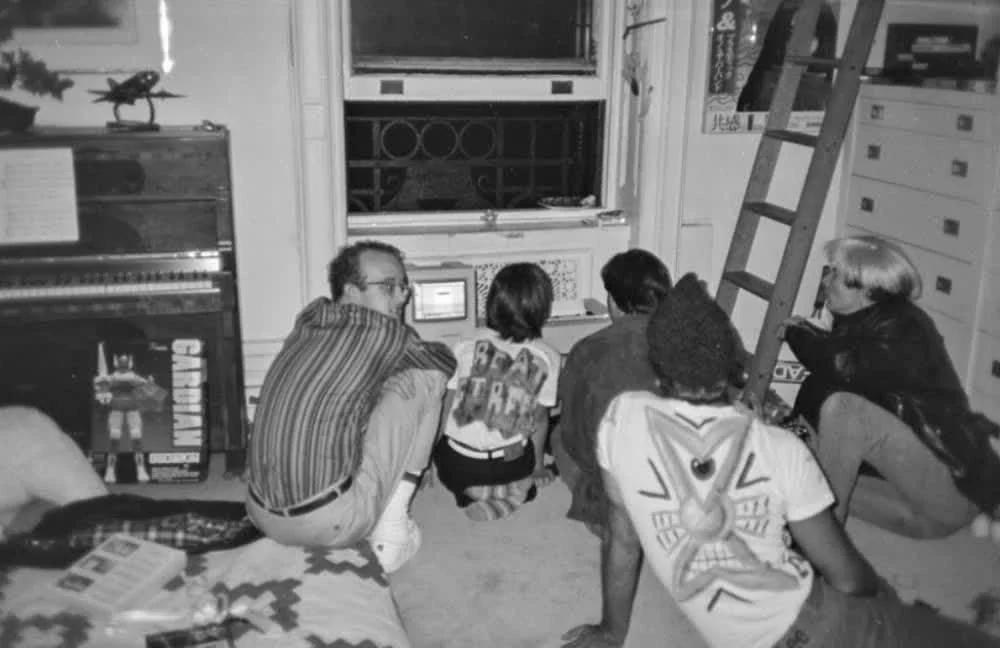
Jobs had not arrived as part of any orchestrated presentation. He was in New York for meetings and interviews, invited at the last minute, and he came carrying the Macintosh almost as an afterthought. The box did not remain closed for long. After dinner and a piano shaped cake, he carried the computer into Sean’s bedroom, set it on the floor, and began to show him how it worked, guiding him through MacPaint with a deliberate simplicity that revealed how much thought had gone into making the machine feel approachable.
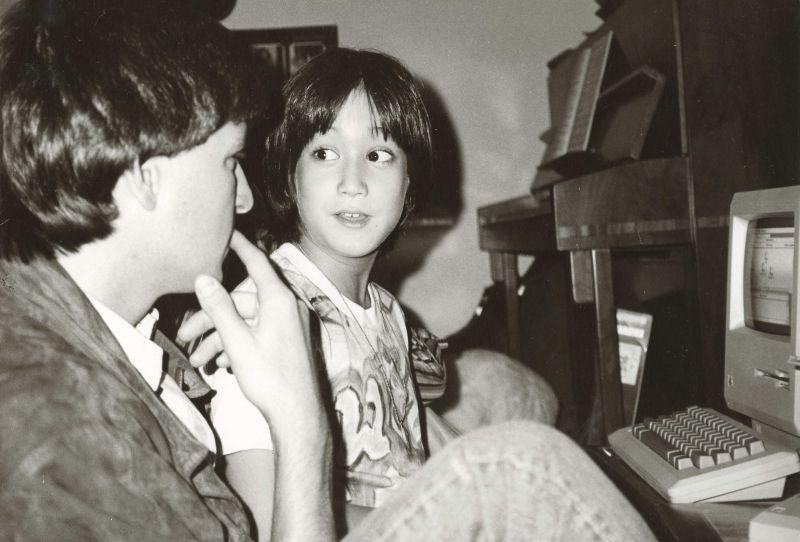
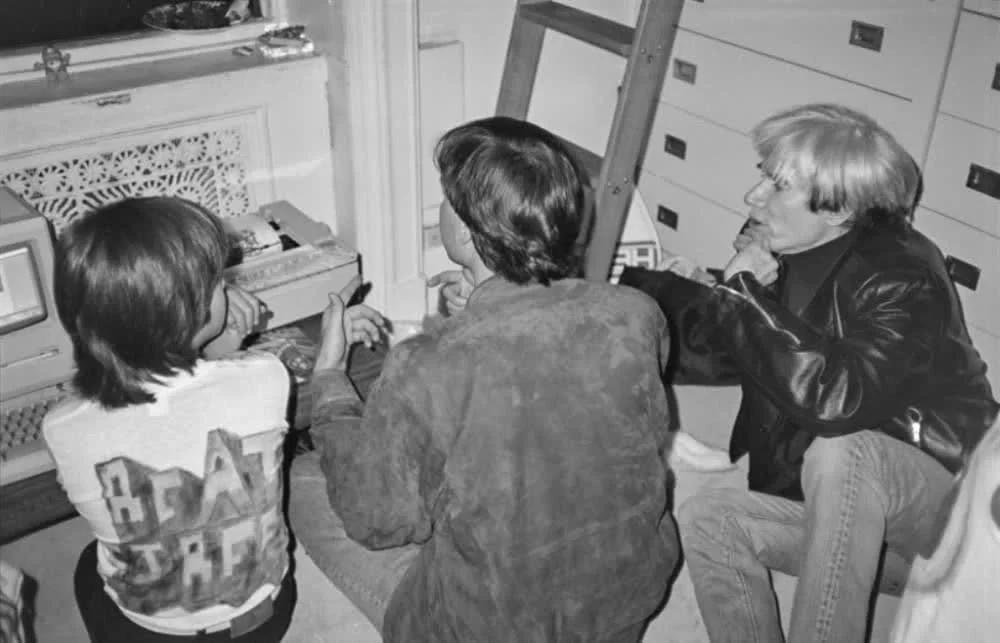
Sean understood it immediately. He picked up the mouse and began drawing, moving from simple shapes to more playful figures, including what was later described as a lion camel and a version of Boy George. His reaction was instant and unfiltered, a quick “Cool” that captured the exact response Jobs had always wanted from the Macintosh. In that moment, the computer stopped being an object and became an experience, pulling attention away from everything else in the apartment.
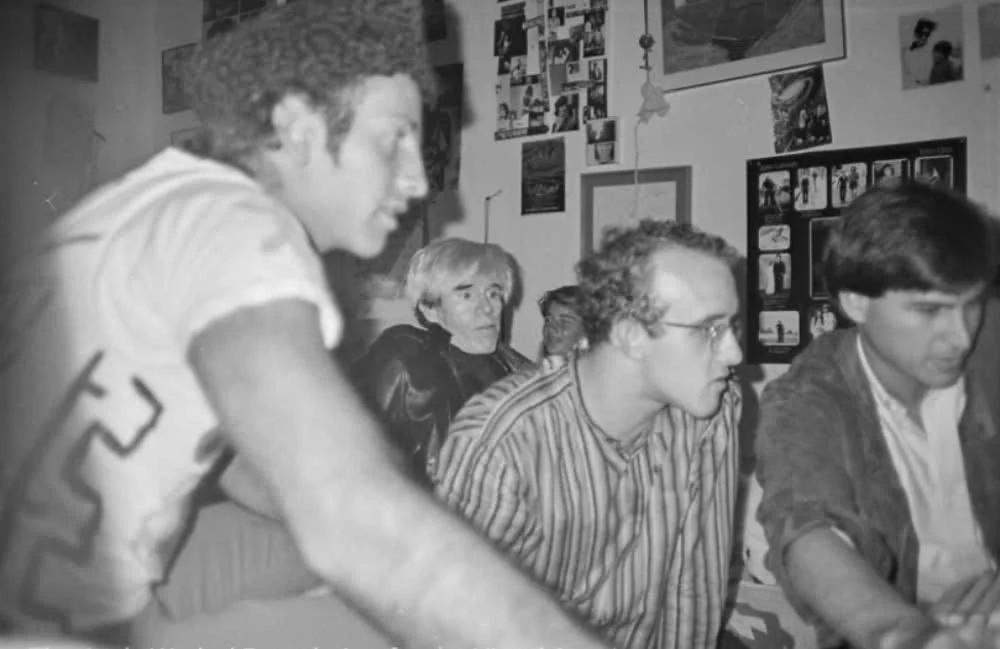
Warhol and Haring soon drifted in, drawn by curiosity, and found themselves absorbed in what was unfolding. Warhol watched closely before trying the machine himself, his fascination evident as he adjusted to the unfamiliar act of using a mouse. “Look at this, Keith. This is incredible,” he said, before managing to draw a simple circle, a small act that carried an unexpected sense of wonder. Later, he admitted that the experience made him feel out of step, a rare acknowledgment from an artist whose work had long explored the intersection of art and machinery.
A party, a machine, and the shape of what came next
The Macintosh did not dominate the evening because it was the most expensive or the most exclusive object in the room. It did so because it invited participation. In a space filled with people who were used to observing and being observed, it created a shared moment of discovery, drawing some of the most recognizable figures in art into a child’s bedroom where they crouched around a screen, experimenting like beginners.
That is what gave the moment its lasting significance. The Macintosh translated complexity into immediacy, turning curiosity into action without hesitation. Adults who might have asked what the machine was found themselves asking what they could do with it, while a child bypassed the question entirely and simply began to create. It was a quiet demonstration of a larger idea, one that would come to define the philosophy behind Apple’s approach to computing.
At the same time, the emotional weight of the evening never disappeared. The candlelight outside, the shared birthday, and the absence that lingered in every room gave the night a poignancy that extended beyond the novelty of the machine. One of the most affecting moments came when Sean reportedly remarked that if his father were there, they would sing for him, a line that reframed the entire celebration as something more personal and more fragile.
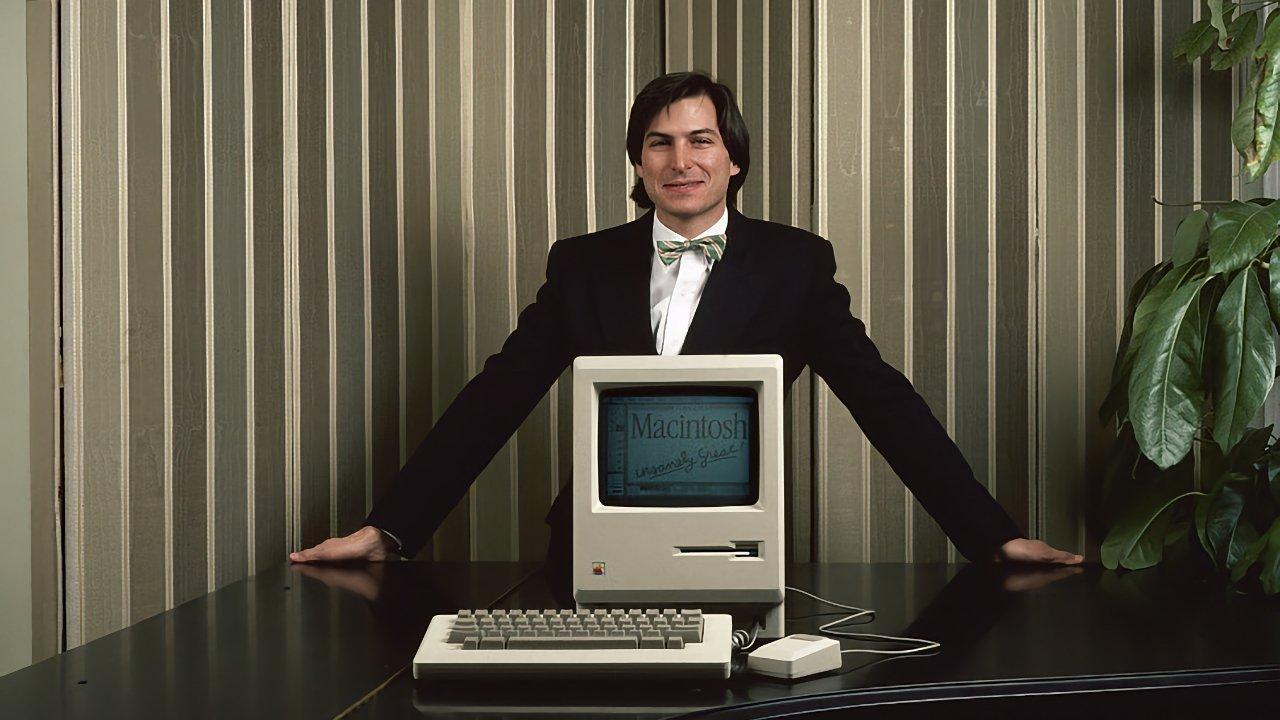
For Jobs, the experience would echo far beyond that night. He would later point to it as a way of explaining how people interact with technology, noting that adults tend to ask what something is, while children immediately explore what it can do. The scene in that bedroom became a small but powerful validation of his belief that computers should feel intuitive, designed not for specialists but for anyone willing to engage with them.
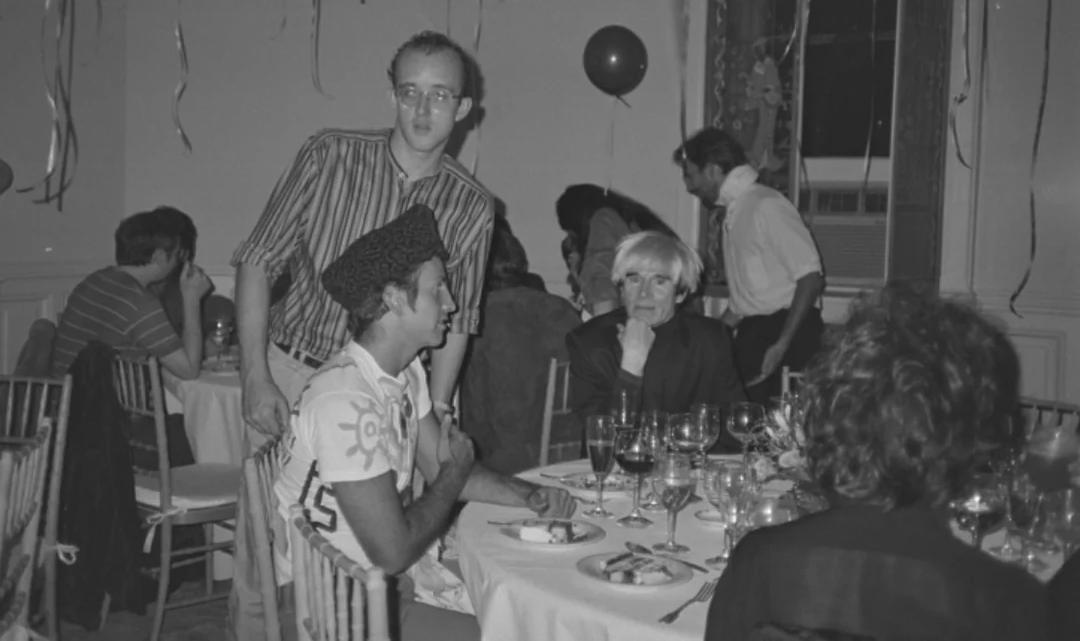
What remains is the image of that unlikely convergence, a room filled with cultural icons, a birthday shaped by memory, and at its center, a simple computer that managed to shift the mood of an entire evening. It did not rely on spectacle or status. It simply invited people to participate, and in doing so, it revealed a glimpse of the future in the most unexpected setting.