Superstar singer Dua Lipa is married, but of all the showstopping elements that laced her much-talked-about wedding to actor Callum Turner, it was her Sicilian wedding gown that stole the spotlight. The impossibly intricate white bridal creation was the first Chanel Haute Couture wedding dress designed by Matthieu Blazy for a friend of the House. He deployed the full force of Chanel’s Parisian craft ecosystem to deliver a creation that had it all, celebrity, couture craftsmanship, and Chanel history.
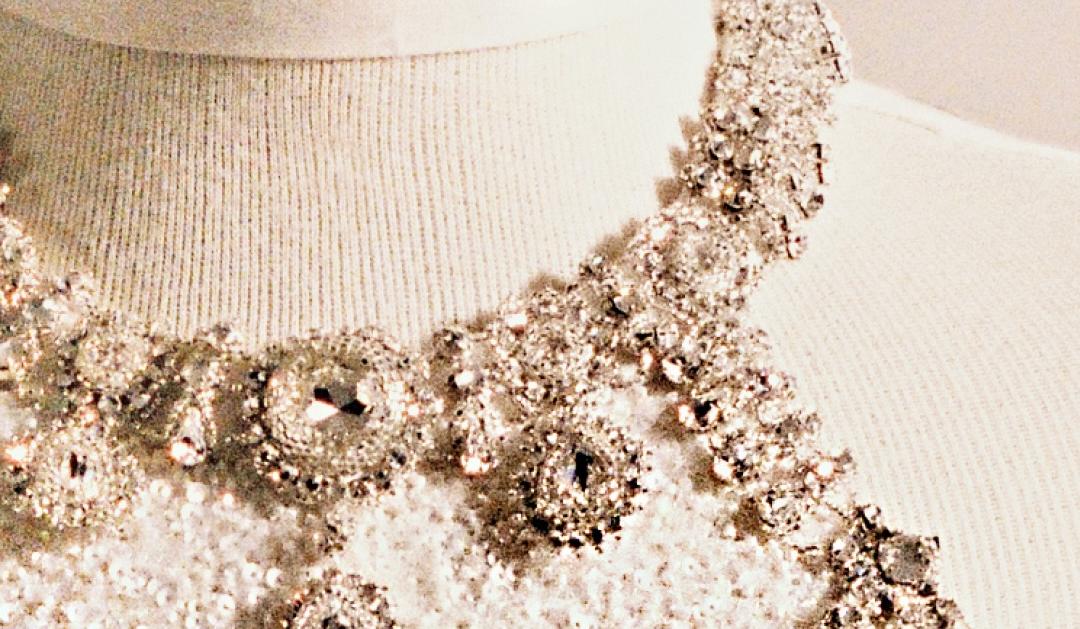
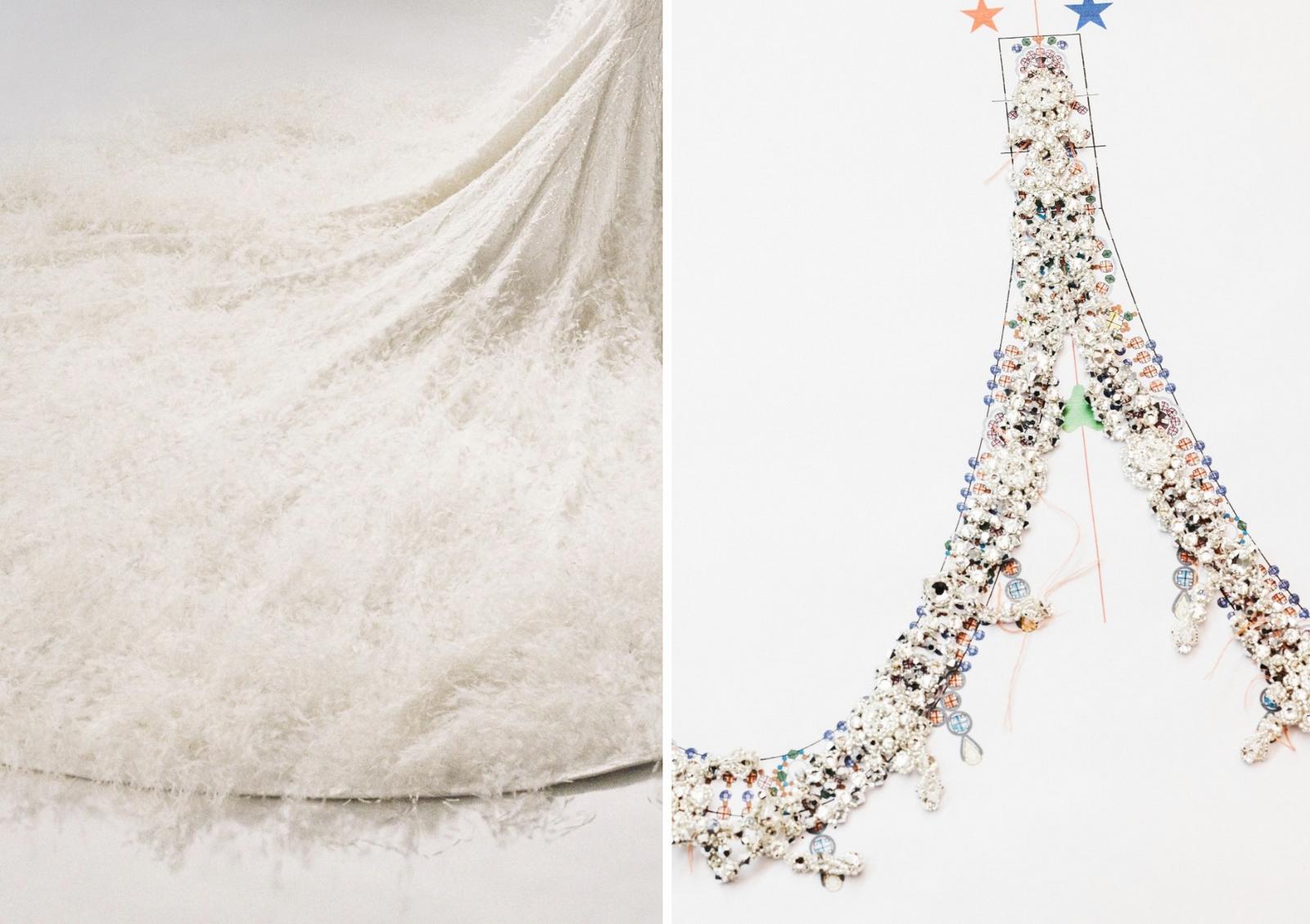
Painstakingly handcrafted at Chanel’s ateliers at 31 Rue Cambon in Paris, the ethereal white dress flaunted 480,000 hand-embroidered beads by Atelier Montex, along with trompe l’oeil jewels requiring 1,155 hours of needlework by Lesage. Adding jaw-dropping mystique to the dress was a two-meter train delicately underlined with a whopping 25,000 feathers by Lemarié, and a six-meter tulle veil embroidered with dreamy elements like delicate birds, flowers, beads, feathers, and hand-cut organza appliqués. Almost like a monument to fashion itself, the veil alone required more than 3,000 hours of handwork.
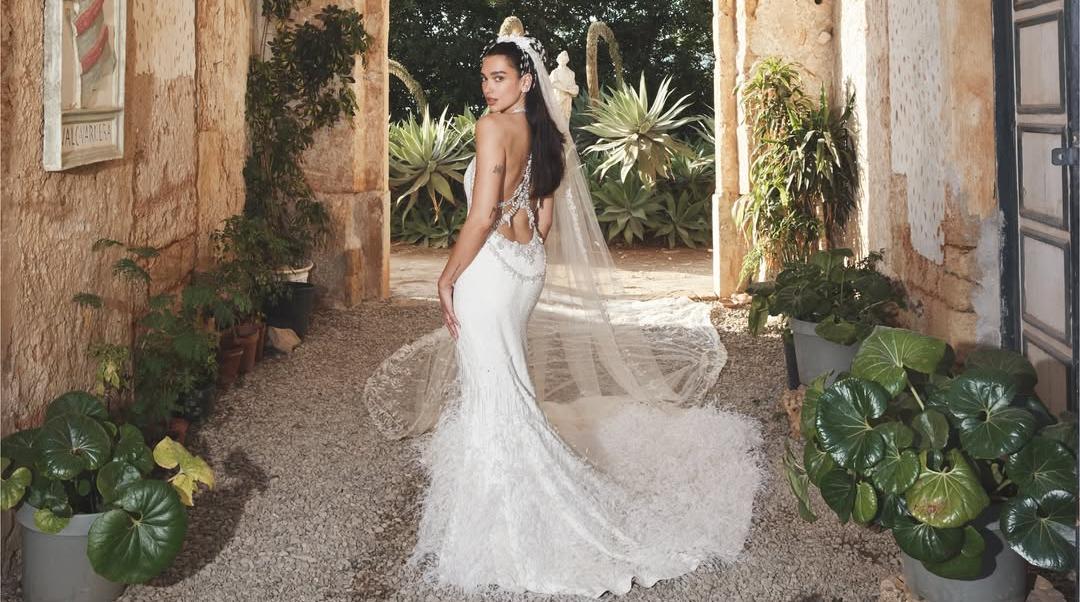
The look was completed not with glass slippers like Cinderella, but with Massaro’s custom white satin pumps. Massaro’s collaboration with Chanel goes back to Gabrielle Chanel’s famous two-tone shoe in 1957. Against the exposed stone pathways, yellow limestone walls, and flourishing green plants of Palermo, Sicily, Dua truly looked like a vision in a custom halterneck gown that was romantic, intricate, and impossibly grand. She looked every bit a queen, as she should, during the main ceremony that reportedly took place at Villa Valguarnera, an 18th-century mansion known as “little Versailles.”
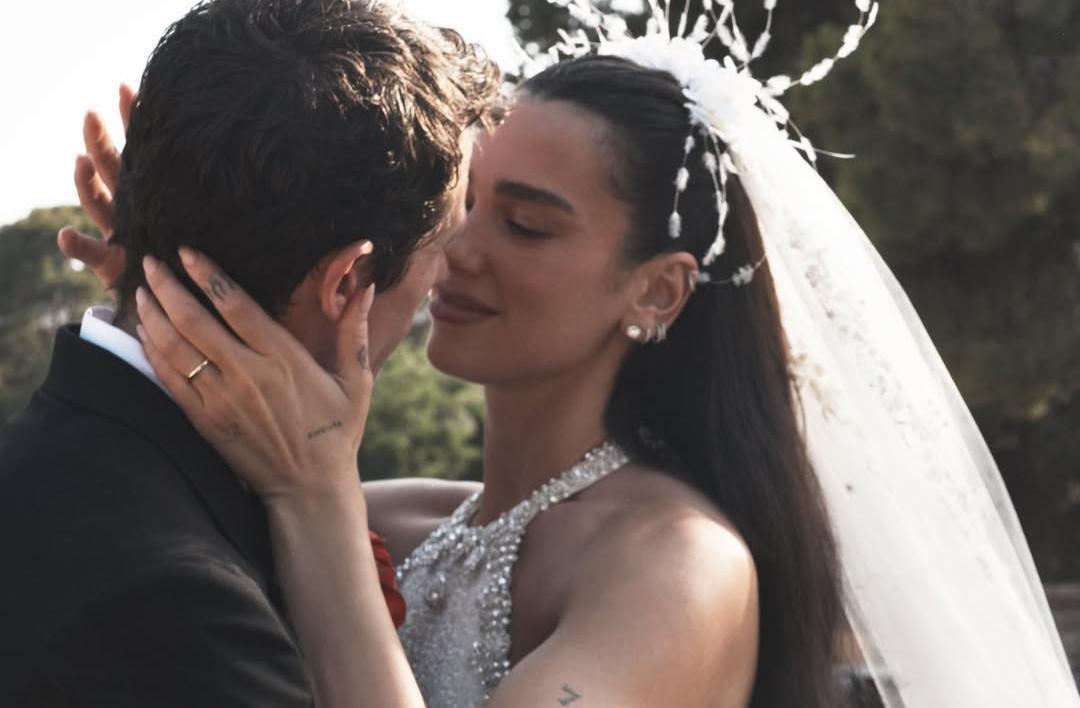
Interestingly, while the world went gaga over Lipa’s wedding gown, the fact is that it also meant a great deal to Dua herself, and not just owing to the intricacy or beauty of her dress. During her Chanel 25 handbag campaign, she shared that when she signed her record deal in 2014, the first thing she did was go to Chanel and buy a Boy bag, calling the campaign a full-circle moment. But it appears the full-circle moment actually took place on June 20, when the 30-year-old said “I do” in the most striking way one could.
Chanel has not disclosed a price for the ensemble, but given the labor, materials, and Maisons d’art involved, it would almost certainly sit in the upper six-figure couture universe and could plausibly approach the million-dollar conversation. According to Vogue, haute couture designs do not come cheap, with the most simple pieces starting at around $50,000 and the more extravagant edging up to nearly $800,000 or more for a single garment. With a fashion army at the helm of Dua’s dress, the million-dollar mark does not seem like an exaggeration at all.

After Dua’s white Chanel, the House is also celebrating 100 years of the LBD
Coco Chanel’s iconic little black dress is 100 years old. What started as a simple sketch published in American Vogue in October 1926 revolutionized women’s fashion forever and marks its centenary in 2026. Coco’s grit and fashion sense turned black from a color worn in mourning into a power statement, thanks to a calf-length, long-sleeved day dress made of modest black crepe de Chine.

More than ten decades later, all would agree with Karl Lagerfeld’s words: “One is never over-dressed or under-dressed with a Little Black Dress.” The icon, who arrived at Chanel in 1983, brought back the LBD with refreshed energy, using fetishistic vinyl, punk-inspired safety pins, and heavy leather to give it a sharper, more rebellious mood. That sentiment was carried forward by recent creative directions, from Virginie Viard’s structured, belted knit layers to the House’s newest chapter under Matthieu Blazy.

Safe to say, the century belongs to Chanel. In 1926, Chanel made history with a black dress designed to look simple. In 2026, it captured attention with a white dress designed to look weightless, despite hiding more than 4,000 hours of labor. Both prove that a Chanel dress does not need color to dominate fashion history.