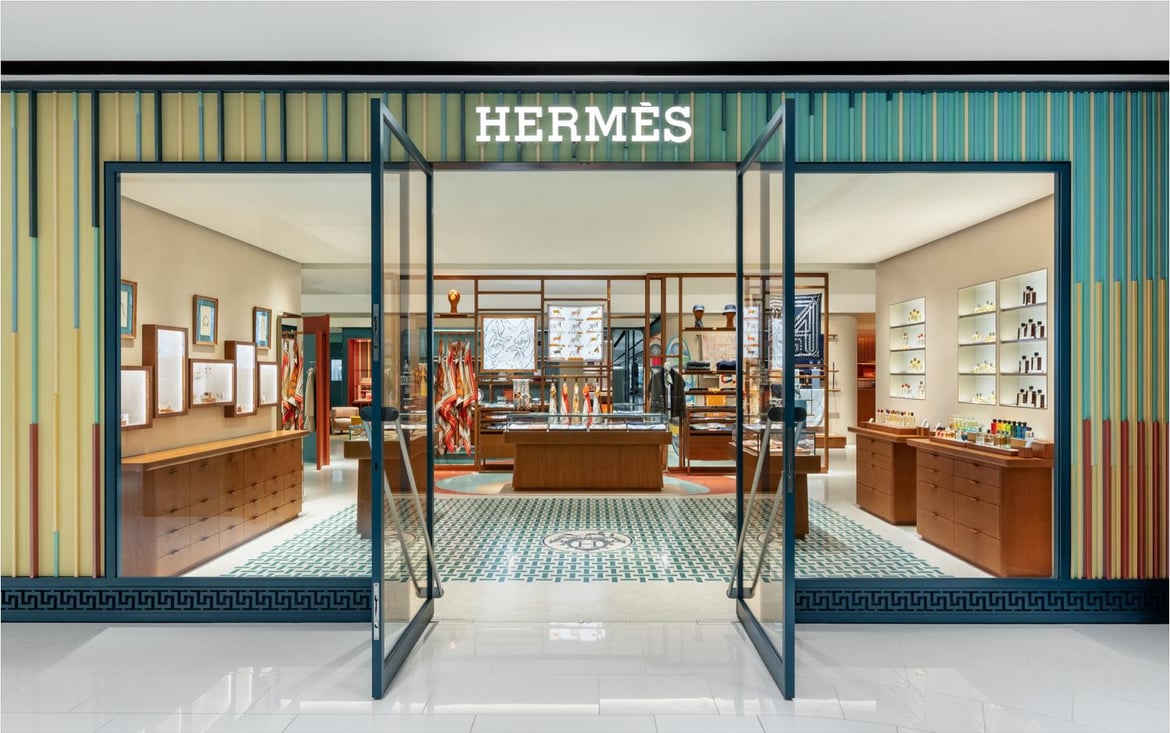
Hermès has been making handbags since 1922. That is over a century of handbags, and still, in 2026, it does not really want you to have one, at least not easily. It is rather interesting that the brand seems to be doing everything in its power not to let even genuinely interested clients have their designer Birkins or Kellys. This fashion accessory has been given holy grail status, touted as an investment better than stocks, and it costs a small fortune. Still, despite paying top dollar, one cannot expect to be treated with graciousness or gratitude by staff who seem trained to be ice cold. Inside the boutiques, there is almost an unwritten rule that every new client is automatically a suspect, a potential reseller first and a genuine Hermès lover only if they pass a long list of invisible tests.
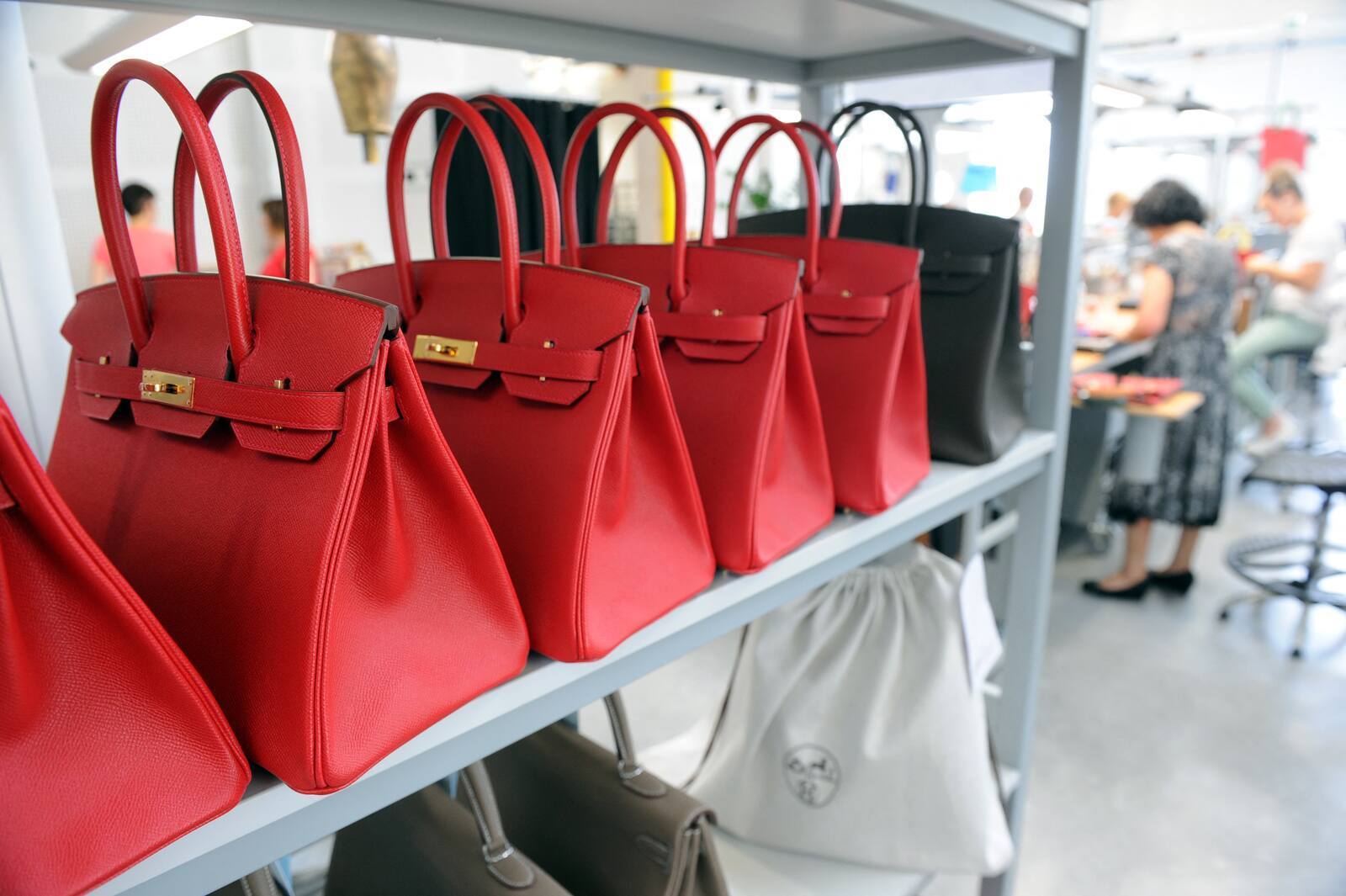
The latest news doing the rounds is even more bizarre. Hermès is accused of “stalking” its customers’ home addresses to see if they are “prestigious enough” to buy a Birkin bag. It means it does not matter if you are willing to wait a year and pay over ten thousand dollars for a handbag; if Hermès does not approve of your neighborhood, chances are your Hermès-loving heart will be brutally broken, and your pin code (along with Hermès harshness) is to be blamed. Hermès employees use Google to analyze the addresses of prospective Birkin buyers to ensure their homes are “prestigious” enough. This is luxury KYC taken to a new level, not just know your customer, but know your customer’s postcode before deciding if they deserve a bag.

The extreme measures used to screen their elite clientele do not even stop at addresses. According to French fashion publication Glitz, employees of the French luxury house also reportedly scrutinize potential owners’ social media accounts. And God forbid they spot a customer listing the bag for sale on their social media; both the client and the employee responsible for the sale are allegedly blacklisted. For a house that now obsesses over who is “worthy” enough to own a Birkin, it is almost funny to remember how casually the bag actually began. Wasn’t it because French actress Jane Birkin struggled to fit all her essentials into one nice bag she could use daily? Wasn’t it supposed to be an accessory that held a woman’s world in it? Then why has it metamorphosed into a brand that deprives women of having one, owing to the status symbol circus? First you make them wait, grovel, and pine for it. And finally, you even judge them, from address to appearance.

In store, they will go through your entire appearance, judging your attire and the luxury labels on you. Turn up with quieter Hermès styles like the Plume or the Victoria, and you are in the safe zone. But, arrive with monogrammed bags from other labels, and you may be treated as a tourist in the Hermès universe. The style scrutiny extends to the wrist; if they spot a big, flashy Rolex, you are red flagged instantly by the sales associates. Swap that for a serious Audemars Piguet or a complicated Richard Mille, and the perspective shifts.

Apparently, they even measure loyalty in a weird way, where shopping from the same Hermès store helps you climb the ladder of acceptance into the world where Birkins and Kellys are offered, but of course not in a color of your choice. If you truly want a Birkin, you are better off buying big, hard to resell pieces first. Furniture, homeware, and objects for the house count heavily in your favor such as a Hermès coffee table, a blanket, or a set of porcelain. The Hermès luxury KYC is really class based KYC requiring clients to spend about $10,000 on other categories before being offered an entry level bag, and significantly more if they want something rare or exotic, to the tune of $200,000.
All this judgment was evidently not there when Hermès’ chief Jean-Louis Dumas designed the bag for a regular-looking Jane Birkin on a flight, juggling a wicker bag that was constantly spilling its contents, like her diary, notes, and photos. She was not on her best behavior either; she was lamenting to her talented seatmate about the lack of a leather bag with pockets. Gone are the days when lamenting worked; now, even long lines with millions in hand (for a bag that costs about $1,000 to craft) do not.