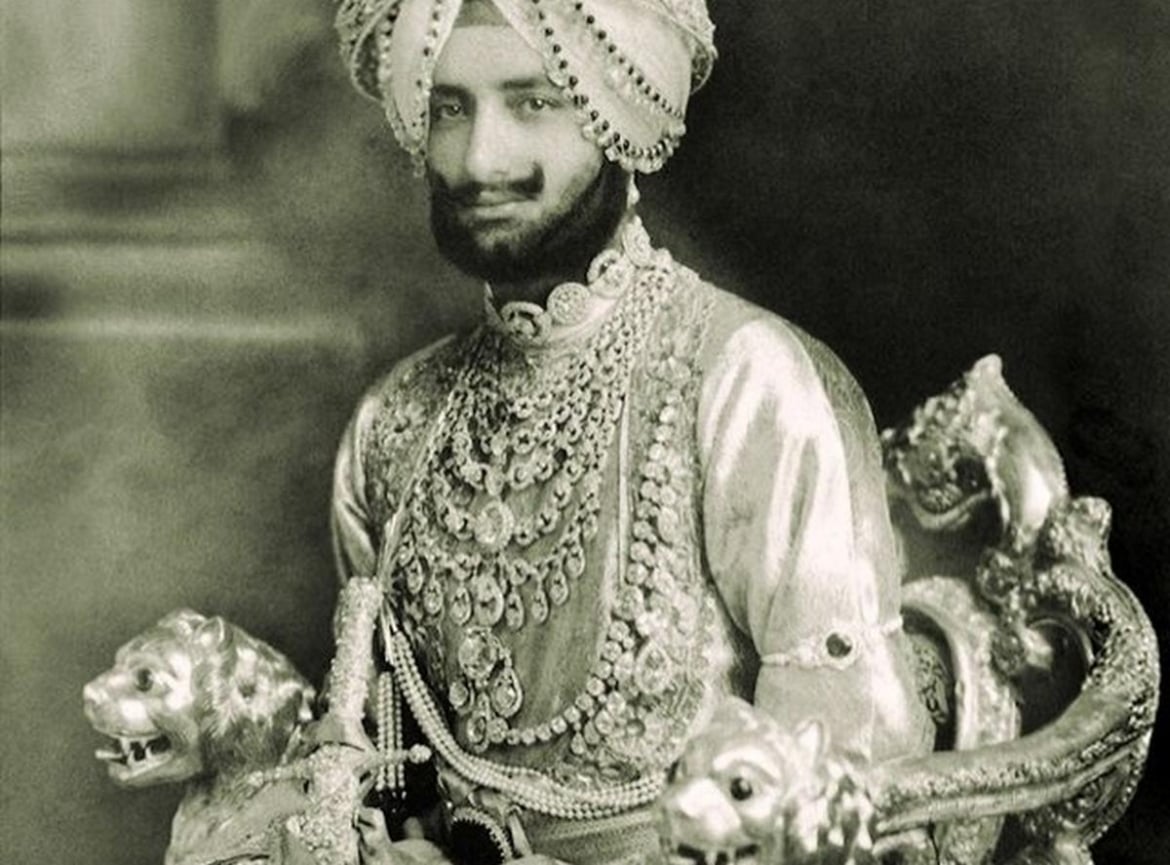
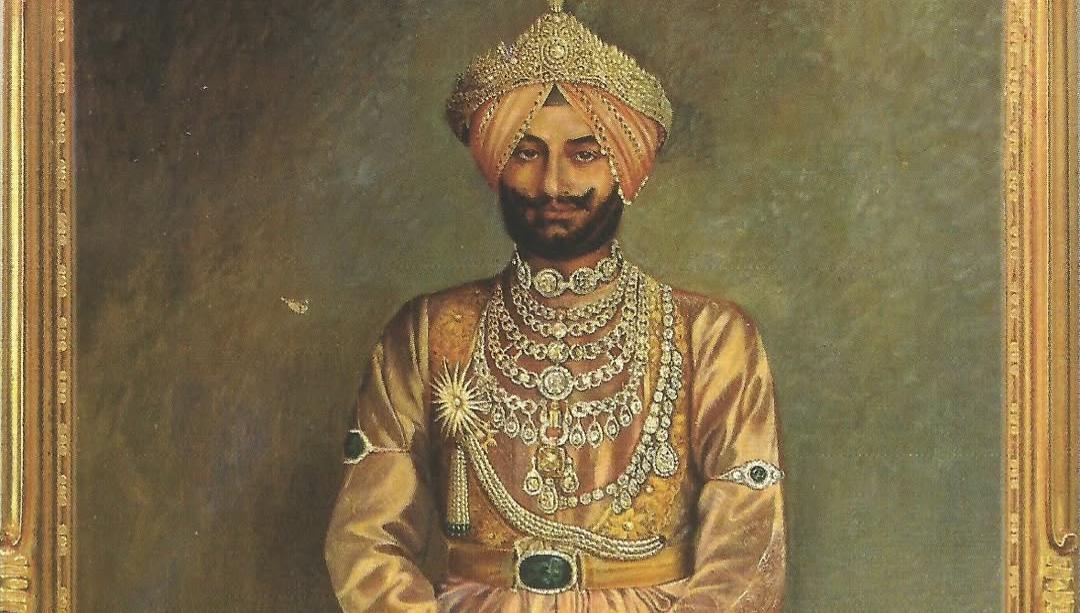
In a world where people are impressed by billionaires’ superyachts at marinas, front-row seats at the Grand Prix, and selfies taken inside private jets, one needs only to look at Maharaja Bhupinder Singh of Patiala, India, to understand what extravagance truly meant. On August 2, 1928, it was not a fleet of Rolls-Royces, though he did own 44 custom examples, but the Maharaja himself who stopped traffic at Place Vendôme in Paris. This was, at heart, a shopping trip, but for Bhupinder Singh, even a shopping trip unfolded like royal theater. Leaving behind his princely quarters, reportedly 35 suites booked at the Ritz Paris, the Maharaja made his way to Boucheron. The word fanfare hardly does justice to the spectacle. Towering at 6 ft 7, the Indian royal carried not just a larger-than-life presence but also a reputation that had already made him famous across Europe for his appetite for jewels and luxury.
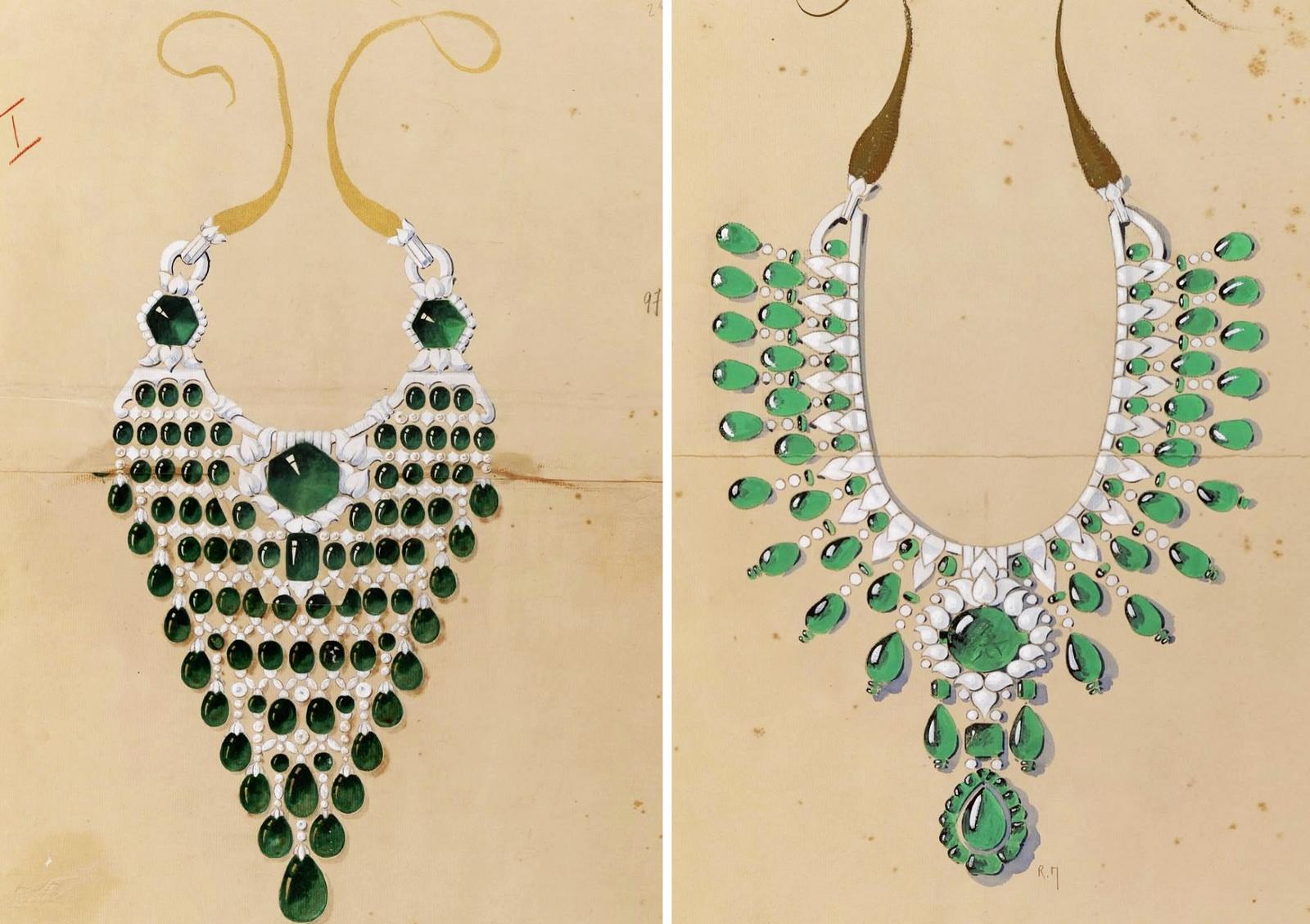
He did not arrive alone. As part of an entourage of around 40 servants and attendants, complete with cooks and other staff, Bhupinder Singh was accompanied by armed Sikh guards. These burly men carried six iron safes containing something so precious that Louis Boucheron himself stepped out to receive the Maharaja and his party, almost as if he knew something extraordinary was about to unfold. And extraordinary it was. From those safes emerged 7,571 diamonds and 1,432 emeralds, along with rubies, pearls, and other precious stones. Boucheron sifted through the astonishing cache and selected the finest gems to create 149 designs, including emerald-and-diamond collars, multi-strand pearl necklaces, and gem-covered belts.
The designs were so significant that they were immaculately preserved in Boucheron’s archives, where Claire Choisne would later revisit them as inspiration for Boucheron’s 2022 “Histoire de Style: New Maharajahs” collection. And why not? The order became the largest special commission in Place Vendôme history. So vast was the undertaking that Boucheron reportedly pulled out all the stops and even sought help from neighboring houses, including Cartier and Van Cleef & Arpels, to meet the deadline. The 149 pieces were said to have been completed in just three months.

What makes the episode remarkable is not merely the scale of the gems or the grandeur of the Maharaja’s arrival, but the fact that one Indian ruler from a princely state so completely rattled Place Vendôme that its greatest jewelry houses had to rally together to fulfill a single commission. Then again, this was the era after World War I, when Indian maharajas descended on Paris and London as some of the most coveted clients in the world, commissioning Art Deco masterpieces from houses such as Cartier, Boucheron, and Van Cleef & Arpels.

The Boucheron incident was not a one-off display of excess. Bhupinder Singh, a connoisseur of all things refined, was known for buying truckloads of gemstones and working with European luxury houses such as Asprey, Boucheron, Cartier, and Garrard. In that context, comparing this princely shopping spree to the ownership of a superyacht today almost feels inadequate. This was excess on a scale that has largely disappeared, vanishing along with the flamboyant world of the great maharajas.