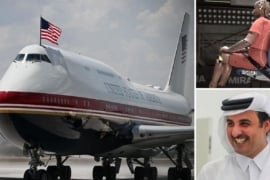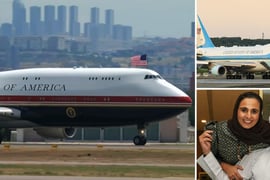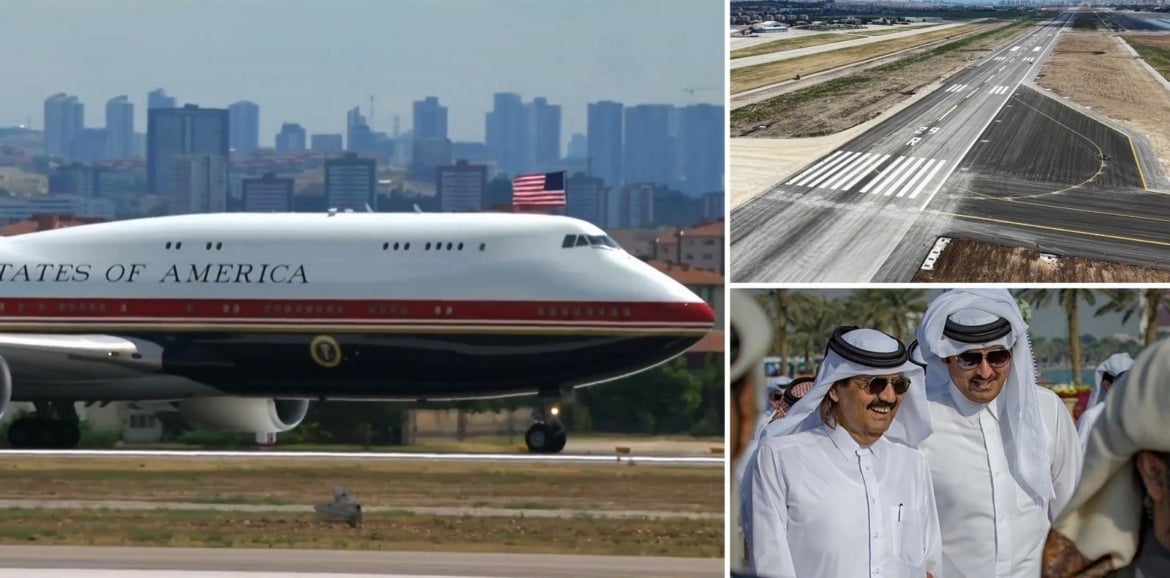
The $400 million Boeing 747-8 donated by Qatar to the United States is not simply another presidential aircraft. At more than 76 meters (250 feet) long and weighing up to 442 tonnes at maximum takeoff, it is the largest airliner Boeing has ever built. Its sheer size is so extraordinary that before it could make one of its highest-profile appearances as the future Air Force One, Turkey had to modernize an entire airport so it could accommodate the giant jet.
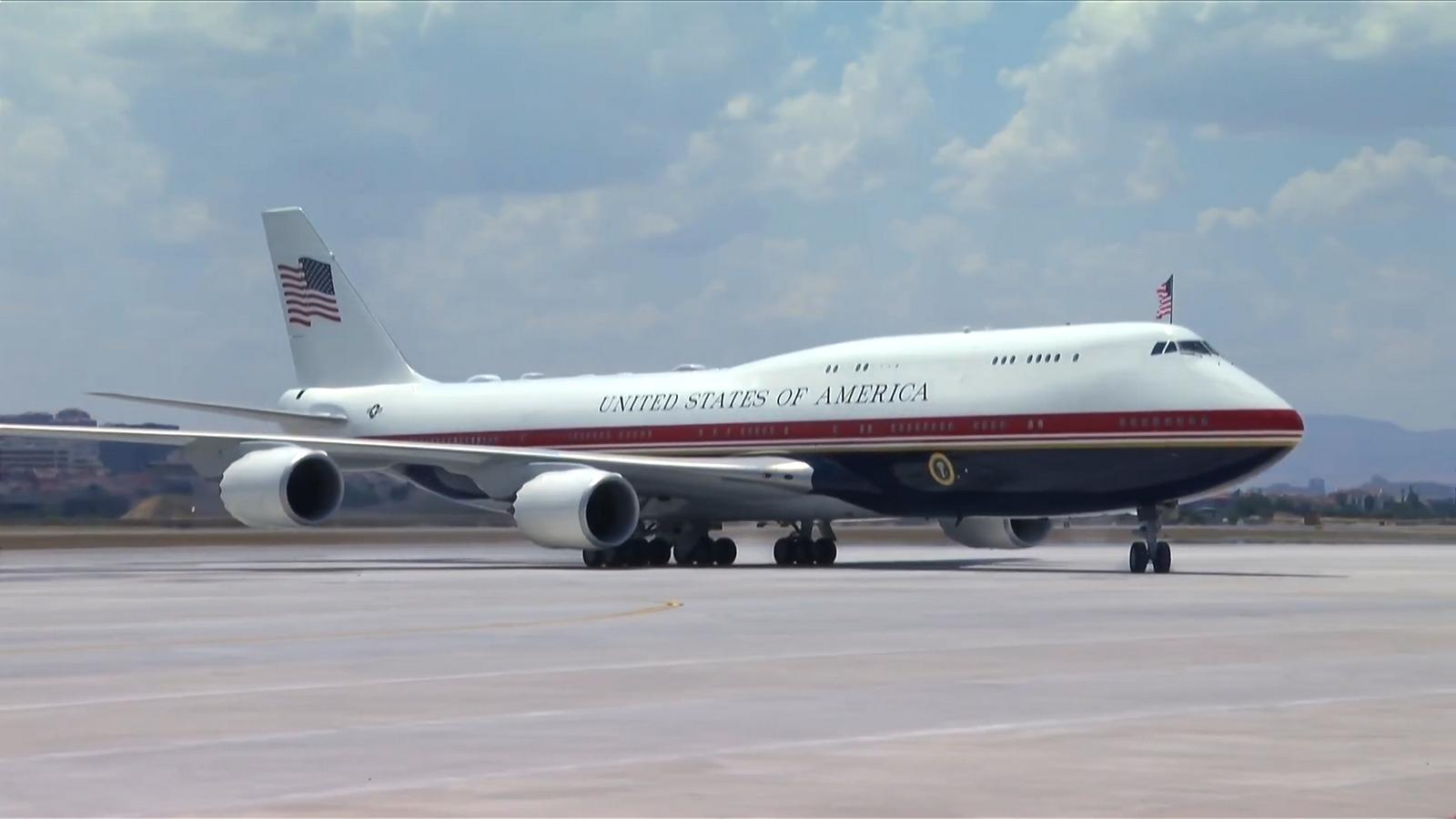
That transformation took place ahead of the NATO summit in Ankara, where Turkey reopened the former military Etimesgut Airport after an eight-month reconstruction project. Operating under the code “ANK,” the airport has been repurposed to handle VIP, diplomatic and state flights while easing congestion at Ankara’s main Esenboğa Airport, as reported by TurkiyeToday. Among the dozens of government aircraft expected for the summit, none demanded more from the airport than the Boeing 747-8 being converted into America’s next Air Force One.
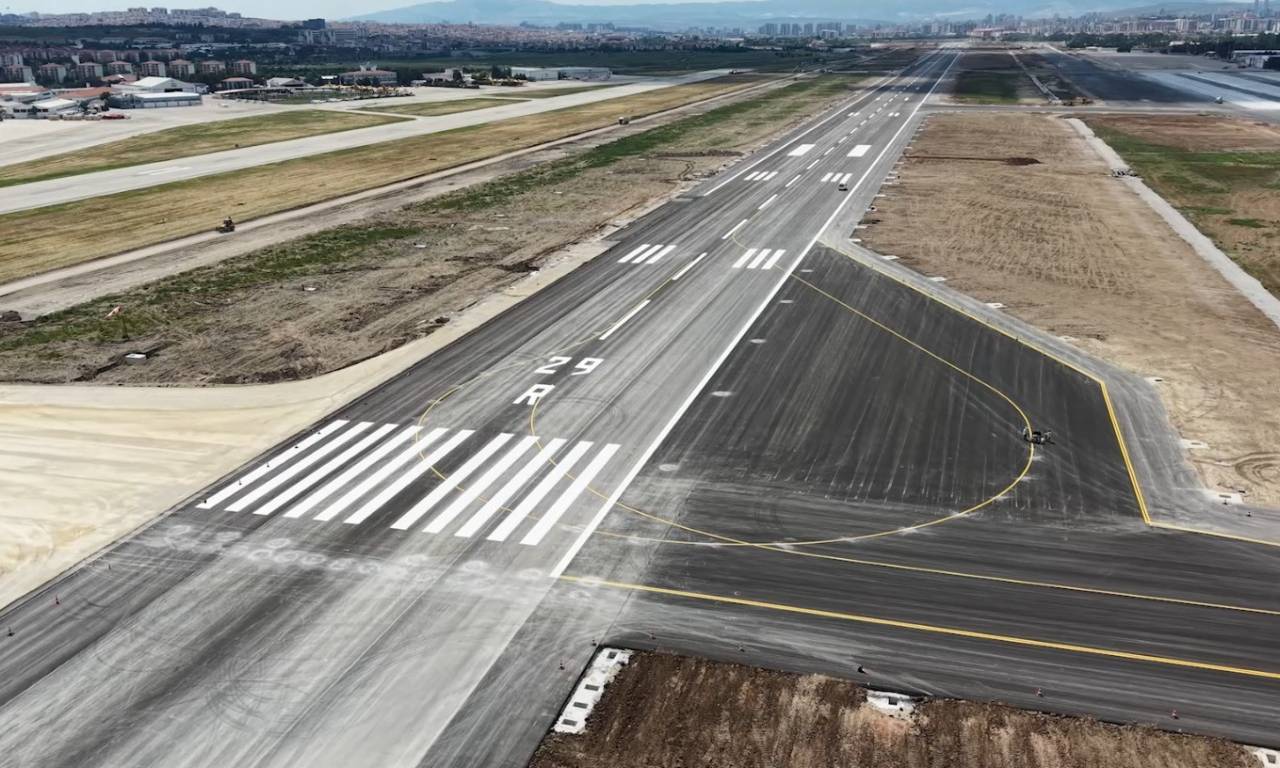
A runway rebuilt for one airplane
The reconstruction was far more extensive than extending the runway. While its length increased from 2,450 meters to 3,000 meters, the more significant engineering challenge was widening it from 42 meters to 60 meters. That single change upgraded the airport to ICAO Category F standards, the highest aerodrome classification used by commercial aircraft and one shared only by the Boeing 747-8 and the Airbus A380.
The reason lies in the aircraft’s enormous 68.4-meter wingspan. Most of the world’s major airports are designed to ICAO Category E standards, but the 747-8 falls into the larger Category F because of its size. Before the reconstruction, Etimesgut’s runway was narrower than even Category E requirements, meaning the aircraft could not normally operate there under standard airport specifications. Widening the runway to 60 meters solved that problem, allowing the jumbo jet to use the airport without requiring exceptional operational measures.
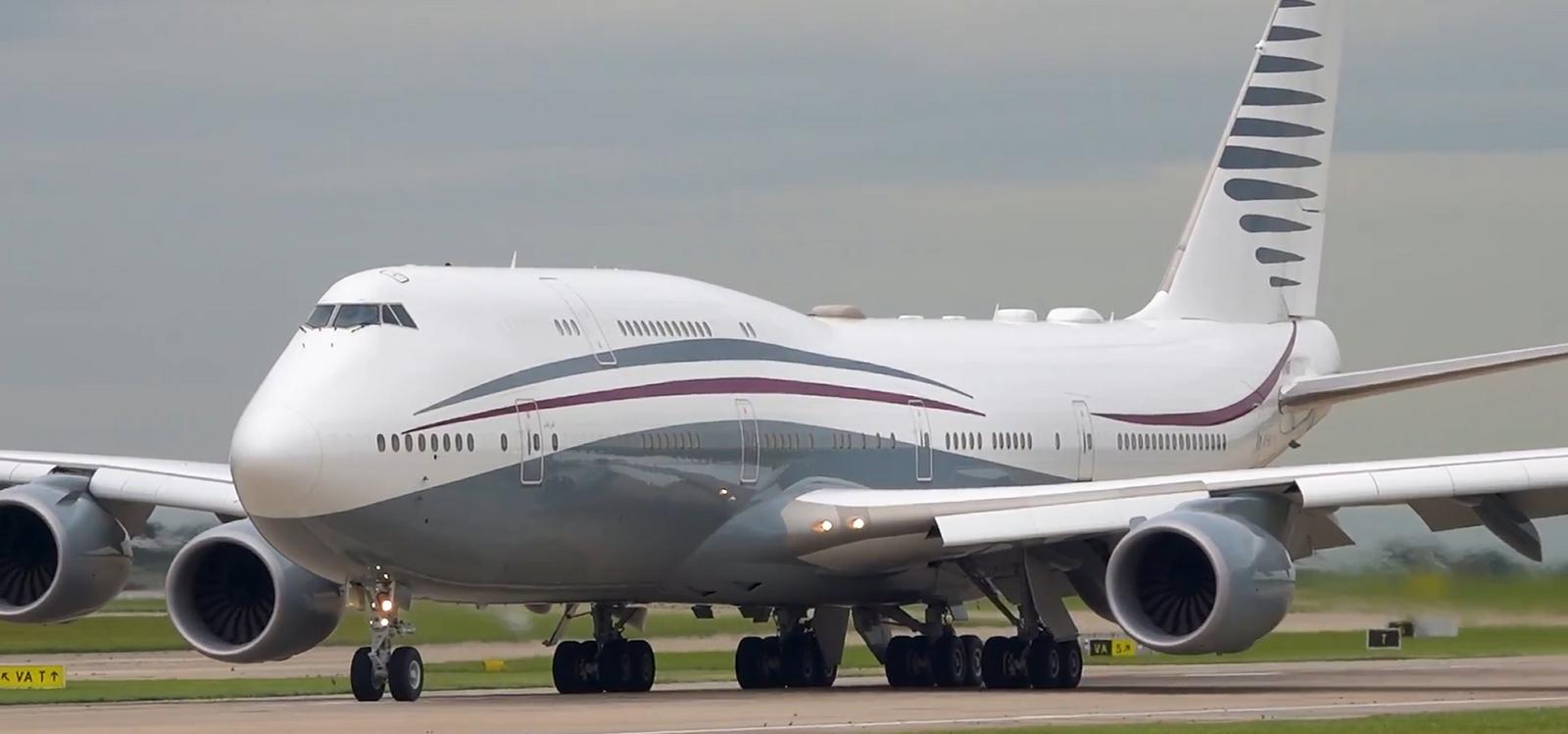
Runway length presented a different challenge. The Boeing 747-8 is not only the world’s longest airliner but also Boeing’s heaviest commercial aircraft, with a maximum take-off weight of around 442 tonnes (about 975,000 pounds). Ankara sits roughly 808 meters (2,650 feet) above sea level, and the summer heat further increases density altitude, reducing engine performance and lift. Under those conditions, the previous 2,450-meter runway would have offered little margin for a heavily loaded transatlantic departure. Extending it to 3,000 meters ensured the airport could comfortably accommodate the aircraft’s operational requirements.
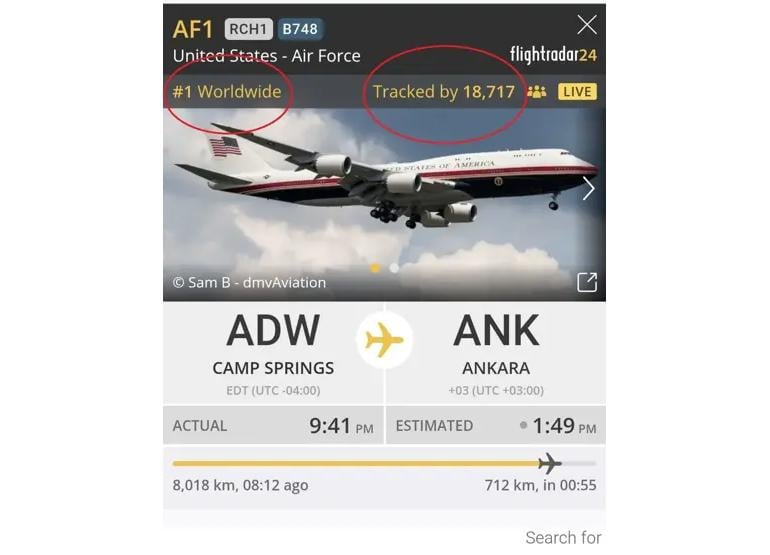
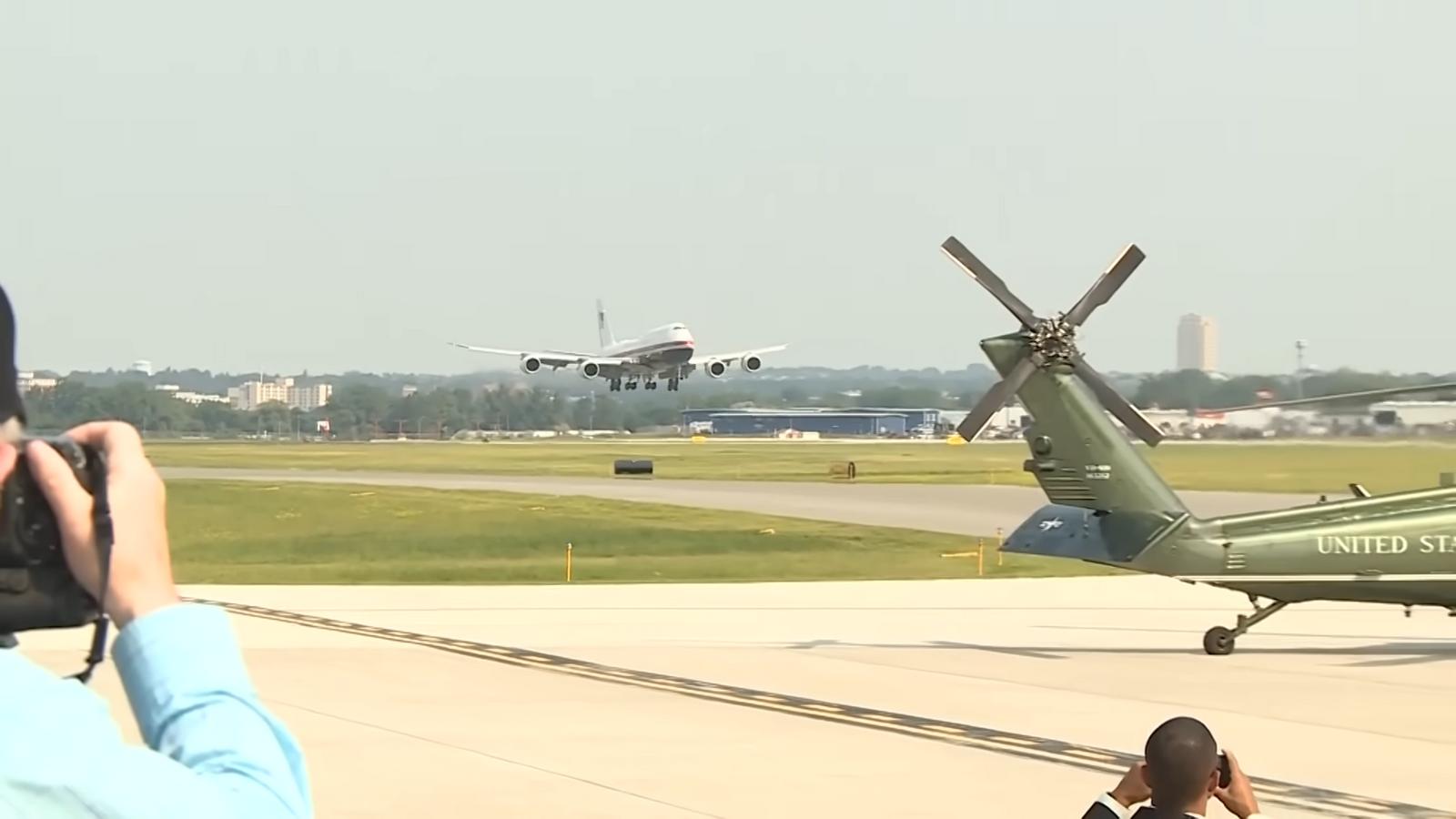
Extending the runway to take a jet this size cost in the region of $120 million, and the investment proved worthwhile when the future Air Force One became the largest visiting aircraft at the NATO summit. While most foreign delegations arrived aboard Airbus A330s, A340s, A350s or smaller government aircraft, the Boeing 747-8 was the summit’s only visiting Category F aircraft. On the day of its arrival, Air Force One also became the most-tracked aircraft on flight-tracking platforms, turning Ankara’s newly rebuilt diplomatic airport into one of the world’s most closely watched aviation stages.
Bigger than the current Air Force One
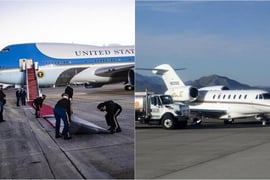
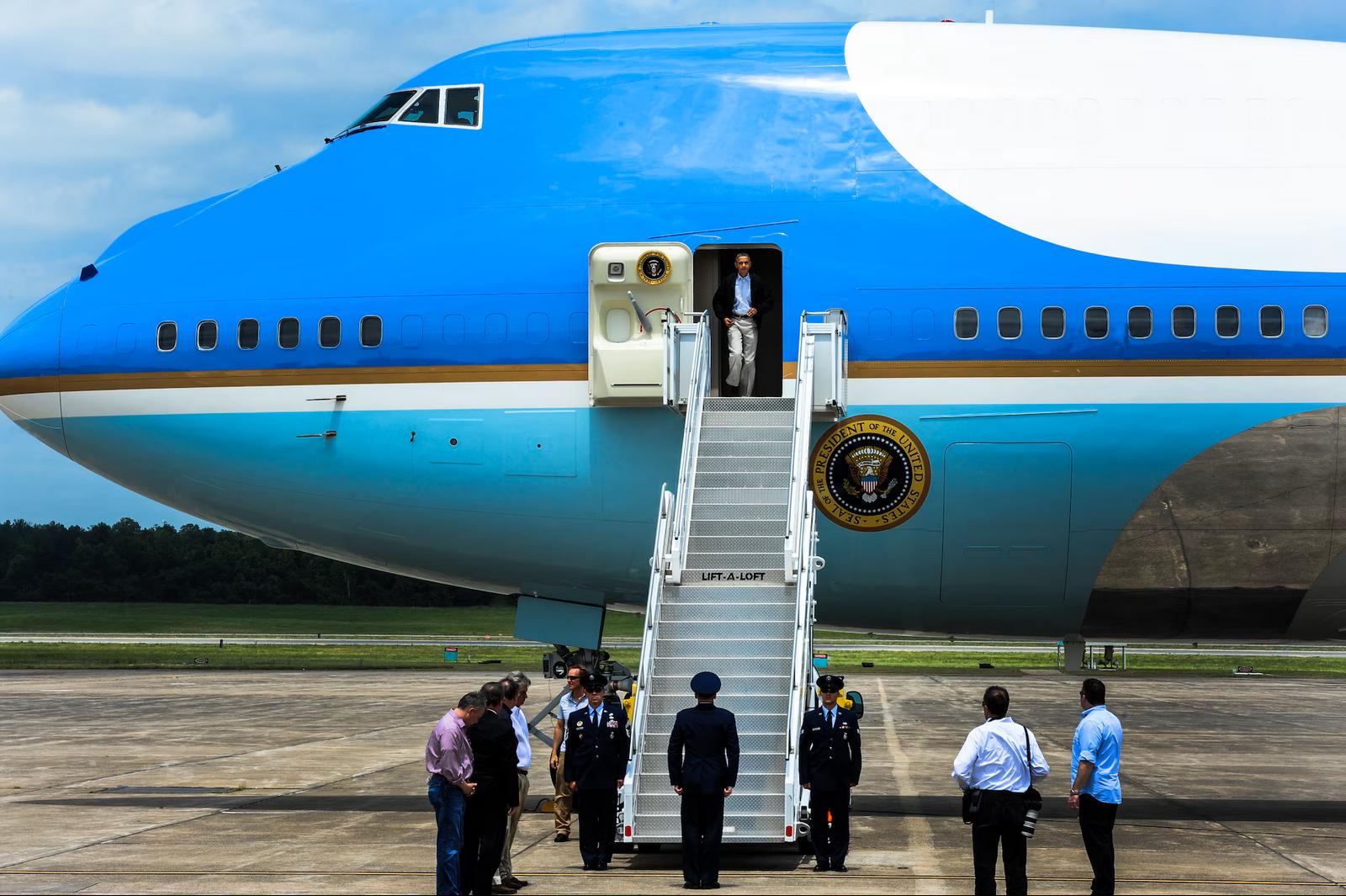
The aircraft’s extraordinary dimensions also explain why it is considerably larger than the aging VC-25A fleet it will eventually replace. The current Air Force One jets are based on the Boeing 747-200B introduced in the late 1980s. The newer 747-8 stretches just over 76 meters in length, making it nearly 6 meters longer than the VC-25A, while its wingspan extends about 4 meters farther. Those seemingly modest increases are significant enough to move the aircraft into an entirely different airport category, forcing airports to meet stricter runway-width requirements.
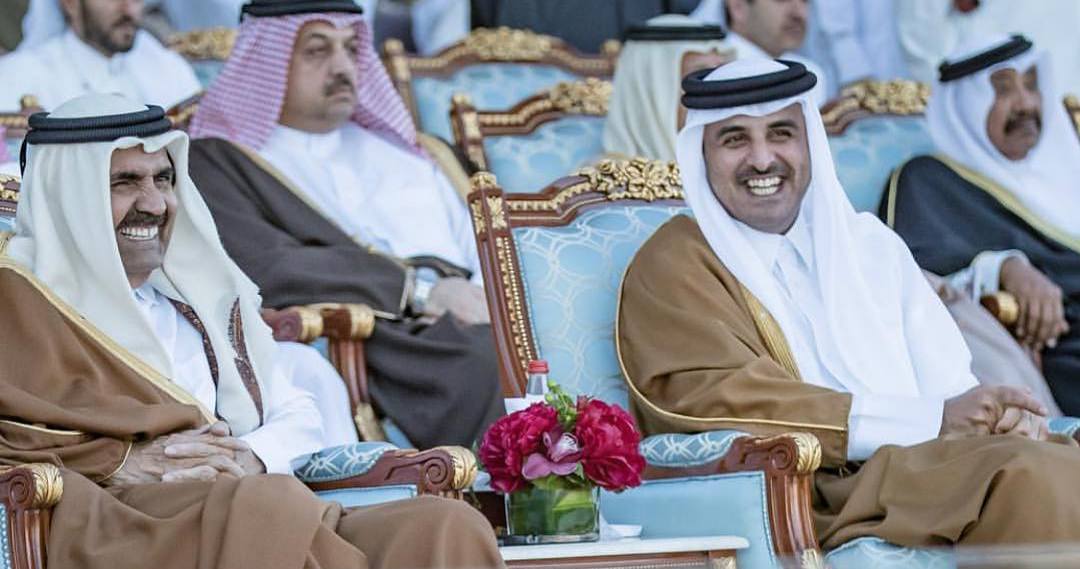
This is not the first time the aircraft’s size has shaped airport infrastructure. Before being donated to the United States, the Emir of Qatar regularly traveled aboard the Boeing 747-8 as his personal aircraft. During a vacation to the Italian island of Sardinia, local aviation authorities used its arrival as the first real-world operational validation of a newly upgraded runway. Once the giant jet completed the landing successfully, the airport was cleared for ultra-long-haul operations, illustrating how the aircraft’s extraordinary dimensions have repeatedly served as the benchmark for major airport upgrades.
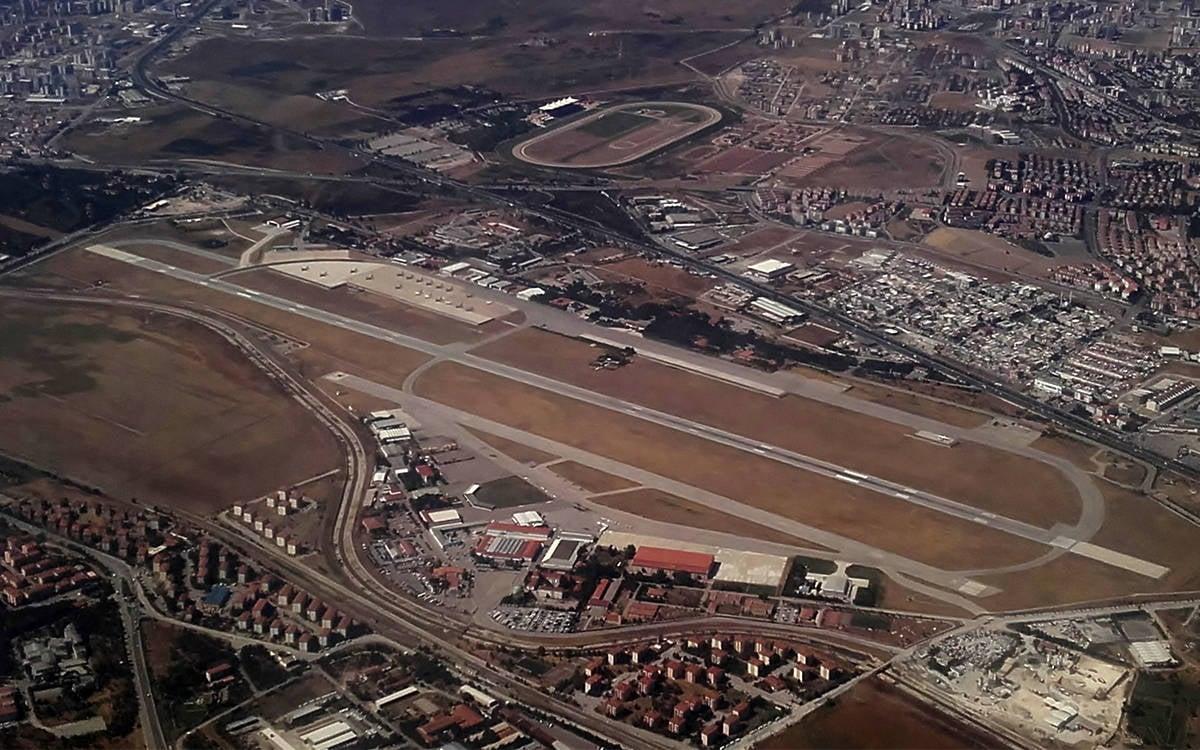
Turkey’s reconstruction of Etimesgut followed the same pattern. Beyond the wider and longer runway, the project included upgraded taxiways, a 160,000-square-meter apron capable of accommodating 44 aircraft, new navigation and lighting systems, and expanded protocol facilities. When the future Air Force One rolled onto the tarmac, it was far more than another diplomatic arrival. It became the first globally scrutinized demonstration that Turkey’s new diplomatic gateway could successfully handle one of the largest and most demanding government aircraft ever built.