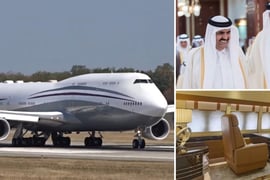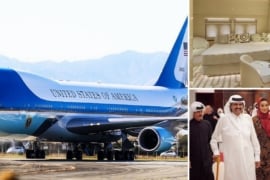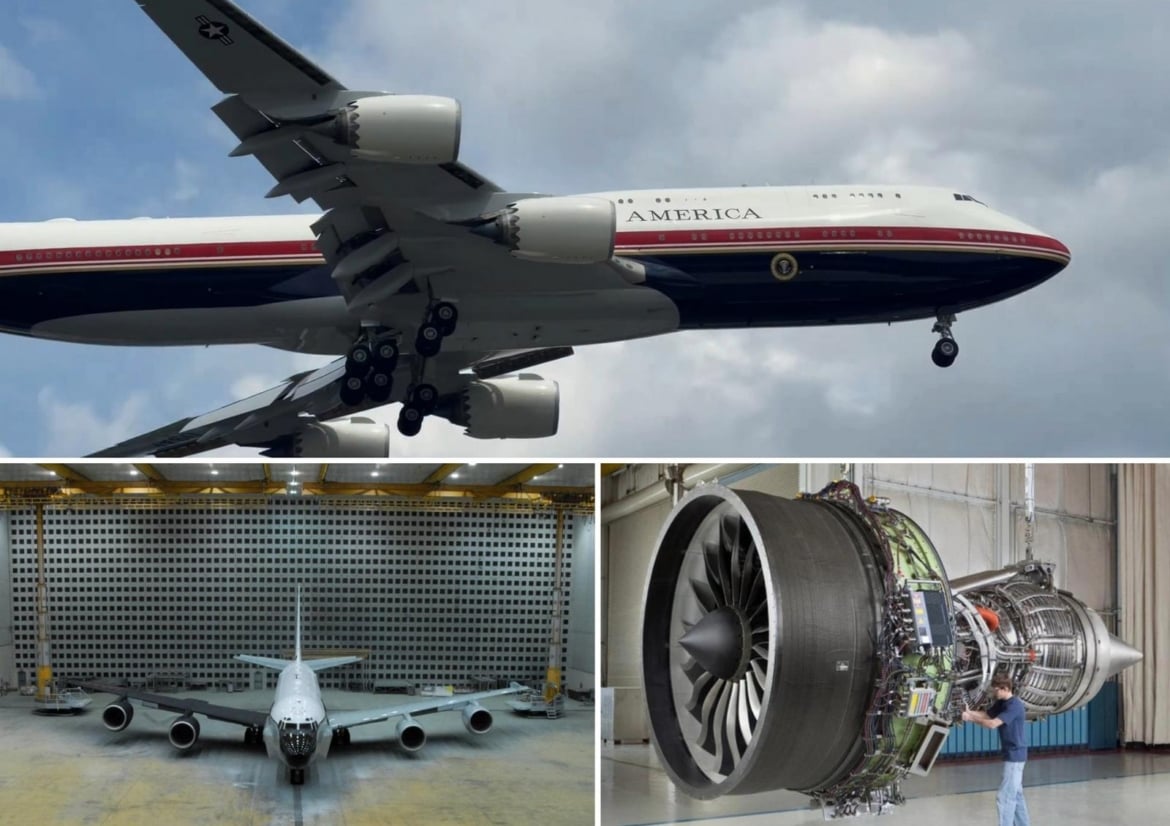
The gleaming Boeing 747-8 that emerged from a secure Texas facility this summer may wear the colors of Air Force One today, but just ten months ago, it was a luxury aircraft built for Qatar’s ruling elite. Behind its transformation stood an around-the-clock workforce of roughly 400 technicians, engineers, security specialists, and certification experts assembled by defense contractor L3Harris to deliver what has become known as the first VC-25B “Bridge” Air Force One.
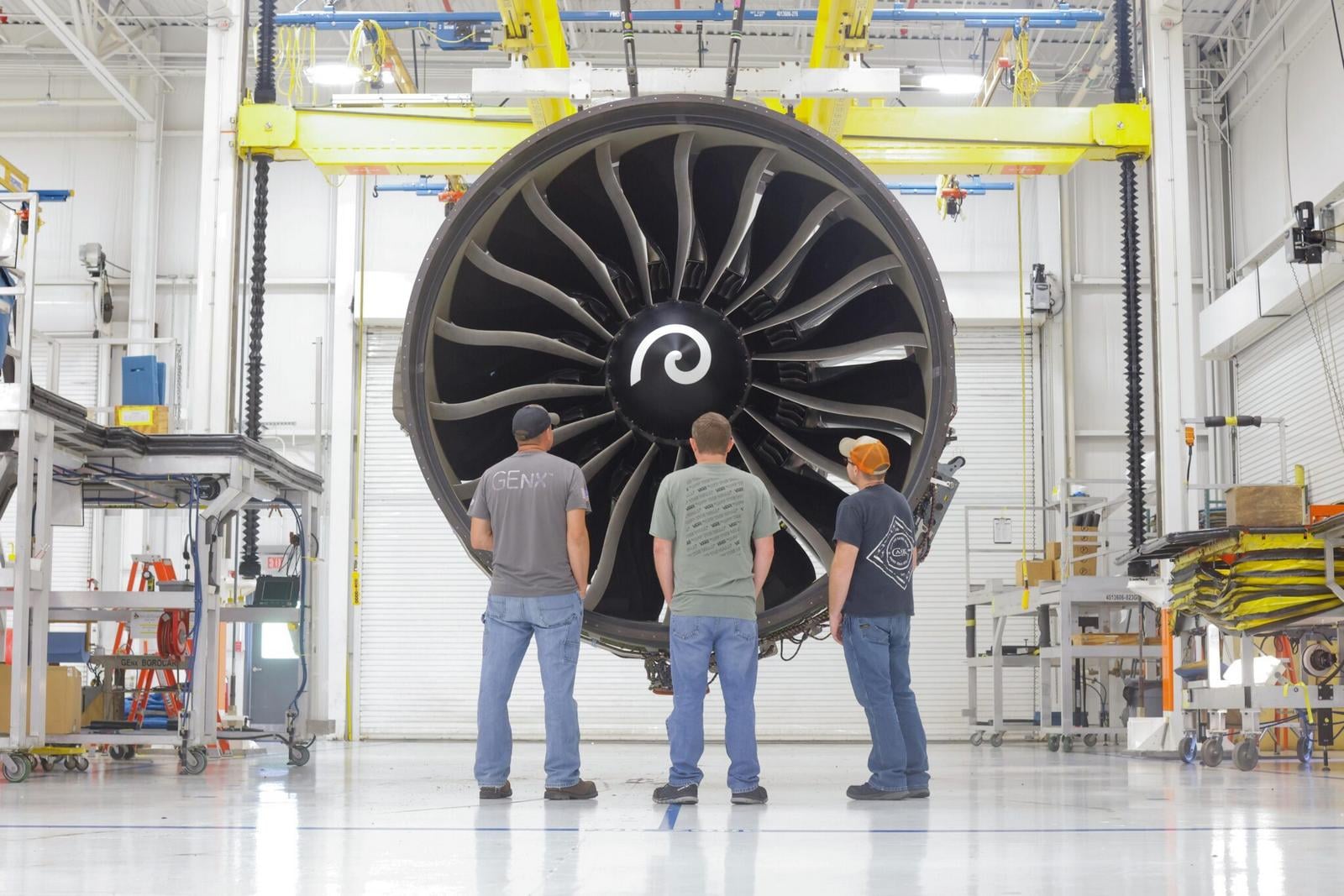
The aircraft, officially unveiled at Joint Base Andrews on June 19, 2026, is intended to serve as an interim presidential transport while the long-delayed VC-25B program continues. According to L3Harris executives, the conversion involved far more than a cosmetic makeover. One of the most significant upgrades was the installation of new GE Aerospace GEnx engines, chosen because they removed the altitude restrictions tied to the aircraft’s previous powerplants and restored the 747-8’s full high-altitude operating envelope of up to 43,100 feet, a move that required extensive integration, testing, and certification work during the compressed schedule, as pointed out by Flight Global.
A 10-month race against time
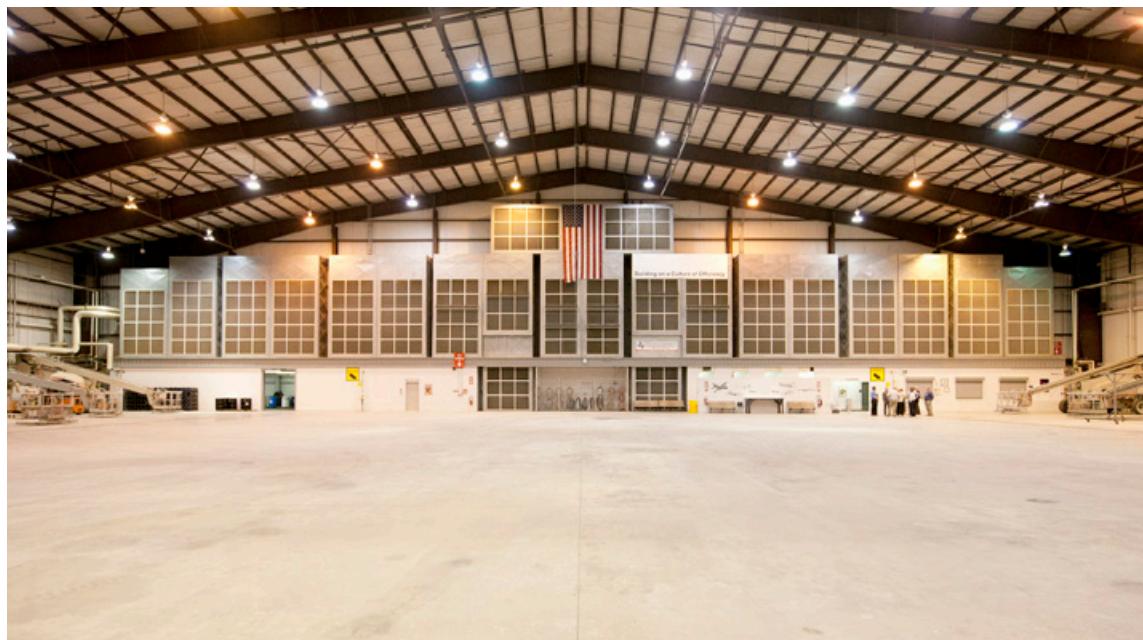
Aircraft modification programs of this scale typically take years. L3Harris, however, completed the transformation in approximately ten months by operating three shifts a day, seven days a week, at its heavily secured M3 facility in Waco, Texas. The complex includes hundreds of thousands of square feet of hangar space, dedicated classified work areas, and the infrastructure needed to support large military aircraft programs.
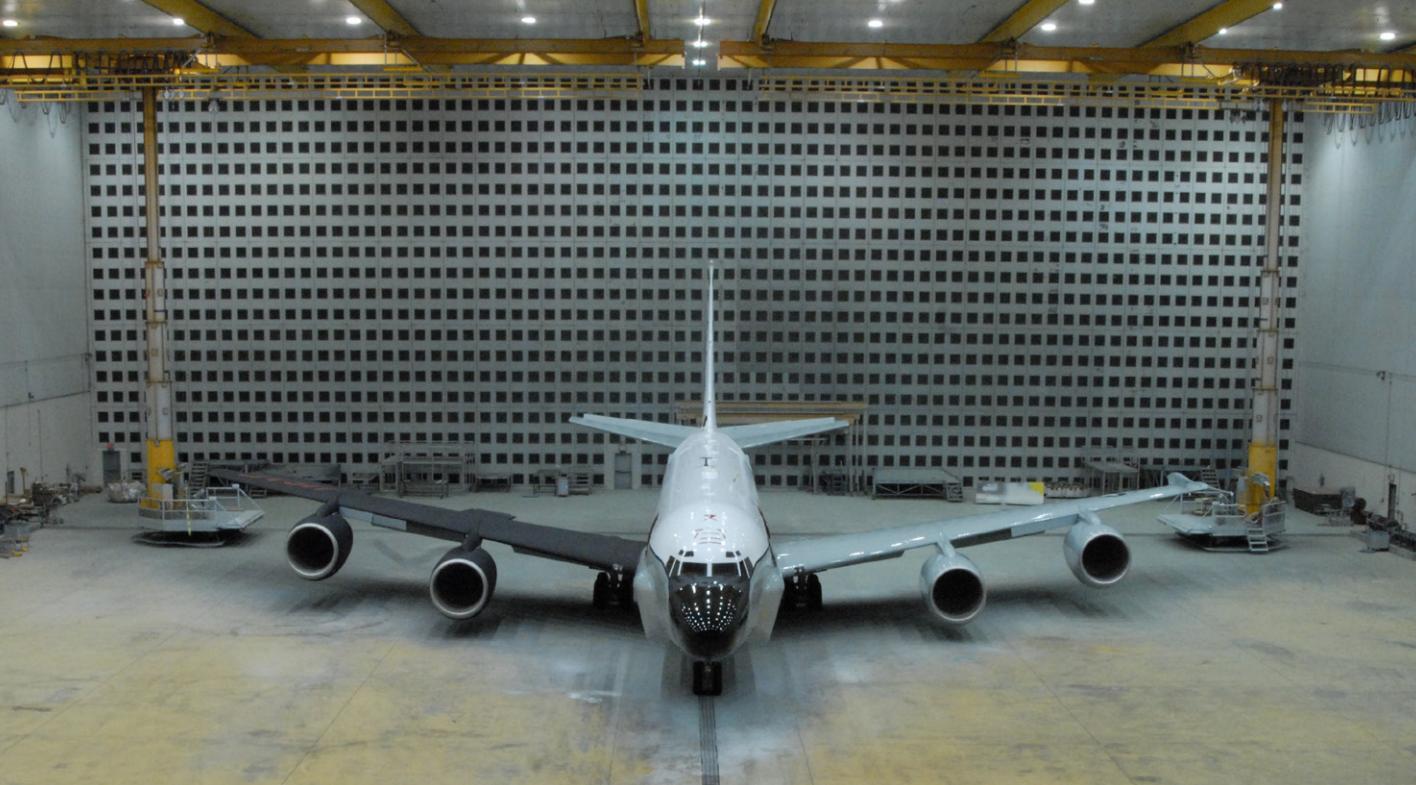
Before any modifications could begin, the aircraft underwent what company officials described as a thorough security scrub. Government specialists and L3Harris teams reportedly examined the jet piece by piece, searching for any hidden electronic devices, surveillance equipment, or vulnerabilities that could compromise a future presidential aircraft.
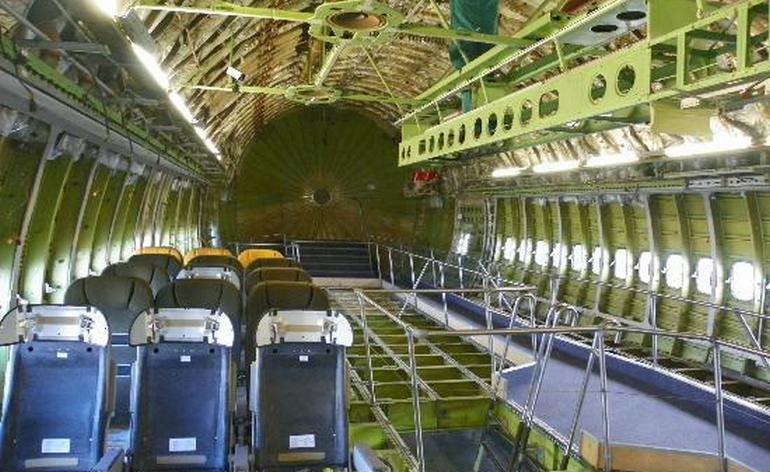
Jason Lambert, President of Intelligence, Surveillance and Reconnaissance at L3Harris, said the first step was ensuring the aircraft was “entirely scrubbed and secure.” He later added, “The aircraft is clean and very secure.” Once cleared, teams began installing the Senior Leader Communication System, the encrypted communications suite that allows the president to securely communicate with military leaders, government officials, and foreign heads of state. Engineers also upgraded the interior, replaced engines, added a self-deploying airstair, and integrated numerous mission-specific systems.
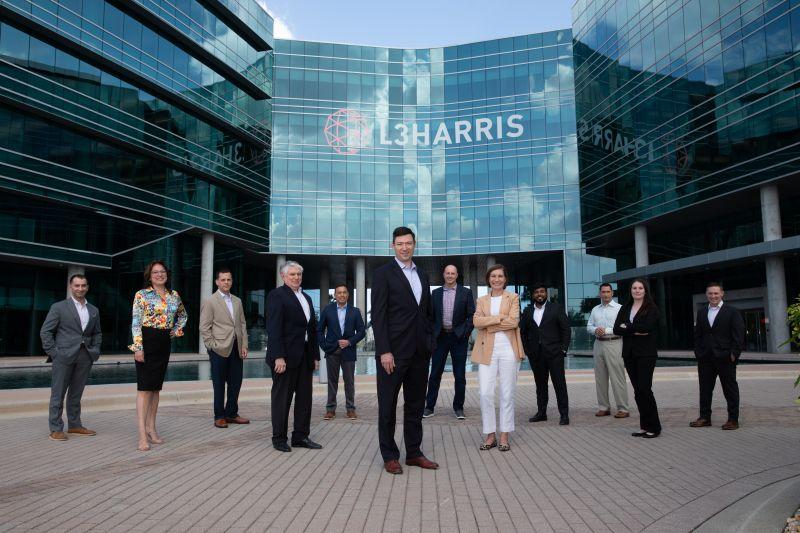
The project remained shrouded in secrecy for much of its duration. Lambert described it as an unacknowledged special access program, saying, “We couldn’t discuss it, disclose it, talk about it. It’s almost as if it didn’t exist.” Many employees reportedly spent months working exhausting schedules without being able to explain the nature of their work to family members.

What makes the Bridge Air Force One unique is its origin story. Unlike previous presidential aircraft, this jet began life as a Boeing Business Jet 747-8KB delivered to the Qatar Amiri Flight in 2012.
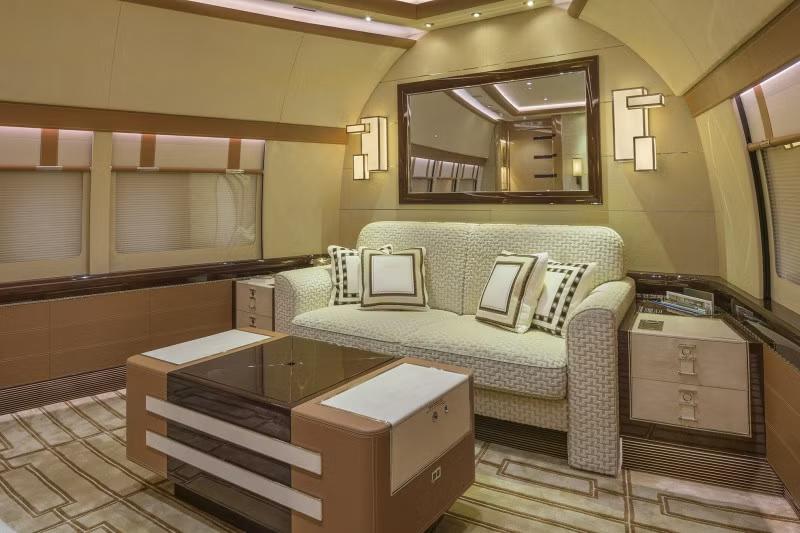
Its lavish interior was created by renowned designer Yves Pickardt of Cabinet Alberto Pinto and reportedly featured rare wood veneers, custom carpets, luxury lounges, private offices, a master suite, and other elements inspired by superyachts and high-end residences.
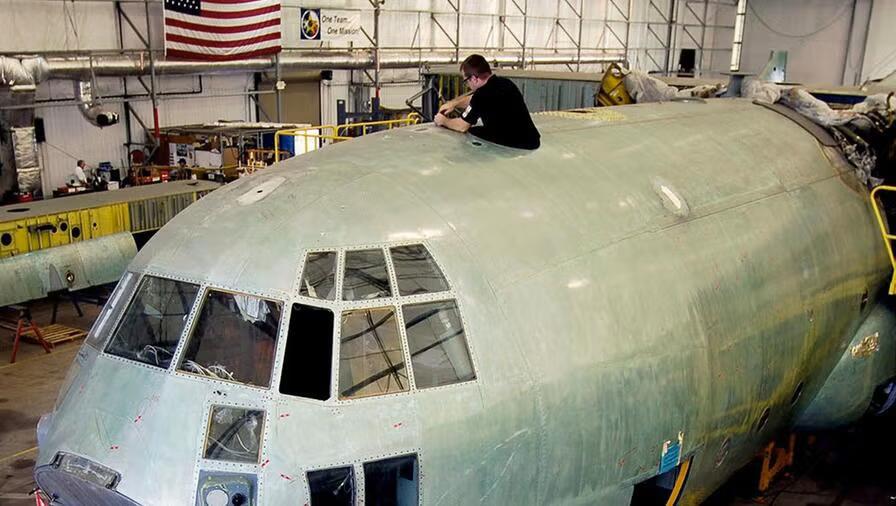
Rather than completely gutting the aircraft, L3Harris preserved much of its structural layout, including all ten restrooms and major interior bulkheads. Avoiding major structural changes significantly reduced certification requirements and helped keep the program on schedule.

The aircraft also received a new presidential livery inspired by the design selected for the future VC-25B fleet. Lambert said some interior materials were upgraded to create a more presidential atmosphere, while presidential seals were added throughout the cabin.
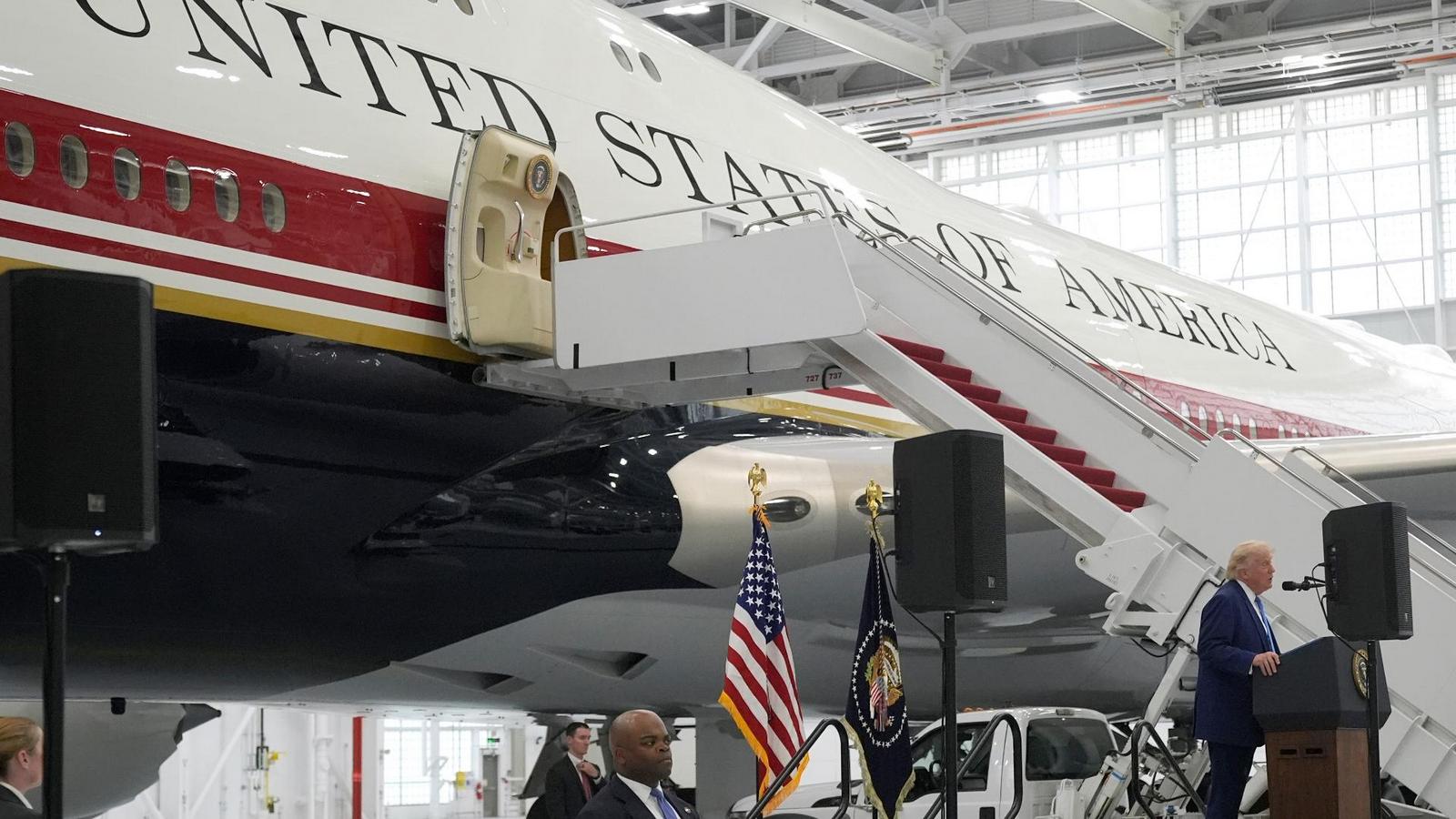
Among the most notable additions was a self-deploying airstair that allows the aircraft to operate independently at locations without specialized ground equipment. Lambert described it as “a phenomenal piece of mechanical engineering.” Speaking after the aircraft’s completion, Lambert said, “When I saw it for the first time, it was the most beautiful aircraft I’ve ever seen.”
Following its unveiling at Joint Base Andrews, the aircraft began a series of commissioning flights ahead of its first major public appearance. The Bridge Air Force One is expected to make its debut during the celebrations marking America’s 250th Independence Day, including the high-profile event at Mount Rushmore on July 4.

For L3Harris, the aircraft represents more than a presidential transport. CEO Christopher Kubasik said the program demonstrated that “the US defense industrial base can move at maximum velocity when the mission demands it.” After ten months of nonstop work by hundreds of specialists, the former Qatari royal jet now stands as one of the fastest and most unusual presidential aircraft transformations in modern aviation history.