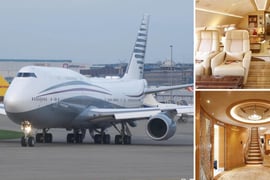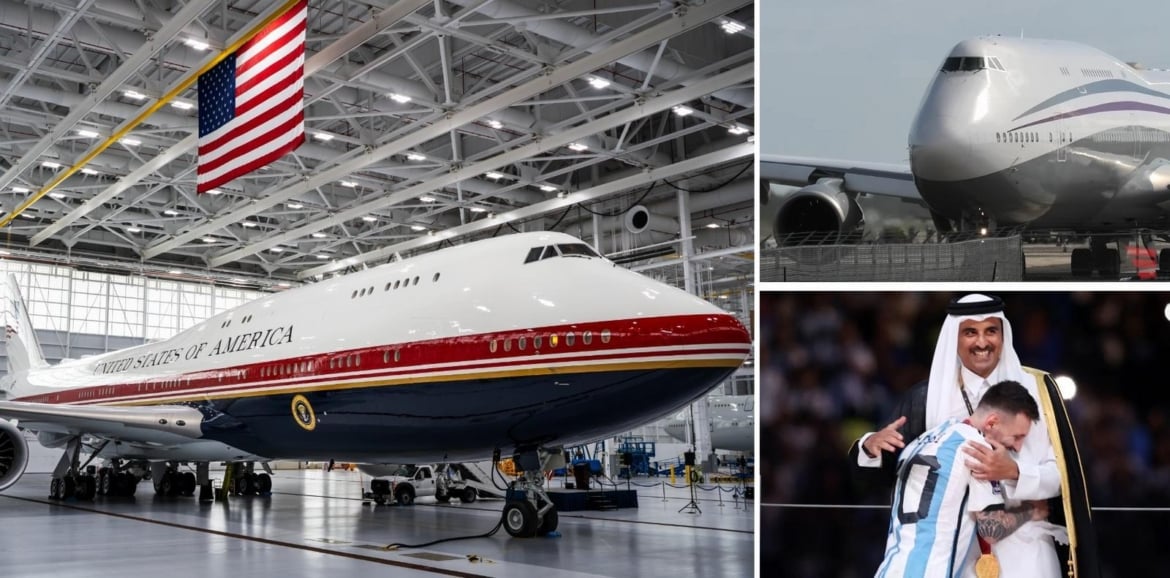
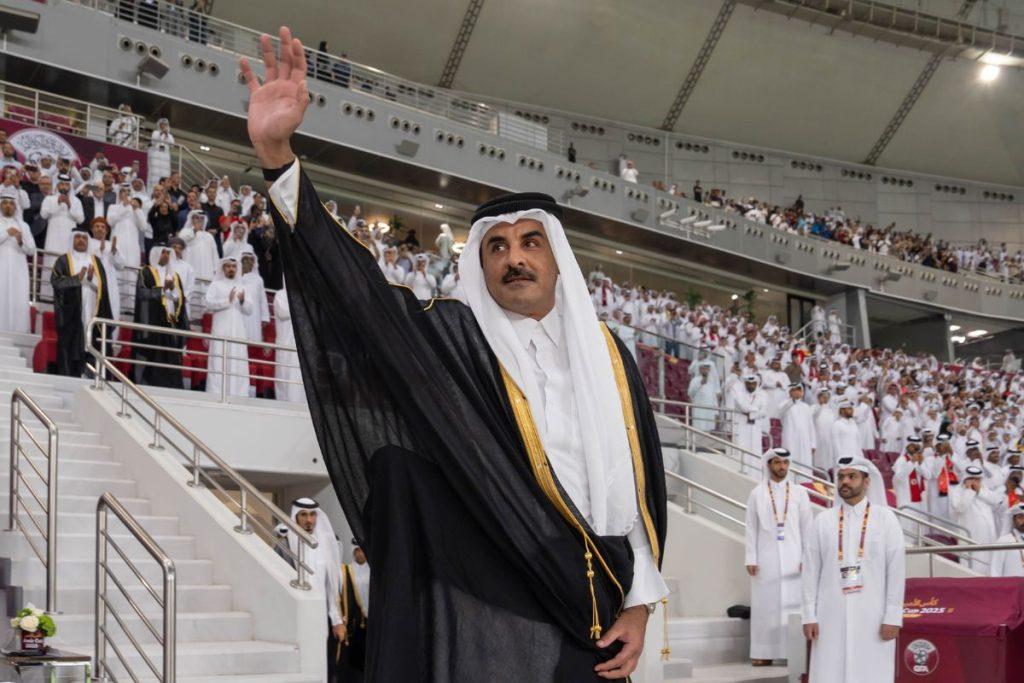
The VVIP Boeing 747-8i gifted by the Qatar royal family. now transformed into the VC-25B Bridge aircraft, has officially been unveiled as the newest addition to the United States’ presidential airlift fleet. The refitted aircraft arrived at Joint Base Andrews this week and has entered the final phase of commissioning flights, marking a major milestone in the effort to modernize presidential air transport while longer-term replacement aircraft remain under development.
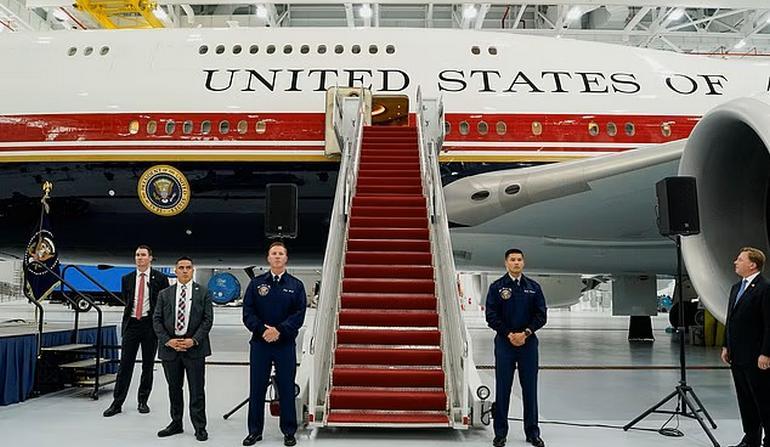
According to an official U.S. Air Force release, the Bridge aircraft was delivered to provide secure continuity for presidential airlift operations as the aging VC-25A fleet undergoes increasingly demanding maintenance cycles. The Air Force described the aircraft as safe, secure, and equipped with advanced technologies necessary for the presidential mission, emphasizing that no compromises were made in security, safety, or mission communications. Once commissioning flights are completed, the aircraft will officially join the active executive airlift fleet alongside the existing VC-25A and C-32 aircraft.
A stopgap aircraft with a critical mission
Although it carries the VC-25B designation, the Bridge aircraft is distinct from the two next-generation presidential aircraft Boeing is still developing. Instead, it was created as an interim solution designed to bridge the gap between the current fleet and the future fully customized VC-25Bs expected to be delivered no sooner than 2028.
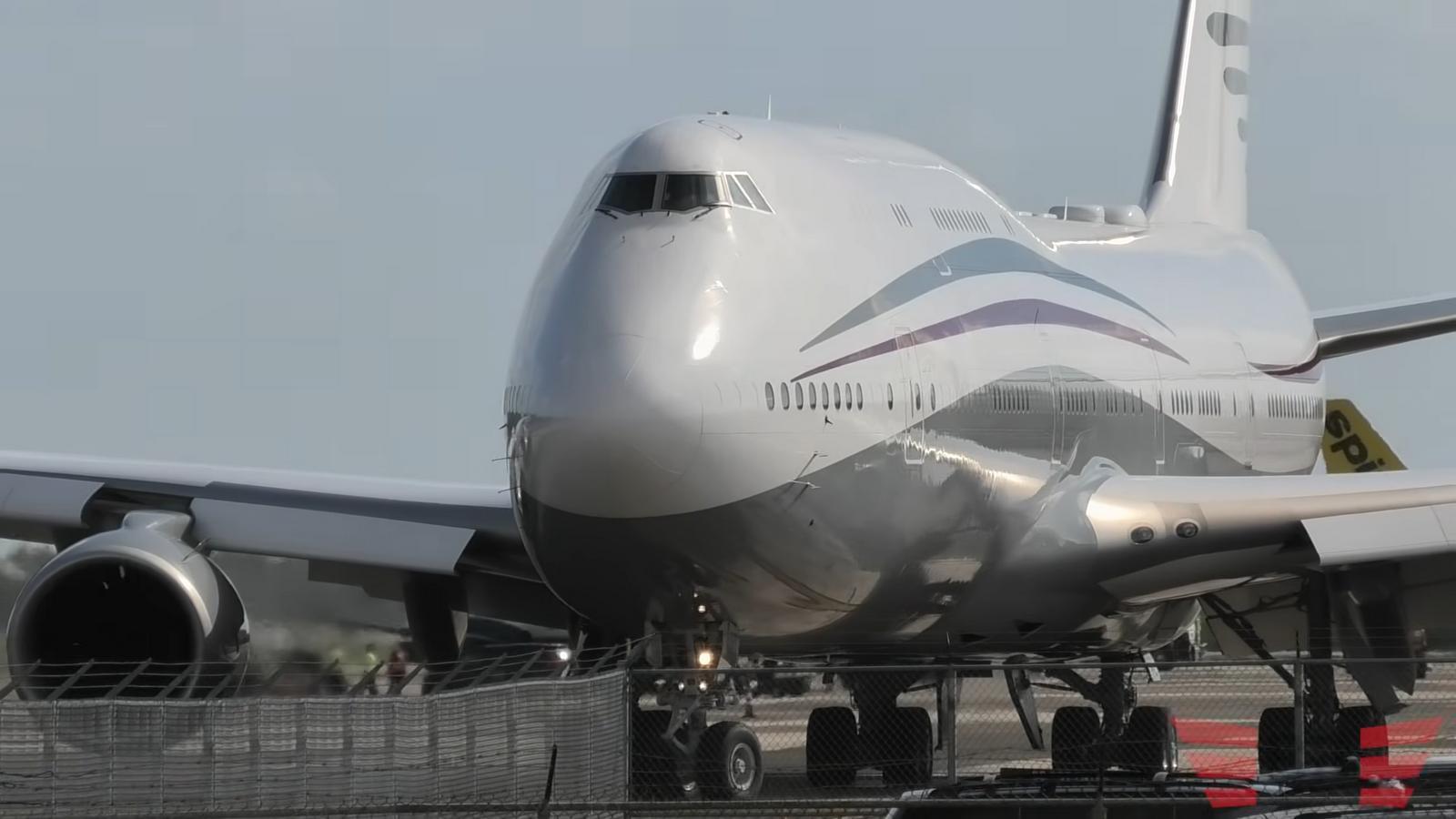
The aircraft began life as a Boeing 747-8 Intercontinental operated as a VIP transport for Qatar. Rather than waiting for the delayed Boeing replacement program, the Air Force moved to rapidly convert the newer airframe into a secure presidential transport platform. The result is a modernized aircraft that offers greater size, range, efficiency, and supportability than the current VC-25A aircraft, which entered service in 1990.
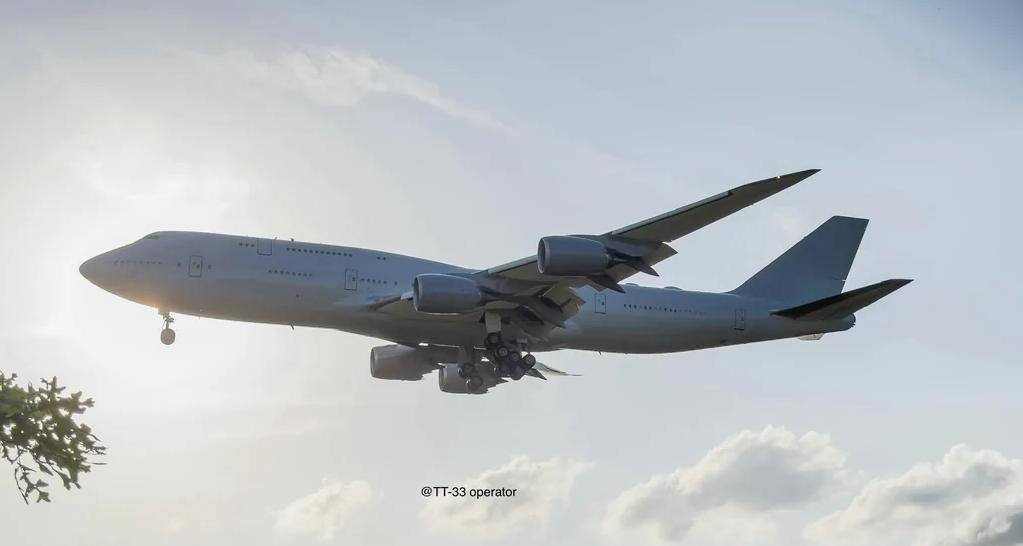
One of the most striking aspects of the project is the speed with which it was executed. The heavy modification work was carried out primarily through L3Harris, with Boeing providing engineering support. While its royal interior has largely remained unchanged, the aircraft underwent extensive systems integration, testing, and certification before receiving its new paint scheme and being delivered to the Presidential Airlift Group.
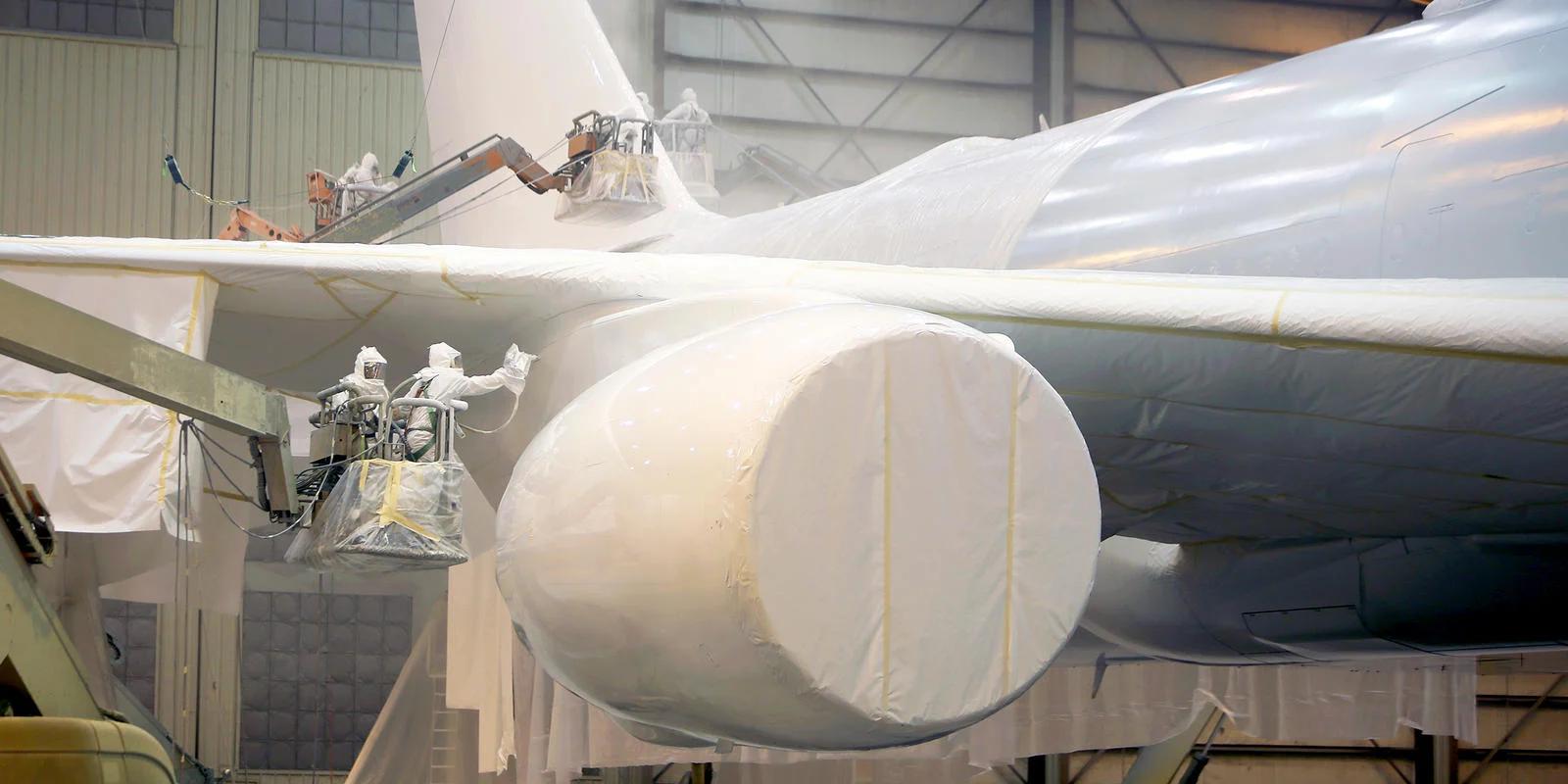
The conversion included secure mission communications systems, security and safety modifications, electrical upgrades, and self-protection capabilities required for presidential operations. The Air Force also developed specialized procedures to inspect and eliminate potential technical hazards associated with converting a previously owned foreign VIP aircraft into a platform capable of carrying the President of the United States.
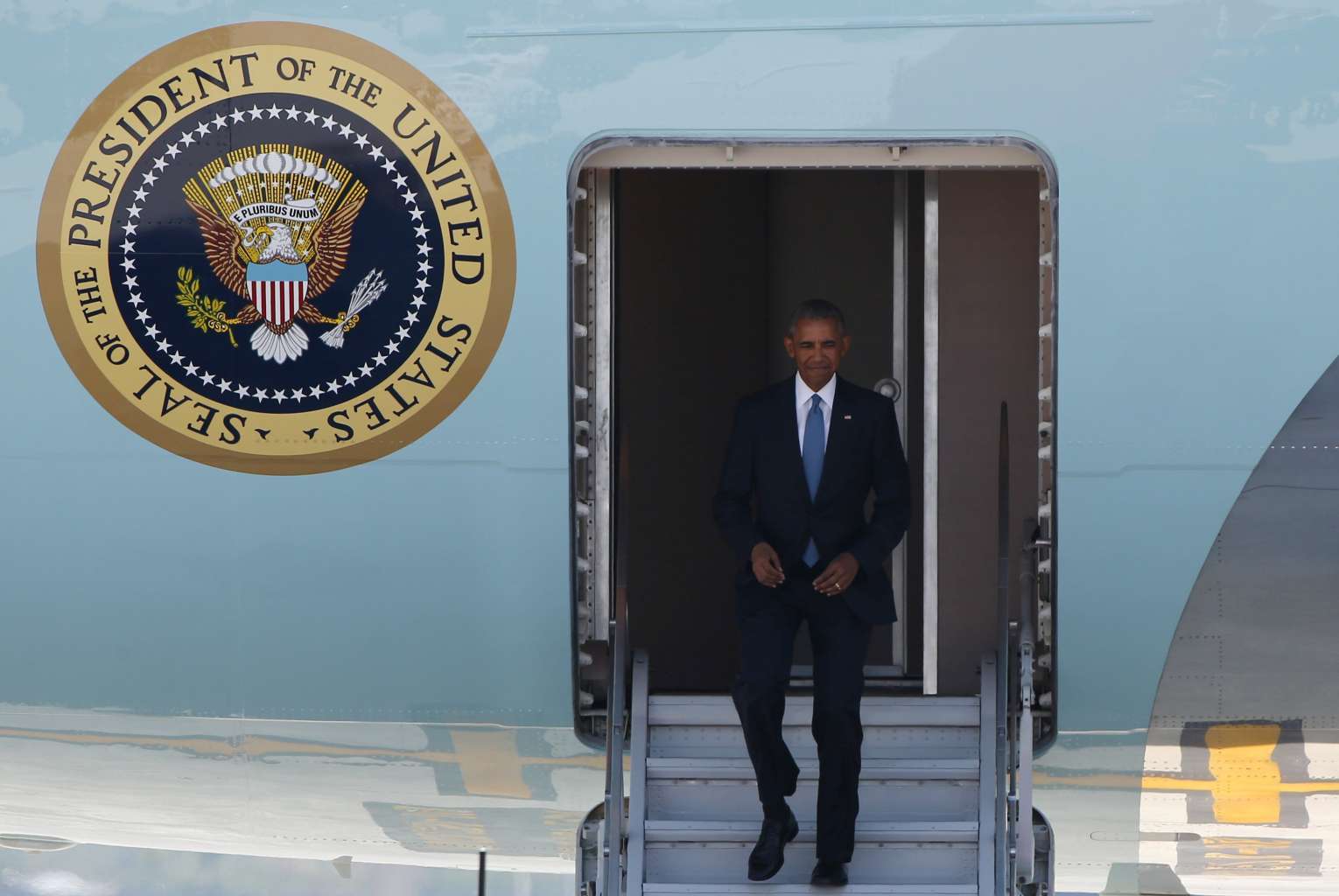
The first Air Force One redesign in more than six decades
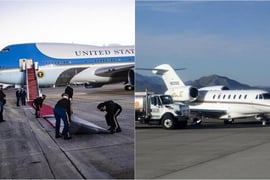
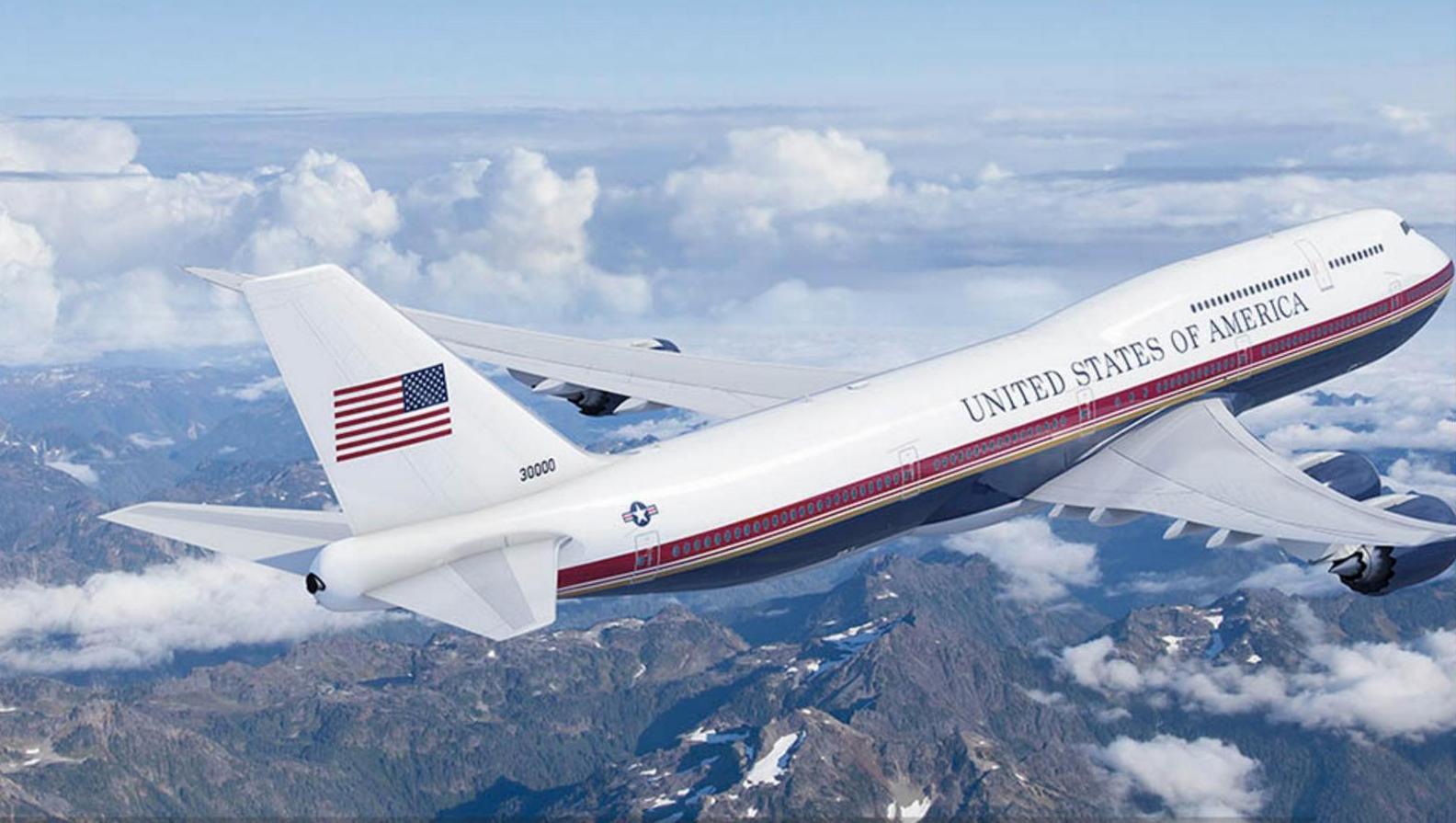
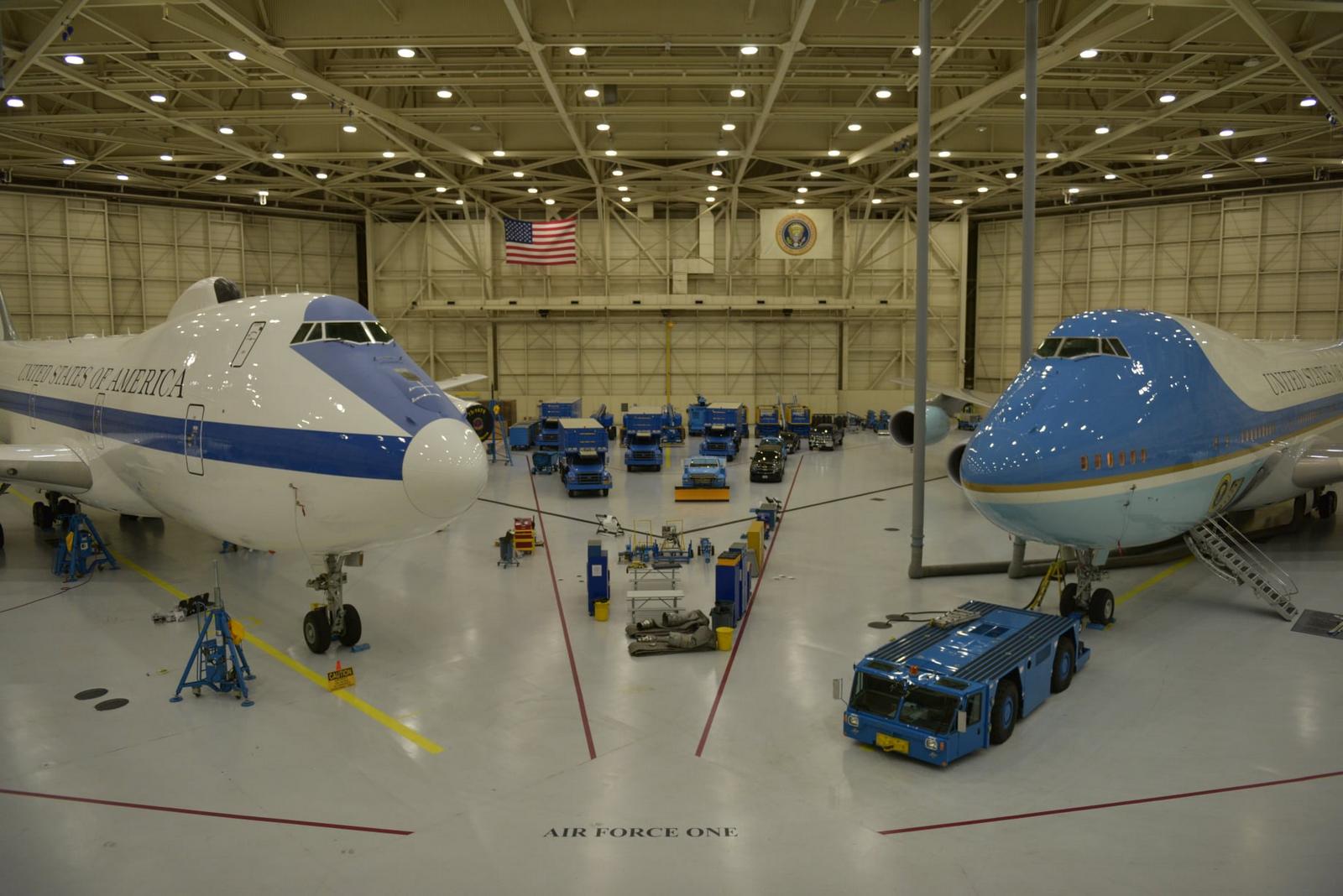
Beyond its technical transformation, the aircraft is attracting attention for its appearance. The VC-25B Bridge introduces the first major redesign of a dedicated presidential aircraft since the Kennedy administration. The iconic white-and-blue livery that has defined Air Force One since 1962 traces its origins to industrial designer Raymond Loewy, who worked closely with President John F. Kennedy on the now-famous design. That color scheme remained largely unchanged for more than 60 years.
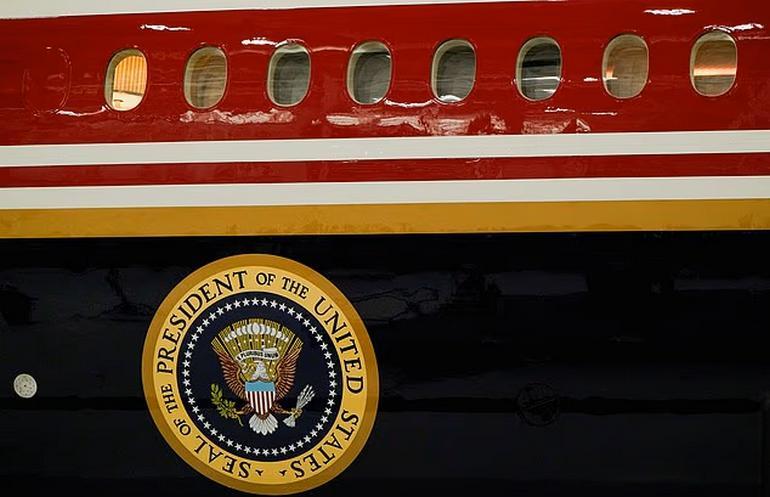
The new aircraft replaces it with a four-color design featuring white, dark navy blue, red, and gold. The fuselage carries large “United States of America” lettering, while the presidential seal appears near the forward boarding door. A large American flag dominates the tail section.
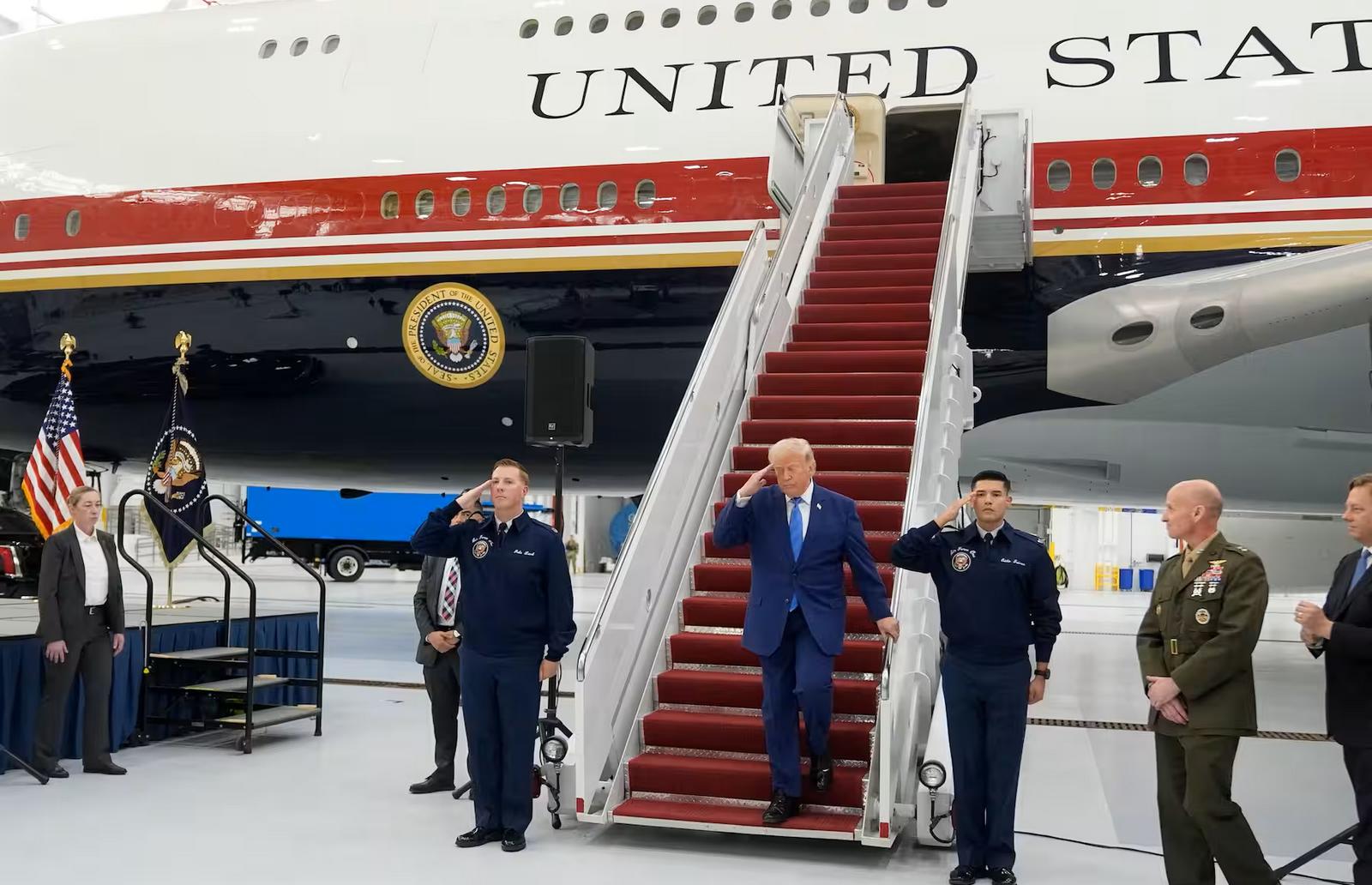
Notably, the redesign is not limited to a single aircraft. The same color scheme is being introduced across other executive transport aircraft, including the C-32 fleet used for vice presidential travel and the future VC-25Bs currently under construction. As a result, the Bridge aircraft serves as the public debut of what is expected to become the visual identity of the broader executive airlift fleet for years to come.
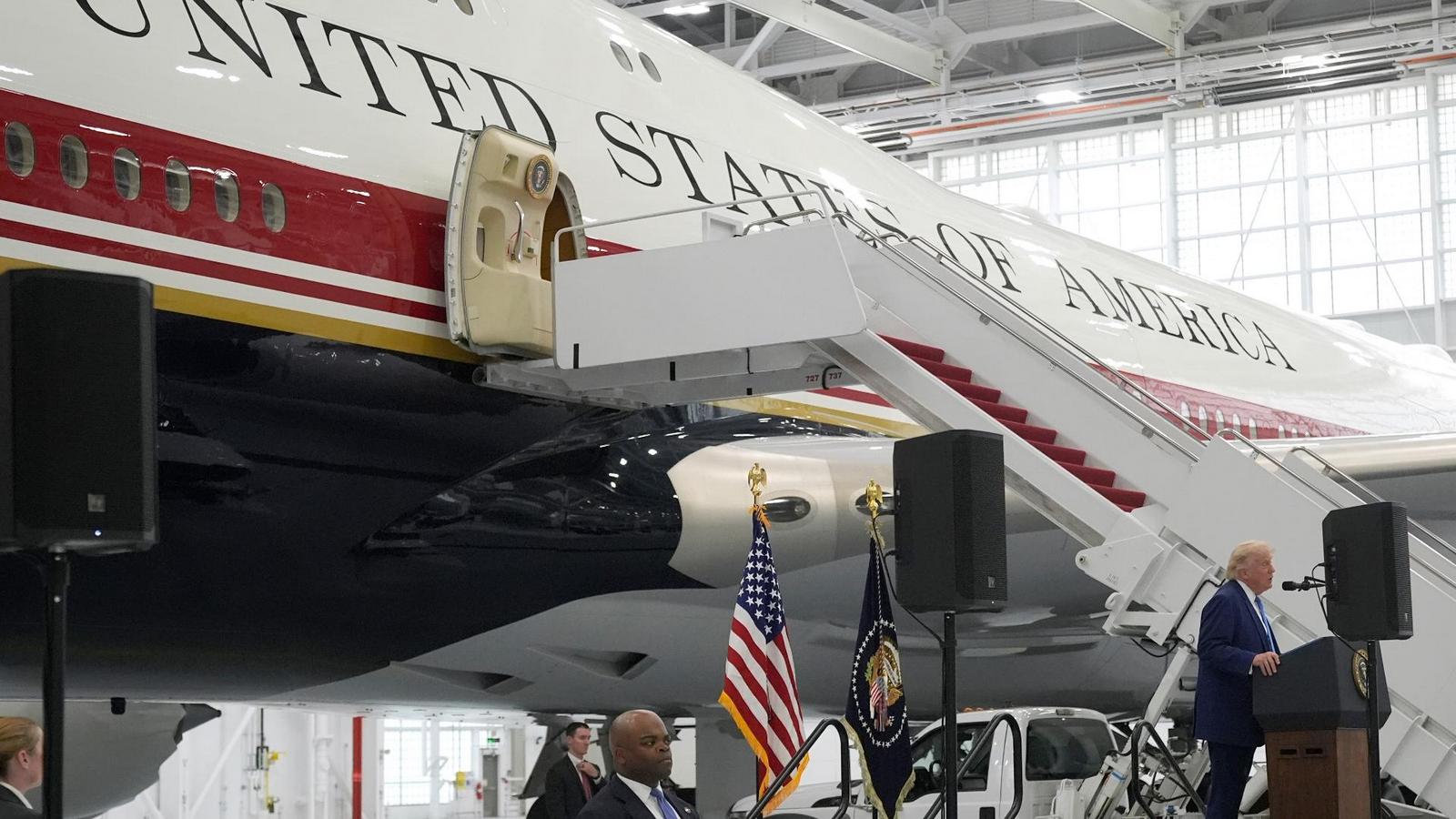
The “final exam” before service
Despite its public unveiling, the aircraft still has one important hurdle to clear before it begins carrying presidential missions. The Air Force describes the current commissioning flights as the aircraft’s “final exam.” These flights are designed to validate mission capability, communications reliability, security procedures, operational protocols, and overall readiness. Importantly, they are not solely focused on the aircraft itself. The tests also evaluate the entire support ecosystem required to operate a presidential transport platform.
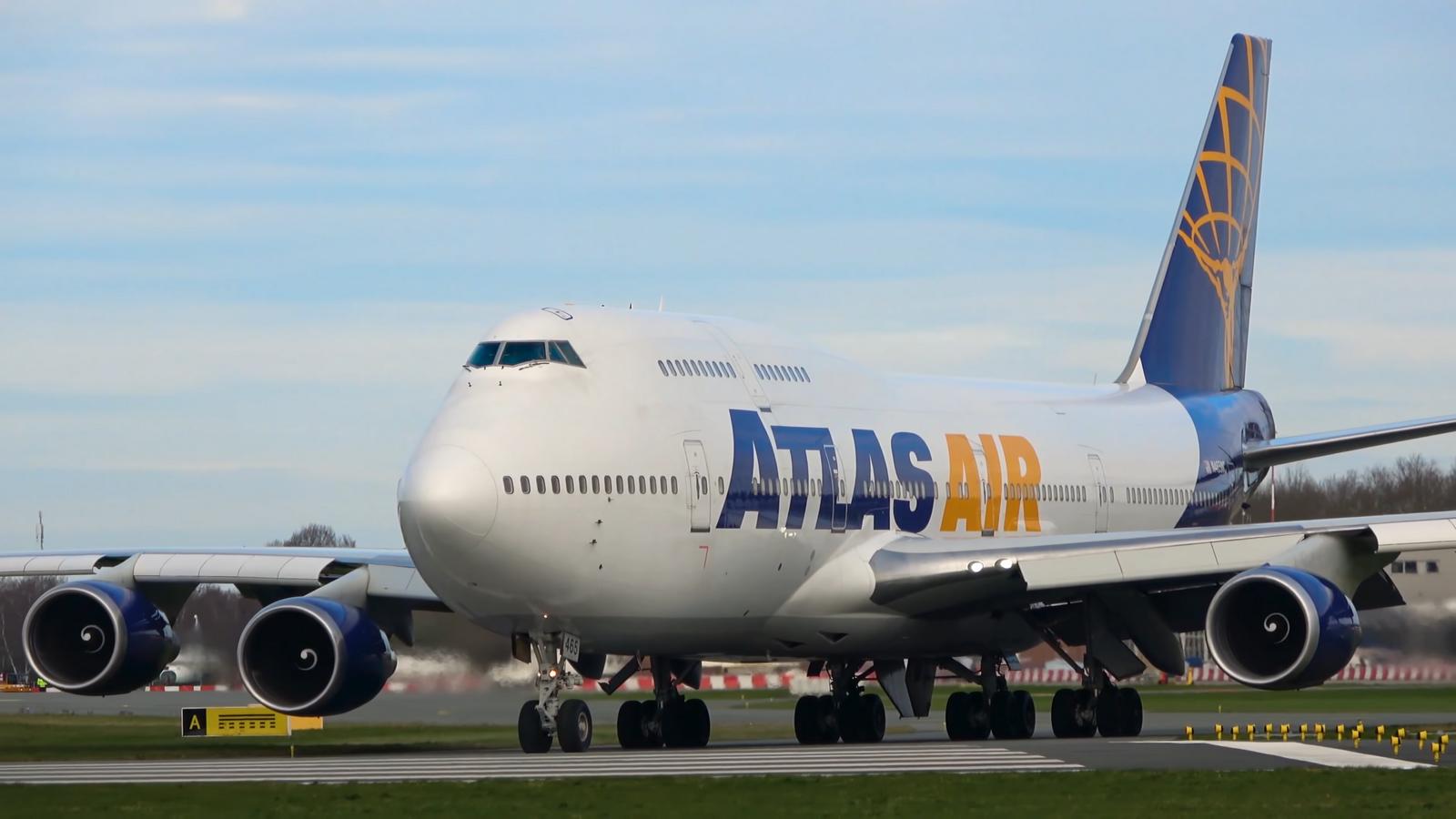
To prepare for the aircraft’s arrival, the Air Force established an accelerated training and logistics pipeline. An Atlas Air 747-8 freighter was leased to begin pilot and maintainer training, while a Lufthansa 747-8 Intercontinental was acquired as a dedicated training aircraft. Another Lufthansa 747-8 is supporting logistics and spare parts requirements. In January, a full-scale three-dimensional interior mock-up was delivered to allow White House personnel and support staff to begin familiarization training months before the aircraft arrived.
That extensive preparation highlights the true significance of the Bridge program. Rather than simply acquiring a single airplane, the Air Force has effectively built an entire presidential 747-8 ecosystem in record time.
From rollout to operational readiness
The aircraft’s introduction into service is being carried out in carefully planned phases rather than through an immediate operational deployment. The first phase was the controlled public unveiling at Joint Base Andrews, where the aircraft was formally presented after completing its modifications and receiving its new livery. The current phase centers on commissioning flights, during which crews, support personnel, and White House officials will validate the aircraft’s systems, communications, procedures, and overall mission readiness. These flights are intended to ensure the platform can safely and securely support every aspect of the presidential mission before it is cleared for routine operations.

Once the commissioning process is completed, the aircraft is expected to gradually assume an active role within the presidential airlift fleet. Its first major public appearance is likely to come during Independence Day celebrations, with plans for a high-profile flyover over Washington, D.C. Beyond ceremonial duties, the aircraft is expected to begin supporting presidential travel missions, allowing the Air Force to reduce pressure on the aging VC-25A fleet. Over time, the Bridge aircraft will serve as a fully operational presidential transport platform until Boeing’s purpose-built next-generation VC-25B aircraft enter service later in the decade.

As commissioning flights continue, the VC-25B Bridge aircraft is poised to become one of the most important transitional aircraft in modern presidential aviation history. While intended as an interim solution, it will play a critical role in ensuring uninterrupted presidential airlift capability until the next generation of dedicated Air Force One aircraft finally enters service.