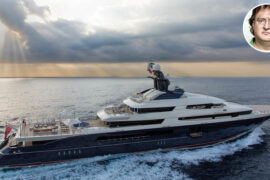
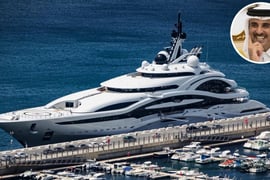
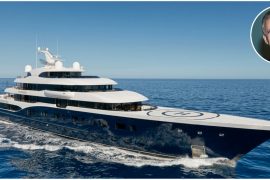
In 1999, just before the dawn of a new millennium, a Saudi royal took delivery of a larger-than-life superyacht, Al Salamah. A 457-foot giant, she could accommodate 40 guests in 22 cabins, along with 56 crew members, and cruise them to any corner of the world at 21 knots, all while wrapped in extravagance. But life aboard the Lürssen megayacht was not only about opulence. It was also about safety, security, and top-notch care, no matter where Al Salamah sailed.

The $280 million vessel was commissioned by the late Prince Sultan bin Abdulaziz Al Saud, one of the most powerful Saudi royals of the modern era, the longtime defense and aviation minister who was later named Crown Prince in 2005.
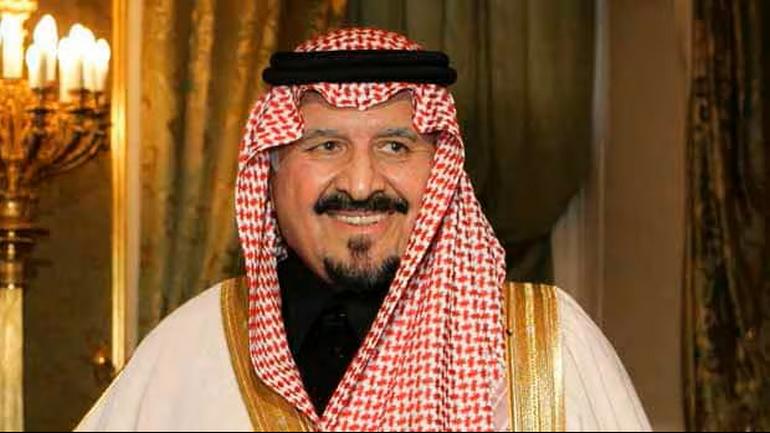
Beyond his defense portfolio, he was also known as “the humanitarian prince,” with his foundation funding the Sultan Humanitarian City, one of Saudi Arabia’s largest medical rehabilitation projects.
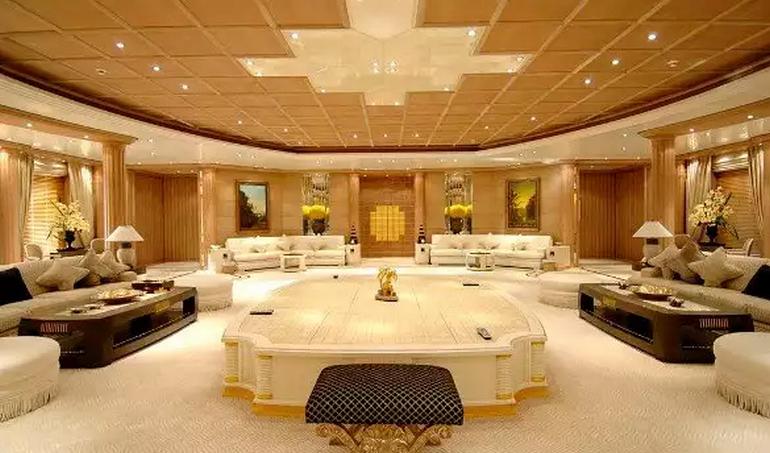
That same sense of care could be seen aboard the opulent Al Salamah in a detail many would easily overlook, yet one that says a great deal about the man behind her. The mammoth vessel, built under the project name Mission Possible, had not one but three hospitals onboard. The 12,234 GT yacht, designed by Terence Disdale with protected and private spaces, did not leave those outside the royal family to fend for themselves. Royal protocol had to be followed, which is why the care of everyone onboard was so carefully structured. The medical setup wasn’t just a single medical bay with extra beds; it was physically decentralized across the ship’s eight decks to maintain strict royal protocol.

Al Salamah had three separate medical spaces, one each for the owner, guests, and crew. She also flaunted lavish amenities like a car garage, a hairdressing salon, a secretary’s office, and five galleys to cater to the nearly 100 people aboard. But the fact that the three medical facilities were divided by user group made this floating palace feel more like a self-contained royal compound at sea.

The seventh deck was dedicated to the royal family, with a hospital, office, secretary’s office, and staff rooms, while the sixth deck served VIP guests and other high-ranking officials without breaching the owner’s deck. Another medical space was positioned lower down for the large working population onboard, alongside other crew facilities. As for the wellness features on Al Salamah, it is rumored that the owner’s hospital room even featured an underwater treadmill for physical therapy.
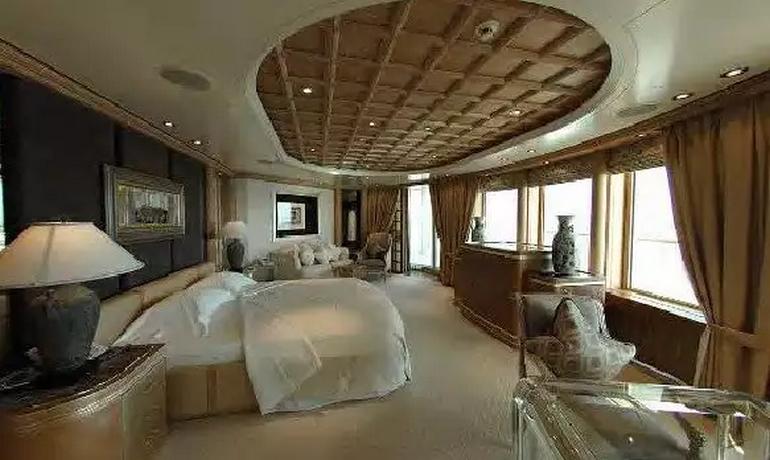
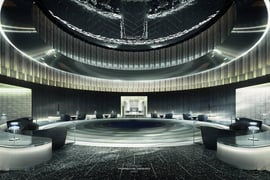
The other amenities found aboard the yacht were just as remarkable. Spread across 12,000 square meters of floor space were a cinema, library, business center, spa, gymnasium, and four tenders, plus one rescue boat. There was even a dressing room for artists, perhaps intended for entertainers putting on a show for the royal clan.
Today, Al Salamah is considered the official yacht of the King of Saudi Arabia, less a superyacht and more like a floating royal compound representing power, privacy, and human care at sea.