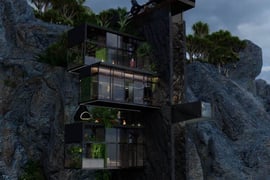
For decades, the idea of a floating city has occupied a peculiar space between science fiction and urban planning. Most proposals have remained little more than architectural sketches or futuristic thought experiments. However, the revolutionary Freedom Ship concept is different. Conceived in the late 1990s by engineer Norman Nixon and now championed by Freedom Cruise Line CEO Roger Gooch, the project envisions a permanently mobile city at sea capable of housing an entire society while continuously circumnavigating the globe.
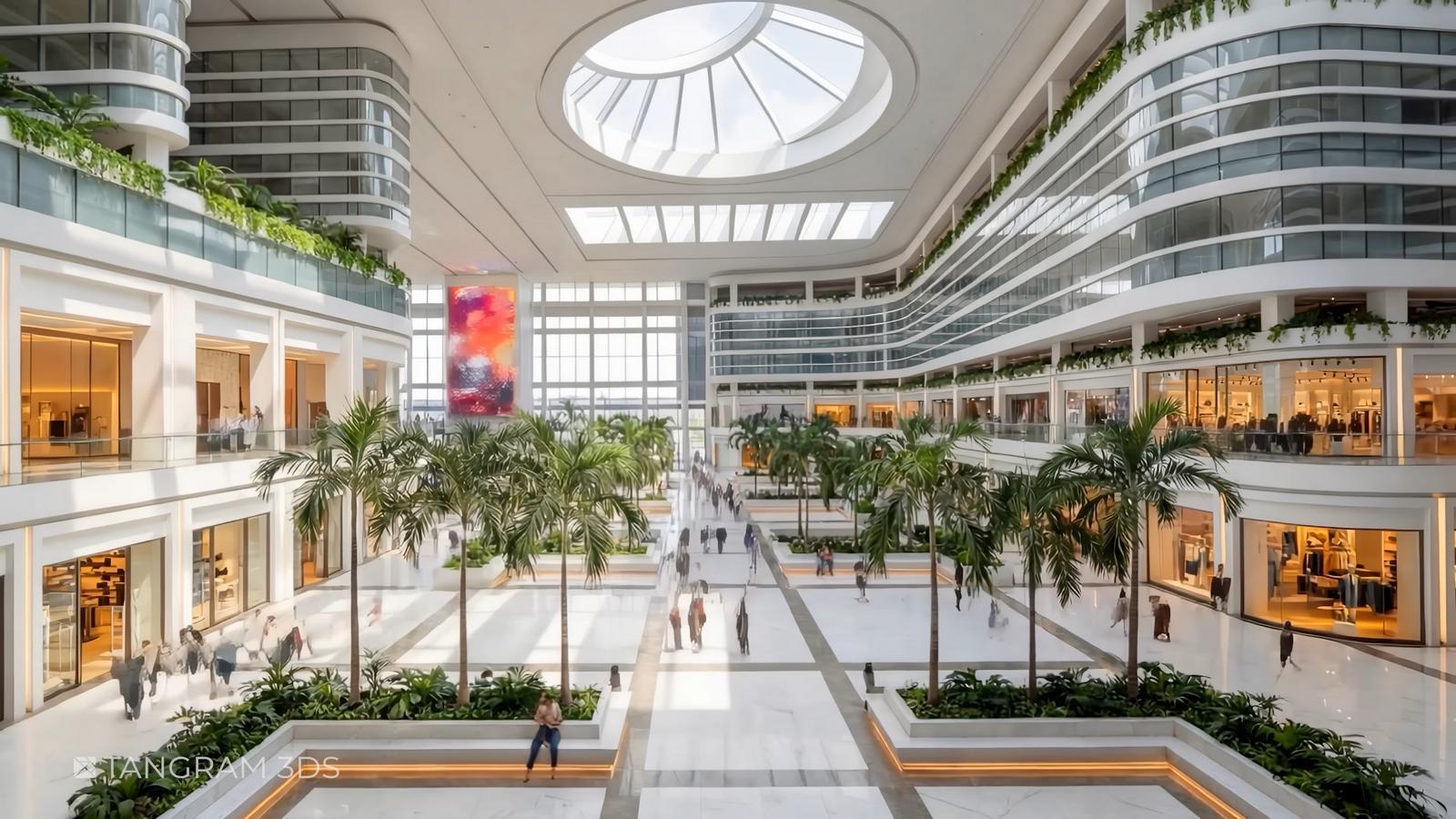
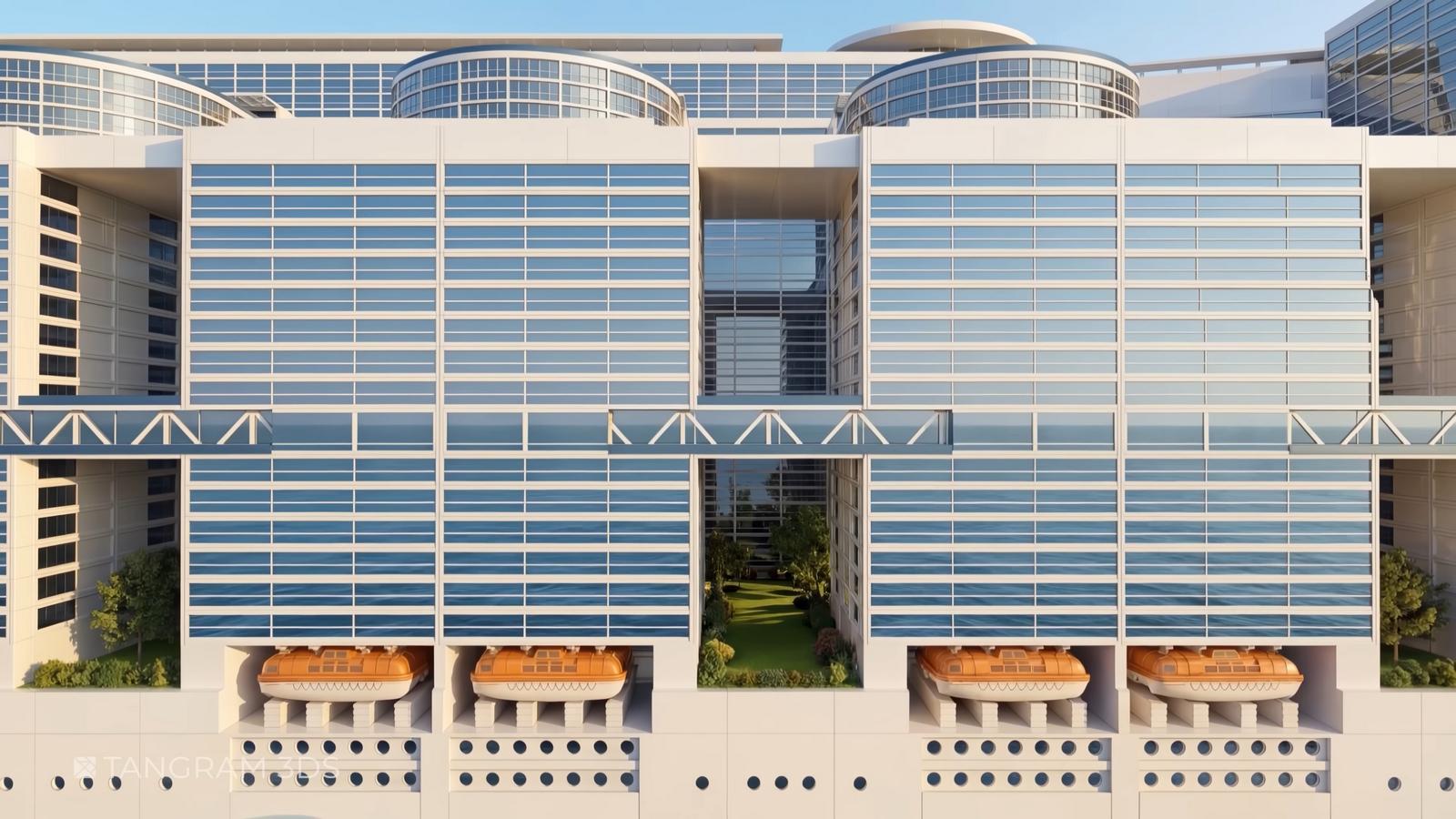
If built, Freedom Ship would stretch roughly one mile in length and rise 30 decks above the water, according to a report by the New York Times. It would not operate like a cruise ship in any conventional sense. Instead, it is designed as a self-contained metropolis where people can live, work, study, shop, receive healthcare, raise families, and retire without ever needing to relocate to land.

A floating city on a scale never attempted before
The numbers behind Freedom Ship are almost difficult to comprehend. The vessel is planned to accommodate approximately 80,000 people, including around 50,000 permanent residents, 10,000 visitors, and a crew of roughly 20,000.
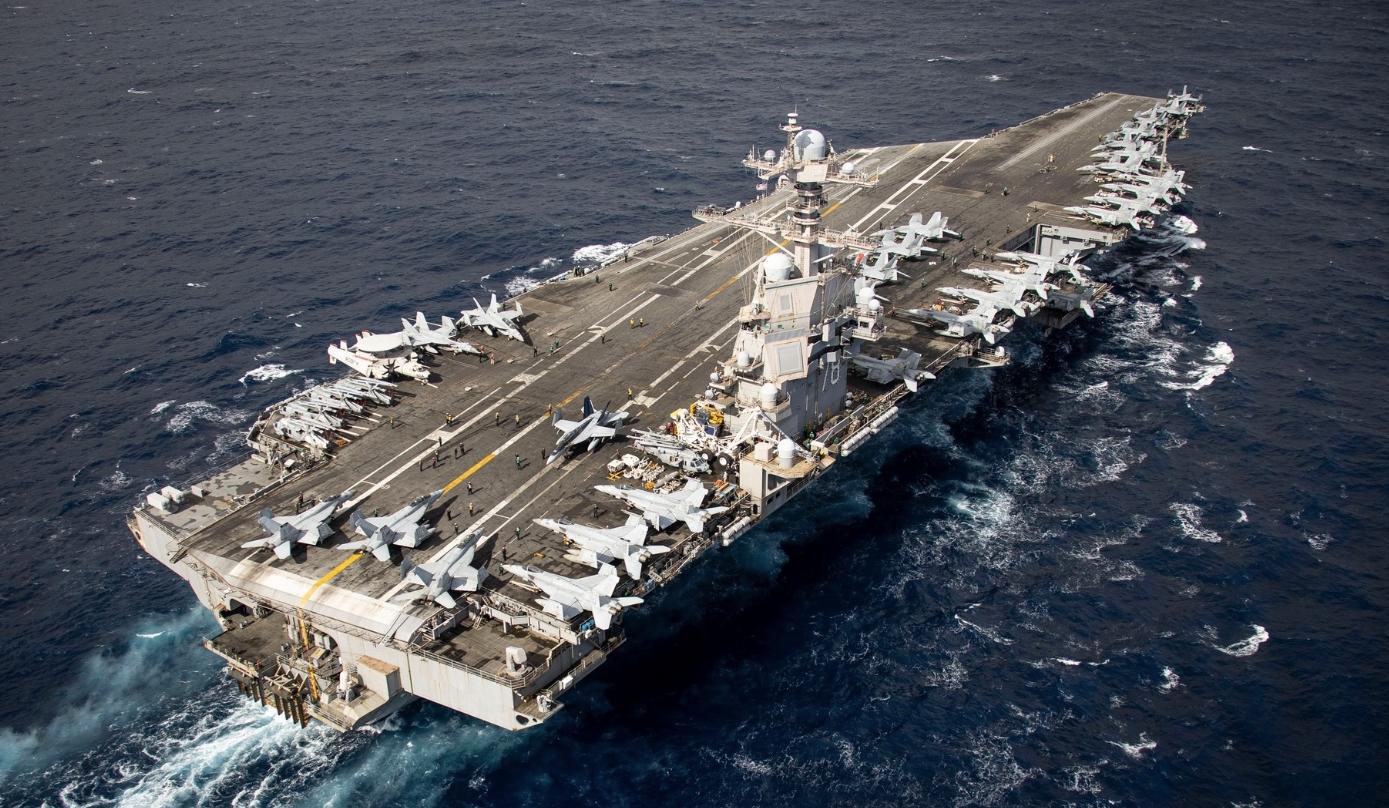
To understand the scale, let’s compare it to the USS Gerald R. Ford, the largest aircraft carrier in the world which is operated by the United States Navy. The floating military city measures 1,106 feet (337 meters) in length and can carry between 4,500 and 5,000 sailors, aviators, and support personnel. Freedom Ship would accommodate roughly sixteen times as many people as America’s largest aircraft carrier, placing it in an entirely different category of maritime engineering.
The project is so large that conventional ports would be unable to host it. Rather than docking like a cruise ship, the vessel would remain offshore, relying on ferries and support services to transport residents and visitors to destinations on land.
Life aboard the world’s largest moving community
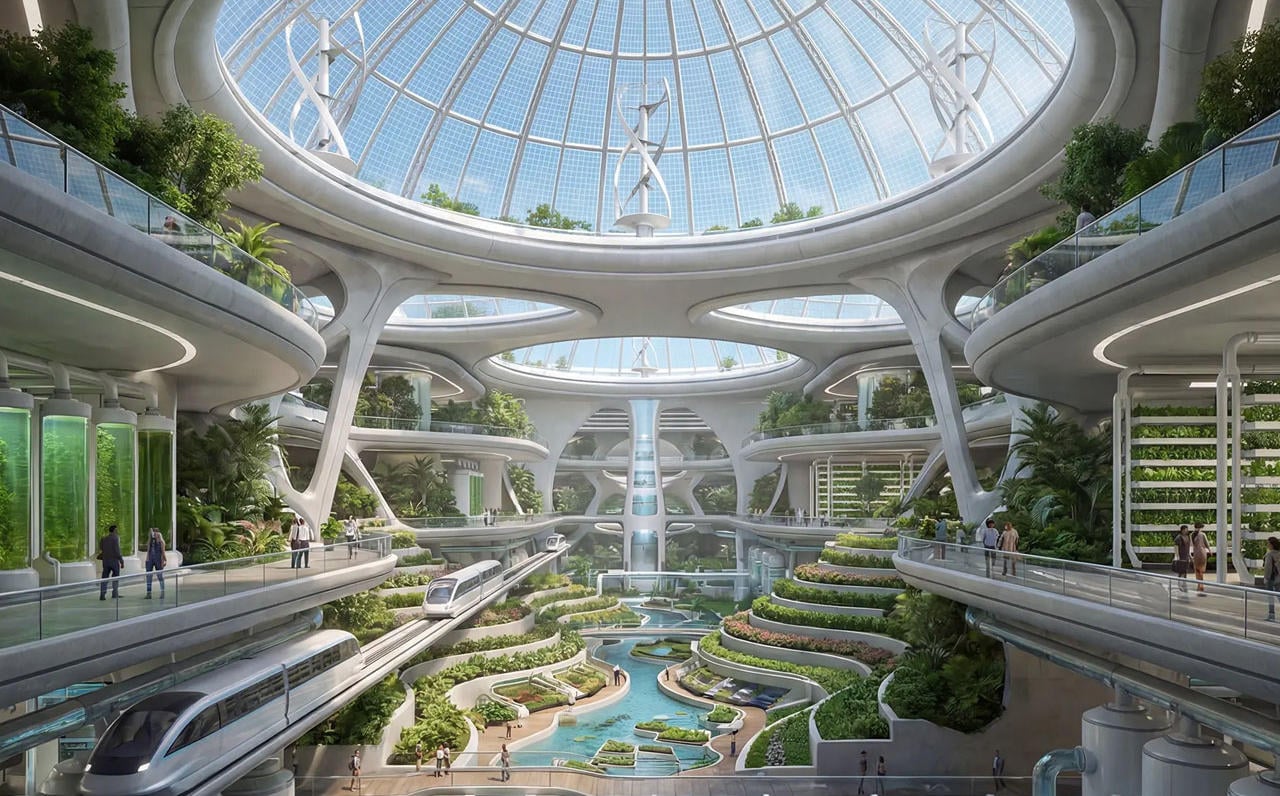
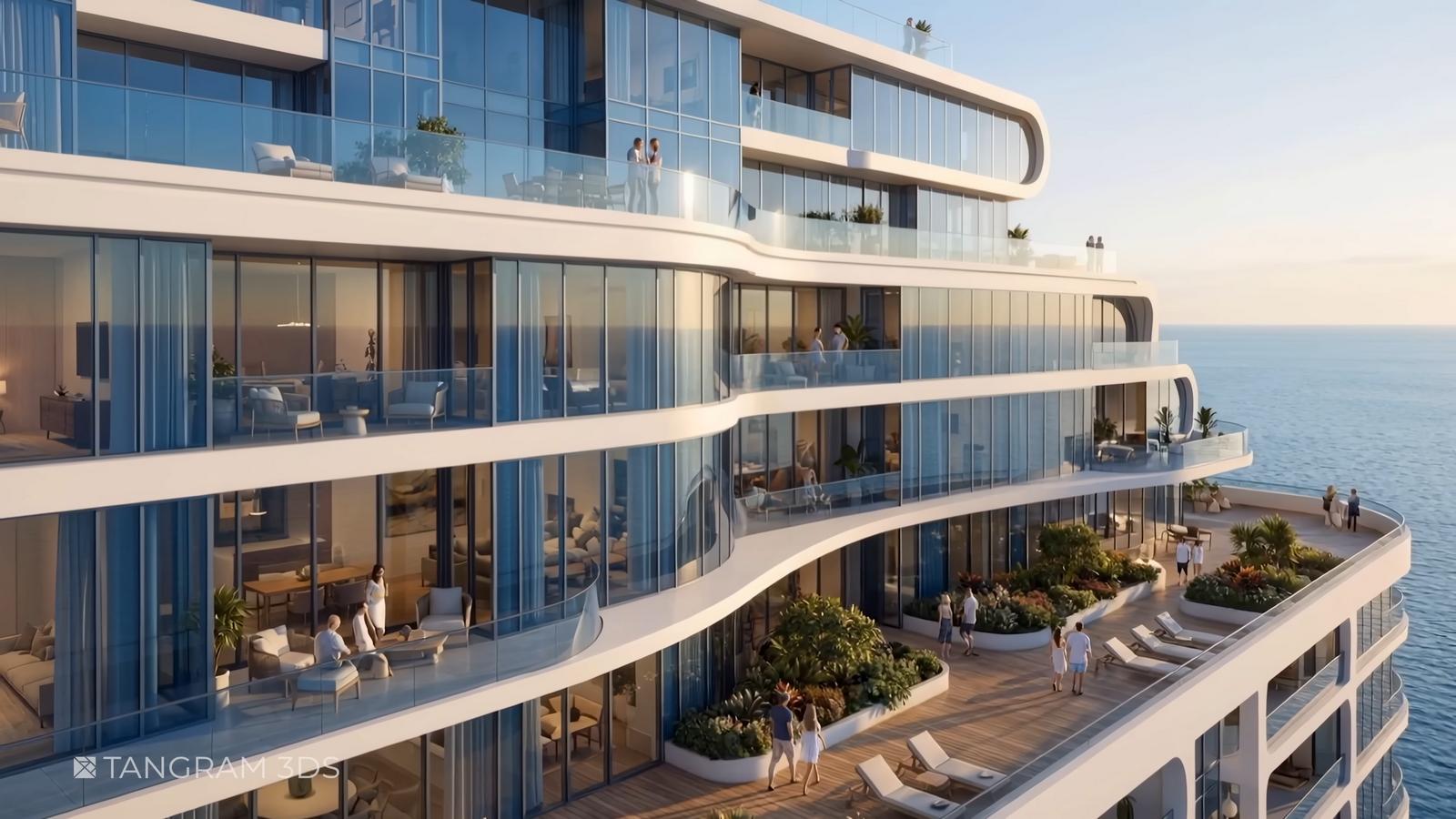
Freedom Ship’s creators envision an urban environment rather than a passenger vessel. Residents would have access to schools, colleges, hospitals, banks, offices, shopping districts, restaurants, entertainment venues, and public gathering spaces. The goal is to create a functioning community where daily life continues uninterrupted regardless of where the ship happens to be sailing.
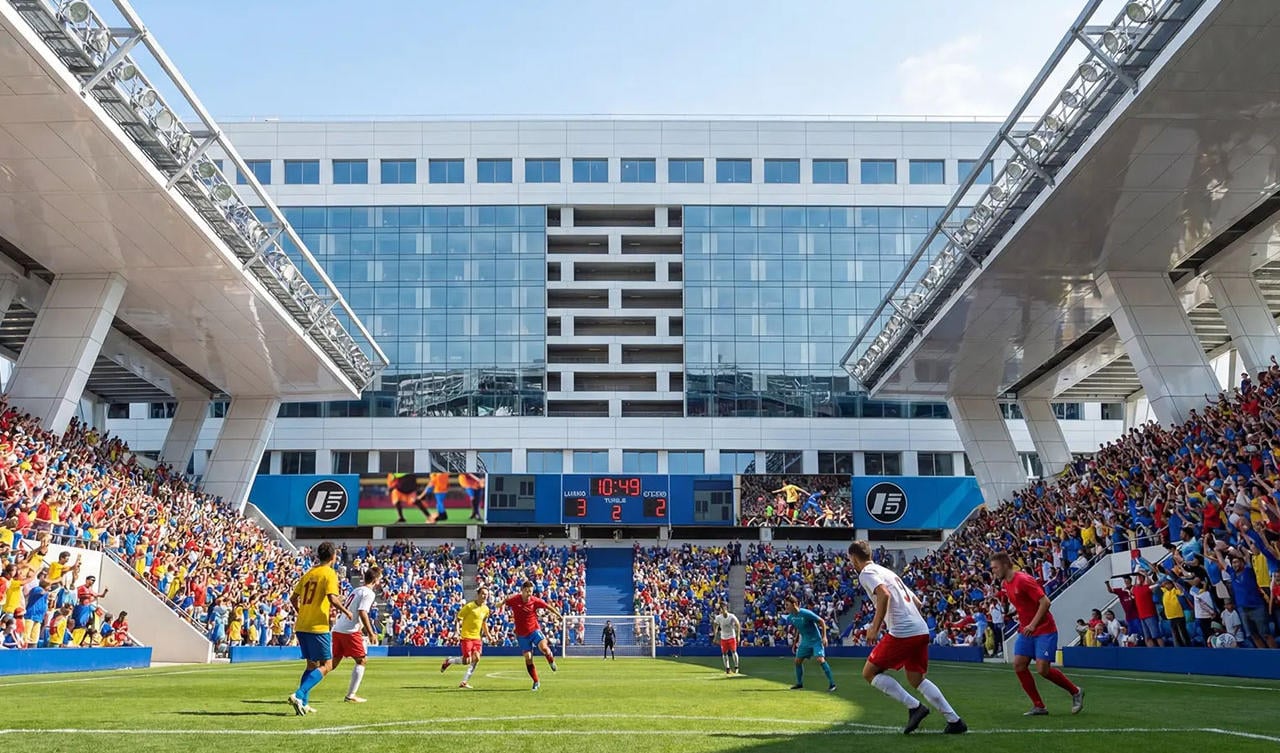
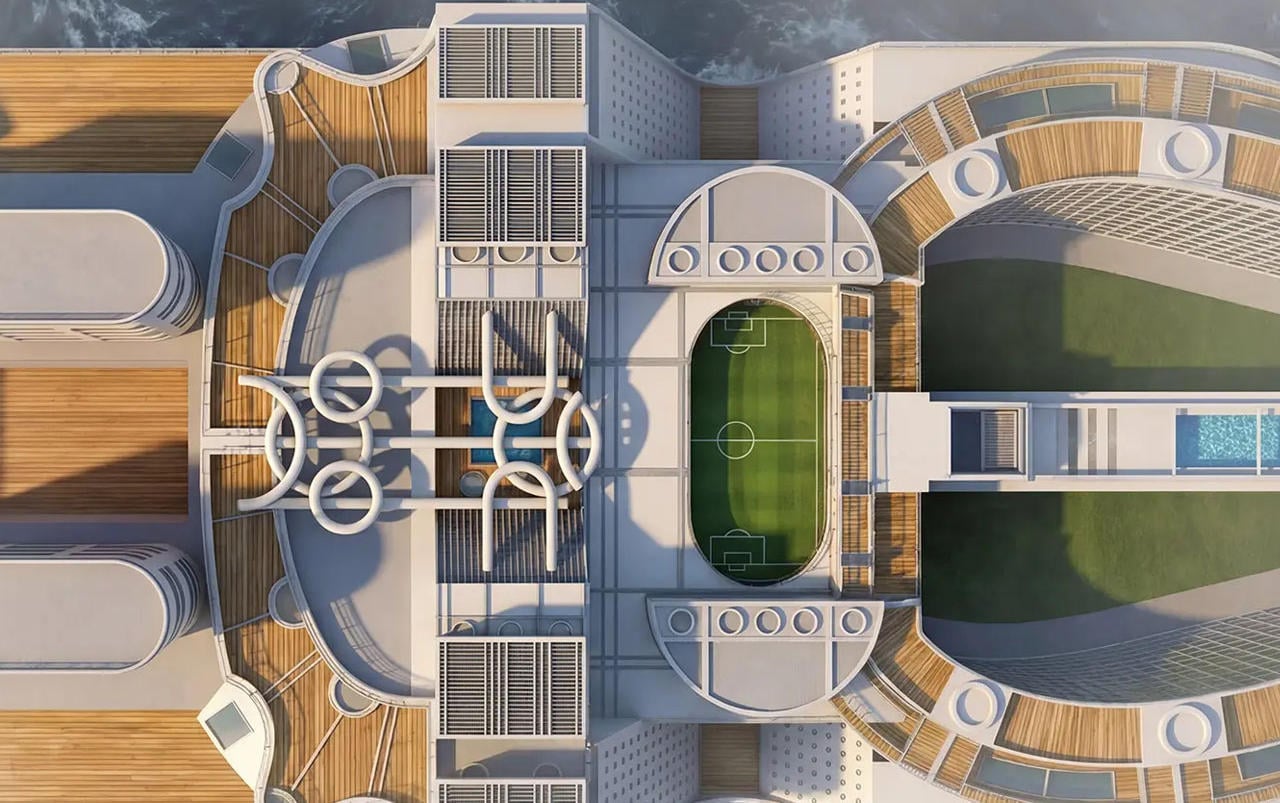
Several decks would be dedicated to commercial and financial services, while others would house retail areas, food halls, shopping malls, casinos, nightclubs, and even an aquarium. Recreational facilities are equally ambitious. Plans call for a 15,000-seat sports stadium, a water park, museums, a convention center, and a symphony hall. Green spaces and pedestrian areas are intended to provide a more traditional urban atmosphere despite the vessel’s maritime setting.
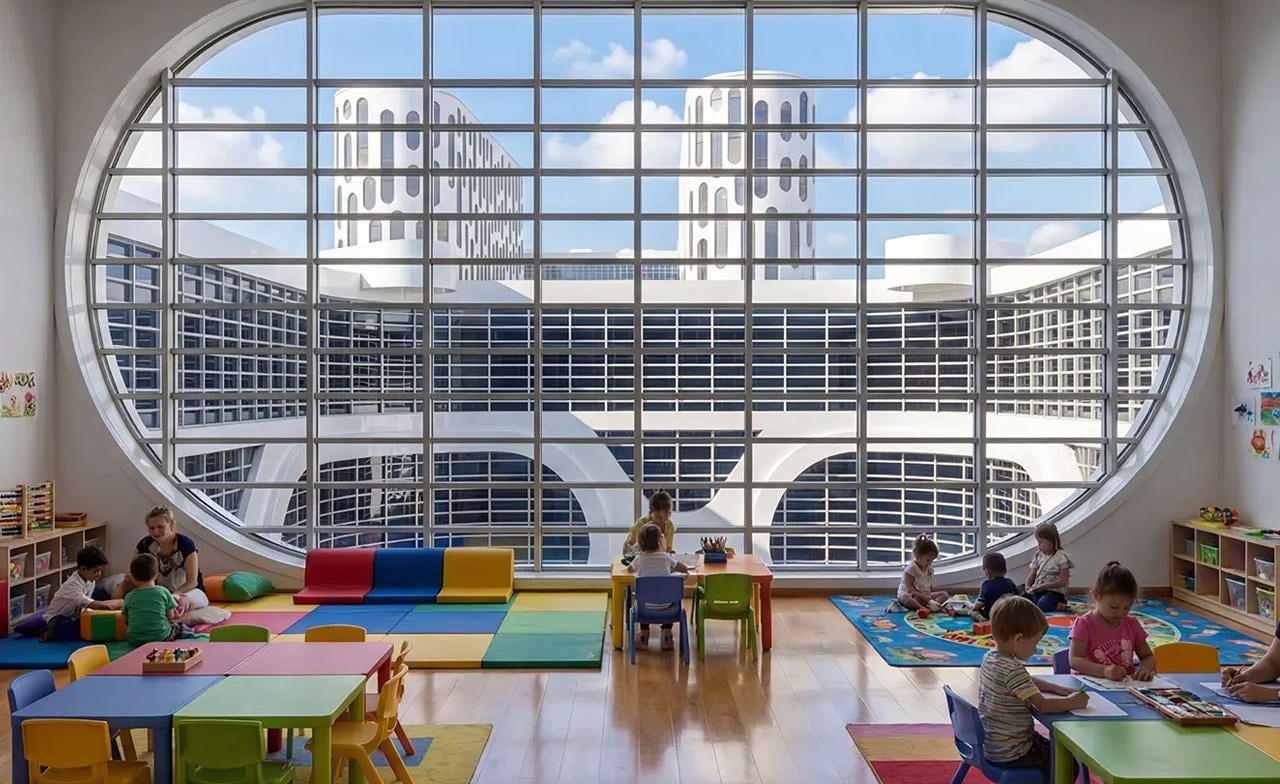
Because traversing a mile-long city on foot would be impractical, internal transportation networks would play a major role. Trams, walkways, and pedestrian routes would connect residential districts with commercial and entertainment zones, effectively creating a public transit system at sea. Eight helipads are also planned to support emergency operations and rapid transportation.
The biggest challenge is not engineering
Perhaps the most surprising aspect of Freedom Ship is that its proponents do not view technology as the primary obstacle. Modern shipbuilding, large-scale construction, and power generation techniques make many aspects of the project theoretically achievable.
The greater challenge is financing. Current estimates place the cost of construction at approximately $16 billion. To support that investment, developers envision a mixed economic model in which residential, commercial, and retail spaces could be leased or purchased by individuals and businesses. The floating city would effectively function as its own economy, with residents and companies generating activity within a largely self-sustaining ecosystem.
The project also proposes the use of nuclear power to meet the enormous energy demands of a city carrying 80,000 people. Such a system would provide the electricity needed for transportation, desalination, climate control, communications, healthcare facilities, and commercial operations, though it would inevitably raise regulatory and political questions.

Indonesia has emerged as the preferred construction location, with developers suggesting a build timeline of three to four years once funding is secured. An unusual aspect of the plan would allow portions of the vessel to become occupied before the entire project is completed, creating a phased rollout rather than a single launch.
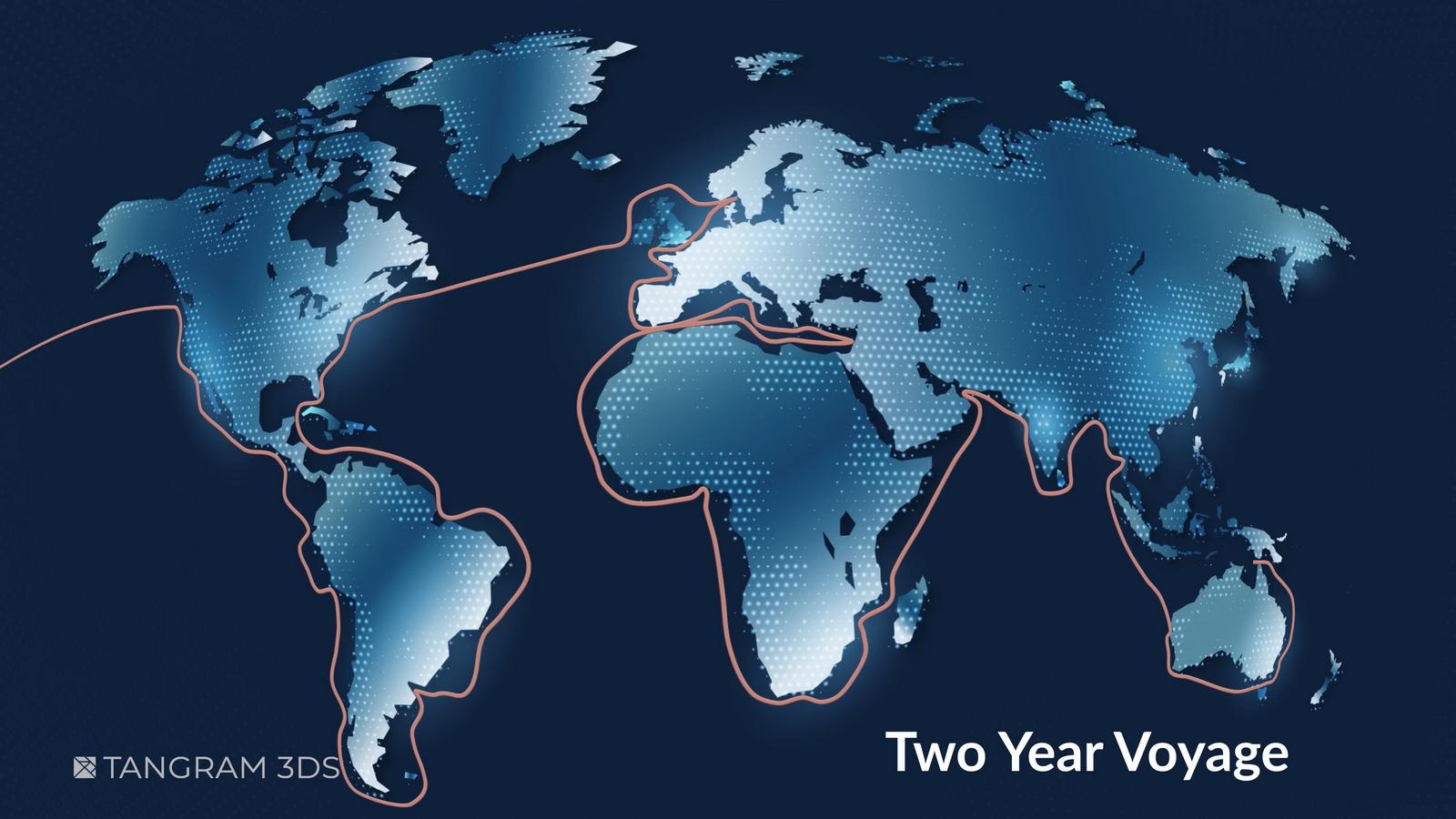
More than a quarter century after its original conception, Freedom Ship remains one of the most ambitious unbuilt projects ever proposed. Whether it ultimately becomes reality or remains a fascinating vision of the future, its creators are asking a bold question. What happens when a city no longer belongs to a coastline, a nation, or even a continent, but instead spends its life roaming the oceans of the world?