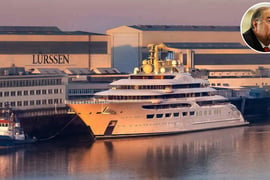
There are superyachts that impress at first glance, and then there are vessels like Rocinante that quietly reframe the entire conversation. At 256 feet, the Lürssen-built yacht owned by Valve co-founder Gabe Newell arrives at the 44th annual Palm Beach International Boat Show not just as another listing, but as the defining presence of the event. It is the largest yacht in attendance, and more importantly, the one that sets the tone for what modern ultra-wealth looks like when translated into steel, glass, and ocean-going autonomy.

The timing of its appearance feels unusually precise. Rocinante is not simply on display, it is actively on the market with an asking price of $106 million, placing it squarely in front of a buyer pool that has been expanding and consolidating in Palm Beach. In a setting where proximity to wealth often matters more than spectacle, its presence carries the kind of strategic weight that turns a showcase into a transaction environment.

A billionaire’s floating estate finds its moment on the market
Now offered for sale at that nine-figure valuation, Rocinante enters a market that is becoming more deliberate, more global, and more demanding. This is not a yacht designed for quick indulgence or weekend escapes. It is a vessel built for extended, self-contained living, capable of carrying up to 12 guests across 10 staterooms in a layout that prioritizes privacy and spatial separation over spectacle. Every element onboard speaks to duration rather than display.
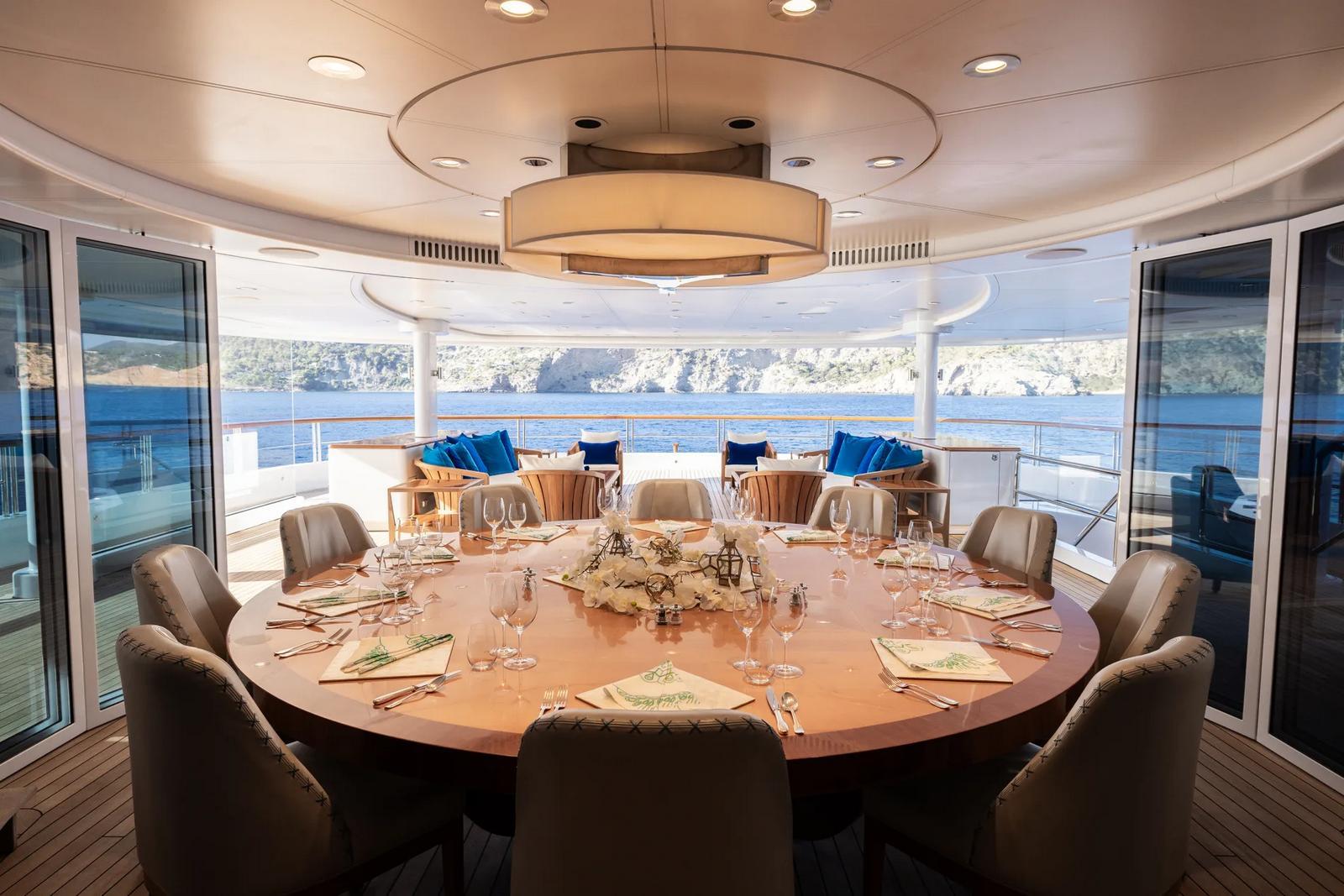
The amenities reinforce that intent with a kind of quiet authority. A full spa complex that includes a beauty salon, massage room, and sauna suggests a lifestyle that does not require interruption. A gym and a helipad add layers of independence, allowing the owner to operate on their own schedule without reliance on shore-based infrastructure. Even the proportions of the yacht feel deliberate, as if designed to insulate its occupants from the unpredictability of the outside world while still offering a front-row seat to it.

Lürssen’s involvement further elevates Rocinante into a different category altogether. This is a shipyard that does not build in volume or chase trends, and its projects tend to carry a certain permanence. In that sense, Rocinante feels less like a product and more like a long-term asset, the kind of object that moves between owners without ever losing its relevance.

A show defined by scale, wealth, and a changing market
Rocinante’s presence at Palm Beach is not accidental. The show itself has evolved into one of the most important stages for superyacht transactions in the United States, driven in large part by the concentration of wealth along Florida’s coastline. The audience here is not browsing casually. It is composed of individuals who can make decisions quickly, often with global portfolios and shifting priorities shaped by broader economic and geopolitical currents.

Against that backdrop, Rocinante serves as both a headline and a benchmark. It draws attention, anchors expectations, and creates a gravitational pull that elevates everything around it.

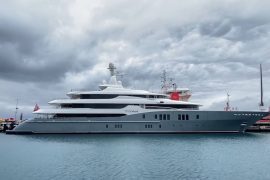
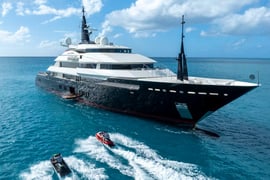
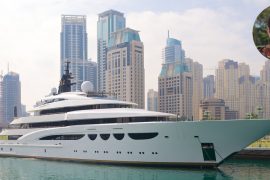
Yet it is not alone in shaping the narrative of this year’s show. Feadship’s Boardwalk brings a more contemporary interpretation of luxury with its hospitality-driven design and social spaces. Kenshō offers a radically different approach rooted in architectural restraint and panoramic openness. Amor à Vida introduces a forward-looking perspective with hybrid propulsion and efficiency-focused engineering, while Sanlorenzo’s Alchemist represents the segment of the market where deals are more likely to close.
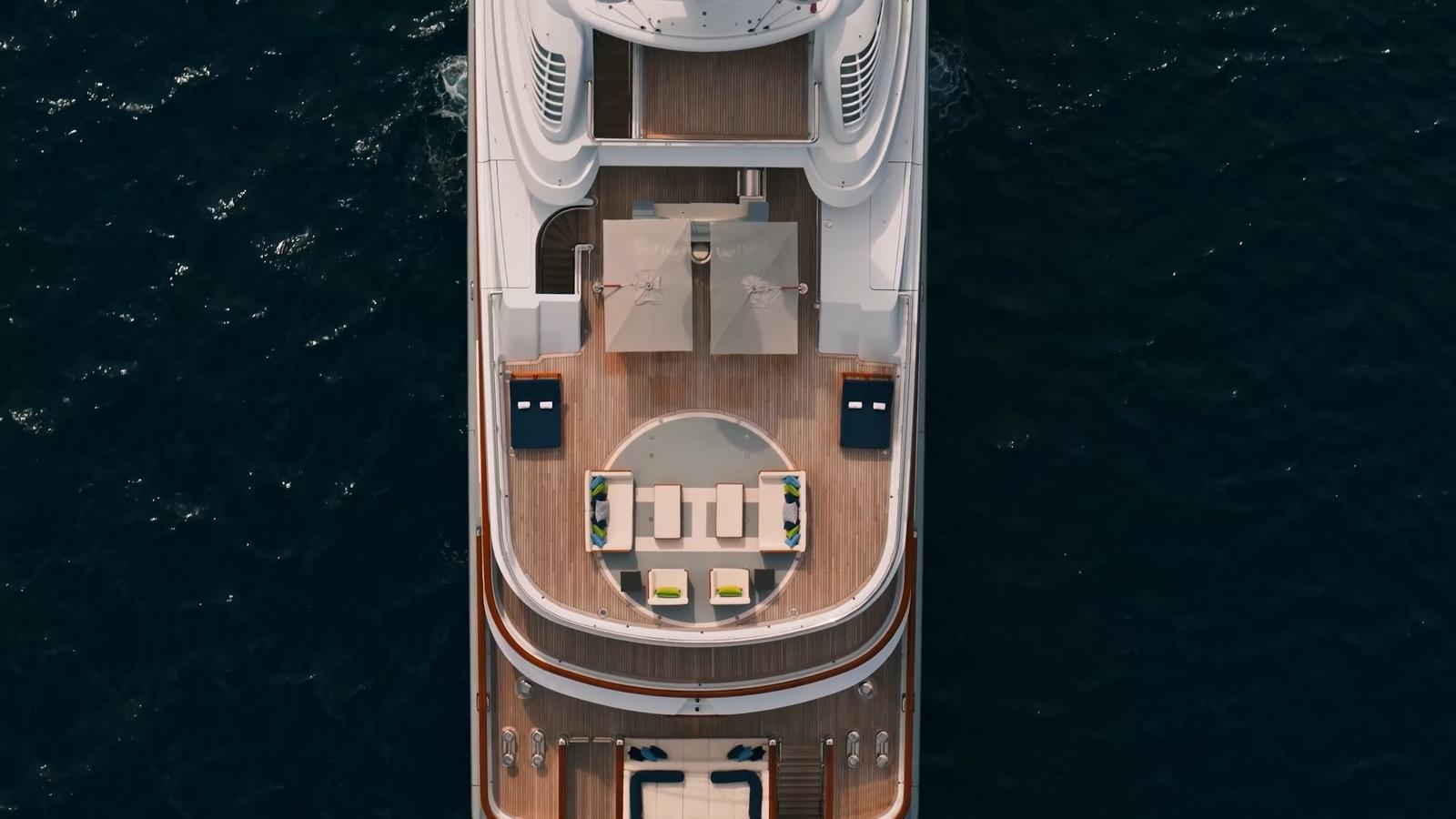
Together, these yachts form a layered portrait of an industry in transition, where tradition, technology, and taste are being renegotiated in real time. Even within that lineup, Rocinante stands apart. It does not chase novelty or attempt to redefine the category. Instead, it consolidates everything the category has already achieved and presents it at its most complete, most refined, and most quietly commanding.