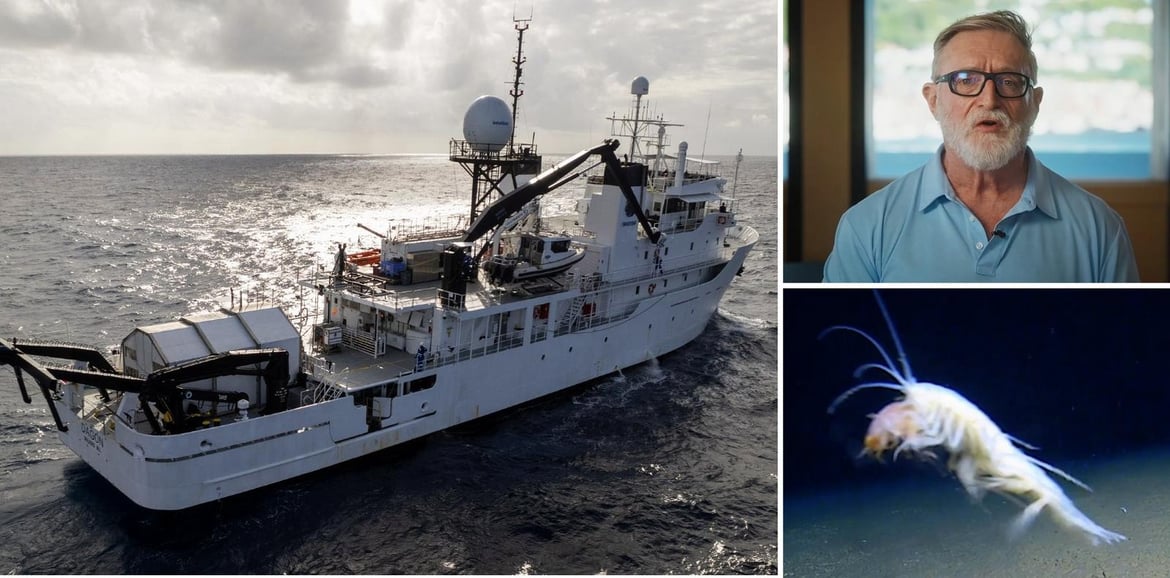
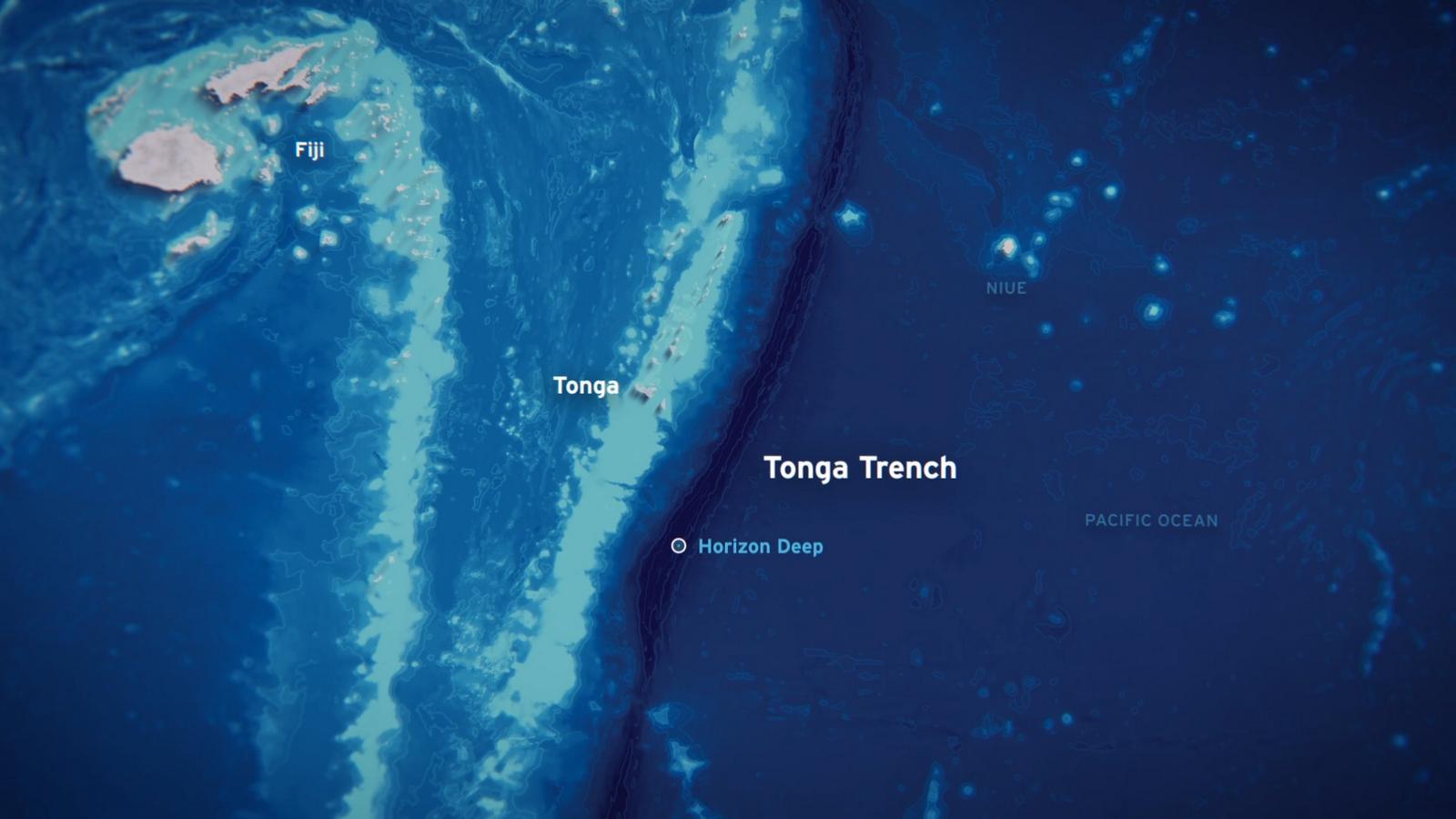
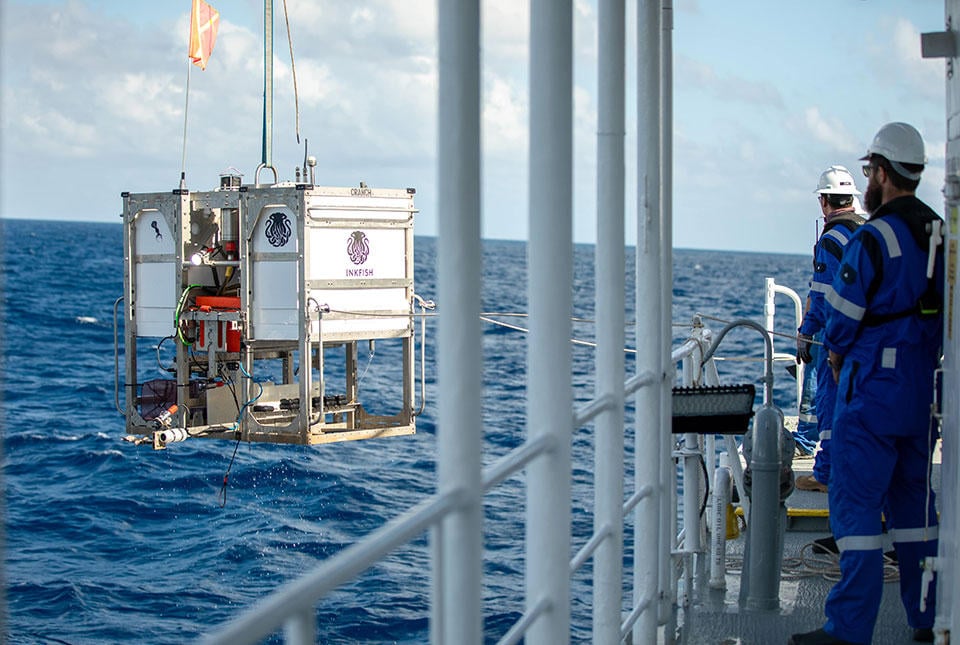
More than five miles beneath the Pacific Ocean, where the pressure approaches 12,000 pounds per square inch and sunlight has long since disappeared, a tiny predator was hunting other crustaceans in the darkness. It was discovered using an unmanned, free-falling scientific lander in an expedition that was mounted from RV Dagon, an explorer vessel owned and operated by Gabe Newell’s marine-research organization Inkfish. The baited lander eventually returned with specimens of an amphipod unknown to science, a creature that researchers named Princaxelia malohi, using a Tongan word meaning “mighty” or “powerful.” The name is fitting for an eyeless crustacean capable of overpowering prey in one of the most hostile environments on Earth.
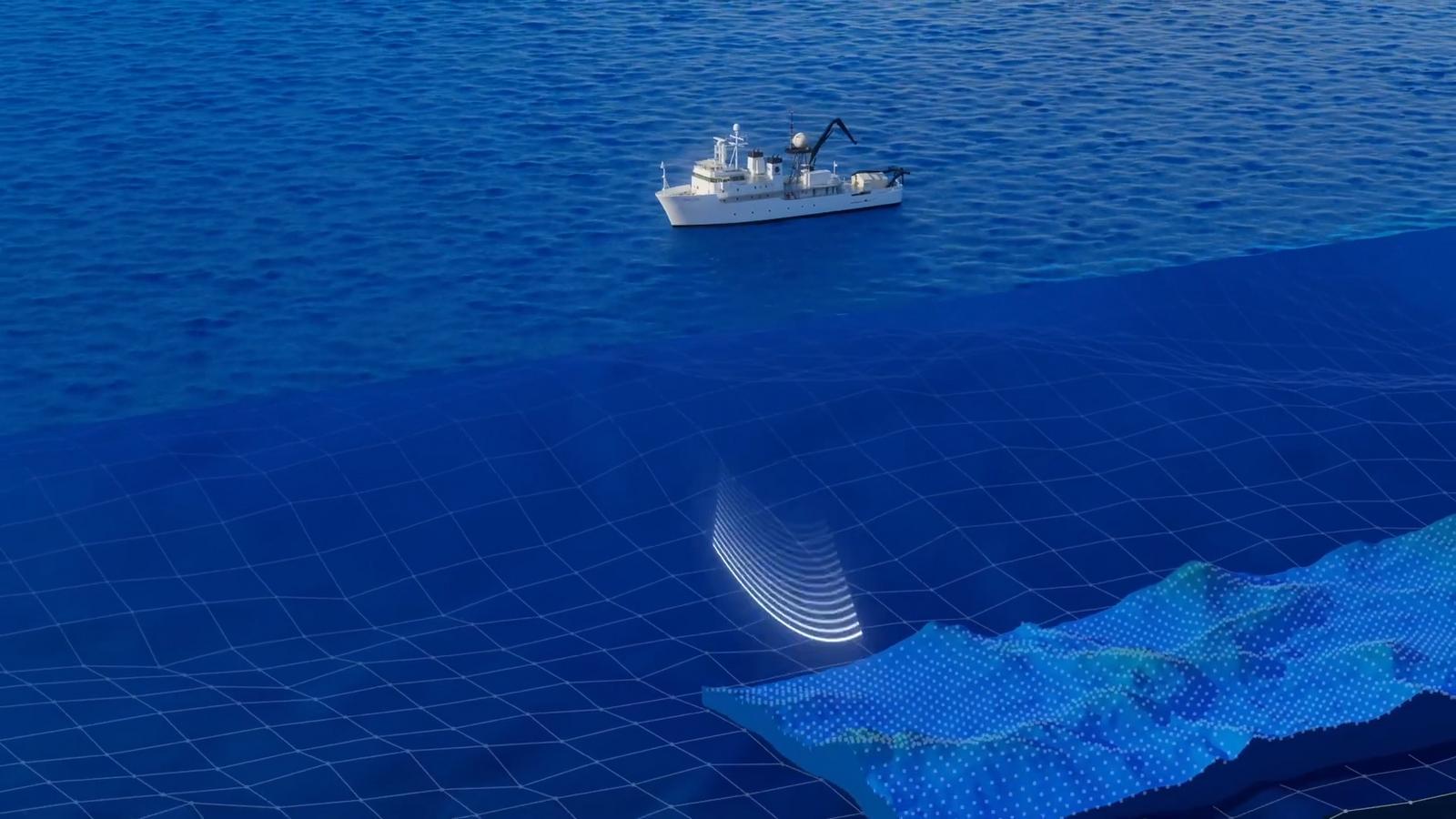
The scale of the expedition helps explain how such a small animal could emerge from such an enormous mission. During the 2024 Tonga Trench campaign, six landers made 104 deployments across 37 sites, producing more than 1,250 hours of high-definition seafloor video while the expedition mapped 25,000 square miles of seafloor.
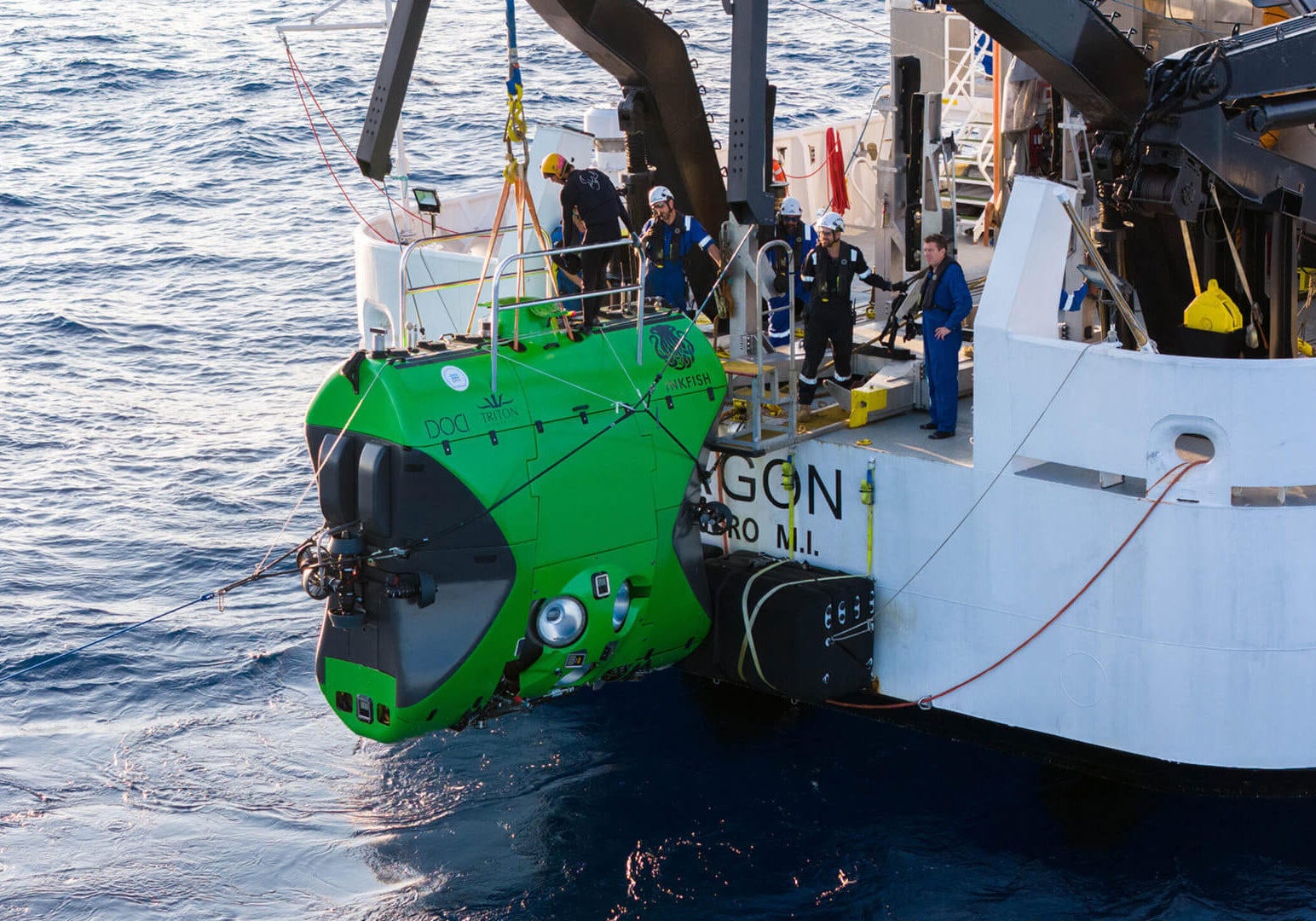
The mission also sent the crewed submersible Bakunawa into the trench, although the newly discovered amphipods were collected by the unmanned landers rather than the submersible. Those robots were equipped with cameras, traps and mackerel, creating temporary feeding stations in the darkness where scavengers gathered and, apparently, attracted something that was there to hunt them.
The predator waiting beyond five miles
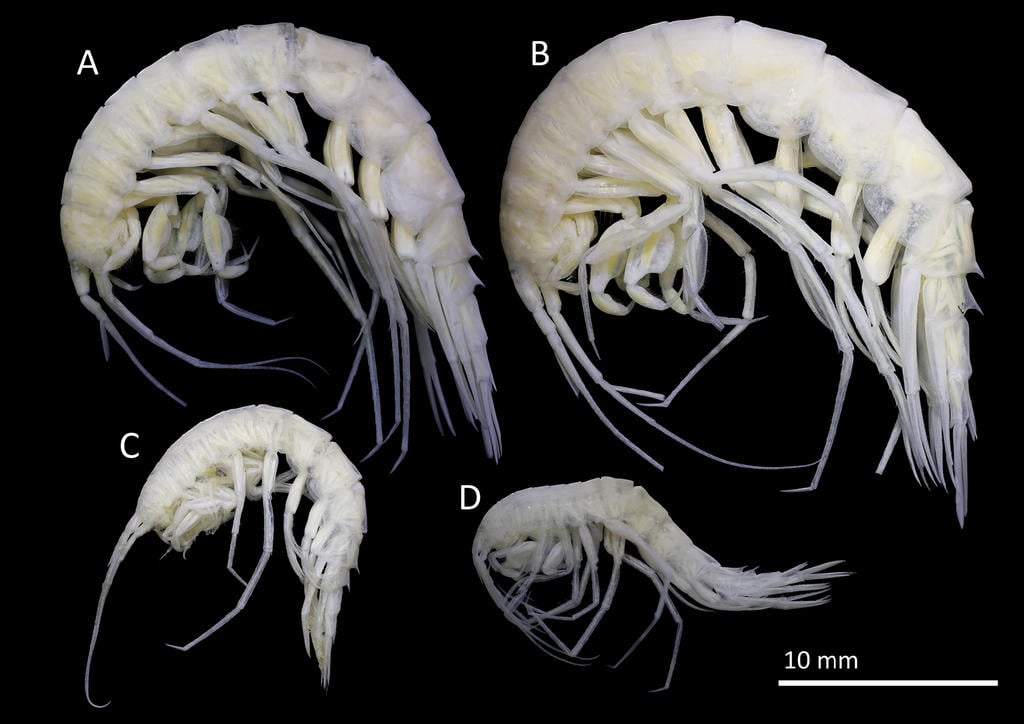
The five Princaxelia malohi specimens were recovered on July 18, 2024, with four mature males collected at about 8,200 meters and a juvenile recovered at 8,350 meters. The largest specimen, A 35.1-millimeter male was designated the holotype, while the five specimens ranged from 16.6 to 39.5 millimeters. Making the animal tiny compared with the scale of its environment. Yet its size disguises a surprisingly specialized predator, equipped with powerful grasping appendages called gnathopods, claw-like mouthparts and a distinctive projection near the base of each terminal claw that has not been seen in other described members of the genus.
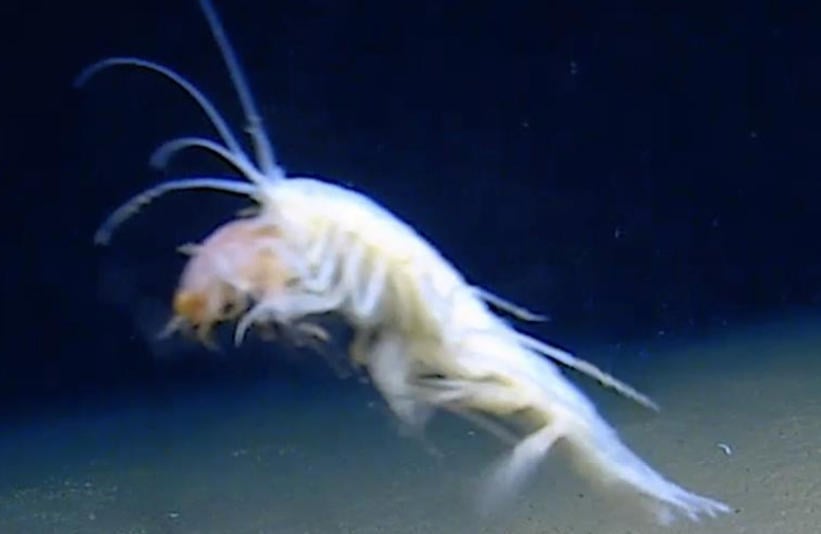
Camera footage provided an even more remarkable glimpse into its behavior, showing P. malohi carrying an amphipod identified as Hirondellea dubia, repositioning its prey and moving across the sediment with its elongated rear legs trailing behind it. Researchers also observed individuals resting on the seafloor and making short swimming attacks, with as many as five apparently gathering around a single baited lander.
The depth of the discovery may be even more important than the animal’s appearance. At 8,350 meters, the juvenile was found slightly below the approximate 8,300-meter lower boundary known for bony fishes, raising the possibility that Princaxelia becomes one of the trench’s principal predators once fish disappear from the ecosystem. At shallower depths, the roles can reverse, with the amphipod itself potentially becoming prey for snailfish. The deeper collection site was also only 499 meters short of Mount Everest’s height, meaning the animal was living beneath a vertical column of seawater almost as tall as the world’s highest mountain.
From Five Deeps to Inkfish
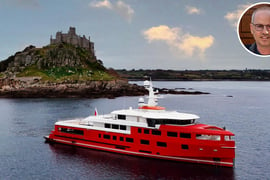
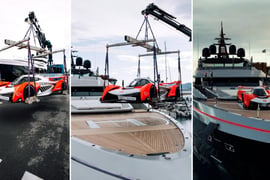
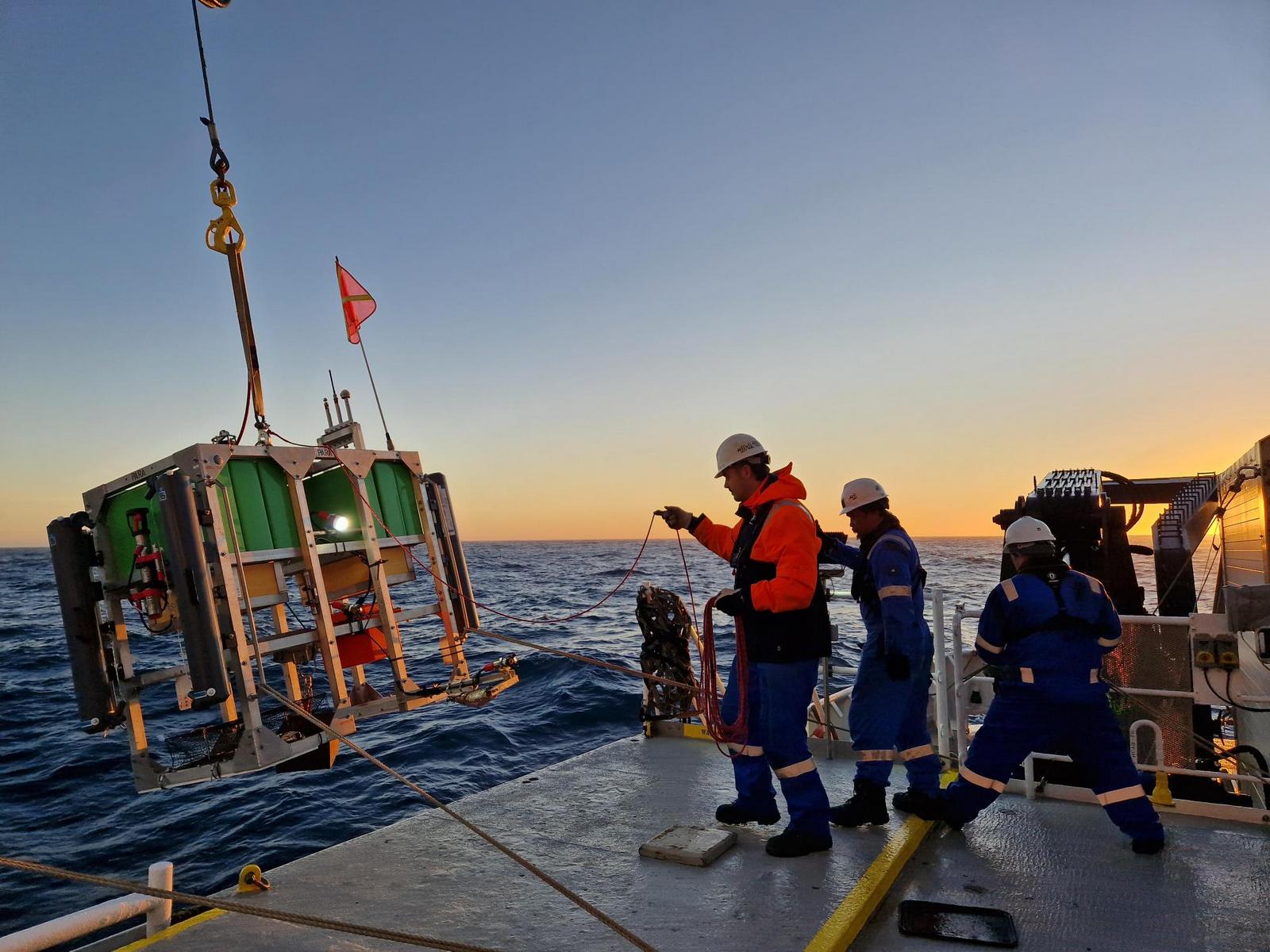
The vessel that made the discovery has a history almost as unusual as the creature itself. Built in 1985 as USNS Indomitable, the 224-foot ship was originally designed for Cold War submarine tracking before becoming NOAA’s research vessel McArthur II. American private equity investor and Ocean explorer Victor Vescovo acquired and extensively rebuilt it in 2017 as DSSV Pressure Drop, turning it into the mothership for the Five Deeps Expedition, which carried his two-person submersible Limiting Factor to the deepest point in each of the world’s five oceans. In 2022, Newell’s Inkfish acquired the exploration system, including the ship, submersible, robotic landers and full-ocean-depth sonar, subsequently renaming the vessel RV Dagon and the submersible Bakunawa.
The Tonga expedition shows how that exploration legacy has been redirected toward scientific discovery. Dagon can accommodate up to 47 people and carries wet and dry laboratories, full-ocean-depth mapping equipment and a retractable hangar for the submersible, giving Inkfish a floating base from which to investigate some of the least accessible places on Earth. The same campaign produced footage of a bigfin squid at 3,300 meters, a Pacific sleeper shark feeding on bait at 1,400 meters and a fleeting 20-second appearance by a goblin shark at 1,997 meters.

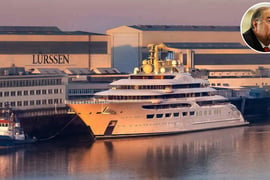
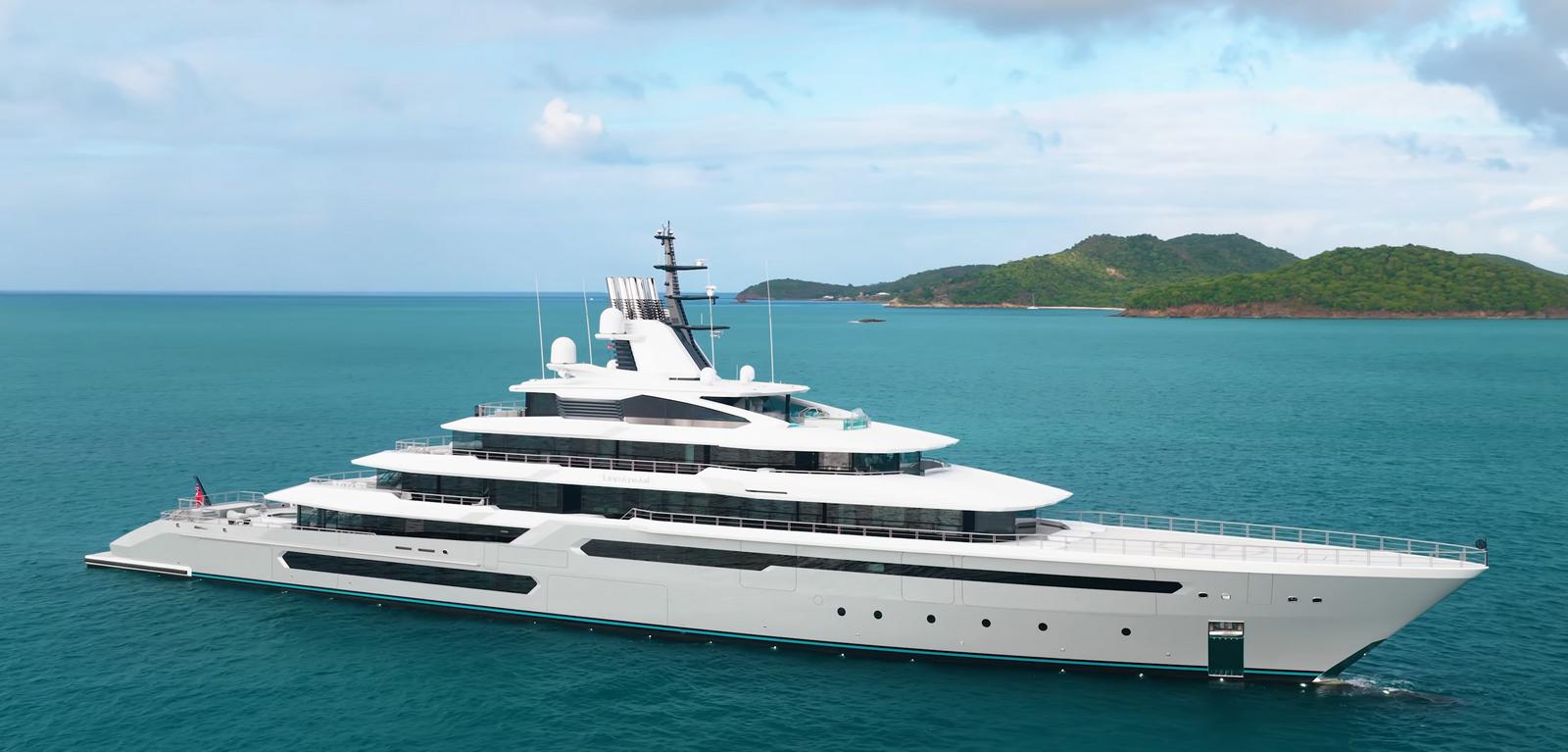
For Newell, the investment fits a broader belief that expensive vessels can have a purpose beyond luxury, a philosophy he has also expressed about his yacht Leviathan, arguing that yachts can serve as platforms for scientific research and should create value for the communities around them.
In that sense, Princaxelia malohi is more than another strange creature pulled from the abyss. Similar-looking animals had actually been filmed in the Tonga Trench as far back as 2012, but scientists lacked the specimens needed to formally identify them, meaning some of that old footage may have captured the same species years before it was named.
The 2024 expedition finally connected the mysterious animal on camera with physical specimens, detailed anatomy and genetic evidence, helping raise the number of formally recognized Princaxelia species to seven. A robot carrying a piece of mackerel had effectively turned a patch of black sediment more than five miles below the waves into a miniature hunting ground, revealing a predator that had been waiting there all along.