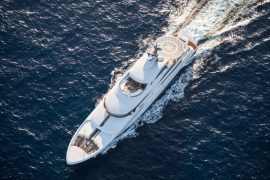
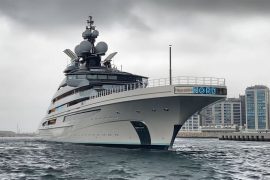
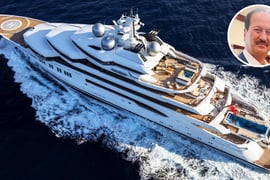
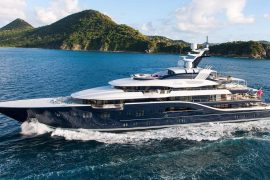
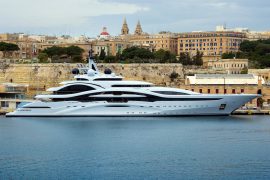
The numbers behind operating a 387-foot superyacht can shift dramatically in a matter of days, and the latest jump in marine fuel prices has created a stark example. Because of the evolving geopolitical situation across West Asia, the cost of marine gas oil has surged so sharply that Mark Zuckerberg would now have to spend about $170,000 more than he did just two weeks ago to fill the tanks of his giant yacht, Launchpad.

The difference is striking when viewed through a single refueling stop. At the port of Gibraltar, a harbor that Launchpad regularly uses when traveling between the Atlantic and the Mediterranean, a full tank of high specification marine gas oil cost roughly $286,000 a fortnight ago. According to bunker prices accessed by Luxurylaunches, today that same fill-up comes in at nearly $454,700. The fuel itself has not changed, and neither has the yacht, yet the bill has ballooned by almost $170,000 in just fourteen days.

Why Gibraltar matters to a superyacht like Launchpad
Gibraltar occupies a geographic position that almost feels designed for long-range yacht traffic. Sitting at the narrow gateway between the Atlantic Ocean and the Mediterranean Sea, the port lies directly beside the Strait of Gibraltar, where more than sixty thousand vessels pass each year. Around 15% of them stop to refuel or resupply, which has turned bunkering into the beating heart of the local maritime economy.

For yachts traveling between the United States and the Mediterranean, the port has become part of a familiar rhythm. Captains leaving European waters often top up with duty-free fuel in Gibraltar before heading south toward the Canary Islands and then across the Atlantic to the Caribbean. The same pattern repeats in reverse when the yachts return to the Mediterranean at the end of the winter season.

Another advantage is efficiency. The port sits so close to the main east-to-west shipping lanes that vessels can refuel with almost no deviation from their route. For a yacht the size of Launchpad, which burns fuel at a formidable rate during long passages, minimizing detours can mean saving both time and hundreds of thousands of dollars in operating costs over the course of a voyage.

The Mediterranean’s largest floating gas station
Scale is another reason Gibraltar has become a favorite stop for large yachts. The port is widely regarded as the largest bunkering hub anywhere in the Mediterranean, handling millions of tons of marine fuel every year. In 2025 alone, there were more than 5000 bunker calls, a number that continues to grow as more commercial ships and superyachts rely on the port.

That volume creates a fiercely competitive market among suppliers. High turnover keeps prices relatively sharp compared with smaller Mediterranean marinas, where sourcing large quantities of fuel on short notice can be difficult and often expensive. The government also monitors pricing and quality through a formal bunkering code, ensuring that vessels receive fuel that meets strict international standards.

Infrastructure has evolved alongside demand. Gibraltar offers yacht-specific fuel terminals positioned close to the entrances of its main marinas, allowing massive vessels to take on large volumes quickly without complicated maneuvering. Facilities such as the Peninsula Superyacht Fuel Terminal supply marine gas oil directly through pipelines and even use protective white fendering designed specifically to safeguard large painted hulls during high-volume fueling.

For a yacht like Launchpad, which operates on a scale closer to a small cruise ship than a pleasure boat, the port offers the rare combination of location, supply capacity, and technical support needed for seamless transatlantic travel. The only variable that cannot be controlled is the global price of fuel, and right now that variable has turned a routine refueling stop into a bill that is significantly higher than it was just two weeks ago.