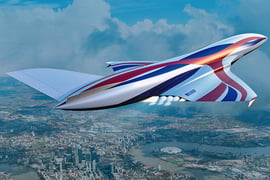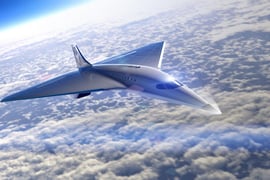
The next time you imagine crossing the Atlantic in half the time it takes today, spare a thought for the artificial intelligence boom that could help make that journey possible. Boom Supersonic, the American company developing a new generation of supersonic passenger aircraft, is betting that the enormous appetite for electricity among AI data centers could help pay for the engines that will eventually power its airliner. Rather than waiting for its proposed Overture jet to enter service, Boom is building a business around the same underlying technology, with turbines designed to generate electricity on the ground. It is an unusual way to approach one of aviation’s most stubborn challenges, but one that could give the company a source of revenue while its aircraft remains in development.
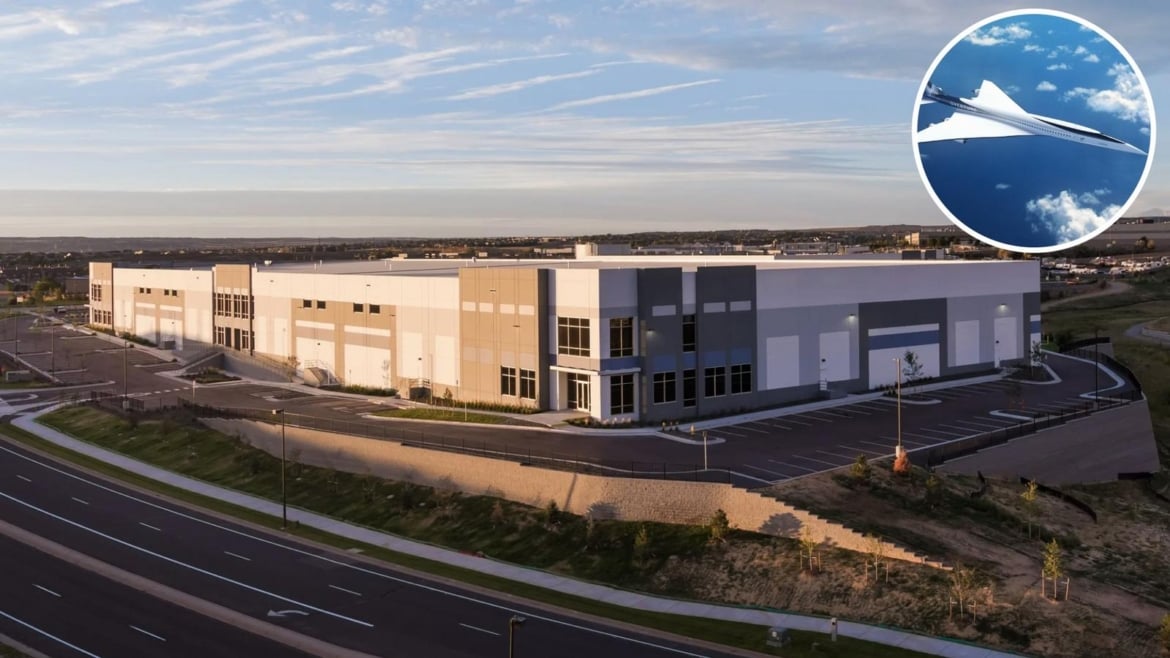
Boom recently unveiled a prototype turbine core and announced plans for a $150 million manufacturing expansion in Centennial, Colorado, dedicated to producing power-generation equipment. The company intends to supply AI data centers and other large facilities with electricity through its Superpower natural gas turbines, potentially turning the AI infrastructure boom into a stepping stone toward supersonic travel, as reported by The Denver Gazette. The idea is straightforward enough, even if the engineering behind it is anything but. Boom wants its future airliner’s engine technology earning money and proving its reliability on the ground before it carries passengers across oceans.
The turbines powering AI could help build a faster airliner
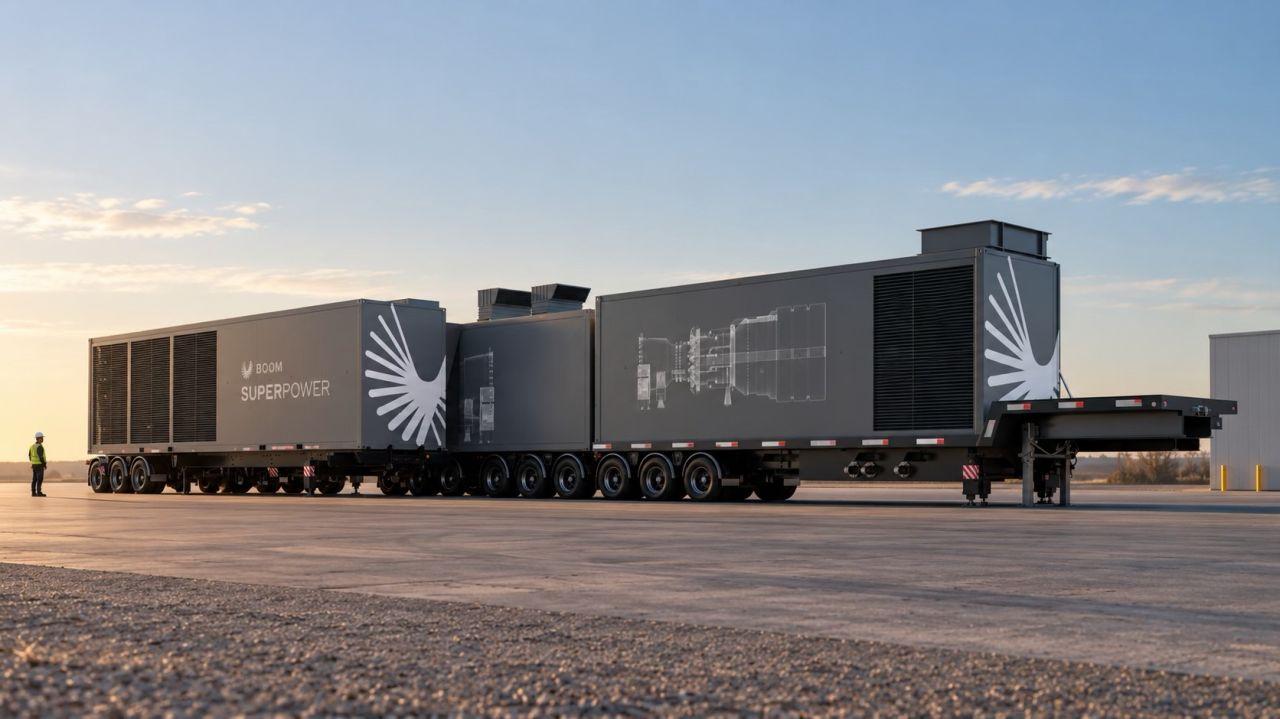
At the heart of the plan is Superpower, a 42-megawatt natural gas turbine designed to supply electricity to power-hungry data centers. With individual units capable of generating 42 megawatts, approximately 24 turbines could provide around one gigawatt of generating capacity, illustrating the scale of the electricity infrastructure required by large AI campuses.
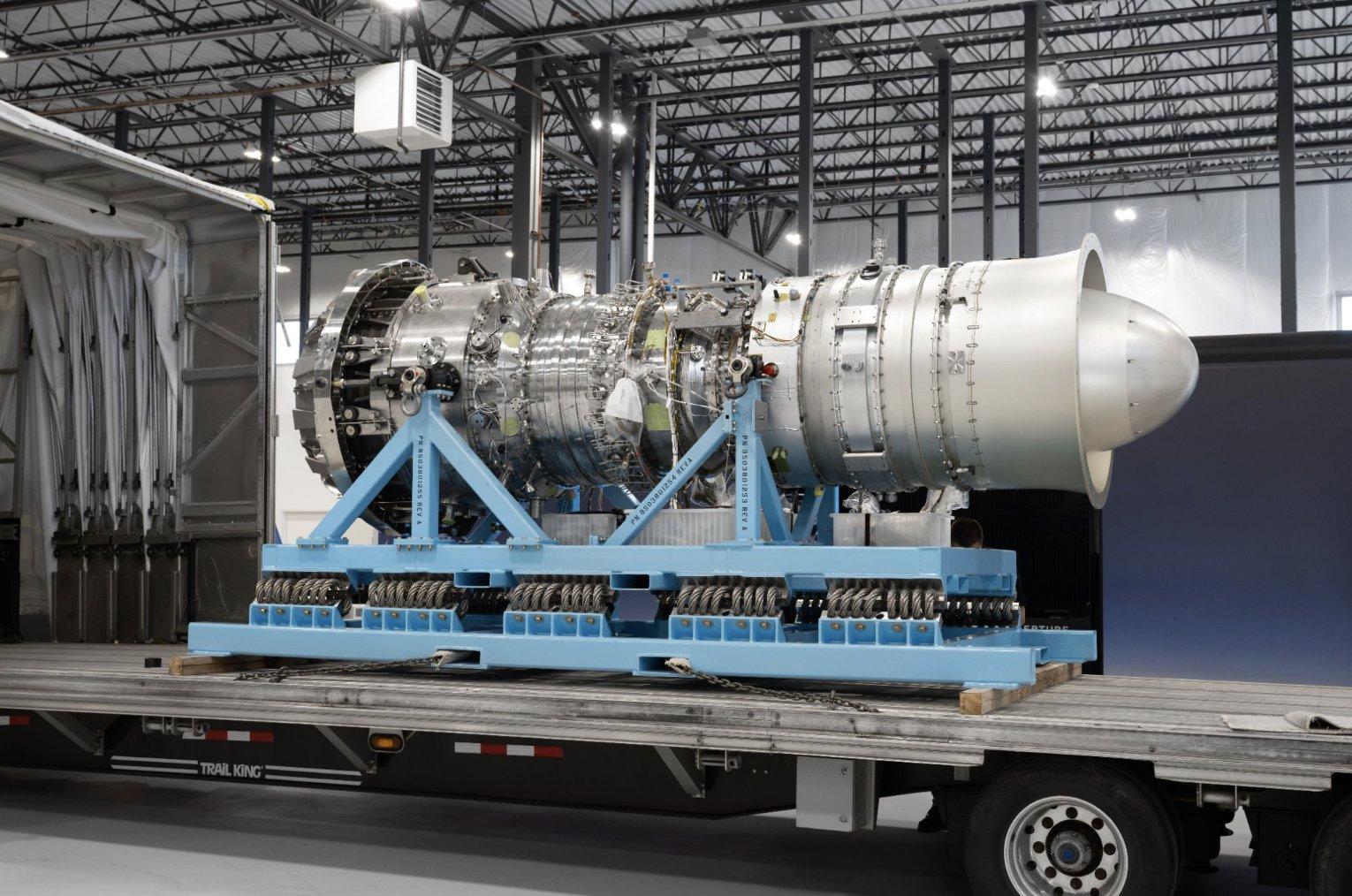
Generating power on-site could help operators avoid lengthy waits for new grid connections, while Boom says its turbines can maintain full output at temperatures exceeding 110 degrees Fahrenheit without consuming cooling water for the power-generation process. The system is designed to arrive in four road-transportable modules containing the intake, turbine, generator and exhaust, making it easier to transport and install at suitable sites.
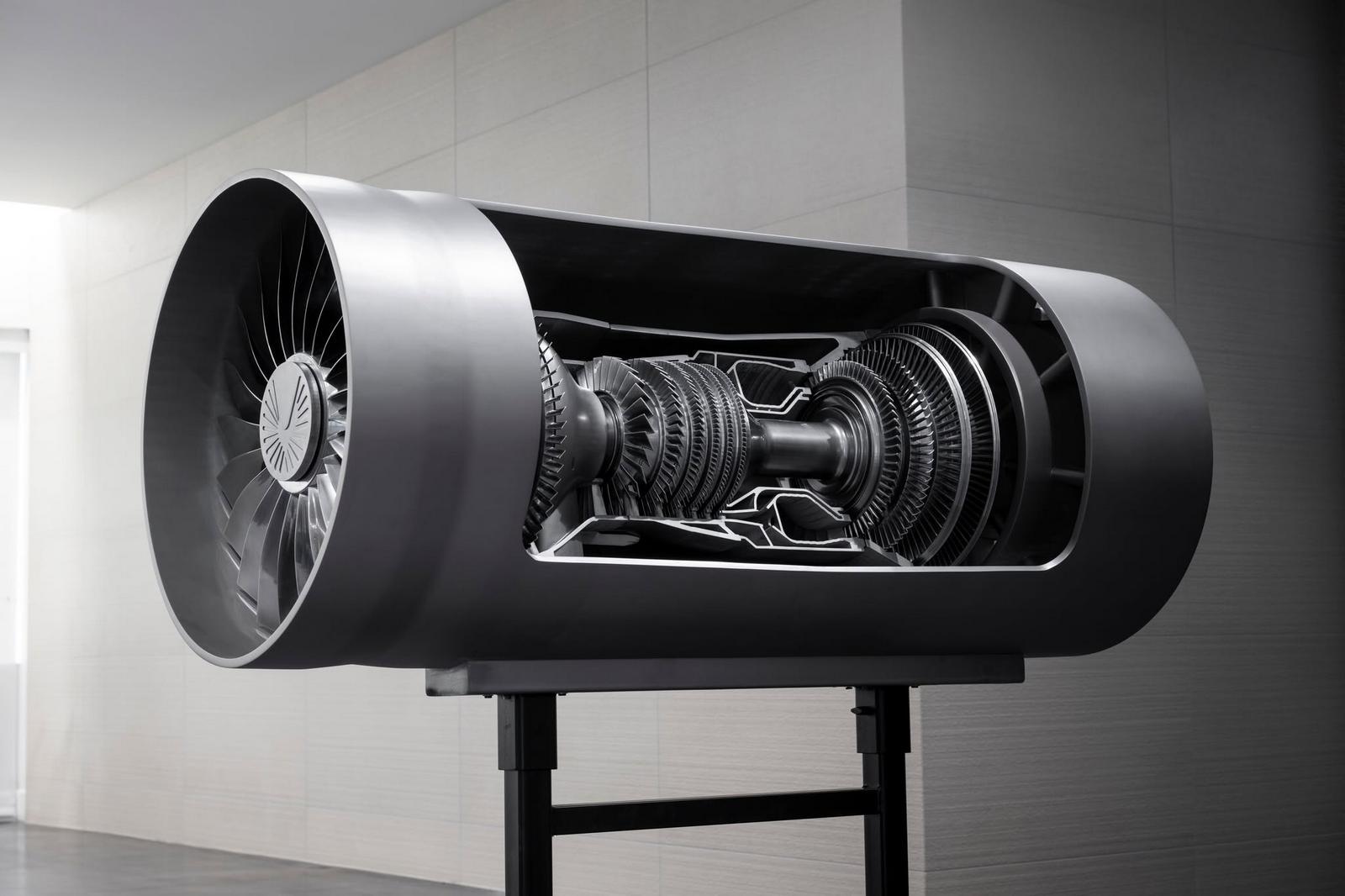
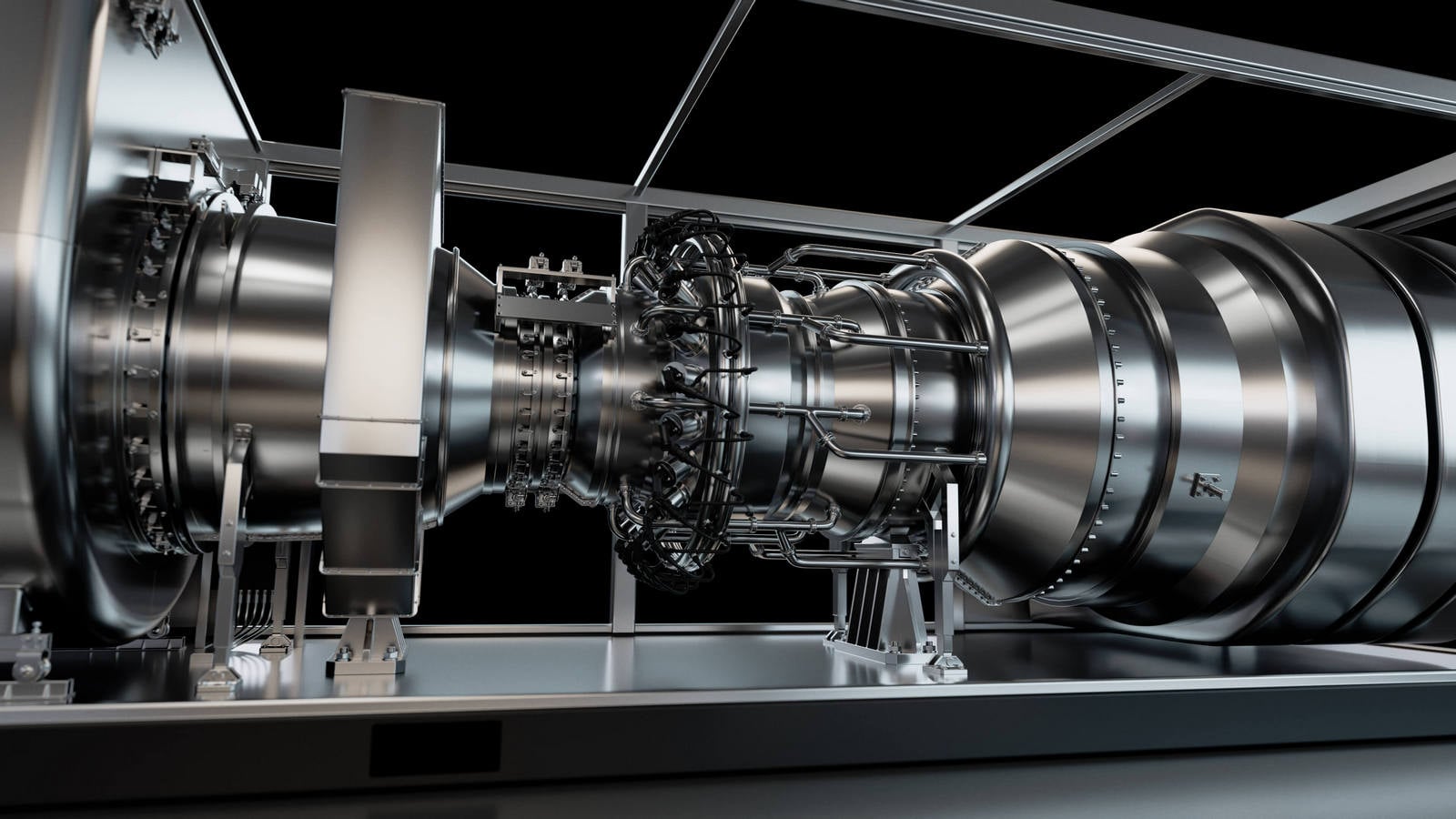
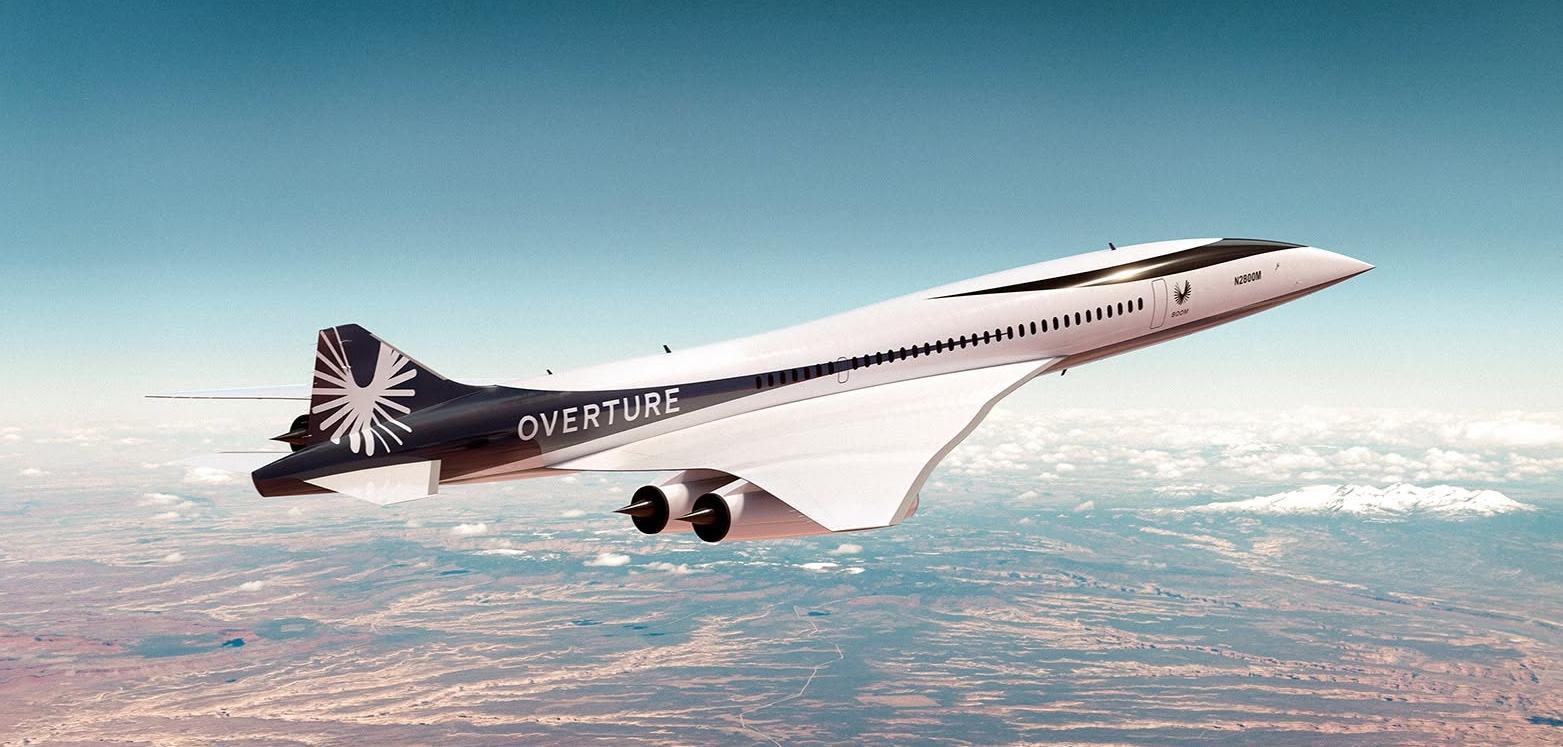
The technology is closely related to Symphony, the engine Boom is developing for its planned Overture supersonic passenger aircraft. On October 22, the company revealed Sprint Core, its first fully assembled turbine core, which brings together the compressor, combustor and high-pressure turbine. Measuring 12 feet long and weighing approximately 14,000 pounds, the assembly is heavier than Boom’s XB-1 demonstrator at maximum takeoff weight. It was completed less than a year after the Superpower program launched in December 2025 and is headed to the company’s test facility at Colorado Air and Space Port in Watkins, Colorado, for its first firing before Thanksgiving. Approximately 2,000 sensors across the test setup will help engineers understand how the core performs under demanding conditions.
A $150 million bet on the future of flight
Boom’s new Superpower Superfactory covers nearly 200,000 square feet across two buildings in Centennial and is expected to create up to 500 jobs. The facility is already producing components, with full operation expected in early 2027 and initial customer deliveries targeted for mid-2027. Boom plans to manufacture approximately 85% of each turbine by weight in-house, with annual output targeted at 25 units in 2028 and 50 in 2029, equivalent to roughly one and two gigawatts of generating capacity. A planned digital foundry will also produce sophisticated single-crystal turbine blades and vanes, while tighter control over manufacturing should help the company move from design changes to physical components in days rather than waiting weeks or months for external suppliers.
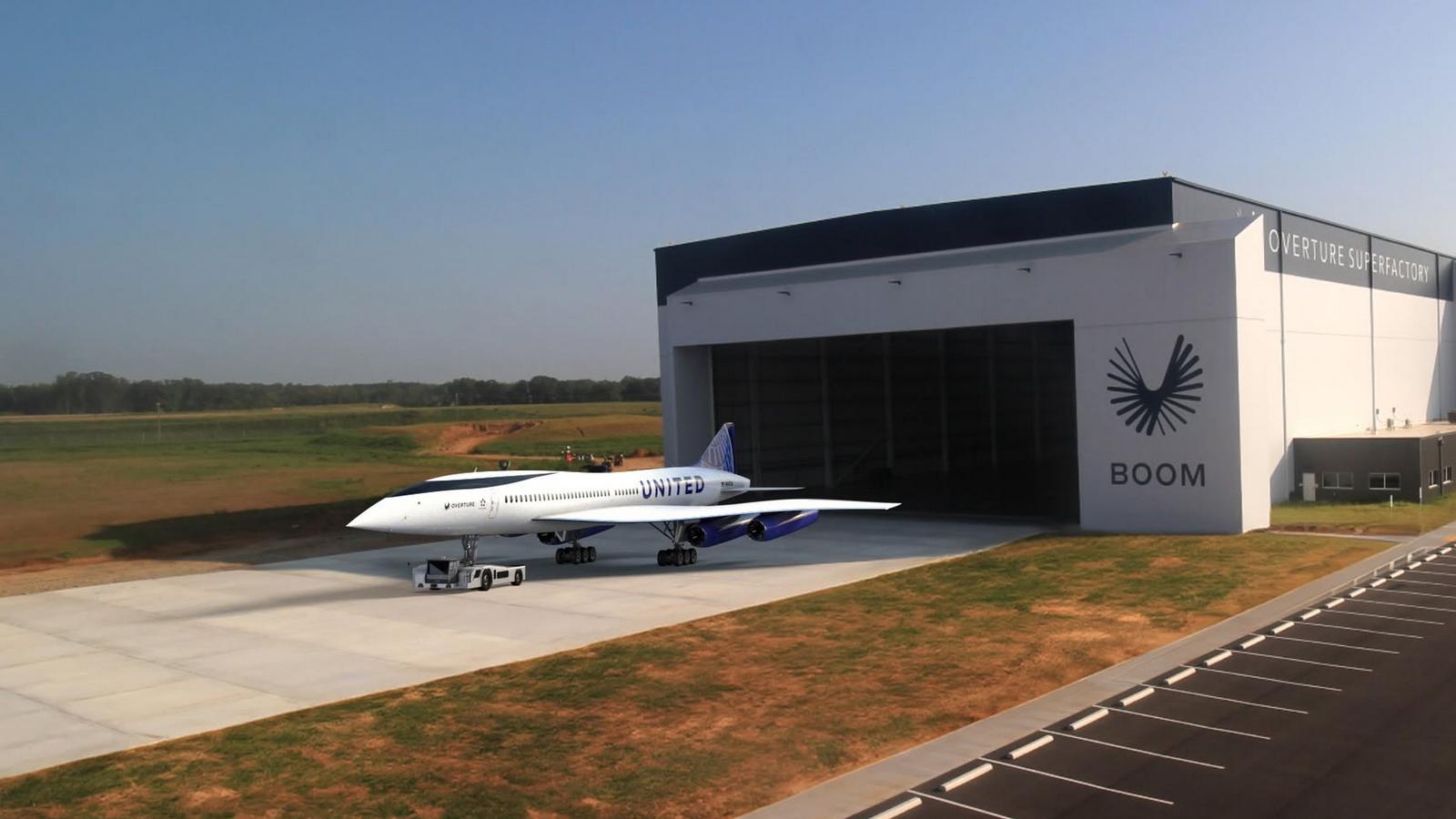
The commercial opportunity matters because Superpower could do more than generate electricity sales. Revenue from the turbines is intended to help finance Overture’s development and certification, while operating the shared engine core at data centers could provide valuable evidence about durability, maintenance and reliability before the aviation version enters service. The approach does not eliminate the need for flight testing or regulatory approval, and Boom has not announced a specific reduction in Overture’s development schedule. Its Colorado factory is dedicated to power turbines, separate from the planned Overture aircraft production campus in Greensboro, North Carolina. For Boom, the wager is that the AI industry can help shoulder some of the cost of building a supersonic future, bringing that future closer without promising that it is just around the corner.