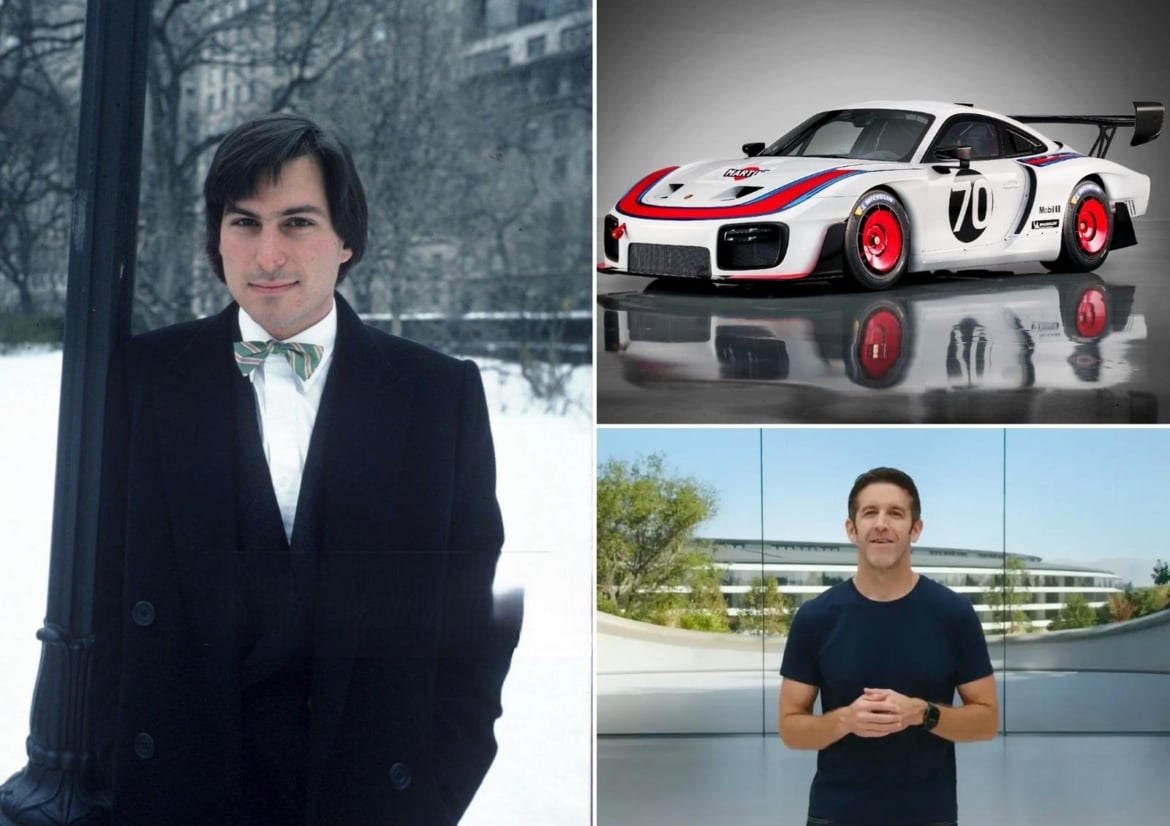
There is an amusing Porsche thread running through Apple’s history, even though the two men associated with it could hardly have used their cars in more different ways. In 1987, Steve Jobs hid his Porsche when Ross Perot visited NeXT because he did not want the young company to look flush with cash during a crucial funding conversation. Nearly four decades later, Apple’s new chief executive,John Ternus, reportedly owns one of the rarest Porsches ever built and takes it to California’s Laguna Seca.
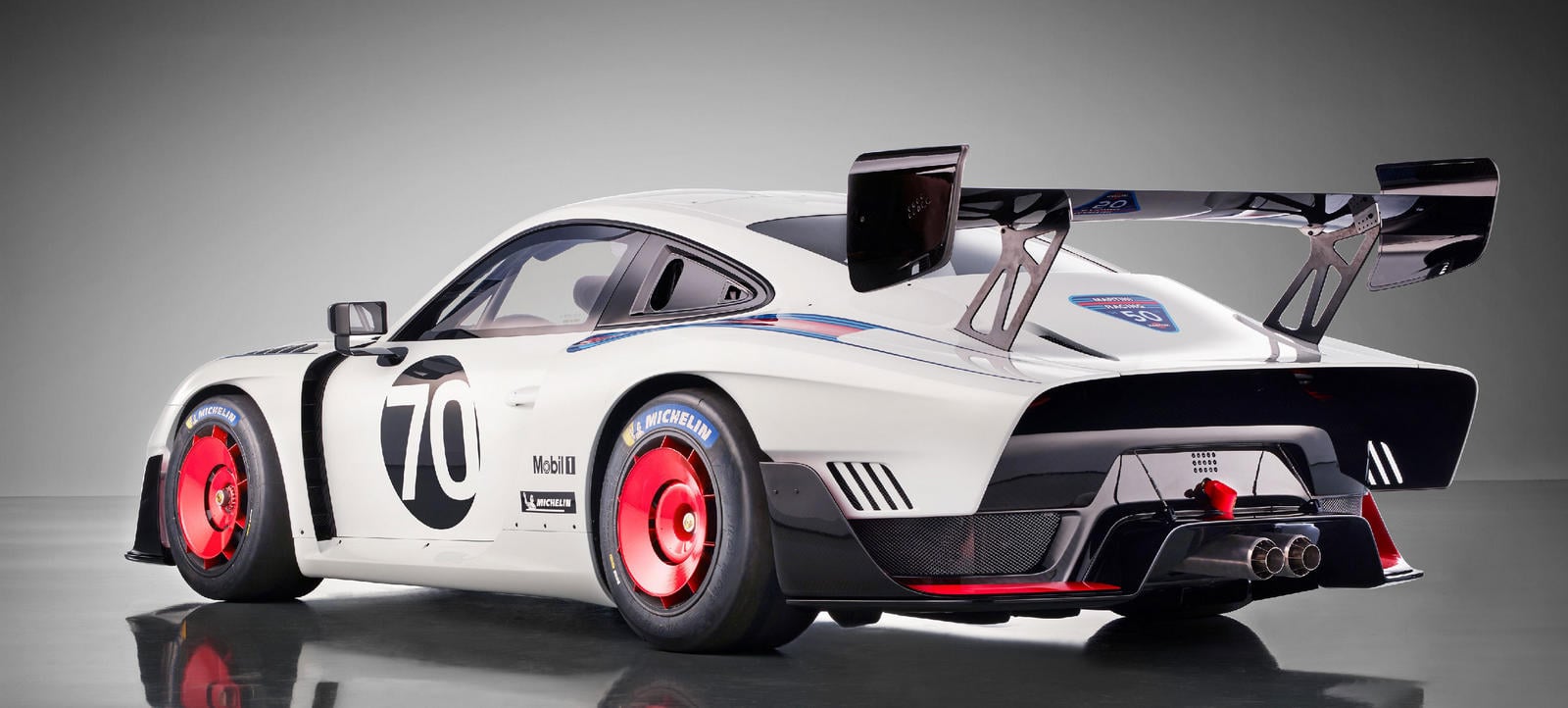
Ternus reportedly owns one of just 77 Porsche 935s built, according to Motor1, with the track-focused machine packing a 700-horsepower 3.8-liter twin-turbocharged flat-six and weighing just 3,042 pounds. Based heavily on the 991-generation 911 GT2 RS, the 935 launched in 2018 with a starting price of more than $800,000 before options and customization. Unlike the typical exotic that might sit in a collector’s garage, however, this Porsche is reportedly being used for what it was designed to do, with Ternus taking it to the racetrack rather than treating it as a static investment.

Jobs hid his Porsche, while Ternus takes his to the track
The Jobs story dates to his NeXT years rather than his time running Apple. According to an account from former NeXT engineer Randy Adams, Jobs burst into the office before Ross Perot’s visit and said, “Randy, we have to hide the Porsches.” Jobs and Adams had reportedly been parking their cars across three spaces to protect them from door dings, but Jobs did not want Perot to see expensive Porsches outside a company that was seeking investment. The cars were moved behind NeXT’s Palo Alto offices, and Perot ultimately invested $20 million in the company.
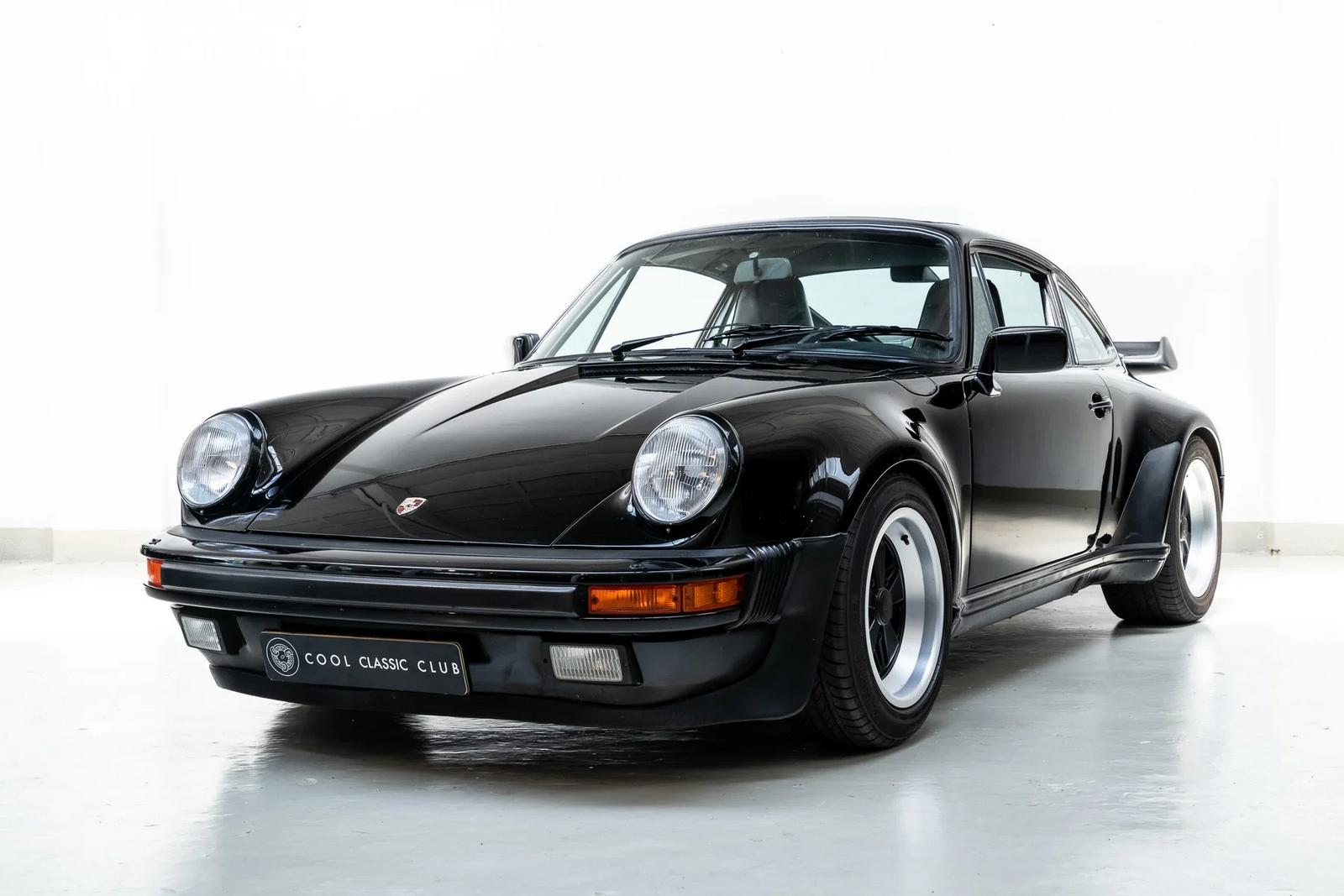
That makes the modern contrast particularly striking. Jobs was deliberately trying to make his company appear less wealthy than it was, while Ternus appears perfectly comfortable spending his free time behind the wheel of an exceptionally expensive Porsche. The comparison is not really about money, but about how dramatically the meaning of a Porsche can change depending on the person sitting behind the wheel. For Jobs, the car temporarily became something that needed to disappear from view. For Ternus, his Porsche is reportedly part of how he disconnects from the demands of running one of the world’s most valuable technology companies.
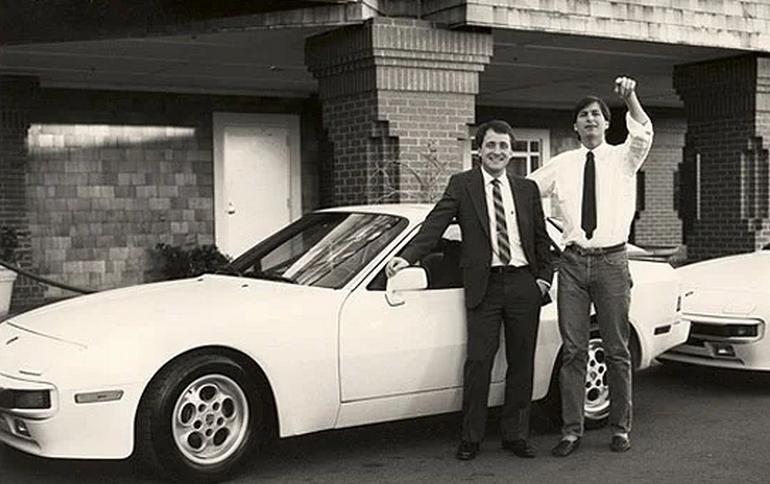
Ternus’s background makes the story even more fitting. He joined Apple in 2001, became vice president of hardware engineering in 2013, and joined the company’s executive team in 2021 before becoming CEO on September 1, 2026. He holds a mechanical engineering degree from the University of Pennsylvania and worked as a mechanical engineer before joining Apple. Away from the company, he has a serious interest in motorsport and Formula 1, with Apple services chief Eddy Cue also reportedly describing him as someone who drives a Porsche and participates in amateur racing.
The Porsche 935 is far more than an expensive weekend car
The machine Ternus drives is an extraordinary piece of Porsche history. The modern 935 is a tribute to the legendary 1978 Porsche 935/78 “Moby Dick,” and its design is packed with references to Porsche’s racing past. Its elongated body and aerodynamic wheel covers recall the original race car, while the rear lights are derived from the 919 Hybrid, the mirrors come from the 911 RSR, and the exposed titanium exhaust tips reference the 1968 Porsche 908. Even the laminated wooden gear lever pays tribute to icons including the 917, 909 Bergspyder and Carrera GT.
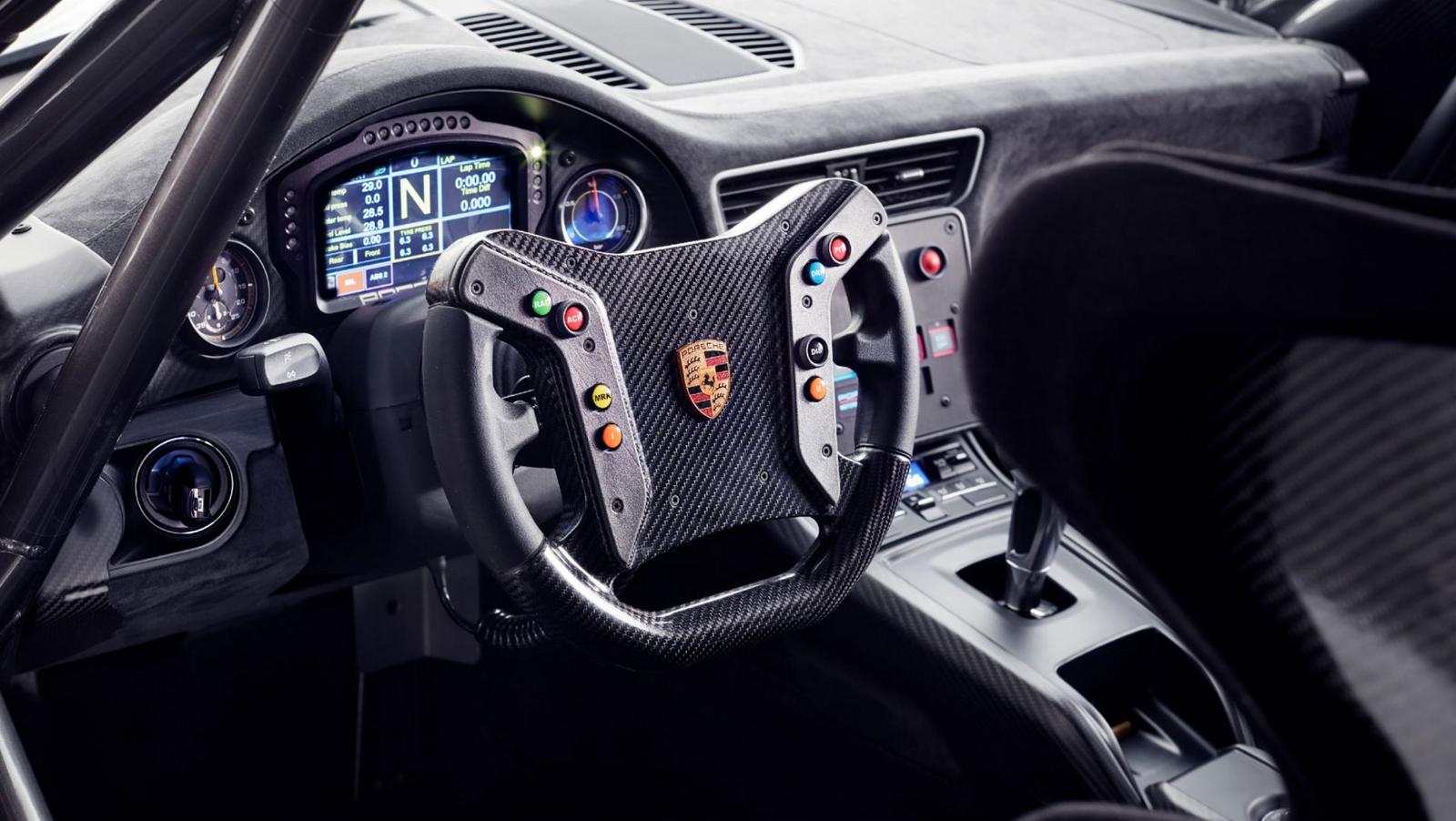
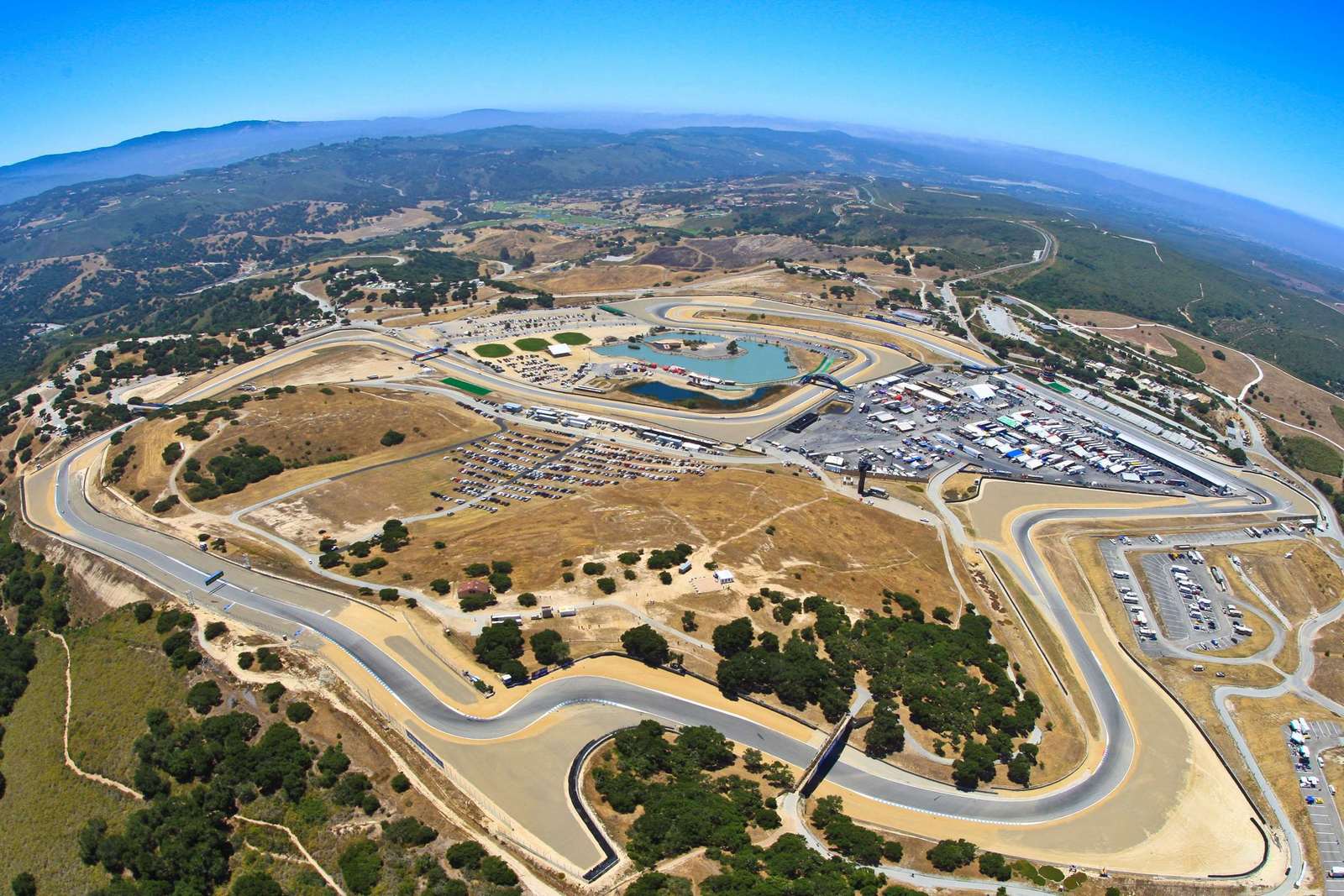
The 935’s enormous rear wing stretches 1,909 millimeters across, while the race package includes a roll cage, air jacks, a six-point harness, a fire system and a 115-liter FIA safety fuel cell. Porsche offered seven heritage-inspired liveries connected with names such as Gulf, MOMO, Sachs, Vaillant, Salzburg, Interscope and John Player Special, while the unveiling car wore Martini colors. It was developed secretly under the internal name Project Flatnose, with designer Grant Larson reportedly completing the exterior concept in just three or four days. Porsche eventually unveiled it at Rennsport Reunion VI at Laguna Seca in 2018, the very circuit where Ternus often takes his 935 to stretch its legs. In fact, he has recorded laps under 1 minute 40 seconds, according to WSJ, which is seriously impressive for an amateur.

There is an important distinction about the 935 that makes Ternus’s track use even more appropriate. This is not a race car that Porsche somehow made suitable for the road, because it is not road legal and was never homologated for a conventional racing championship. It was conceived for private track days, Clubsport events and driver training, making Laguna Seca a far more natural environment for it than a California boulevard. Porsche reportedly started accepting orders for the car at €701,948 before VAT (about $800,000), and with only 77 examples produced, demand was reportedly so strong that one Porsche insider claimed the company could have sold the entire production run many times over.