In the gilded halls of Britain’s most exclusive estates, a new conversation piece is emerging that makes even the most expensive art collections seem pedestrian. The Prodrive Racing Simulator, with its starting price that roughly converts to $75,000, represents far more than high-end entertainment. It has become the ultimate status symbol for those whose wealth demands not just luxury, but exclusivity wrapped in automotive pedigree.

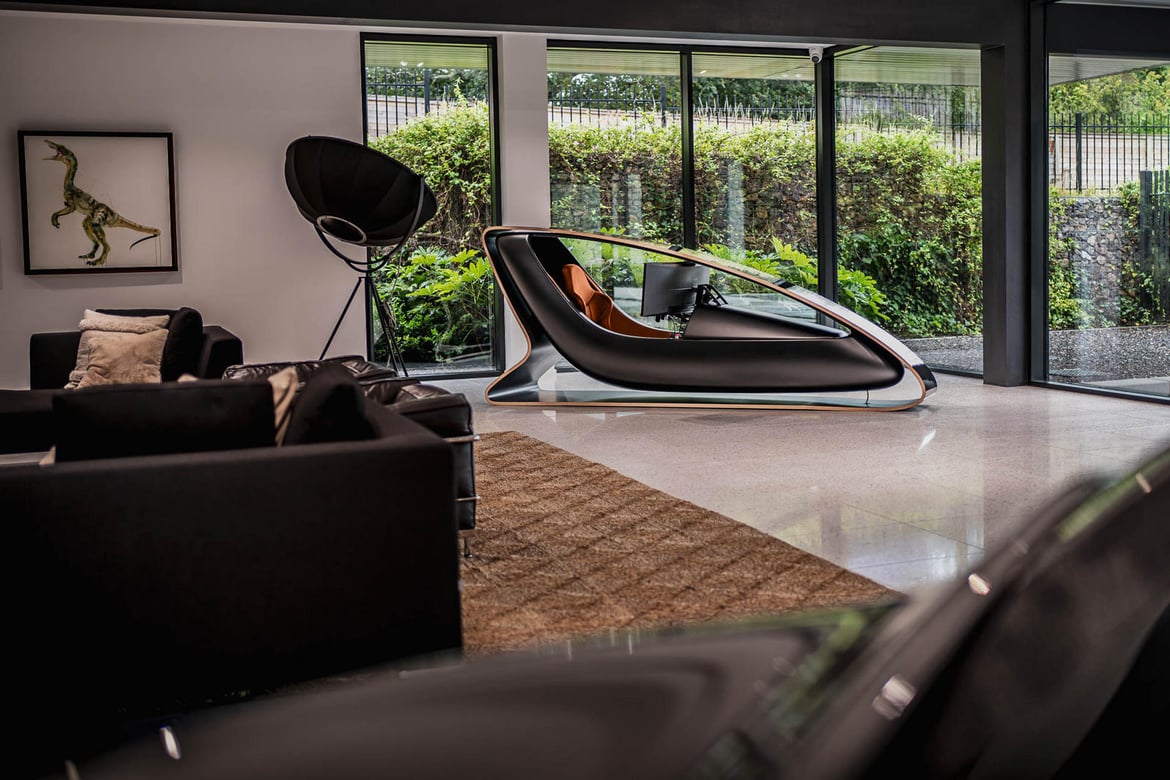
Picture this sculptural masterpiece nestled in a mahogany-paneled study or commanding attention in a glass-walled entertainment wing. The simulator’s steam-formed beech exterior, crafted by the same Pendennis artisans who build superyachts for oligarchs, curves around a carbon-fiber monocoque like a piece of contemporary furniture that happens to contain the DNA of Formula 1. This is not merely a gaming device. It is a statement that the owner possesses both sophisticated taste and intimate knowledge of motorsport heritage.

The genius of Ian Callum’s design lies in its ability to elevate what could have been crude entertainment into something approaching art. When guests arrive for weekend parties at these sprawling estates, they encounter not a plastic racing chair bolted to the floor, but a 49-inch curved screen embraced by wood grain that rivals the finest concert pianos.

The Connolly leather interior whispers of Savile Row tailoring, while Bang & Olufsen’s audio system ensures every downshift and tire squeal carries the acoustic signature these millionaires expect from their bespoke sound systems.

For the truly wealthy, the appeal extends beyond mere ownership. The simulator’s concierge commissioning service means each unit becomes as unique as its owner’s fingerprint. Vaughtons, the Birmingham craftsmen behind Aston Martin’s iconic badges, create personalized plaques that transform each simulator into a limited edition. The wealthy understand that true luxury lies not in having what money can buy, but in having what money can barely buy, customized beyond recognition.

Moreover, the simulator serves a practical purpose in these rarefied circles. While their guests debate wine vintages or art acquisitions, the host can casually mention their latest lap time at Silverstone, achieved without leaving the comfort of their estate. It becomes a conversation starter that separates the merely rich from the genuinely sophisticated, those who appreciate British engineering heritage over flashy German supercars gathering dust in climate-controlled garages.

In an era where billionaires collect experiences rather than mere objects, Prodrive’s creation represents the perfect fusion of craftsmanship, technology, and motorsport authenticity. It is not just furniture for the rich. It is a throne for those who rule their own racing empires from the comfort of home.