De Beers is playing with diamond destiny by taking it to the other end of the spectrum. After decades of sparkling in a conventional brilliant cut, the diamond is getting a new understated avatar, as a water droplet. Pure, simple yet sheer perfection, it’s the result of five painstaking years developing the cabochon diamonds by De Beers London. Because diamond cabochons have no facets to hide imperfections, this technique demands rough stones of exceptional clarity and considerable cutting skill, resulting in a deep, liquid inner glow.
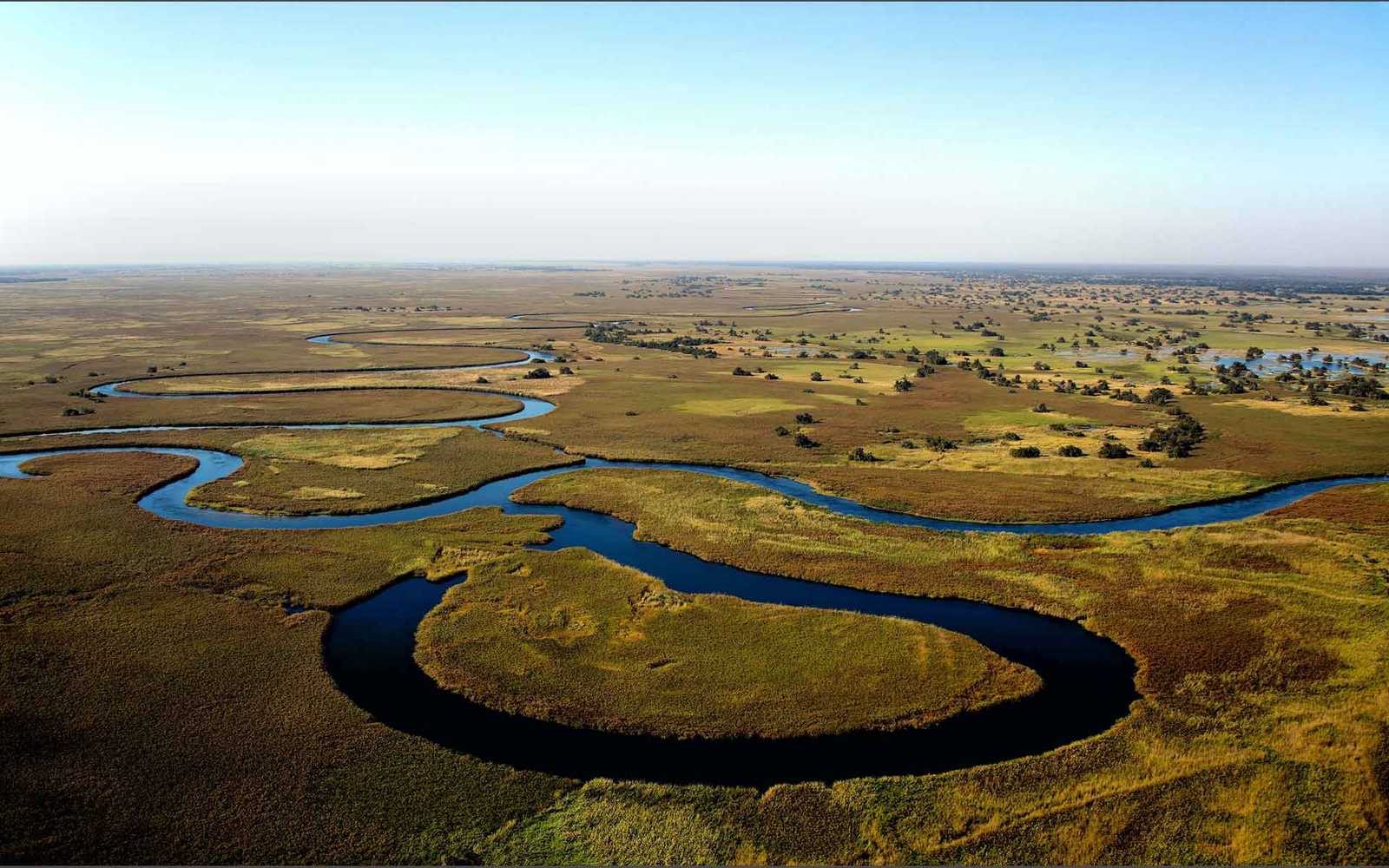
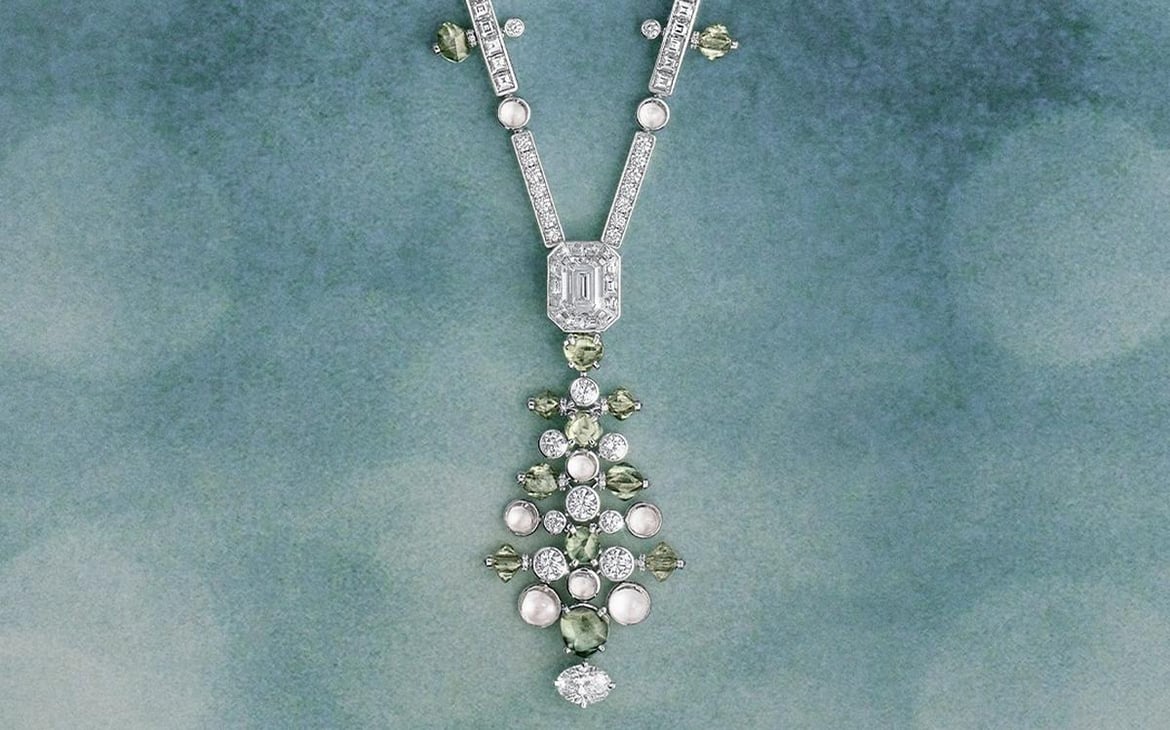
The diamonds come to life in the six-piece Undulation suite within the Vibrations high jewelry collection inspired by Botswana’s Okavango Delta, the world’s largest inland delta. They single handedly replace the pearl aesthetic, with their smooth cabochon finish. The same designs use conventional diamond cuts as well, which makes the results easy to compare in the very same piece. The water droplets indeed add a touch of whimsy that changes the way the jewellery appears.
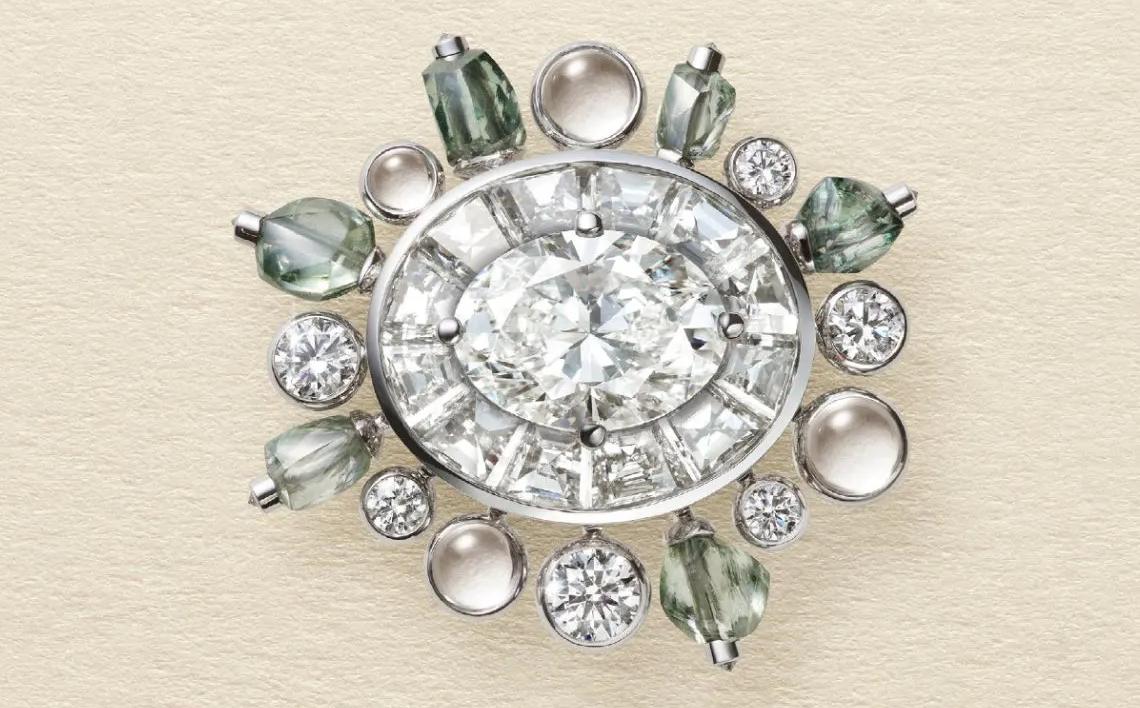
The cabochon diamond makes an appearance at the center of the Undulation cocktail ring featuring a 3.08-carat oval-cut center stone along with utterly rare and rough green diamonds. It appears like water droplets frozen in time making the design seem otherworldly and mystical.
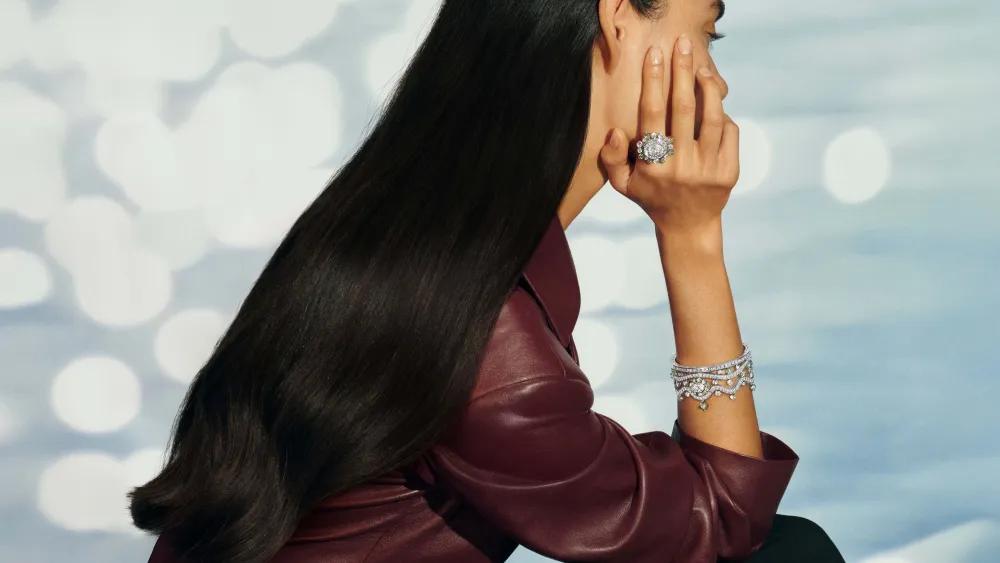
The suite also includes a necklace, a bracelet centered on a 2.08-carat G VS1 oval-cut diamond, transformable earrings, and a toi et moi ring pairing a 1.01-carat D VVS2 emerald-cut diamond with a 1.50-carat D VS2 oval-cut diamond. De Beers CEO Emmanuelle Nodale shared with Vogue, “No other brand will be able to do this, and that’s why we want to make cabochon cuts one of our signatures alongside rough diamonds. I’m extremely proud, because it really shows the whole identity and the way we want to express it in the place which is our creative home.”
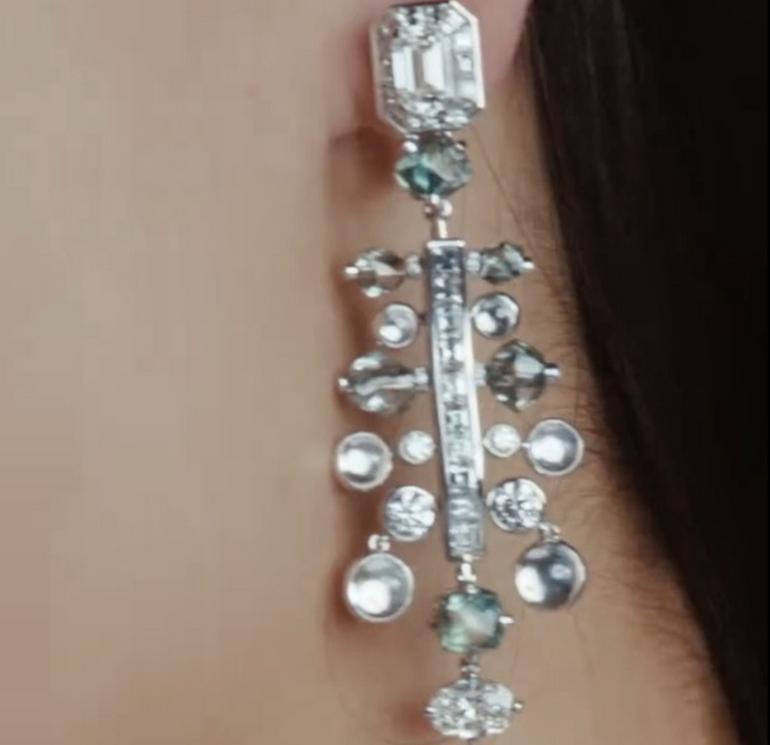
De Beers shared that the designs are inspired by the rivers and waterways of the diamond producing countries like Botswana, South Africa, Namibia, and Canada. Fewer than 0.5% of diamonds meet the criteria for color, clarity, natural shape and crystal structure to be turned into cabochons. What better way to commemorate the rivers than by turning the diamond into an eternal droplet? Unlike a transient water droplet that vanishes at touch, the cabochon diamond is not momentary but everlasting.