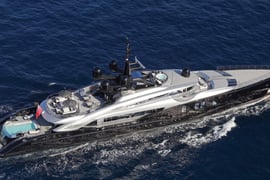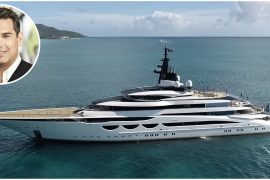
The Italian shipyard that built Saudi Crown Prince Mohammed bin Salman’s headline-grabbing superyacht is preparing to take shipbuilding to a new level. Fincantieri, the industrial giant better known for cruise liners and naval vessels, is developing a humanoid robot that could one day help assemble the next generation of floating palaces.

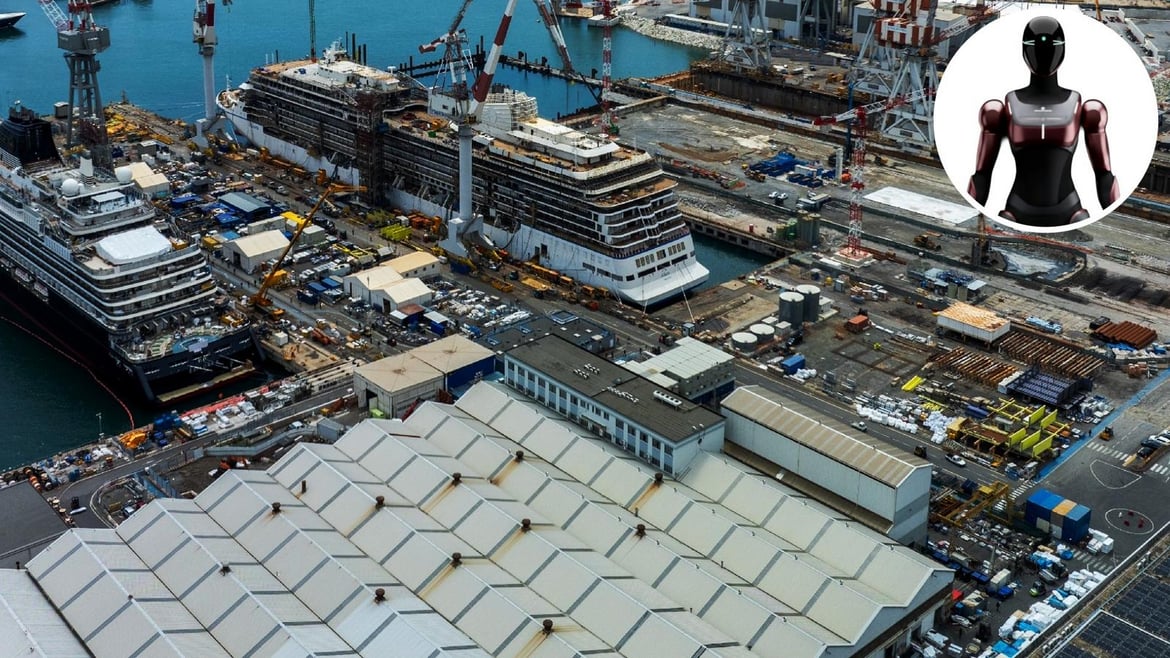
The initiative, unveiled this week in collaboration with Italian robotics firm Generative Bionics, centers on a humanoid platform designed to operate inside working shipyards rather than behind laboratory glass. The ambition is practical, which involves deploying a machine that can move like a person, see like a quality inspector and endure the punishing realities of steel construction.

However, the strategic angle is larger. If robotics can raise standards in naval and commercial builds, the halo will inevitably extend to high-end superyachts. Fincantieri’s Sestri Ponente shipyard will serve as the industrial test-bed, turning a working yard into a proving ground for humanoid automation.
In its first phase, the Generative Bionics humanoid named Gene.01 will support specific welding activities in naval construction, targeting long, repetitive seams on hull blocks, stiffeners, double bottoms and bulkheads. These are not cosmetic details but structural arteries running through a vessel’s skeleton. The robot will monitor weld seams in real time using cameras and artificial intelligence, tracking bead position, travel speed and arc stability while flagging defects such as undercut or porosity. Initially, it is expected to assist rather than replace skilled welders, holding torches or fixtures, recording process data and performing repetitive runs under supervision.

Locomotion is central to the bet. Traditional robotic arms perform well in fixed cells on predictable seams, but they require custom fixtures and fenced-off zones. They struggle in narrow hull sections, on sloped decks or up stairways. A humanoid platform is intended to follow workers into tight spaces inside partially assembled blocks, navigating inclined surfaces and steel ladders where wheeled systems falter. The design philosophy, described as “Physical AI,” distributes intelligence through joints and limbs, using full-body sensing to maintain balance while working in close proximity to heavy structures.

The robot is conceived as a cobot, built to share space with human crews and comply with shipyard safety rules without being locked behind cages. That approach addresses a persistent challenge in heavy industry. Shipyard welding exposes workers to fumes, heat, vibration, noise, and prolonged awkward postures, often at height over water. Reducing the time a person spends in the most punishing positions is as much about workforce sustainability as it is about efficiency.

Pierroberto Folgiero, Fincantieri’s chief executive, framed the move in strategic terms, saying that “advanced robotics and artificial intelligence applied to industrial processes represent a strategic lever for the evolution of shipbuilding.” For superyachts stretching beyond 130 meters, the impact could be tangible. More consistent long seams mean less distortion in large shell plates, smoother fairing, and fewer costly corrections downstream. Comprehensive digital traceability of each weld could become part of the sales narrative for owners demanding exacting classification standards.

The yard that once delivered the Saudi Crown Prince’s trophy asset Serene and a new class of ultra-luxury megayachts for Four Seasons is now experimenting with a different kind of prestige. If the humanoid succeeds, the next statement yacht may owe some of its refinement to a robot that learned to weld in the shadows of Genoa’s steel hulls.