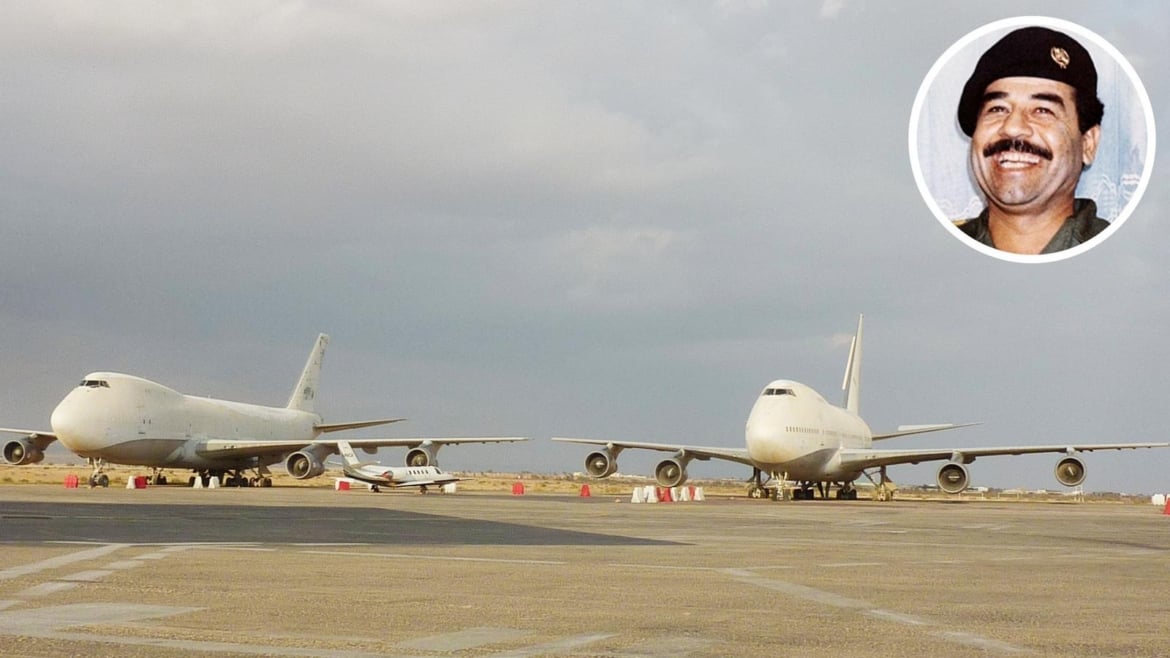
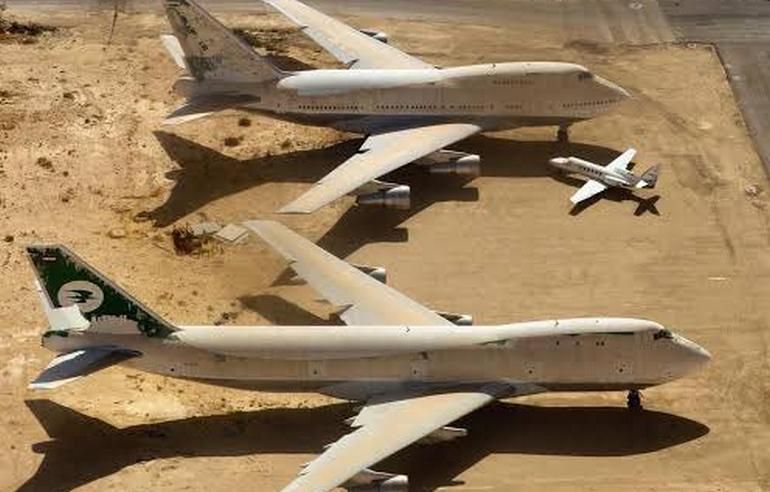
Two Boeing 747 jumbo jets that have been parked at an airport in Tunisia for nearly 36 years are looking for new owners, and one of them comes with a rather unusual history. Among the aircraft is a rare Boeing 747SP that was purpose-built as a VIP transport for Saddam Hussein’s government, complete with a private stateroom, a conference room, and a lounge fitted with sleeper seats. Its companion is a larger Boeing 747-200 that once operated as a passenger and cargo aircraft for Iraqi Airways, with enough room for 330 passengers in its original configuration.
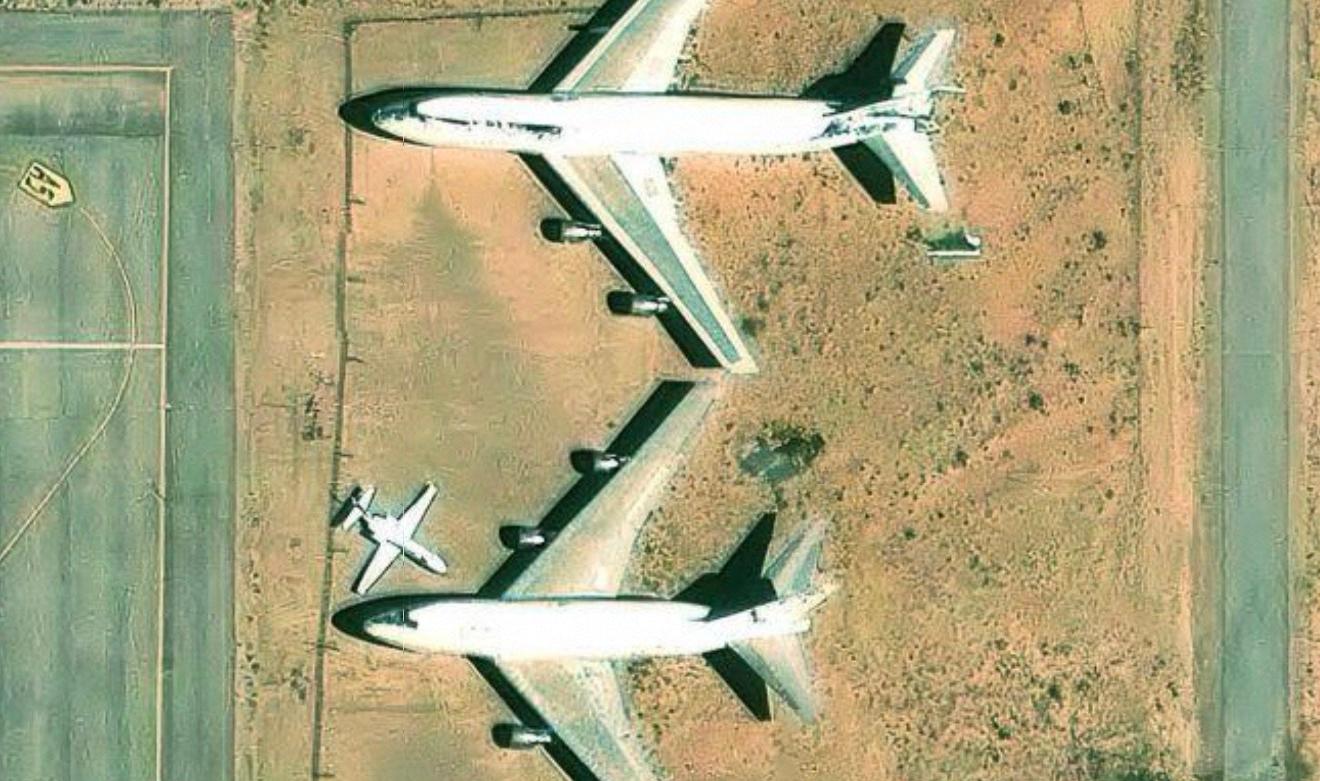
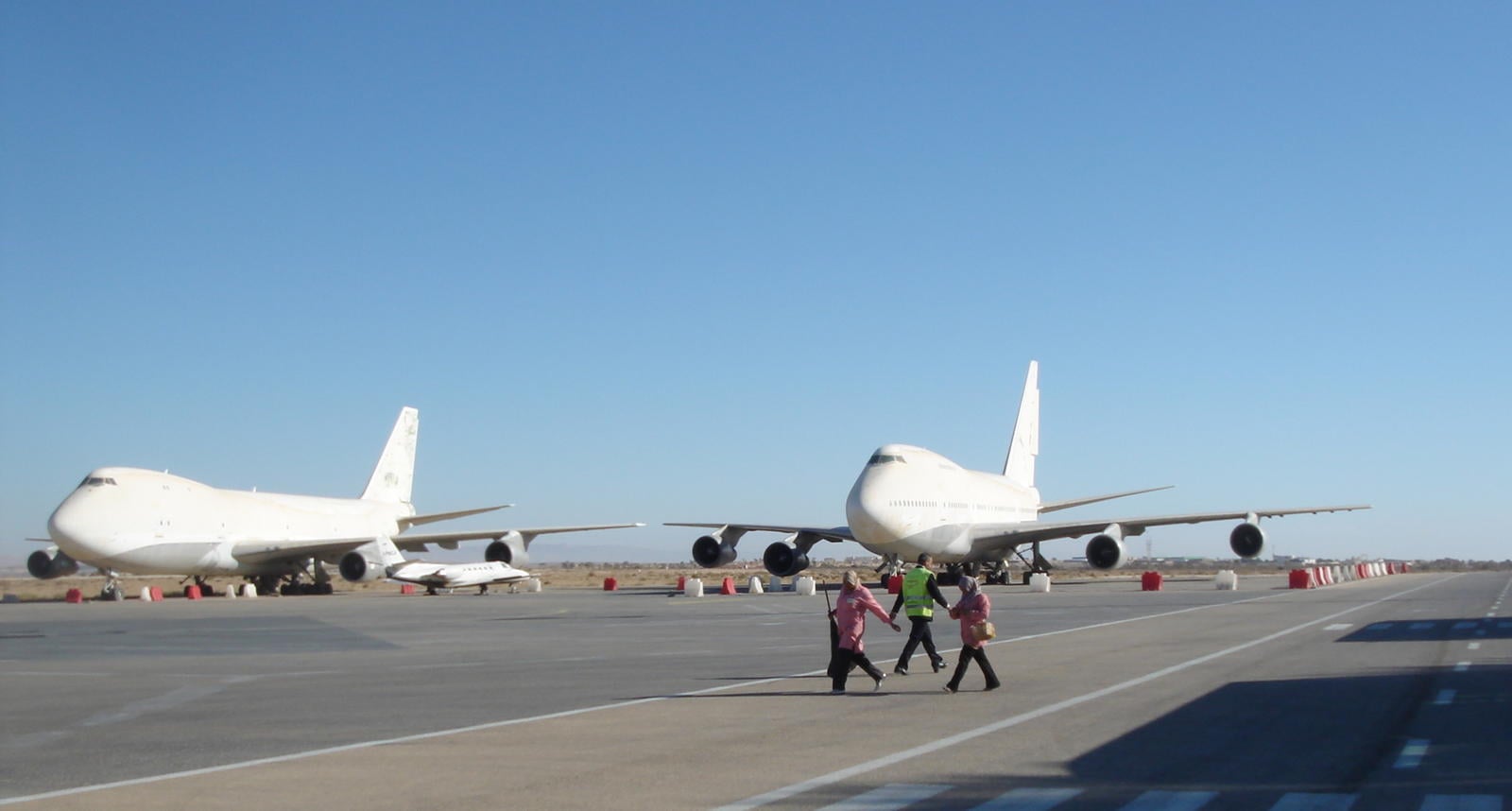
Both aircraft have spent almost their entire lives since 1991 sitting at Tozeur–Nefta International Airport in southwestern Tunisia, where they were sent ahead of the Gulf War for safekeeping. Now, Iraqi Airways is attempting to sell them together or separately, with an estimated asking price that is surprisingly close to what someone might pay for a brand-new Bugatti.
The listing was recently published by the state-owned airline, offering the two aircraft through a direct-sale process at an estimated value of $900,000 each, or $1.8 million for both. Interested buyers can submit offers for either aircraft individually or purchase the pair, although the airline has made it clear that they are being sold in their existing condition without any technical guarantees. The sale is open to individuals and companies, with a 20% security deposit required from serious prospective buyers and the remaining payment due within five days of acceptance. The announcement also requires buyers to cover transportation, customs clearance, ownership-transfer expenses, applicable taxes, and subsequent airport parking charges.
One was built as a flying palace, while the other carried 330 passengers
The more interesting aircraft is the Boeing 747SP-70, registered as YI-ALM, which was manufactured in 1982 and delivered to Iraq in August that year. It was named Al-Qadissiya and was the 44th example of the 747SP produced, a particularly rare version of the jumbo jet with only 45 examples ever built. Unlike an ordinary passenger aircraft that might later be converted for VIP use, this particular 747SP was configured as a government transport from the beginning. Its interior included a dedicated stateroom where its principal passenger could sleep, a conference room for official meetings, and a separate lounge equipped with sleeper seats. In other words, it was designed to function as a flying residence and meeting space, allowing its occupants to travel long distances without giving up the comforts of a private executive environment.
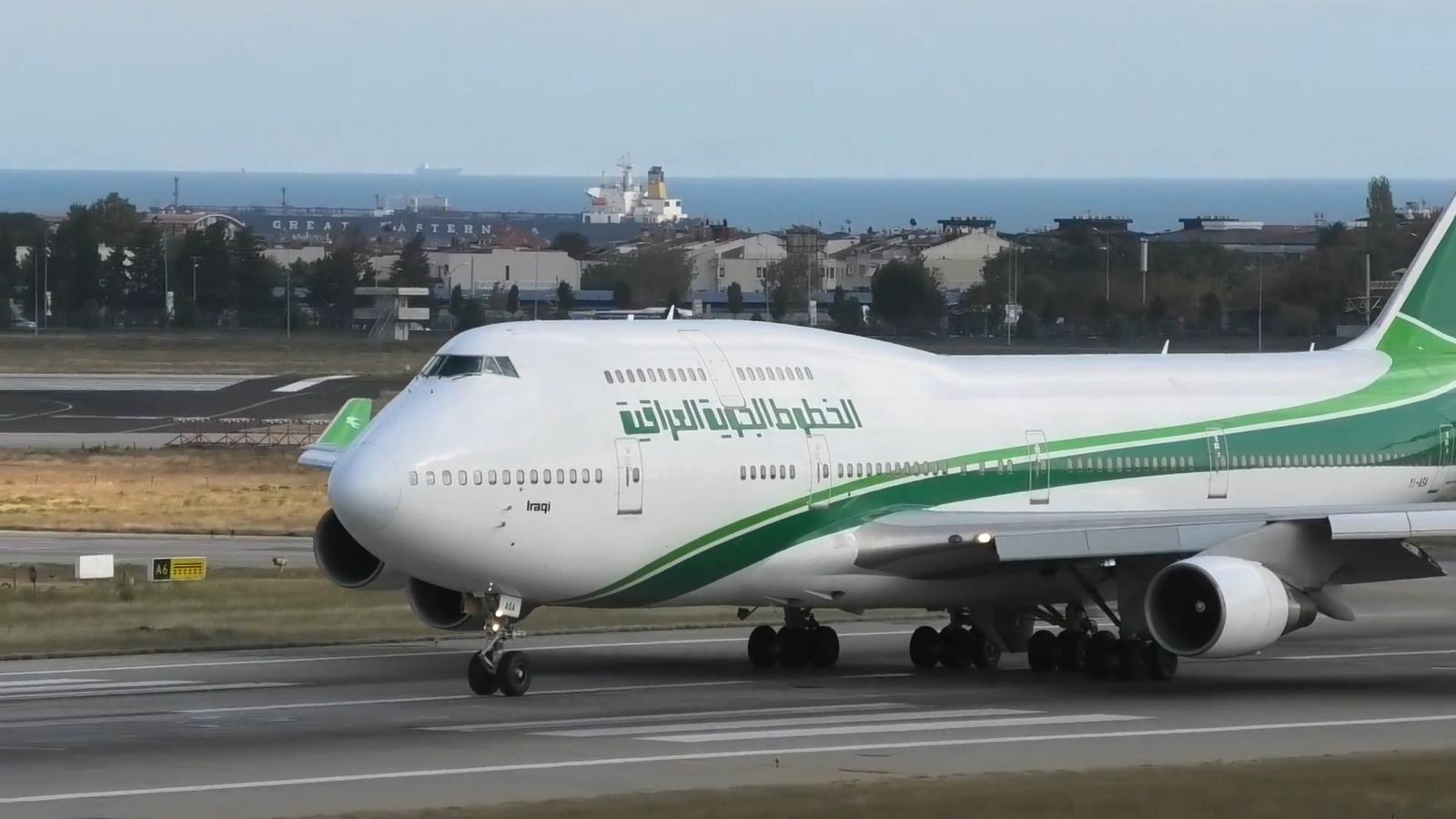
Its companion, registered as YI-AGP, is a Boeing 747-200 manufactured in the same year and delivered to Iraqi Airways in July 1982. This aircraft had a very different purpose, serving as a convertible passenger and cargo aircraft rather than a dedicated government transport. Its original passenger configuration featured 45 first-class seats and 285 economy seats, giving it room for 330 passengers.
While the 747SP is the more intriguing proposition for anyone interested in luxury aviation, the larger aircraft offers a glimpse into the airline’s commercial operations during the early 1980s. Both aircraft belong to state-owned Iraqi Airways, and only the 747SP is specifically documented as having served as a VIP transport for Saddam Hussein’s government. Calling both of them his personal private jets would therefore be inaccurate.
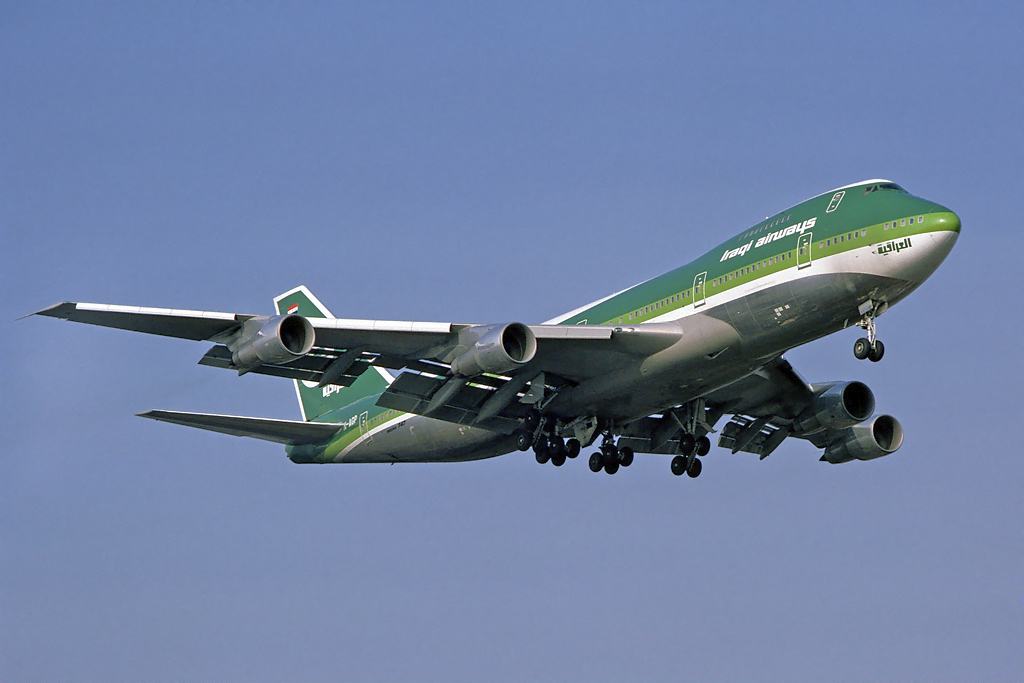
Their original green paint is emerging beneath decades-old white coating
The two jumbo jets have an equally unusual story when it comes to their exterior appearance. After arriving in Tunisia on January 1, 1991, they were painted white to conceal their identities, covering the distinctive green markings associated with their Iraqi origins. Over the years, however, the white paint deteriorated, allowing traces of the original green livery to reappear underneath. The sight of the old colors gradually emerging through the ageing coating offers a reminder of what these aircraft once looked like when they were still flying. They were initially sent to Tunisia for protective storage rather than permanent retirement, and Iraqi Airways reportedly dispatched mechanics to maintain the VIP-configured 747SP every six months during the earlier years of its stay. However, international sanctions, Kuwait-related disputes, accumulated airport charges, and difficulties surrounding their removal kept them grounded for decades.

The asking price is perhaps the most surprising part of the entire story, particularly when compared with the cost of a modern hypercar. At $900,000 each, either Boeing 747 is being offered for far less than a new Bugatti Tourbillon, whose starting price is around $4 million. Even buying both jumbo jets together would cost less than half the Bugatti’s starting price. There is, however, an important catch because neither aircraft is being advertised as airworthy, and Iraqi Airways provides no guarantee that either can return to the skies. After more than three decades parked in Tunisia, their future owners could face substantial restoration, transportation, or dismantling expenses. Nevertheless, acquiring a rare Boeing 747SP that once served as an Iraqi government VIP transport for less than the price of a modern supercar is an unusual opportunity, even if its next journey never takes place in the air.