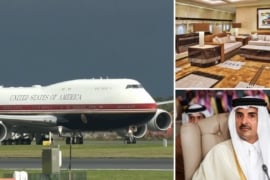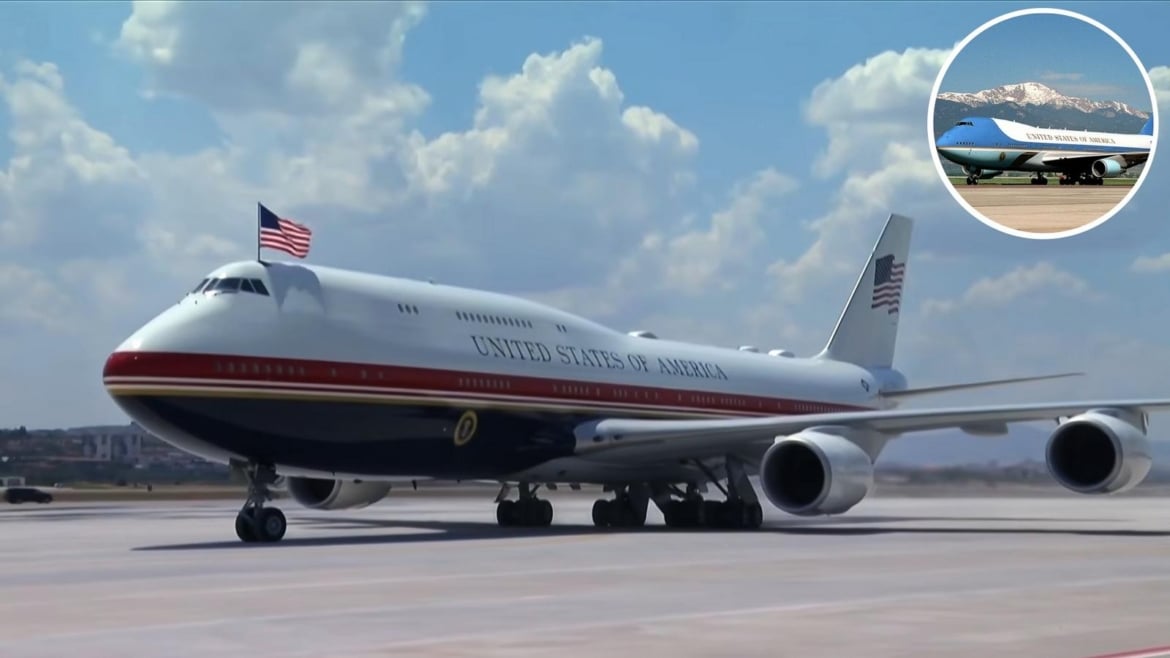
Unlike the two aging VC-25A jets that have carried American presidents for decades, a great deal of work may have to happen on the ground before the new Air Force One even takes off. The Qatar-donated Boeing 747-8, now operating as the VC-25B Bridge aircraft, is officially one size class larger than what most of the world’s major airports were built to handle. Wherever it goes, airport planners may have to study pavement strength, wingtip clearances, taxiway geometry, parking arrangements and towing plans before the world’s most recognizable aircraft can appear at the local airport fence.
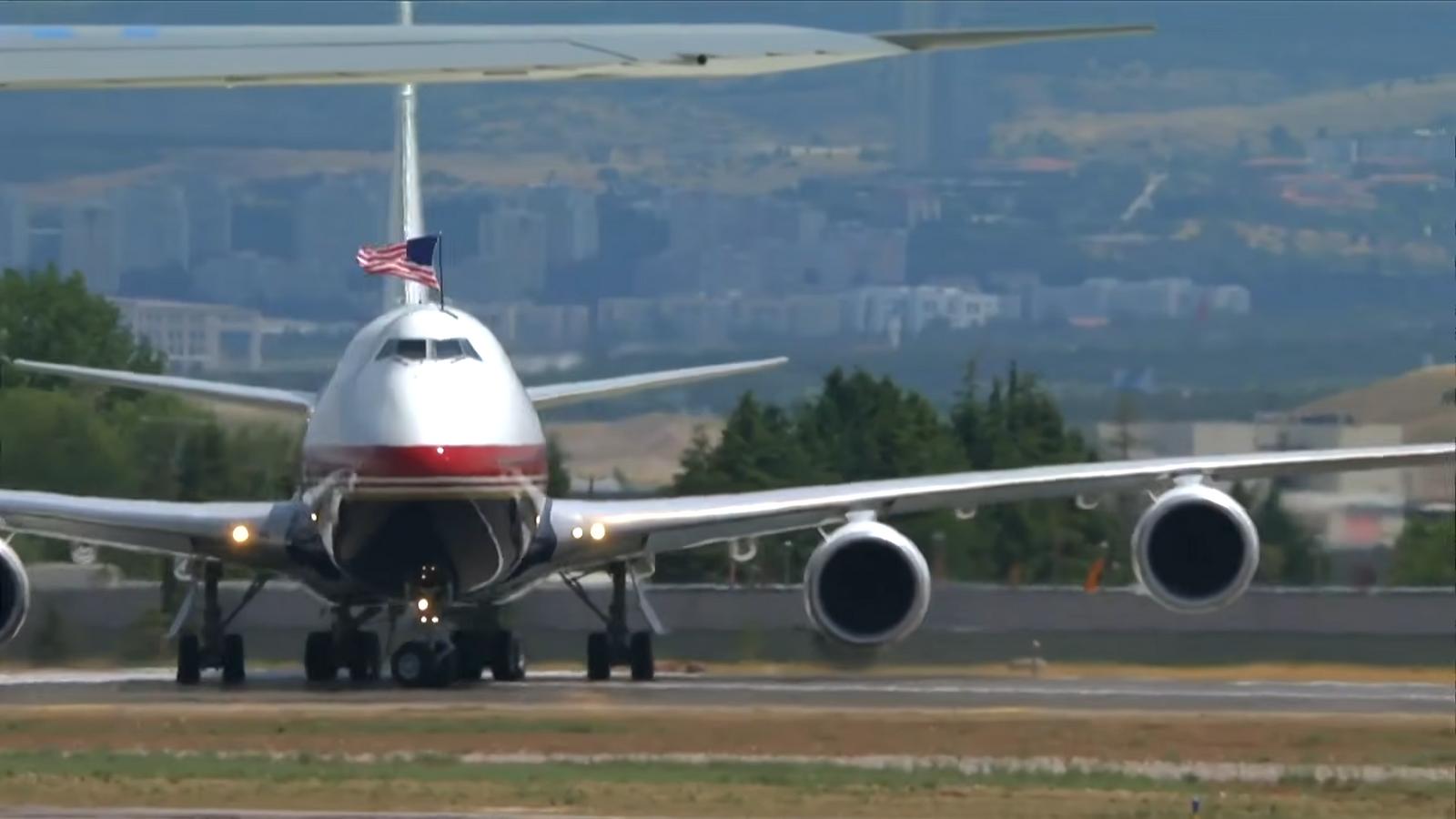
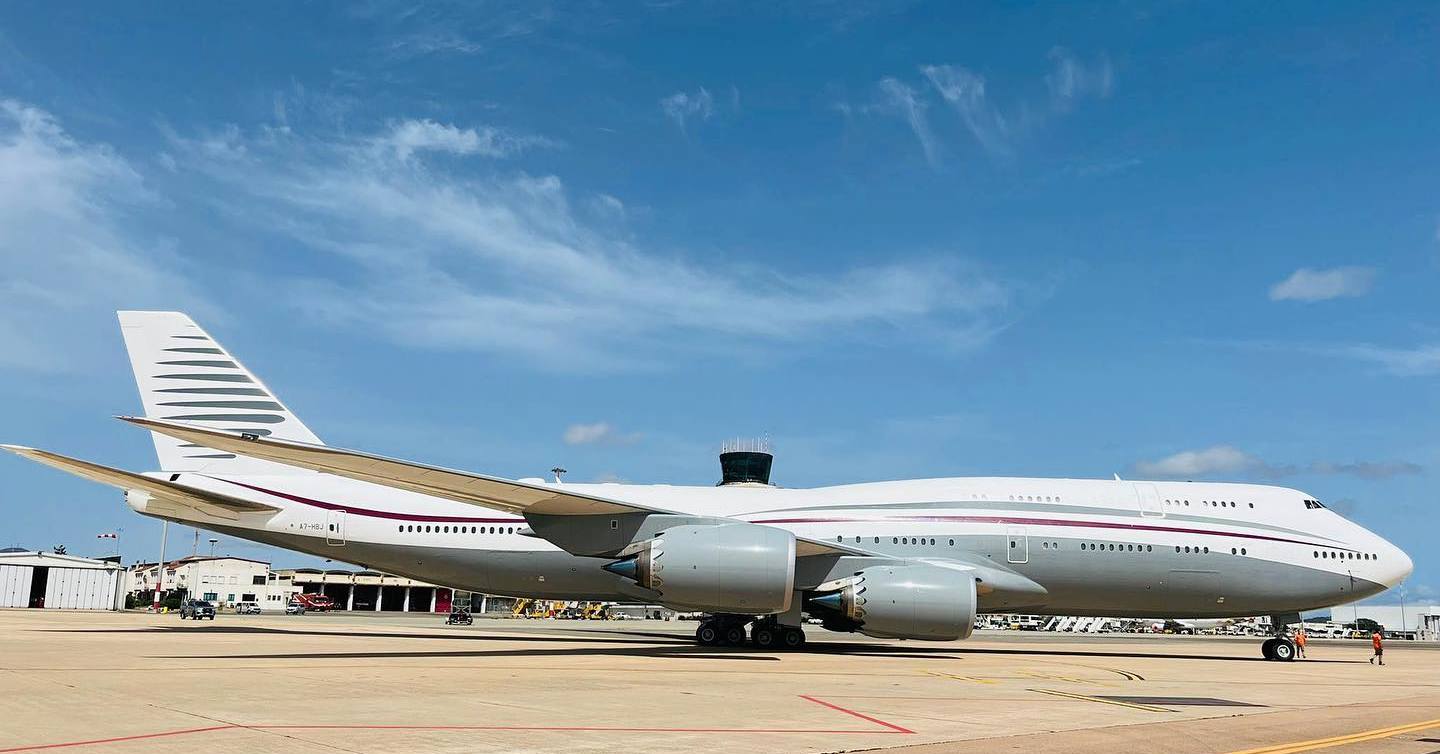
The reason lies largely in its enormous wings. Although the 747-8 retains the same tail height, engine span and main landing gear width as the older 747-400, its 224-foot, 7-inch wingspan pushes it into ICAO airport design category F. According to Boeing, most of the world’s major airports were built to the smaller Code E standard, which is why the company has spent years working with airports and civil aviation authorities to establish special procedures for the giant jet. In other words, this is an aircraft so large that the aviation industry has an entire compatibility group dedicated to figuring out how it can safely use airports that were never designed for something of its size.
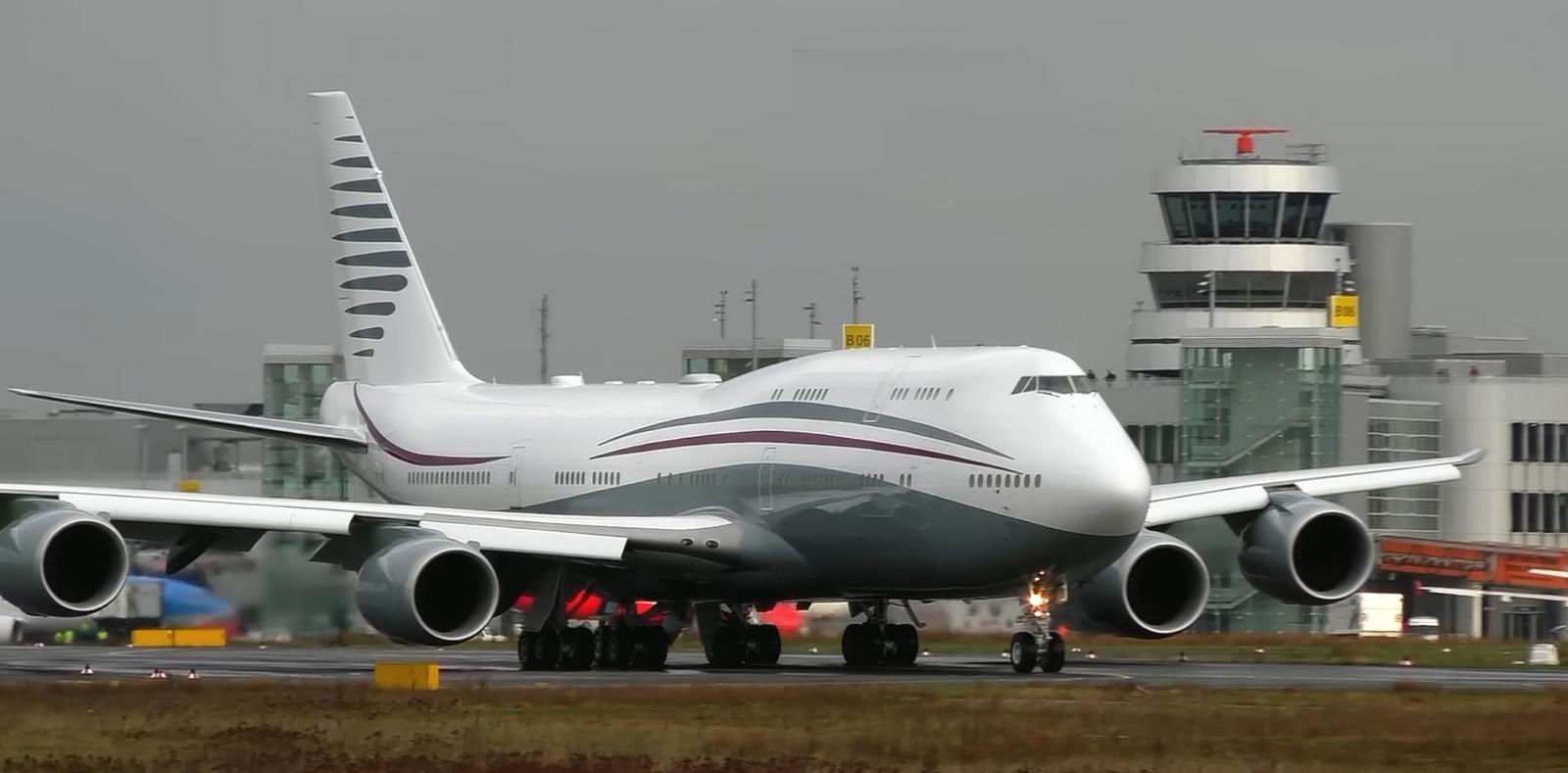
The world’s most pampered aircraft needs the ground prepared for its arrival
The Qatar-donated 747-8 is effectively a $400 million flying palace so large, so heavy and so exclusive that the world sometimes has to rearrange itself around it, much like a hotel rebuilding its grandest suite for a royal guest. The aircraft once served the Qatari royal family and arrived with an interior far removed from anything found aboard a conventional airliner, complete with luxurious lounges, private rooms, meeting spaces and lavish finishes worthy of a head of state.
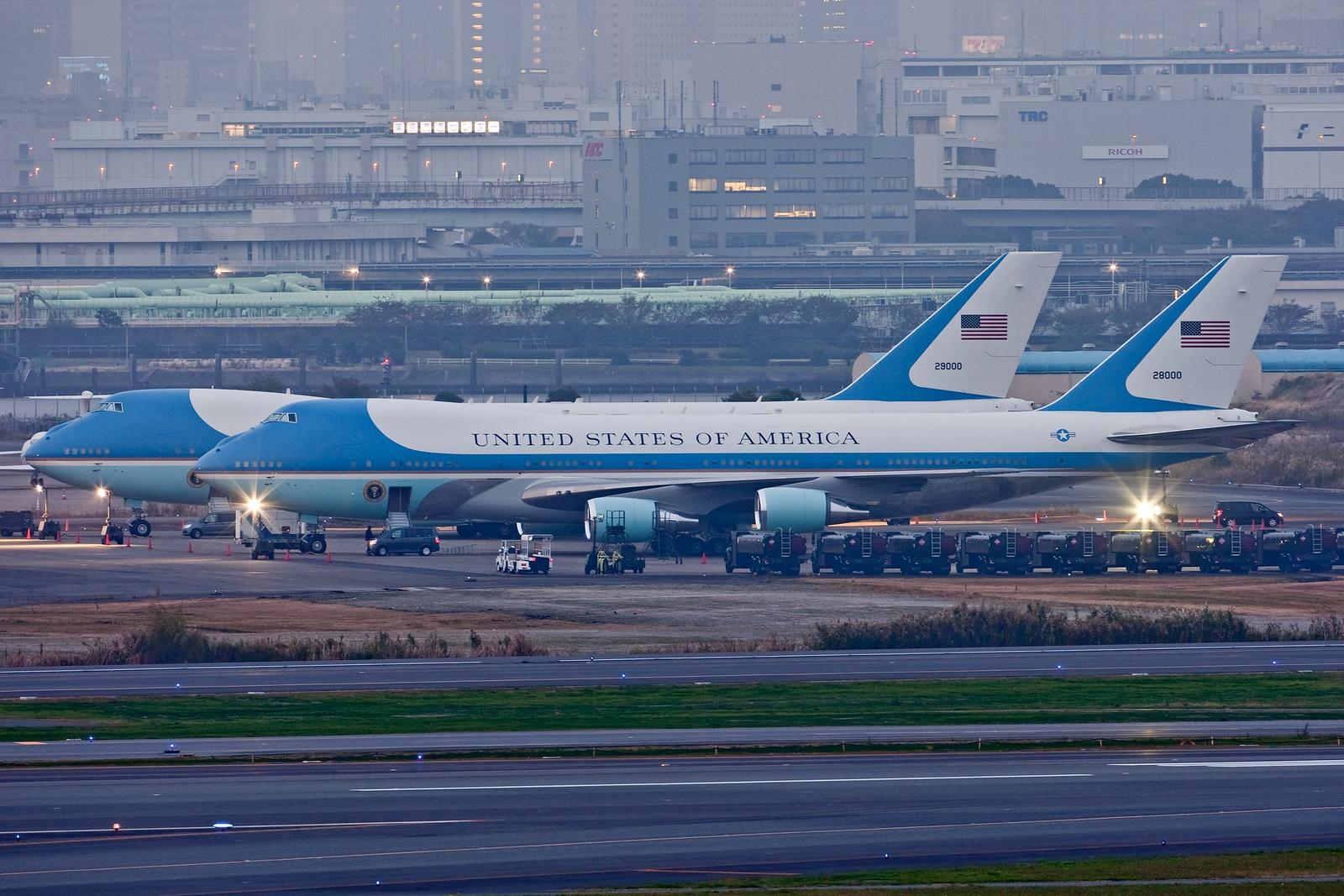
Its transformation into the VC-25B Bridge has turned that extraordinary private jet into an interim presidential aircraft, requiring extensive work to add the secure communications, defensive systems and other specialized equipment necessary for the Air Force One mission. Yet the challenges do not end with what goes inside the aircraft. At a maximum takeoff weight of roughly 987,000 pounds, the 747-8 is considerably heavier than the existing VC-25A, which has a maximum takeoff weight of around 833,000 pounds. Pavement strength, therefore, may have to be assessed airport by airport.
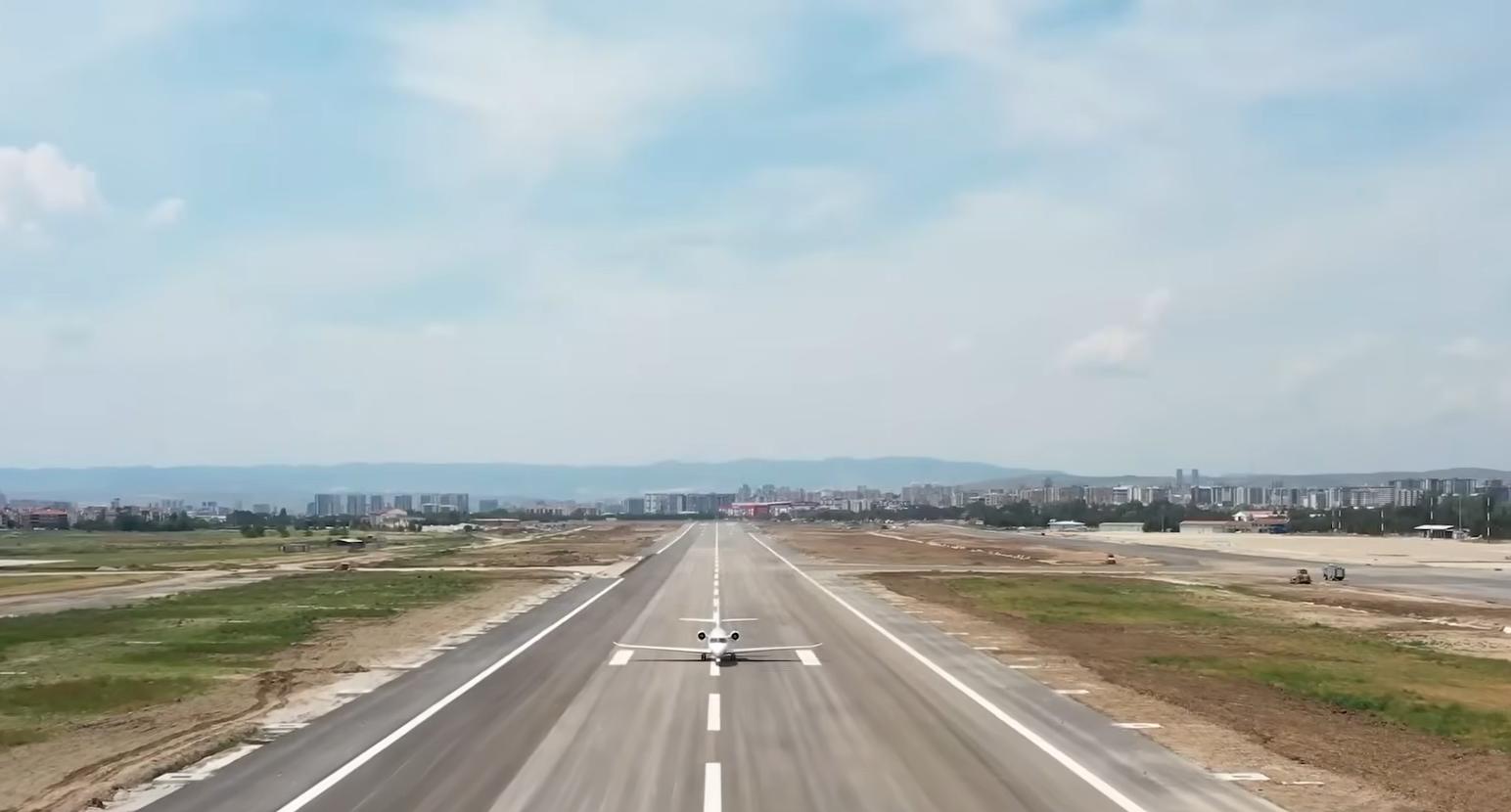
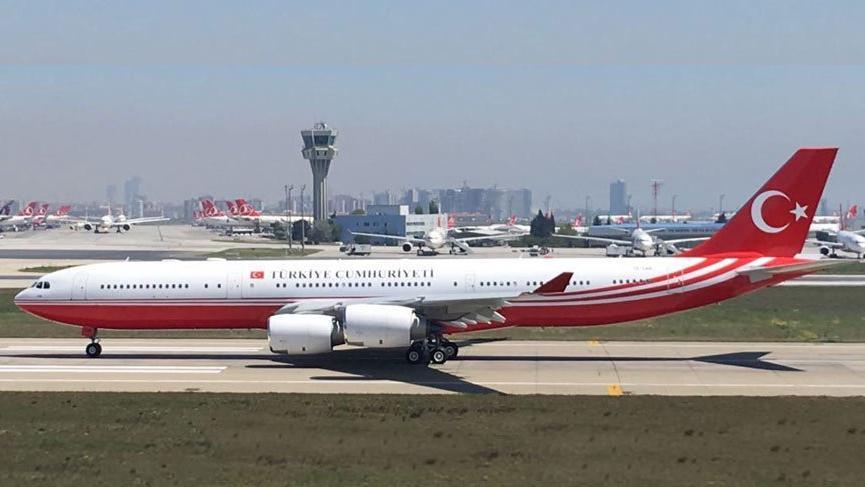
Turkey recently offered a dramatic example of just how much preparation a giant 747-8 can demand. Ahead of a NATO summit, Etimesgut Airport underwent an eight-month modernization project costing roughly $120 million, during which its runway was extended from 2,450 meters to 3,000 meters and widened from 42 meters to 60 meters. The wider runway brought it up to the Code F standard required to accommodate aircraft such as the Qatar-donated 747-8 without relying on exceptional operating procedures, although the broader project also included upgraded taxiways, a vast new apron, navigation and lighting systems, and expanded protocol facilities.

The dimensions are equally demanding. Code F calls for taxiway-to-object separation of 188.6 feet, compared with 155.8 feet under Code E, while runway-to-taxiway separation increases from 598.7 feet to 623 feet. Yet many major airports do not fully meet Code F standards, meaning the 747-8 often relies on special approvals and operating procedures rather than forcing airports to rebuild themselves from scratch.
In the United States, the FAA classifies the 747-8 as an Airplane Design Group VI aircraft but has specifically created provisions allowing it to use infrastructure that falls short of full Code F dimensions. Engineering Brief 73 permits operations on certain non-standard 75-foot-wide straight taxiways, while Engineering Brief 74A addresses operations on 150-foot-wide runways. Individual airports can also receive formal Modifications of Standards.
There is even a standing organization devoted to this problem. The Boeing 747-8 Airport Compatibility Group, chartered by Airports Council International, brings together aviation authorities, airports and industry representatives to establish minimum separations and operational procedures for airports that cannot fully satisfy Code F standards.
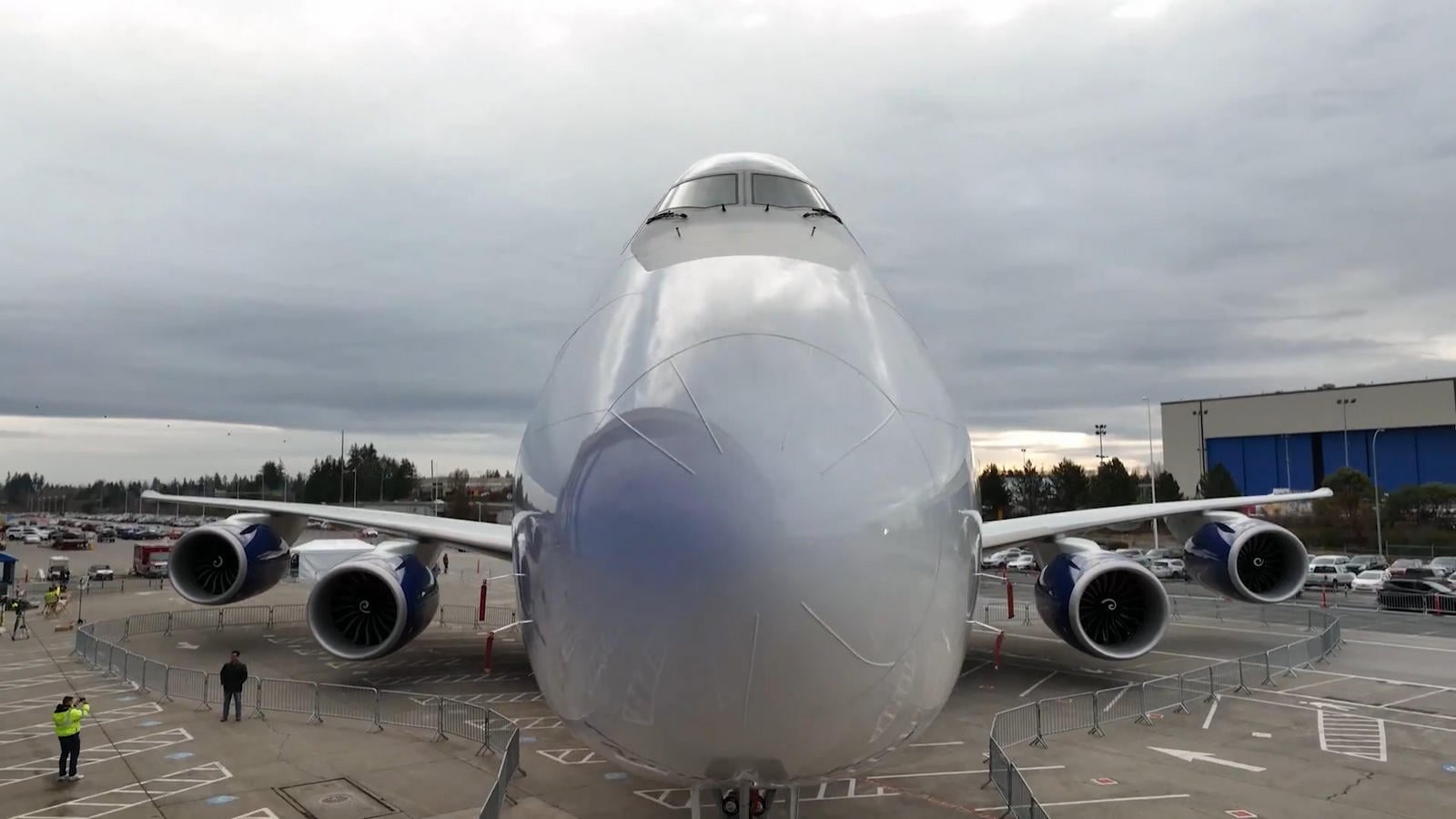
Parking the new Air Force One may be harder than landing it
The runway is only part of the challenge. Boeing’s own airport compatibility guidance warns that final approval depends on regulatory requirements, pavement loading and parking issues all being resolved. At an airport without a dedicated Code F stand, accommodating a 747-8 can mean closing neighboring gates, using a remote cargo apron, removing equipment from wingtip-clearance areas or reserving space normally occupied by several smaller aircraft.
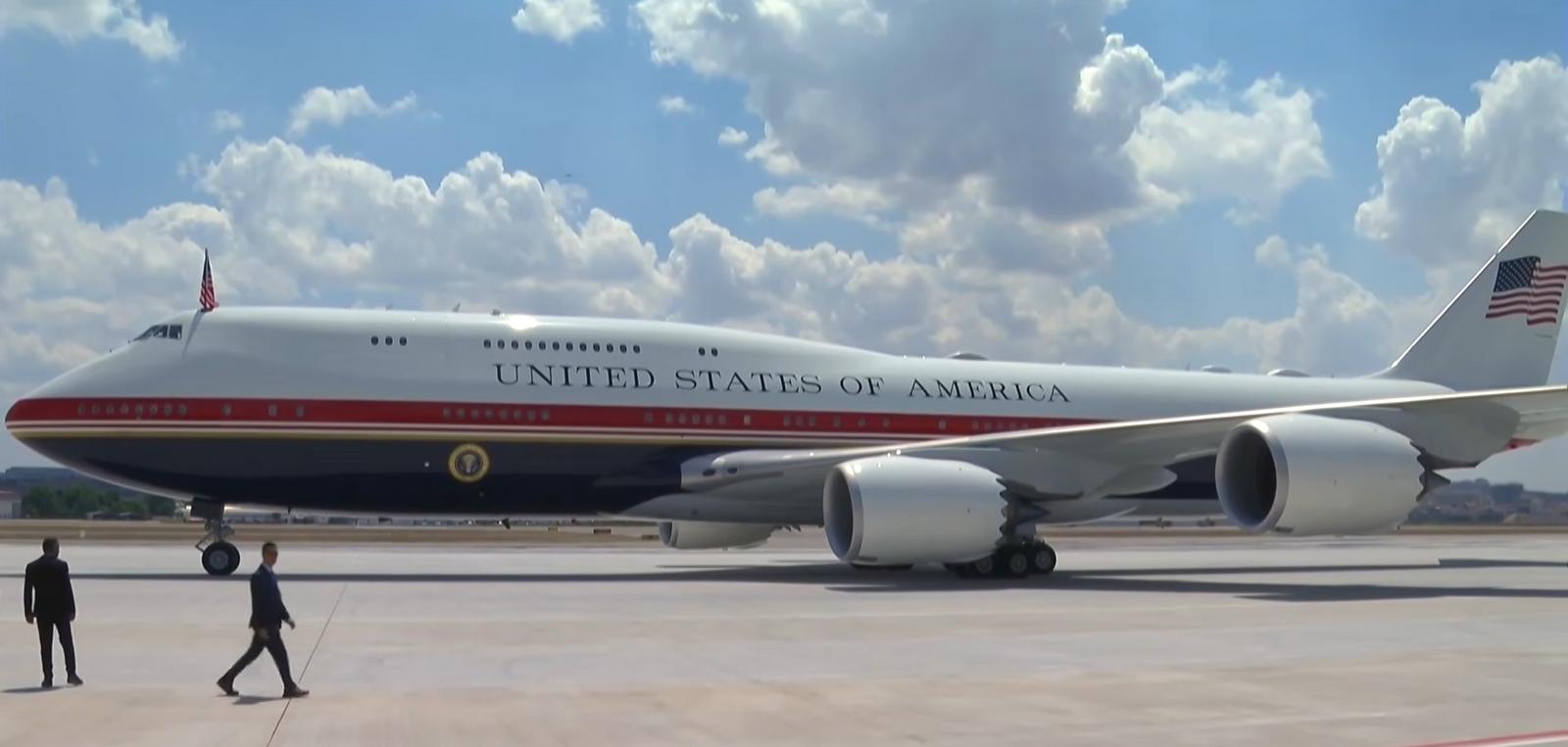
Air Force One makes that equation considerably more complicated. The aircraft does not travel alone. Its arrival brings the presidential limousine known as the Beast, Secret Service vehicles, staff and press buses, local law enforcement, communications equipment, maintenance and fueling vehicles and a large sterile security perimeter. The new 747-8 does not merely occupy a parking stand. Once the presidential motorcade and security bubble are in place, it can consume an entire section of an airport.
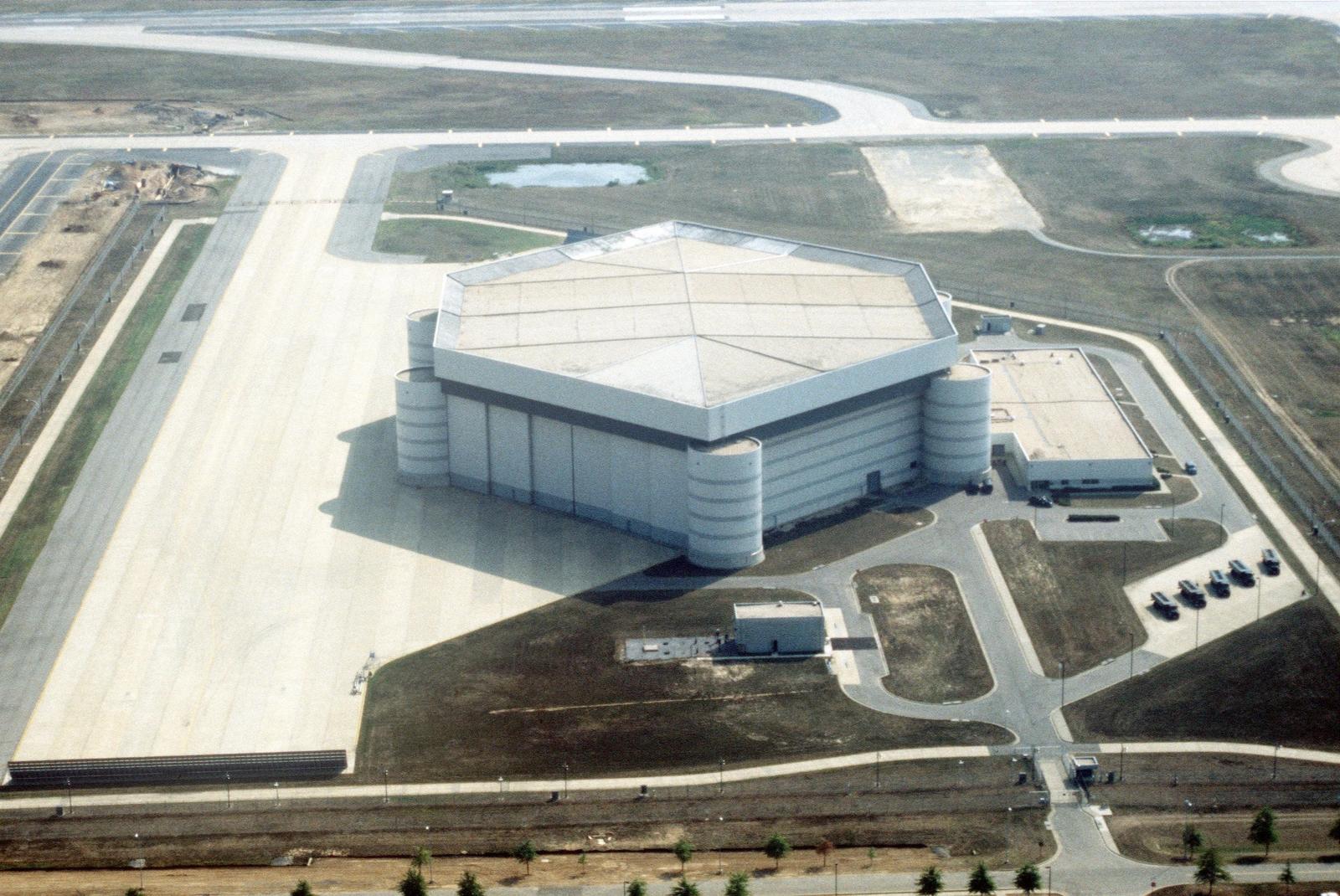
Joint Base Andrews does not appear on Boeing’s public commercial 747-8 compatibility list, which helps explain why a $320 million Presidential Aircraft Recapitalization Complex was necessary to support the next generation of presidential aircraft. Bismarck Municipal Airport, the first domestic destination visited by the Bridge aircraft on July 1, is also absent from that list.
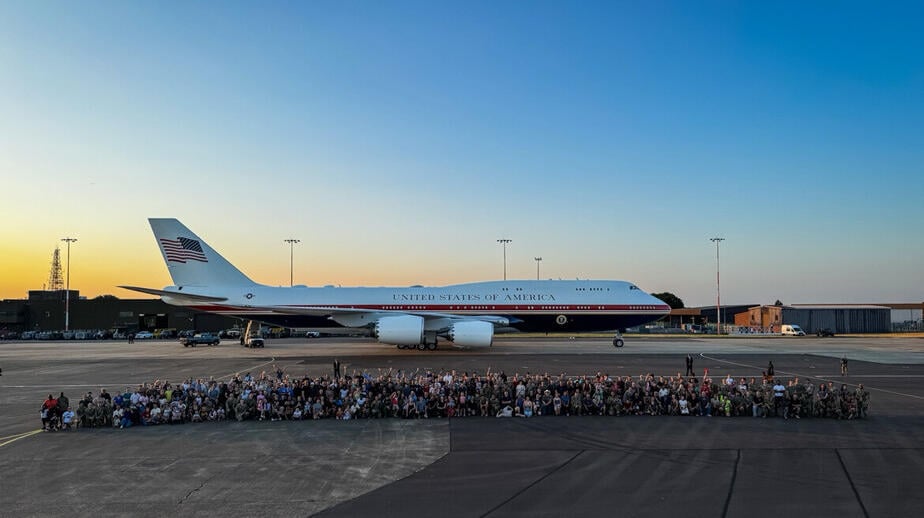
That gap reveals how different the new era of presidential aviation could be. The old VC-25As spent decades visiting mid-sized airports across America. For similar off-list destinations, the much larger and heavier 747-8 can require a one-off assessment of pavement ratings, wingtip clearances, parking geometry and towing plans. Long before the president climbs aboard and Air Force One leaves the runway, an extraordinary amount of work may already have gone into making sure there is somewhere at the other end capable of receiving it.