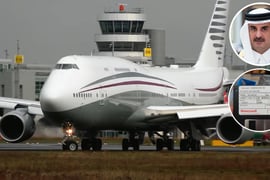
Environmental protesters want to ban private jets at Hamburg Airport from 2027 as study exposes staggering climate cost of wealthy travelers’ luxury flights Private jets could be banned from taking off and landing at Hamburg Airport from August 2027 if environmental campaigners get their way. Robin Wood is leading the push for a ban, arguing that the convenience enjoyed by a small group of wealthy travelers comes at an unacceptable cost to the climate and the wider public. The campaign follows a study showing that approximately 7,000 private aircraft movements take place at Hamburg Airport annually, making it Germany’s third-busiest airport for private aviation.

The destinations reveal why campaigners are particularly concerned. Between 2023 and 2025, Palma de Mallorca recorded 448 private-aircraft departures from Hamburg, just seven more than Sylt’s 441, according to Taz. However, Sylt was the busiest destination in both 2024 and 2025, despite losing its scheduled Hamburg flight connection in August 2025. The island is only about three hours away by train, while Berlin takes less than two, raising questions about the need for private flights to destinations with convenient rail connections.
The environmental cost is considerable. A study commissioned by Robin Wood from Dutch research institute CE Delft estimated that private aircraft movements at Hamburg Airport generate approximately 40,000 tons of CO₂-equivalent emissions annually. Almost a quarter of the climate impact comes from indirect aviation effects, including contrails, soot, and nitrogen oxides. An average private flight produces around six tons of CO₂ equivalent, roughly what an average EU citizen generates in eight months. The researchers also calculated that 20,000 tons of emissions from 3,000 private flights would equal the emissions from driving between Hamburg and Berlin approximately 370,000 times.

Robin Wood has taken its campaign directly to City Hall. On June 30, activists raised a protest banner behind Hamburg’s Rathaus and delivered an open letter to members of the parliament’s economic committee, backed by Greenpeace Germany, NABU Hamburg, Stay Grounded, and Extinction Rebellion. The proposed ban would exempt medical and diplomatic flights, while campaigners want affected airport workers to receive equivalent, secure employment. Hamburg owns 51% of the airport, with AviAlliance holding the remaining 49%, giving the city significant influence over its future direction. Environmental lawyers are examining how the restrictions could be implemented, although no formal Senate proposal or adopted ban existed as of November 17, 2026.
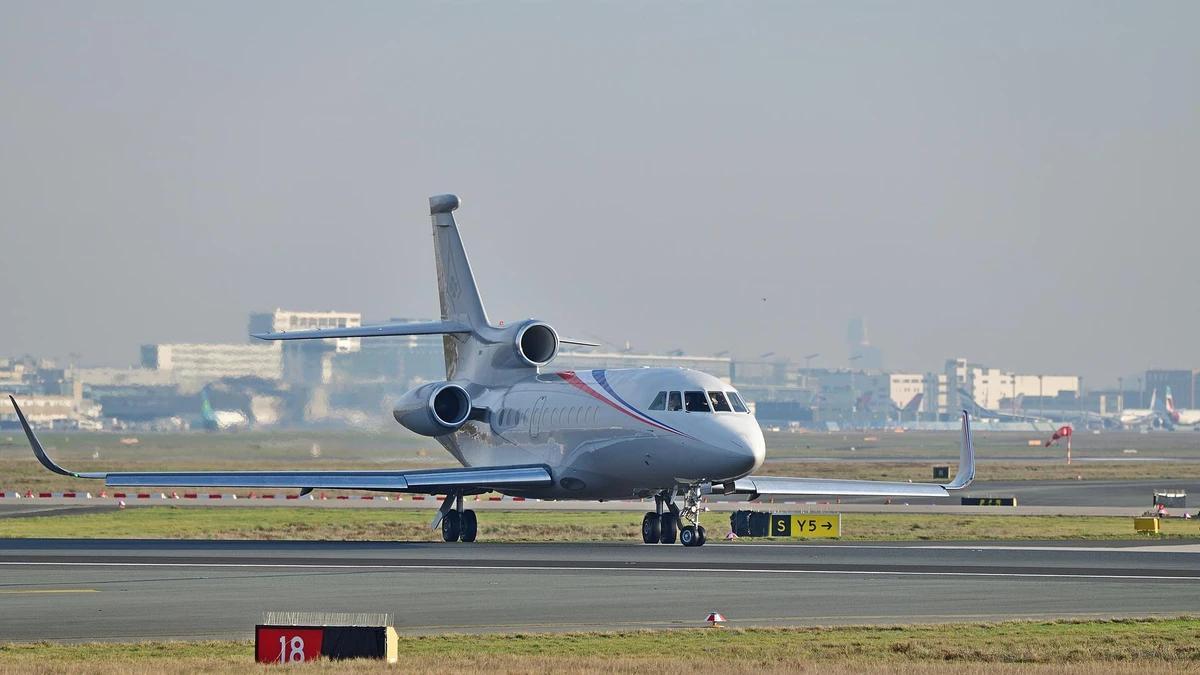
The proposal is not without opposition. Sylt’s business association, Verein Sylter Unternehmer, argues that unreliable railway services make air connectivity important to the island’s economy. The Westerland–Hamburg-Altona regional service recorded just 75.2% punctuality between January and September 2026, falling to 60.3% in September. Hamburg Airport has also pushed back, explaining that its General Aviation Terminal handles corporate flights alongside organ transports, rescue operations, military flights, and training. A spokesperson maintains that there is no separate private-jet category, while aircraft-noise campaigners want business aviation movements recorded independently.
The dispute comes as Hamburg tries to achieve climate neutrality by 2040 instead of its previous 2045 target, a change approved by 53.2% of voters in October 2025. However, preliminary figures showed the city’s CO₂ emissions rose 2.6% in 2025, increasing pressure for further reductions. For Robin Wood, private aviation is an obvious place to start, particularly when its environmental and noise costs are borne by residents while the benefits go to relatively few travelers. Whether the proposed August 2027 ban becomes reality now rests with Hamburg’s political and legal authorities.