
The new Air Force One was always going to be expensive, but few details capture the scale of that expense quite like this one: Boeing has been paid $84 million just to produce the operating manuals for the two VC-25B jets. That figure sounds disproportionate until you realize it is not a single handbook tucked into a cockpit, but an entire technical ecosystem built to sustain one of the most complex aircraft ever conceived.
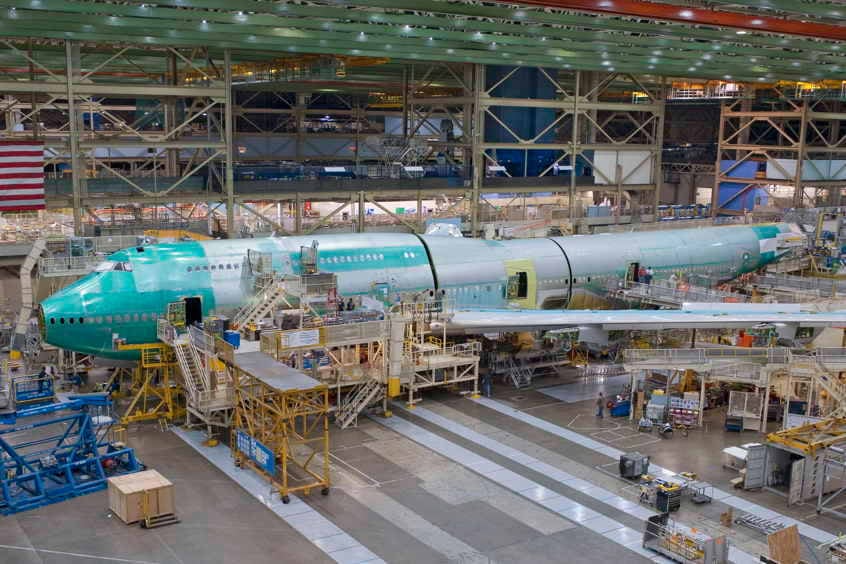
What is being delivered is not an owner’s manual in any conventional sense. It is a full technical publications package that underpins how the aircraft is flown, maintained, repaired, secured, and ultimately kept mission-ready. The official contract language makes this clear, describing a process of modifying commercial documentation, adding VC-25B-specific systems, and integrating material from Boeing and its subcontractors into a unified, aircraft-specific library, according to the Department of Defense.

A manual that costs more than a private jet
The scale becomes clearer when you consider that the documentation is expected to exceed 100,000 pages. On crude math, that comes to roughly $840 per page, a figure that turns each sheet into something more valuable than a flagship smartphone. A single page costs more than an iPhone. Taken as a whole, the manual package costs more than a brand-new Gulfstream G800, a state of the art aircraft priced at around $80 million.
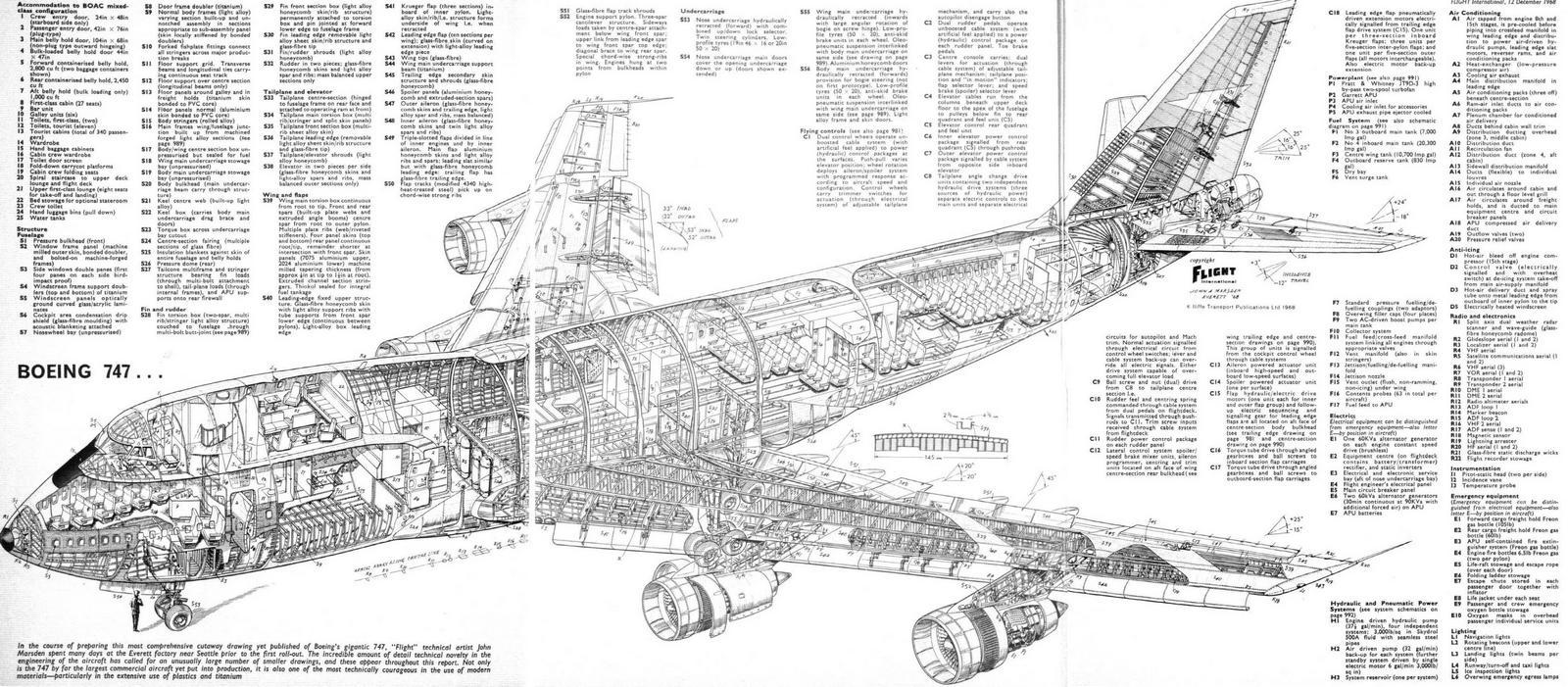
That number is not inflated by luxury or excess, but by density of information. Each page represents validated procedures, system logic, diagrams, and instructions tied to a specific configuration of a specific aircraft. This is documentation that must function flawlessly under normal operations and under the most extreme scenarios imaginable, which elevates it from reference material to operational infrastructure.

Not a book but a classified knowledge system
For a conventional Boeing 747-8, manuals already exist as a suite of documents rather than a single volume. For the VC-25B, that suite expands into something closer to a secure knowledge system. It likely includes flight crew procedures, emergency checklists, performance data, maintenance manuals, wiring diagrams, structural repair guides, fault isolation logic, illustrated parts catalogs, training materials, and software documentation, all tied together into a continuously updated framework.
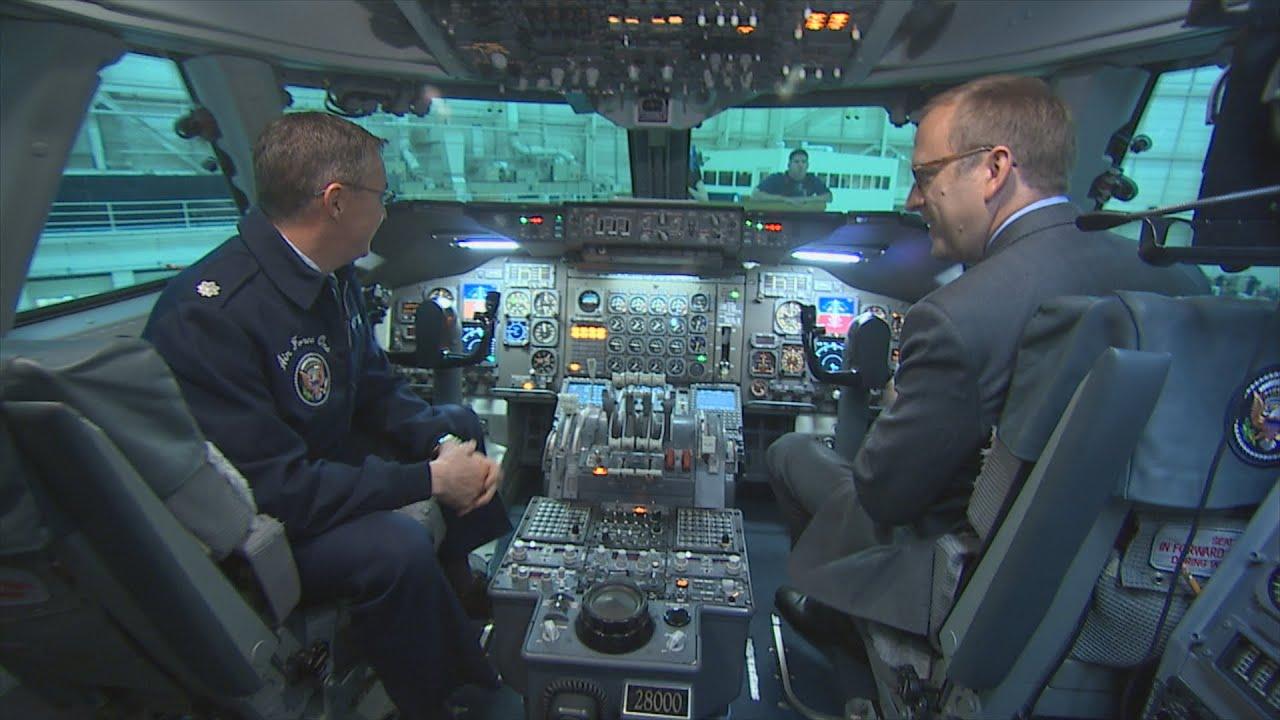
The difference lies in what the aircraft has become. The VC-25B may begin life as a 747-8, but it is rebuilt into a flying command center with secure communications, upgraded electrical systems, medical capability, defensive systems, and mission profiles that extend into crisis operations. Each of those layers demands its own documentation, and more importantly, integration with everything else onboard.
Some of that documentation is also likely classified, which changes how it is created and maintained. Secure facilities, cleared personnel, restricted distribution, and controlled digital environments all add cost and complexity. The manuals are not just written; they are handled as sensitive assets tied to national security.

Why the number was always going to be this high
The most important factor is that these manuals do not document a standard aircraft. They are documenting two unique machines that diverge significantly from their commercial origins. Every modification, from power distribution to communications architecture, requires new procedures, new diagrams, and new maintenance logic. Scale works against the program rather than for it. Commercial aviation spreads documentation costs across fleets and operators, but here the entire cost is effectively absorbed by just two aircraft. That alone drives the per-unit figure into territory that feels excessive when viewed without context.

Integration adds another layer. The manuals must merge inputs from Boeing, subcontractors, and government systems into a single, validated structure that can function as the authoritative source for operation and maintenance. This is not a simple compilation, but systems engineering expressed through documentation.


The timing complicates things further. The aircraft’s configuration continues to evolve during development, which means the manuals cannot be finalized early. Every change in wiring, software, or subsystem ripples through the documentation, forcing updates, revalidation, and redistribution. Digital manuals, often assumed to be cheaper, are in reality complex, database-driven systems with version control, cross-linking, and aircraft-specific tailoring.

The broader program has also struggled to stay on schedule. The original delivery target of 2024 has slipped significantly, with current expectations pointing toward 2028. Delays like these tend to cascade into the documentation effort, extending timelines and increasing costs as the technical baseline continues to shift.

In the end, the $84 million figure is less a story about paper and more a reflection of complexity. The manuals are not accessories to the aircraft but an essential layer of its existence, encoding everything required to operate and sustain a pair of machines that are as much strategic assets as they are aircraft.