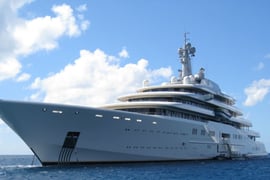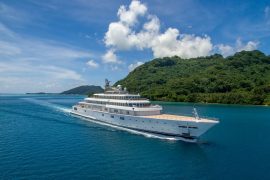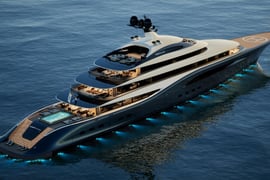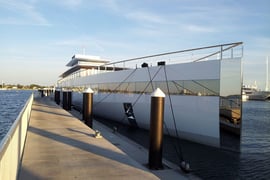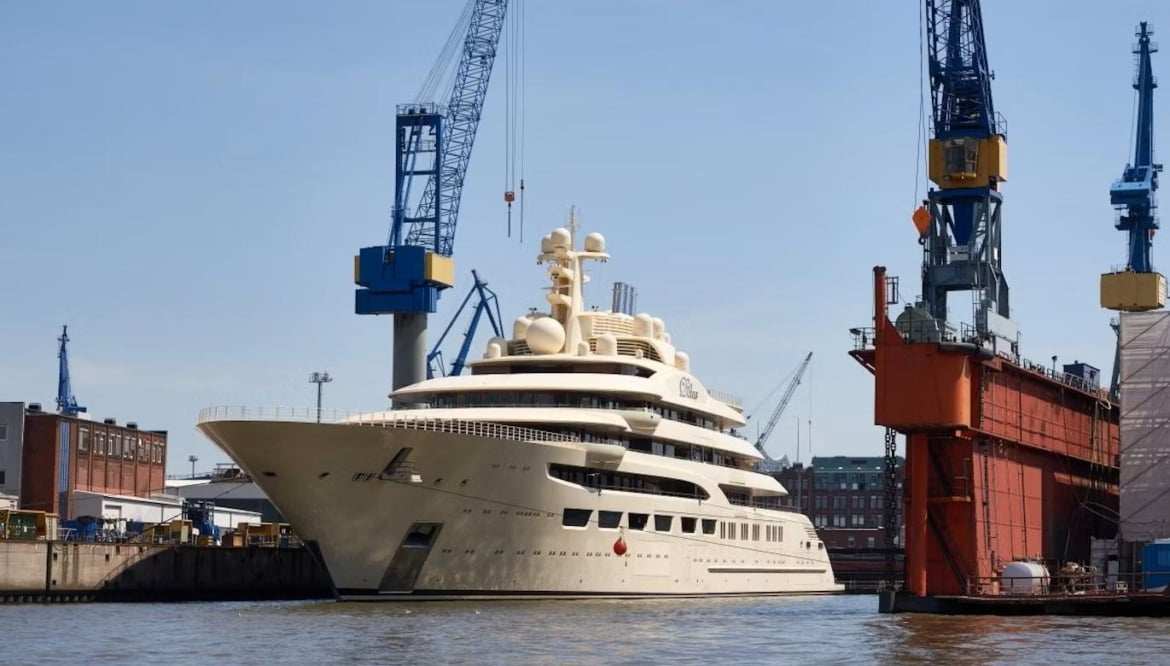
The world’s largest motor yacht by gross tonnage has become one of the most expensive pieces of idle real estate in the superyacht industry. More than four years after EU sanctions froze Dilbar, the 512-foot Lürssen-built giant remains locked inside one of Europe’s largest floating docks, reportedly costing the German shipbuilder around €50,000 (about $56,000) every day just to preserve.

The extraordinary situation began after the European Union imposed sanctions on several Russian billionaires in 2022. Dilbar, long associated with Russian-Uzbek billionaire Alisher Usmanov, was undergoing inspection at Lürssen’s Blohm+Voss yard in Hamburg when authorities froze the yacht.While Germany’s Federal Office for Economic Affairs and Export Control (BAFA) prohibited the vessel from being returned, Lürssen argued that it was effectively left responsible for storing and maintaining the asset without any clear legal responsibility or compensation.
Last week, the Frankfurt Administrative Court ruled that the shipyard itself was not obligated to treat the yacht as a frozen economic resource because the vessel’s complex ownership structure could not be conclusively determined, shifting responsibility back toward BAFA. The ruling, however, is not yet final and may still be appealed, as reported by Weser Kurier.
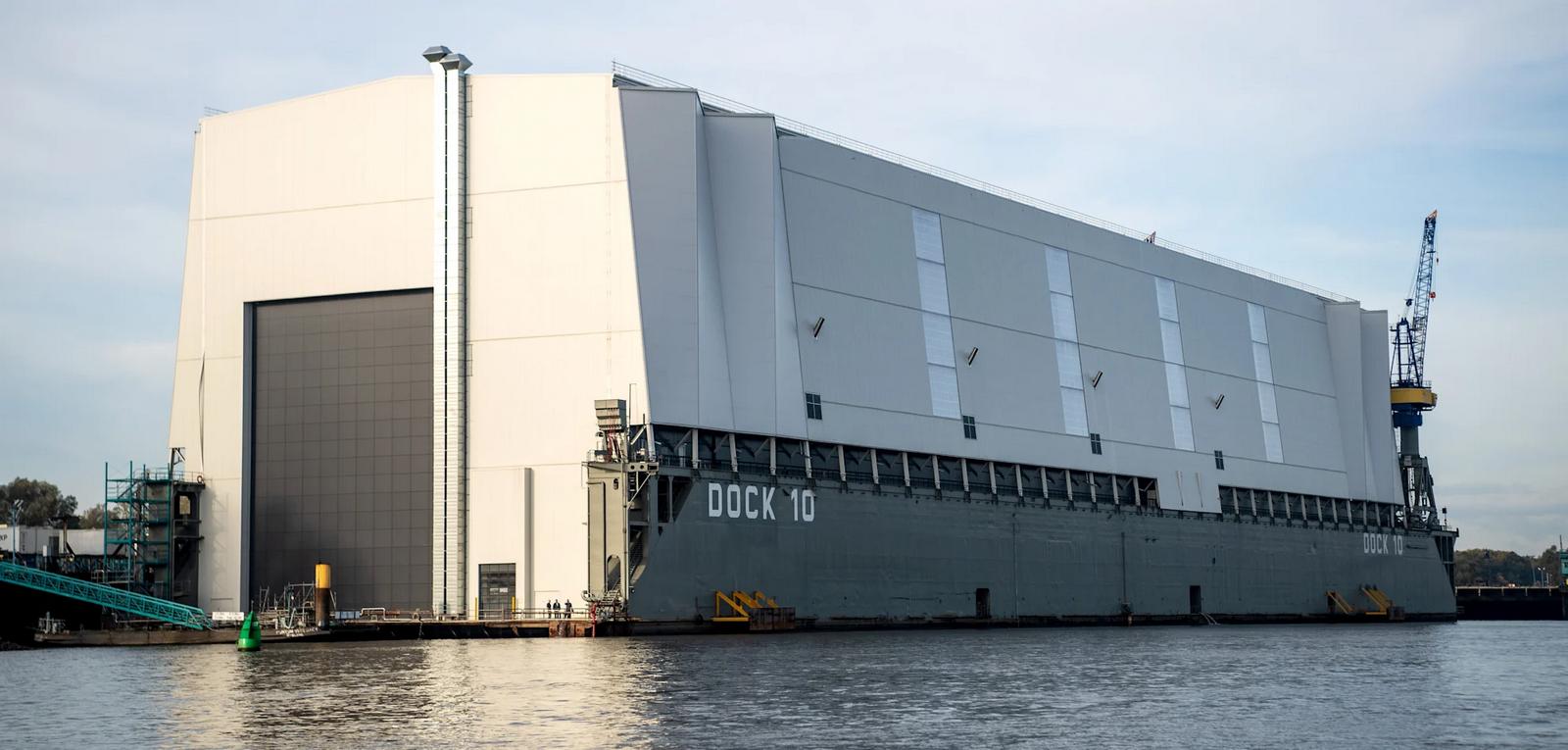
Europe’s largest covered floating dock has become Dilbar’s home
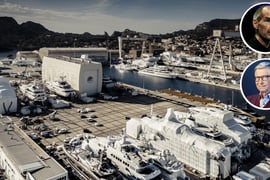
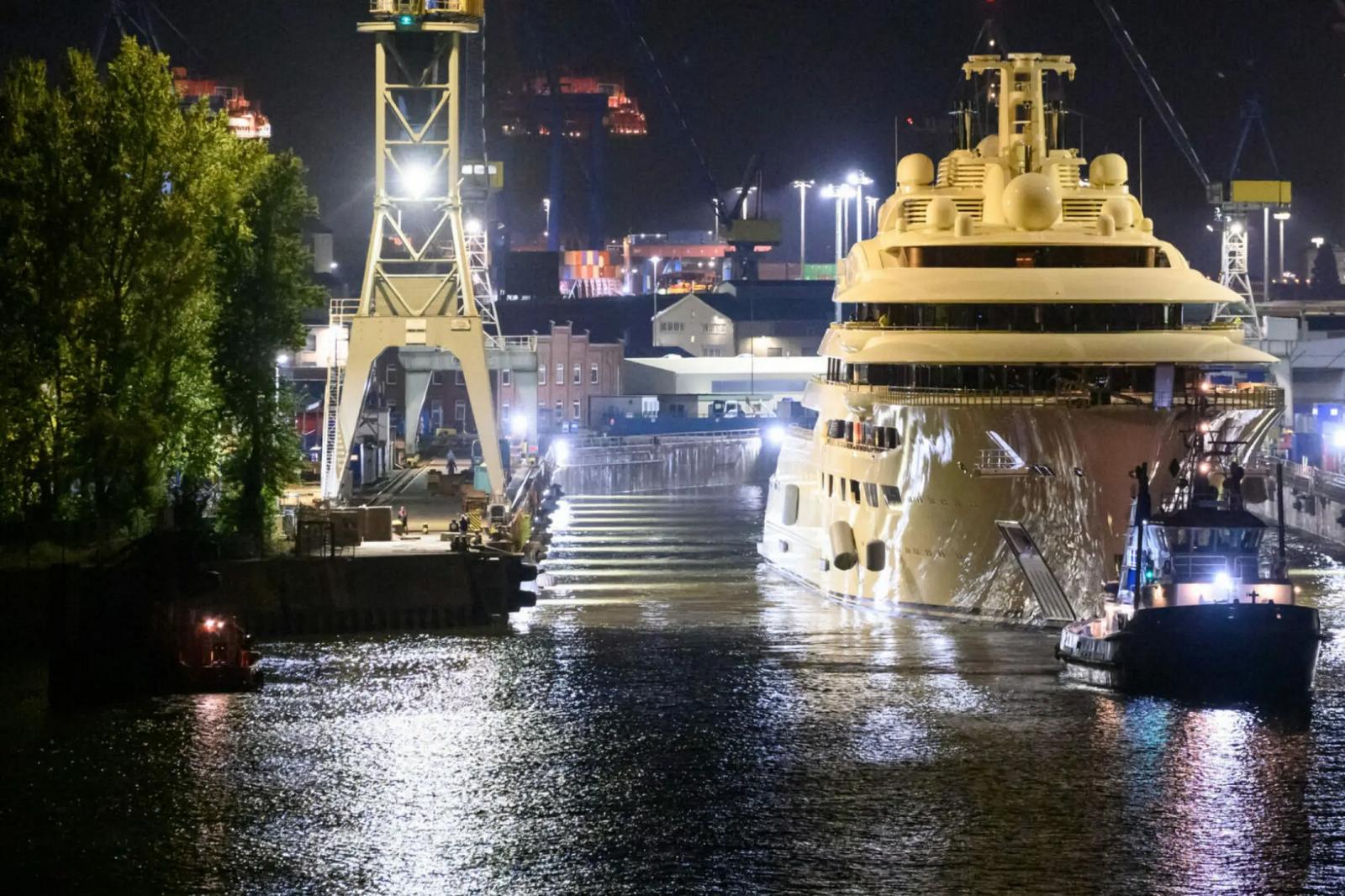
Dilbar no longer sits in Hamburg. Instead, it occupies Floating Dock 10 at Lürssen’s Berne facility on the Weser River, where it has remained hidden from public view ever since. The dock itself is almost as remarkable as the yacht. Originally built in 1966 for Blohm+Voss in Hamburg, the floating dock measures roughly 287 meters long and 53 meters wide, with a lifting capacity of about 50,000 tonnes. Lürssen later invested around €13 million to install a translucent membrane roof designed by renowned engineer Werner Sobek, transforming it into Europe’s largest covered floating dock.

Its journey to Berne was never intended to be permanent. In early 2021, four tugboats towed the massive structure from Hamburg while carrying another Lürssen superyacht, Opera, inside it for final completion on the lower Weser. Once Opera was delivered in 2022, the dock was expected to return to Hamburg. Instead, Dilbar moved in following the sanctions freeze, leaving one of the shipyard’s most valuable facilities occupied ever since. The result is that one of the world’s most recognizable superyachts now sits inside a climate-controlled, ventilated steel enclosure the size of a skyscraper laid on its side, largely hidden from public sight.
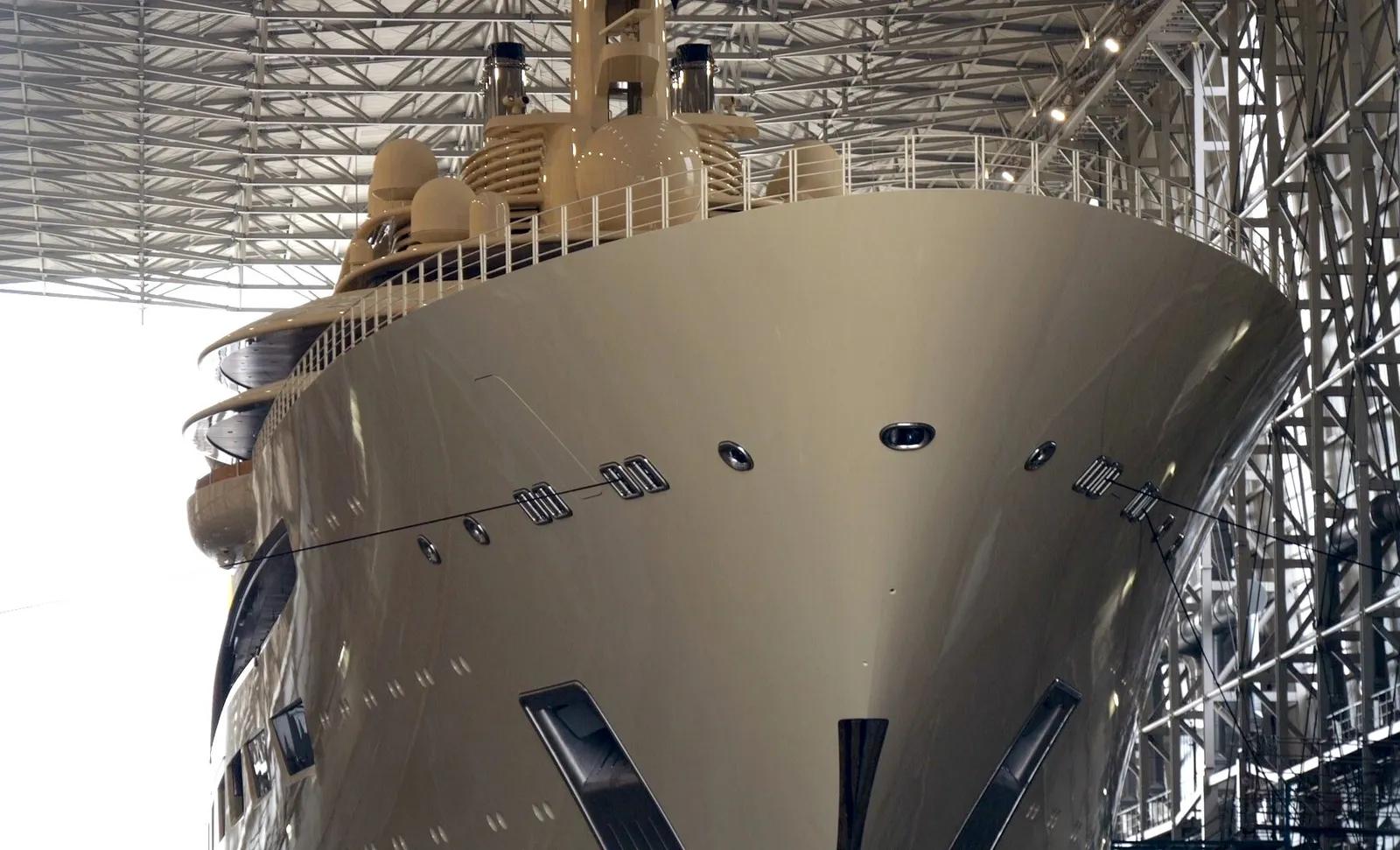
Why an idle yacht still costs $56,000 every day
Although the yacht no longer sails, keeping Dilbar preserved is anything but inexpensive. At 15,917 gross tons, it remains the world’s largest motor yacht by internal volume, housing vastly more machinery, electrical systems, climate control equipment and luxury interiors than a typical superyacht.
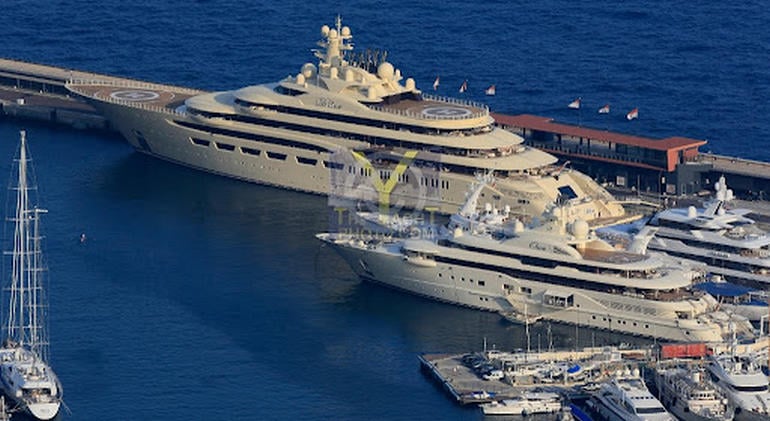
Built to operate with a crew of around 80, the vessel features a 25-meter swimming pool holding approximately 180 cubic meters of water, two helipads, a 30,000-kilowatt diesel-electric power plant and more than 1,100 kilometers of electrical cabling. Even while laid up, generators must be run periodically, pumps and seals exercised, dehumidification systems maintained and corrosion constantly monitored to prevent deterioration. Insurance, inspections, environmental compliance and class requirements further add to the ongoing expense, while the bespoke interiors, including thousands of custom-made furnishings, require careful climate-controlled preservation.
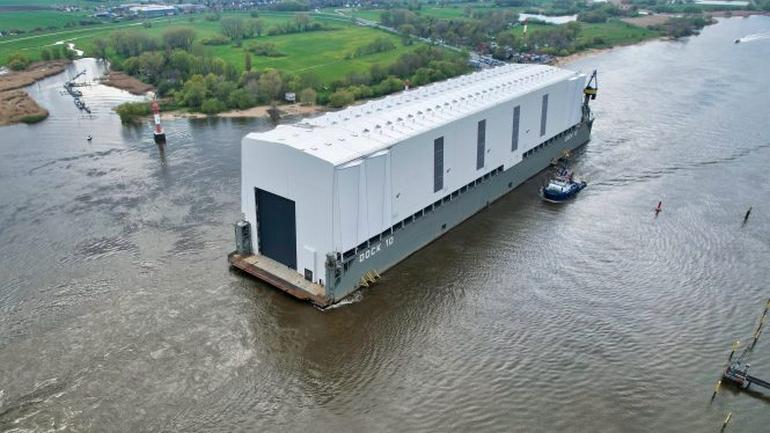
The estimated €50,000 daily bill is also driven by a less obvious factor, which is opportunity cost. Floating Dock 10 is one of Europe’s premier shipbuilding facilities, capable of accommodating some of the industry’s largest refit and construction projects. Every day Dilbar occupies the dock is another day Lürssen cannot use that space for revenue-generating work.
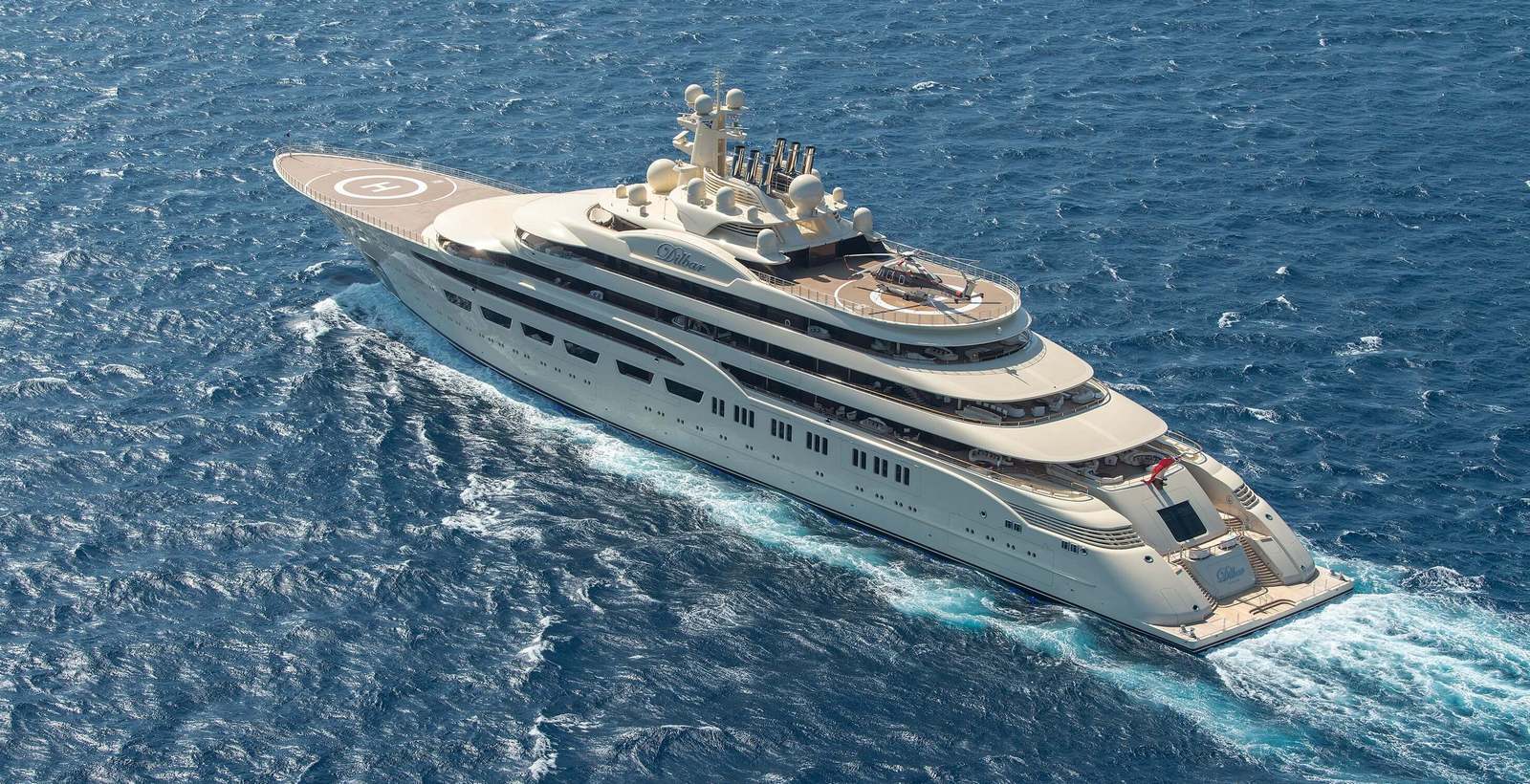
That helps explain why Dilbar’s estimated daily costs exceed those reported for other sanctioned superyachts, including Amadea, whose published U.S. government maintenance expenses averaged about $30,000 per day. In Dilbar’s case, the cost reflects not only preserving a $800 million floating palace but also the commercial value of the enormous dock it continues to occupy. With appeals still possible and ownership questions unresolved, the world’s grandest superyacht appears destined to remain in limbo, and on Lürssen’s balance sheet, for the foreseeable future.