
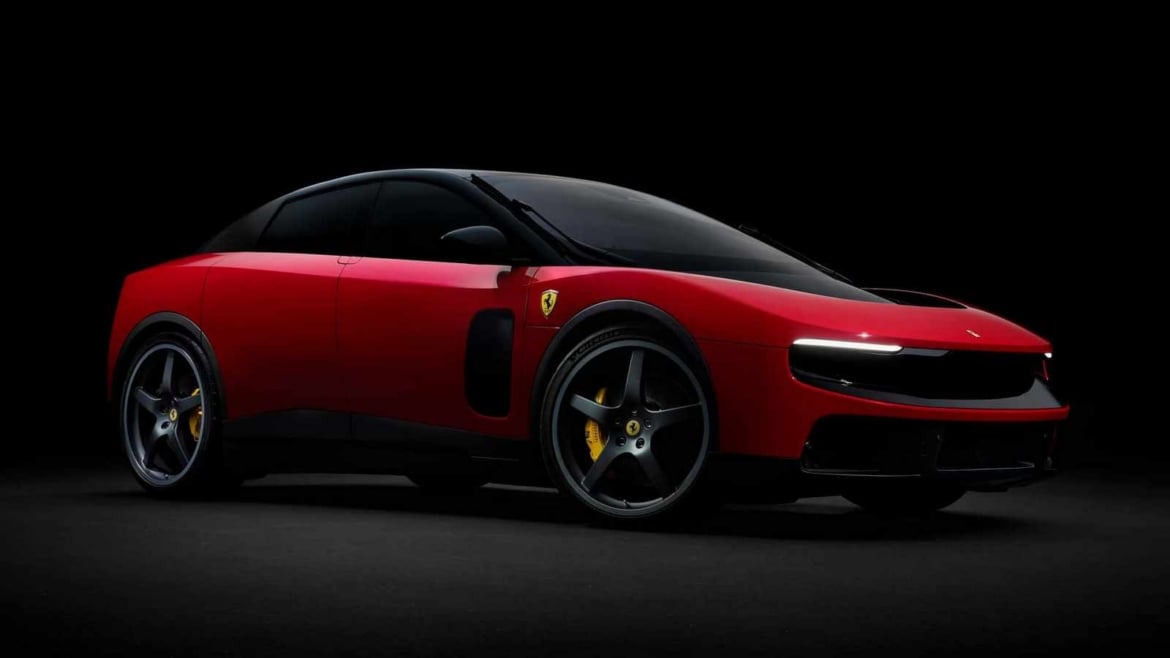
Ferrari has spent decades perfecting the art of making customers wait. For the Italian marque’s most coveted creations, simply having the money is rarely enough. Access to its limited-production supercars and halo models is often reserved for a select group of loyal collectors who have spent years, and millions of dollars, building a relationship with the company.
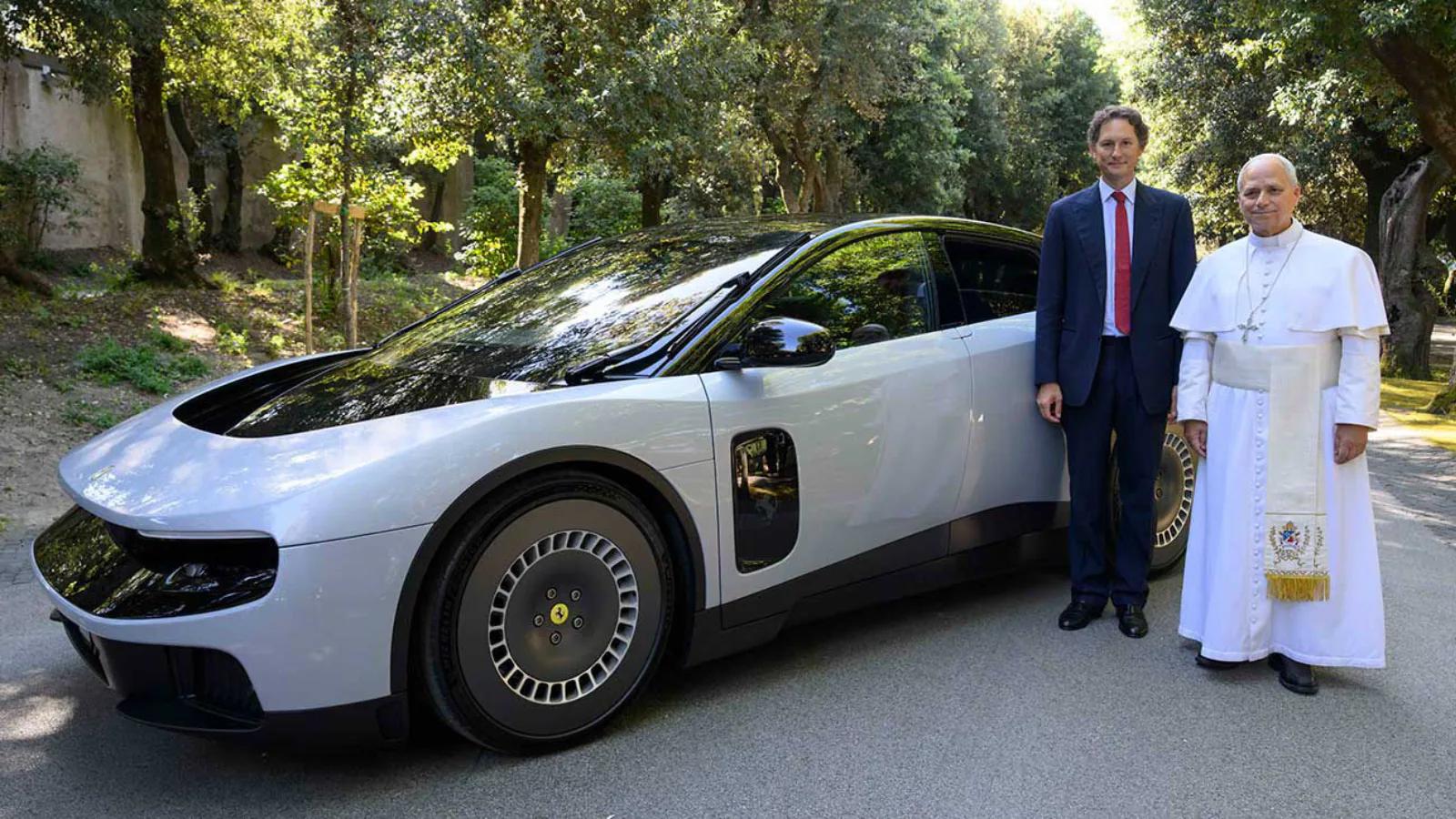
Now, according to a report by Bloomberg, Ferrari appears to be introducing a new way for wealthy clients to prove their loyalty. The company is reportedly signaling to parts of its collector network that purchasing the divisive new Luce EV could help strengthen their standing with Maranello and potentially improve their chances of securing future allocation-only Ferraris, including the V12-powered special editions and ultra-exclusive models that enthusiasts truly desire.
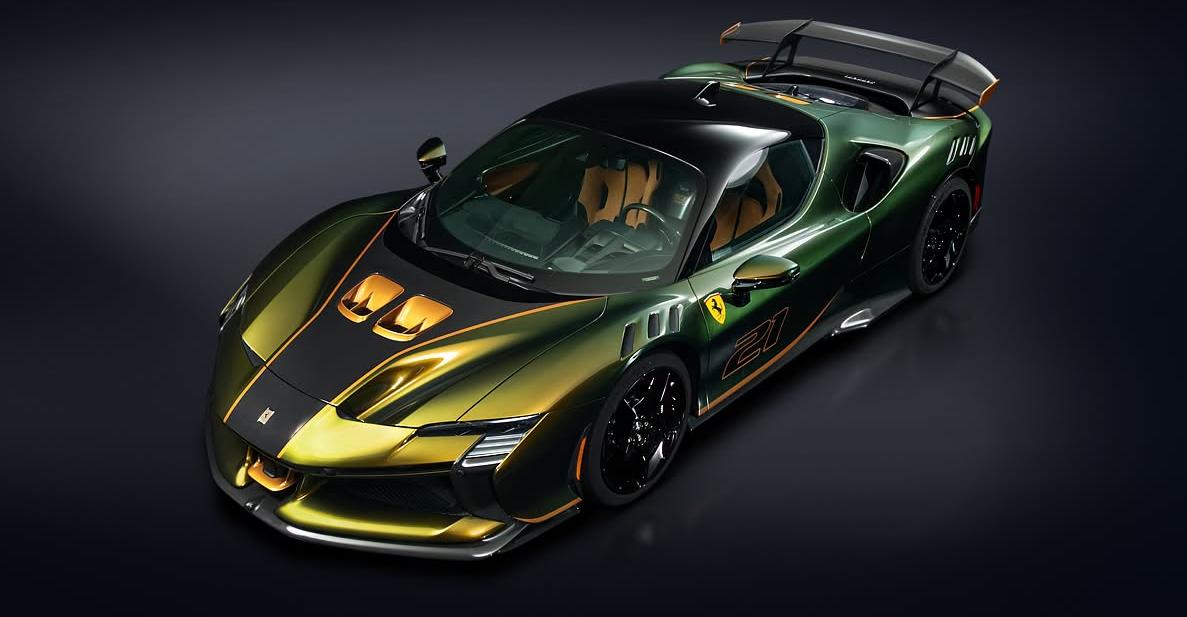
Ferrari’s latest loyalty test
The strategy is generating attention because Ferrari’s allocation system is already one of the most secretive and controversial in the automotive world. Unlike most manufacturers, Ferrari does not simply sell its rarest cars to whoever places an order first. Instead, the company carefully decides which clients are invited to buy them.

Collectors often spend years purchasing production models, attending Ferrari events, and building long-term relationships with dealers and the factory before they are considered for special-series cars. Models such as the 812 Competizione, Daytona SP3, Monza SP1 and SP2, and even halo hypercars like the F80 are often viewed less as products and more as invitations granted to Ferrari’s most trusted customers.
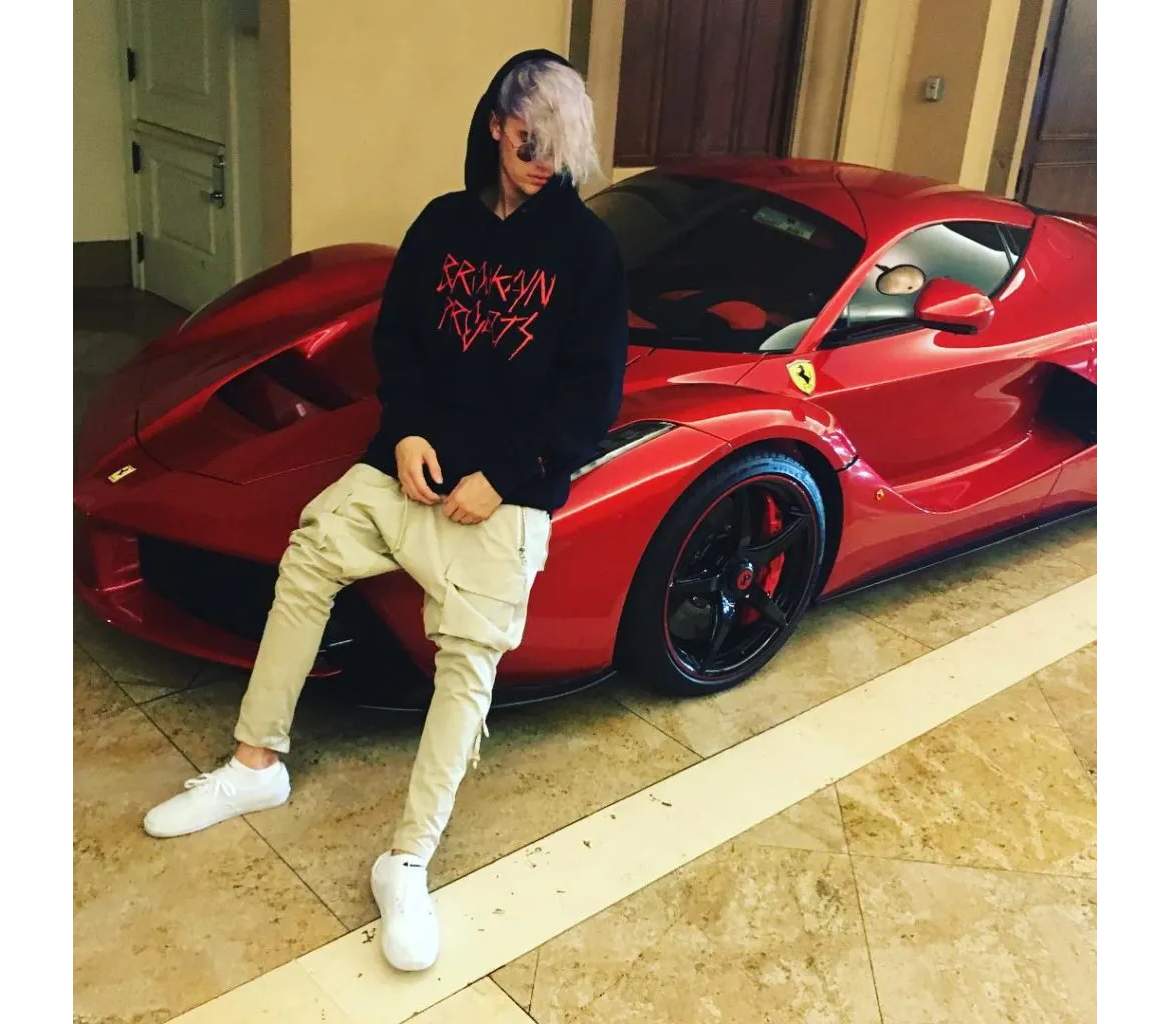
The company also keeps a close eye on ownership history. Buyers who quickly flip vehicles for profit can damage their standing, while those who hold onto their cars and continue investing in the brand are typically rewarded. In Ferrari’s world, loyalty is currency, and access is the ultimate prize.

Why the Luce has become so divisive
Unveiled as the company’s first fully electric production model, the €550,000 (roughly $640,000) Luce immediately sparked fierce debate among enthusiasts and collectors. The problem is that the Luce is not the Ferrari many collectors and the brand’s very vocal, emotionally charged fans were hoping for. In fact, the Luce received one of the harshest receptions in the Italian marque’s history at its launch event. The stock crashed by roughly 8% the next day, wiping out around €4 billion (about $4.6 billion) in market value.

Critics targeted both its styling and its electric powertrain. For many traditional Ferrari owners, the appeal of the brand has always been tied to naturally aspirated V12 engines, emotional soundtracks, and a driving experience built around combustion power. The Luce represents a dramatic departure from that formula.
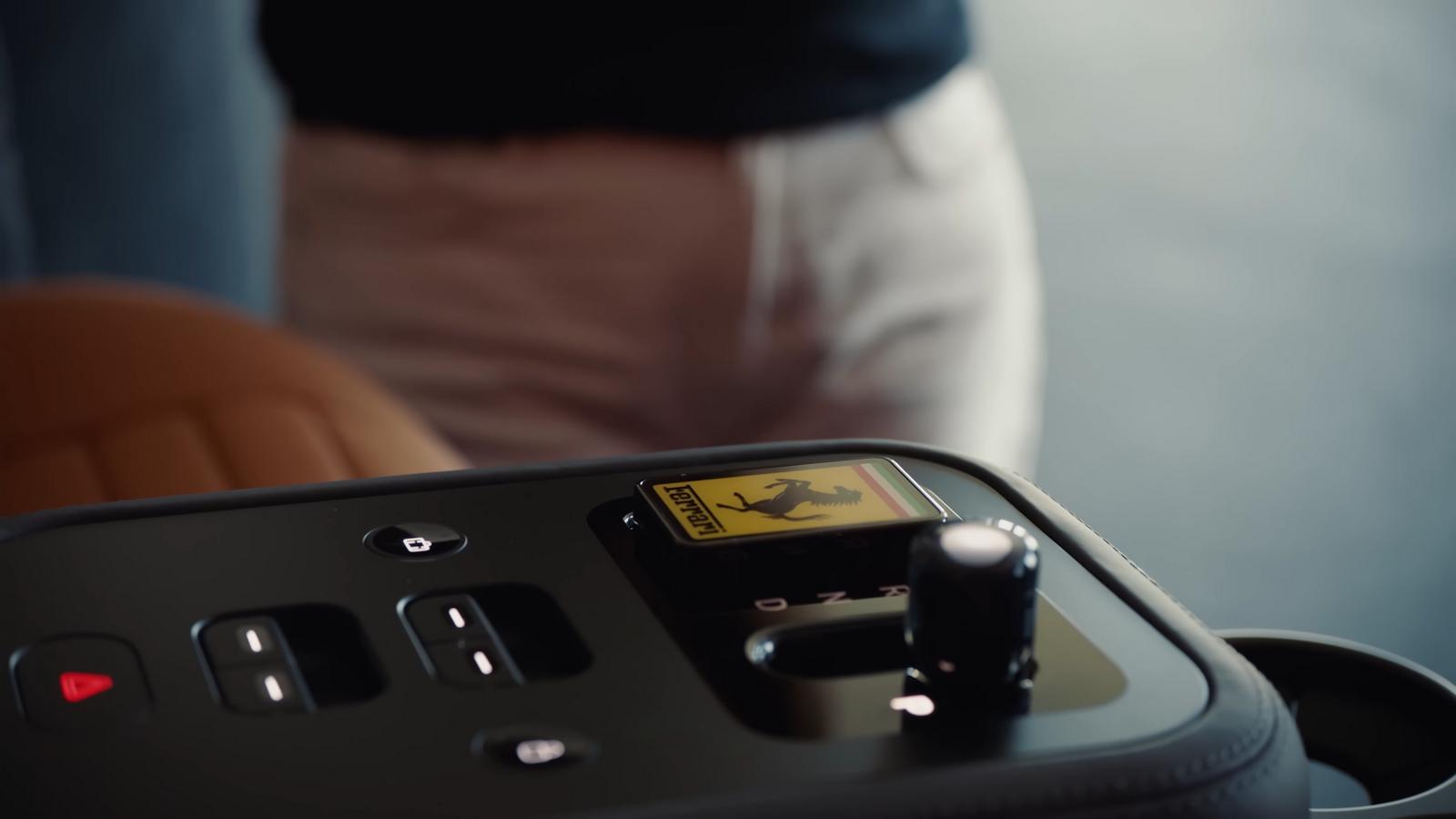
Its design has also faced criticism, with some observers arguing that the car lacks the visual drama and aggression typically associated with Ferrari’s most iconic creations. The result has been one of the most polarizing launches in the company’s modern history.

The V12 carrot at the end of the stick
That is why the reported strategy has struck a nerve among enthusiasts. The implication is not that buyers necessarily want the Luce, but that they may feel compelled to purchase it in order to improve their chances of obtaining future Ferraris that they do want.
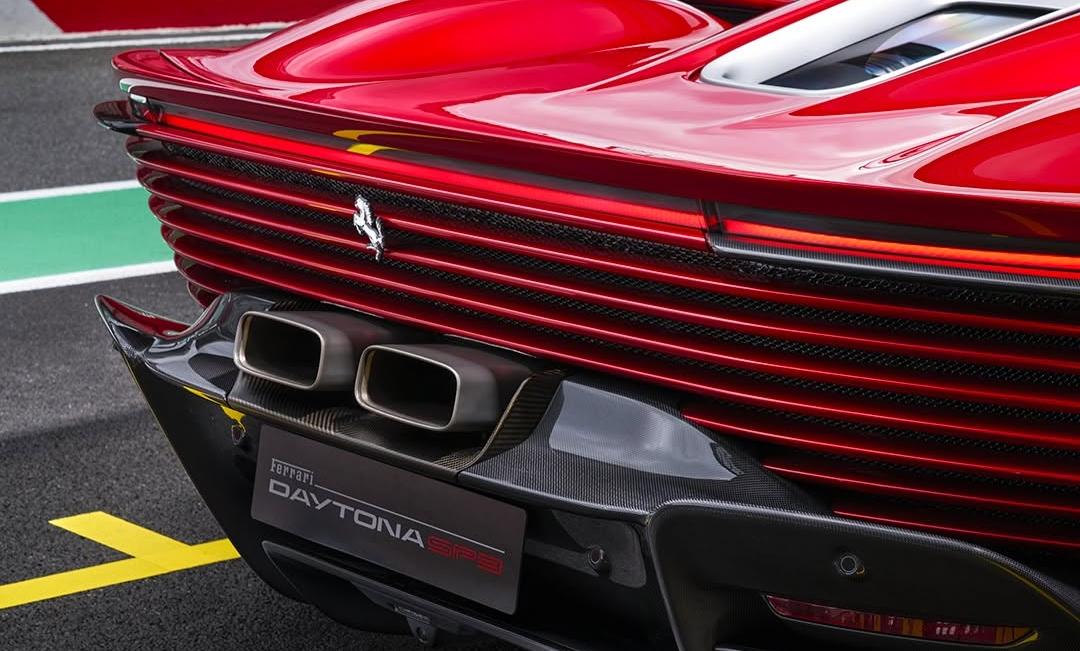
As a Ferrari fan, this move to force an unlovable model just to find a spot on the already difficult and controversial allocation lists seems preposterous. The cars collectors are chasing are not electric family-oriented grand tourers. They are the limited-production V12 masterpieces, future Icona models, and the next generation of special-series Ferraris that become instant collector trophies.
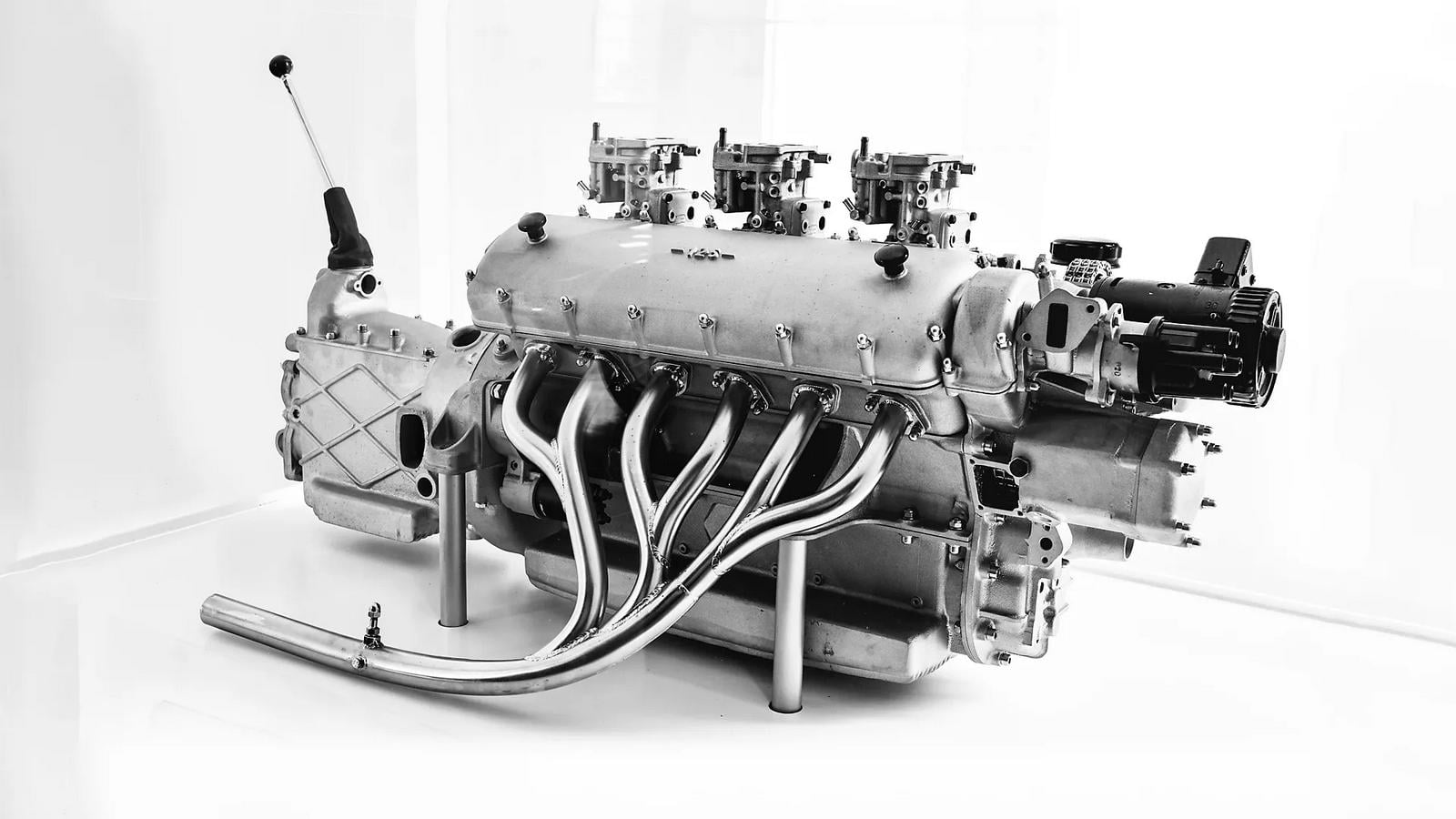
Yet from Ferrari’s perspective, the approach makes perfect sense. The company has built an empire around scarcity, exclusivity, and carefully managed demand. If clients believe that supporting the Luce today could help secure access to a future V12 special edition tomorrow, many may be willing to play along.

Whether that strategy ultimately succeeds remains to be seen. What is clear is that Ferrari’s greatest asset is no longer just its cars. It is the extraordinary power of access. For some collectors, the chance to one day receive an invitation to buy Ferrari’s next great V12 supercar may be enough to make even the most controversial EV seem worth the price of admission.
Update: Ferrari has come out to deny Bloomberg’s report suggesting that the Luce could become a pathway to the company’s most coveted limited-edition models. According to Reuters, the Italian marque’s Chief Marketing and Commercial Officer Enrico Galliera recently stated that purchasing the all-electric Luce is not a formal requirement for access to future limited-edition cars, warning that such a strategy would be a “huge mistake.” Galliera added that Ferrari has instructed dealers to sell the Luce only to customers who genuinely want the vehicle, rather than those hoping to gain advantages in the marque’s famously competitive allocation system.