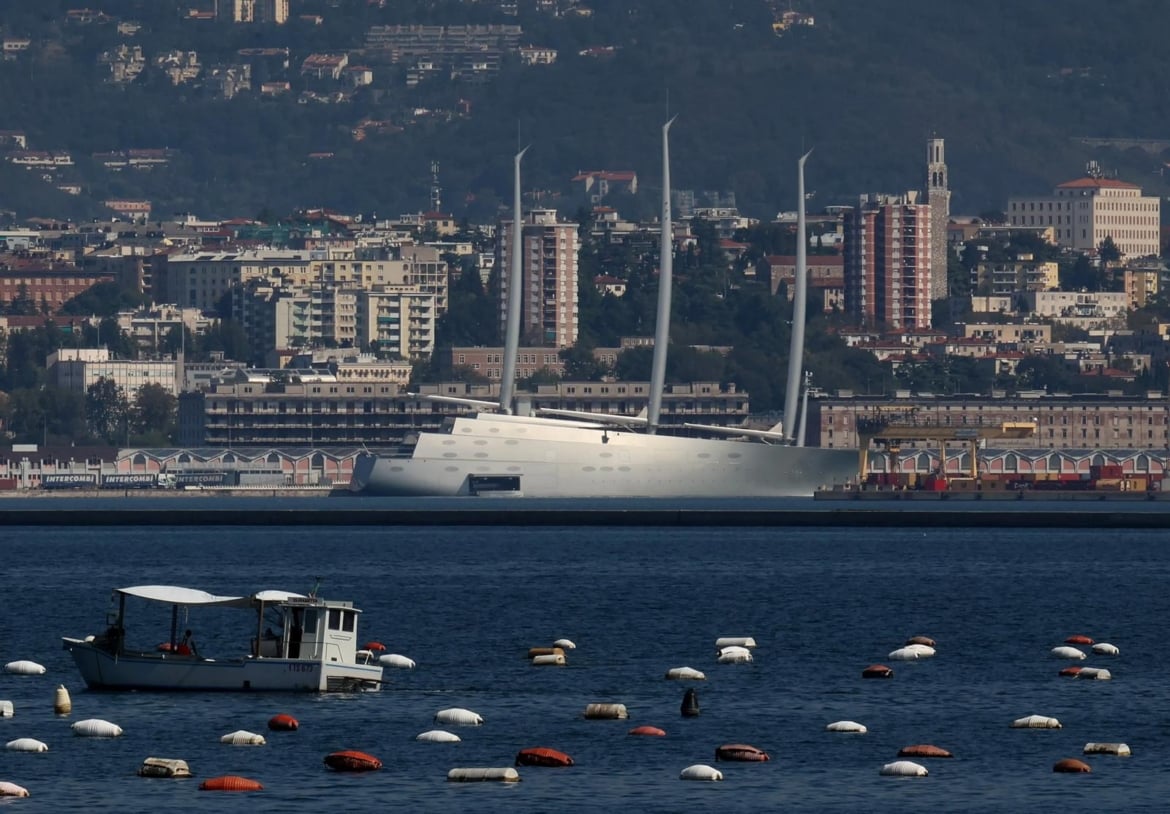
Keeping a 469-foot superyacht running while it sits motionless at anchor is an extraordinarily expensive business, particularly when its generators have to work around the clock to keep the vessel’s luxurious interiors and essential systems operational. Sailing Yacht A, the spectacular three-masted superyacht belonging to Russian billionaire Andrey Melnichenko, has been stuck off the coast of Trieste since March 2022, when Italian authorities seized it following sanctions imposed on its wealthy owner. After more than four years of continuous detention, authorities are now preparing to move the $600 million vessel to another Italian port where it can connect directly to shore power instead of relying entirely on its onboard generators. The proposed arrangement could reduce the yacht’s diesel consumption, generator operating hours, and the enormous expenses associated with keeping it operational.

According to Italian publication Vivere Ancona, which reported the relocation on November 12, authorities are planning to move Sailing Yacht A to the Port of Ancona, where it could remain for approximately 6 months. The decision comes after maintaining the seized superyacht near Trieste reportedly cost the Italian state more than $40 million, prompting an agreement involving the government, Melnichenko, and a Dubai-based management company to reduce the financial burden. The yacht is expected to arrive under the escort of Italy’s Guardia di Finanza and occupy Berth 1 at Molo San Francesco, with approximately 30 crew members remaining aboard.
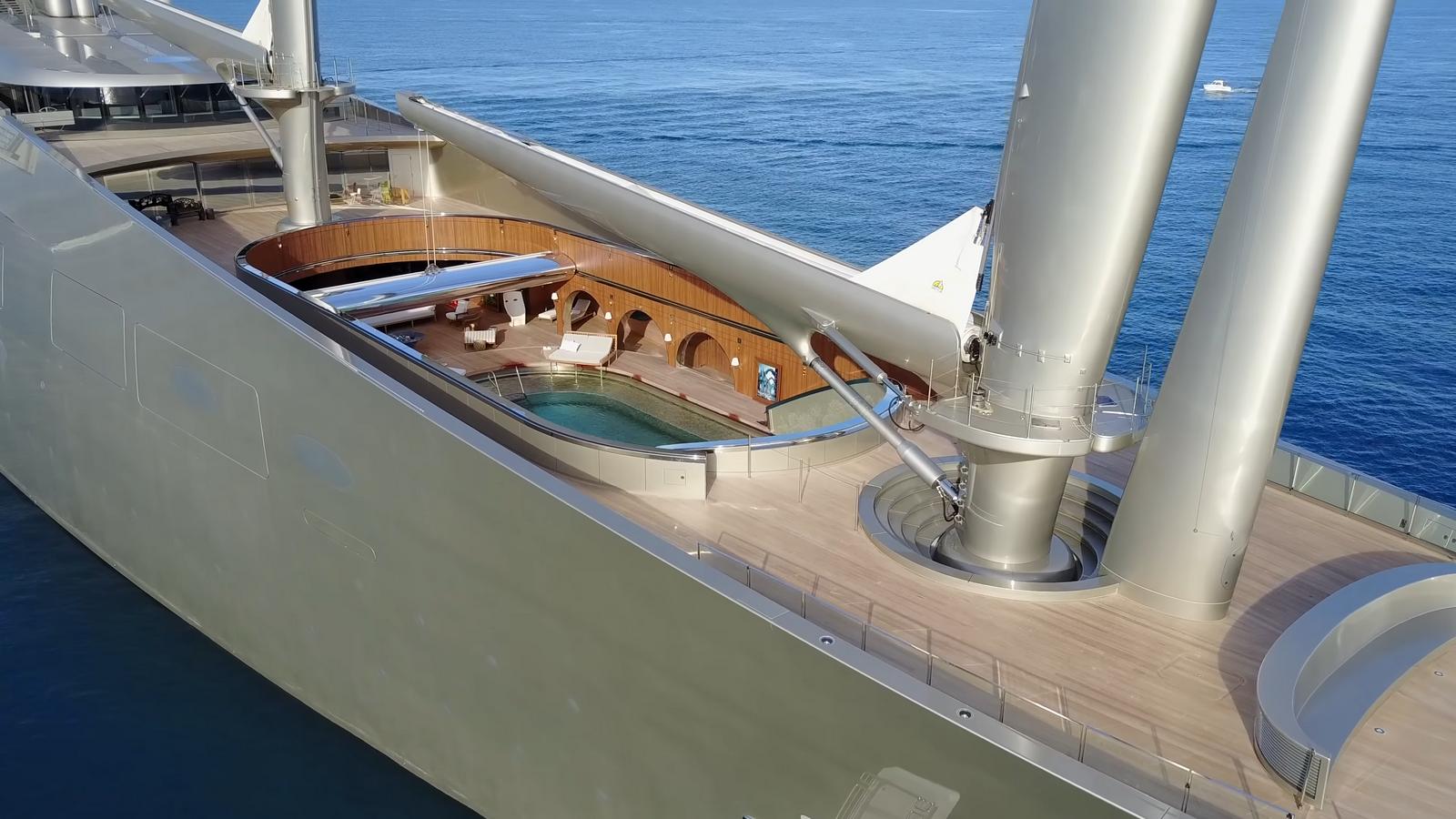
Sailing Yacht A needs electricity even when it isn’t going anywhere
The biggest advantage of the move is the possibility of connecting Sailing Yacht A directly to the port’s electricity supply. While anchored off Trieste, the yacht has depended on its onboard generators to provide electricity for climate control, accommodation, and other essential services, meaning its engines have effectively had to keep working even when the vessel isn’t moving. The yacht has been reported to burn around 400 gallons of diesel every day to keep its generators running, although Italian yachting coverage has also cited an upper consumption estimate of approximately 2,100 gallons per day. At that higher reported level, the generators could produce somewhere between 28,000 and 32,000 kWh of electricity in 24 hours, equivalent to the annual electricity consumption of approximately three average American households.

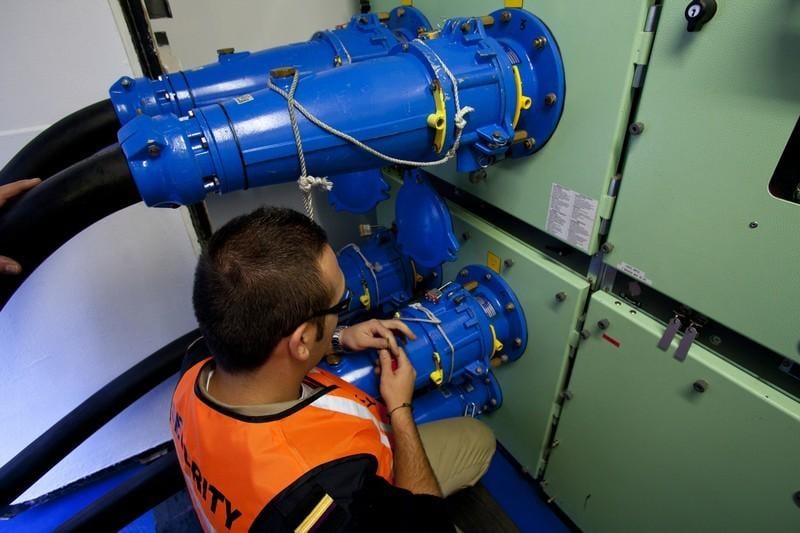
Connecting a vessel of this size to shore power is not quite as simple as plugging in a conventional electrical cable, since the port needs to supply sufficient electricity at the correct voltage and frequency. Electricity would travel from the local grid through substations and underground cables, with transformers and frequency converters adjusting the supply to meet the yacht’s requirements. Specialized cable-handling equipment would help the crew establish the connection, after which the yacht’s electrical systems could transfer the load from its generators to the shore supply. The generators could then be switched off while backup power remains available in case of an interruption. Ancona already has six electrified berths serving ferries and cruise ships, making it an established destination for vessels looking to reduce their dependence on onboard generation.
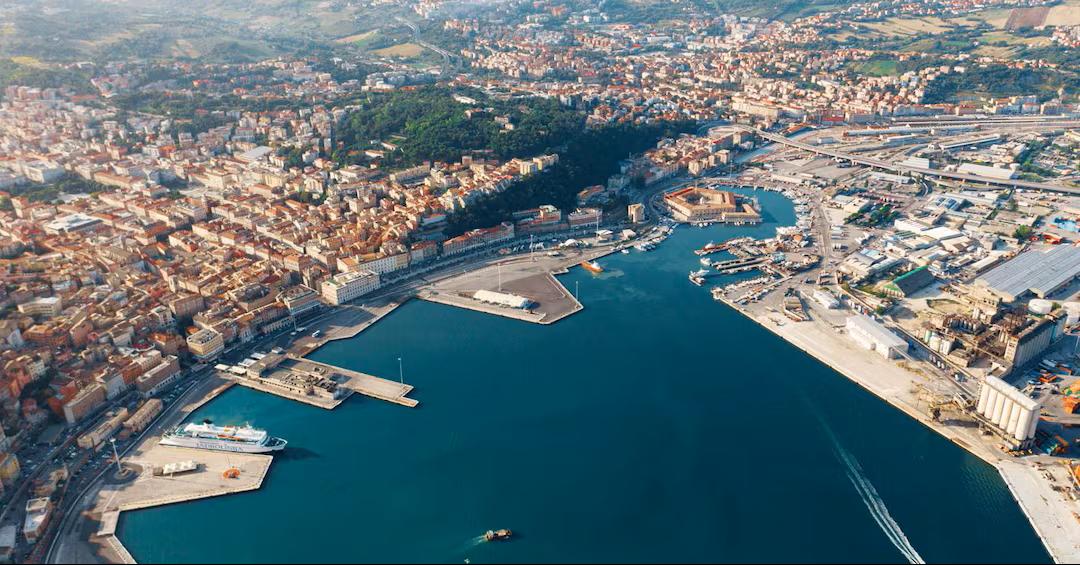
Ancona is no stranger to building expensive superyachts
There is another reason why Ancona makes an interesting destination for Sailing Yacht A, as the Italian port has a long history of shipbuilding and luxury yacht construction. Fincantieri operates a major shipyard there and announced a $40 million modernization investment in 2025, while Ferretti Group’s Ancona facility traces its origins to the establishment of CRN in 1963. The shipyard now builds custom CRN yachts, Riva superyachts, the Pershing 140, and vessels from the Custom Line fleet. Beyond shipbuilding, Ancona is an important commercial port that recorded more than 817,000 passenger movements and handled over 9.6 million metric tons of cargo across the combined Ancona–Falconara Marittima port system in 2025.
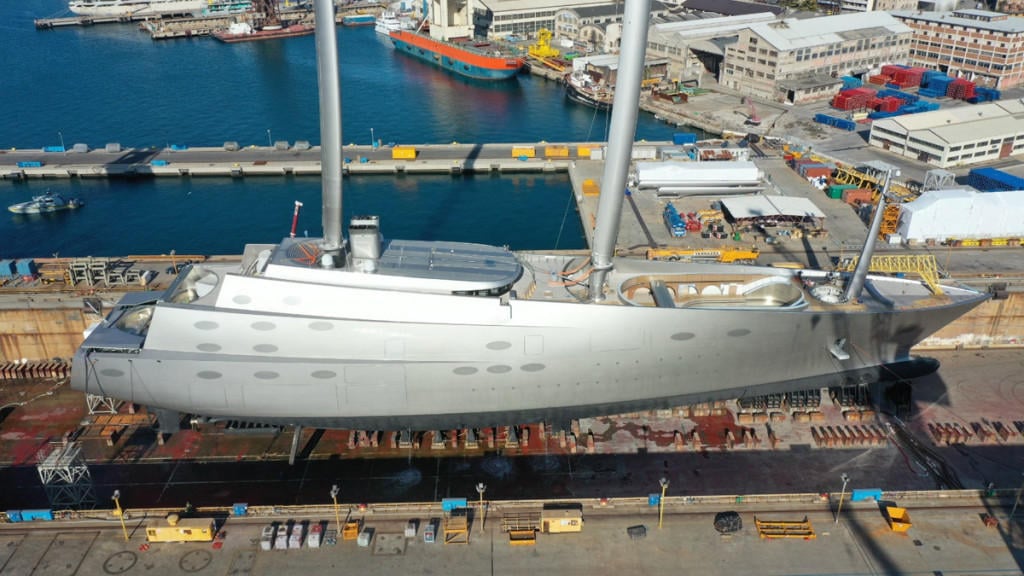
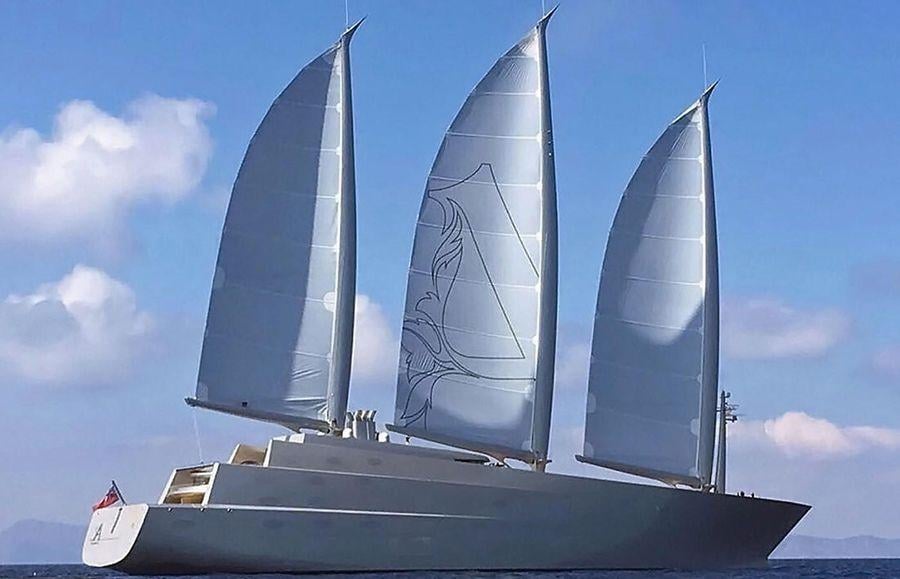
For Melnichenko, however, the relocation does little to change the uncertain future of his prized superyacht. The Russian billionaire, best known for building his fortune through fertilizer and coal businesses, commissioned Sailing Yacht A as an extraordinary showcase of engineering and luxury. Designed by Philippe Starck and delivered in 2017, the 143-meter vessel features three enormous carbon-fiber masts and an unconventional exterior that makes it instantly recognizable. After its planned six-month stay in Ancona, the yacht is expected to move to another port along Italy’s Adriatic coastline for major maintenance work. For now, simply keeping the generators switched off and drawing electricity from the shore could make a considerable difference to the cost of looking after one of the world’s most extraordinary superyachts.