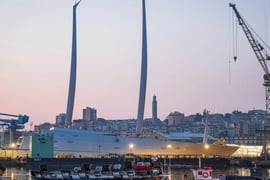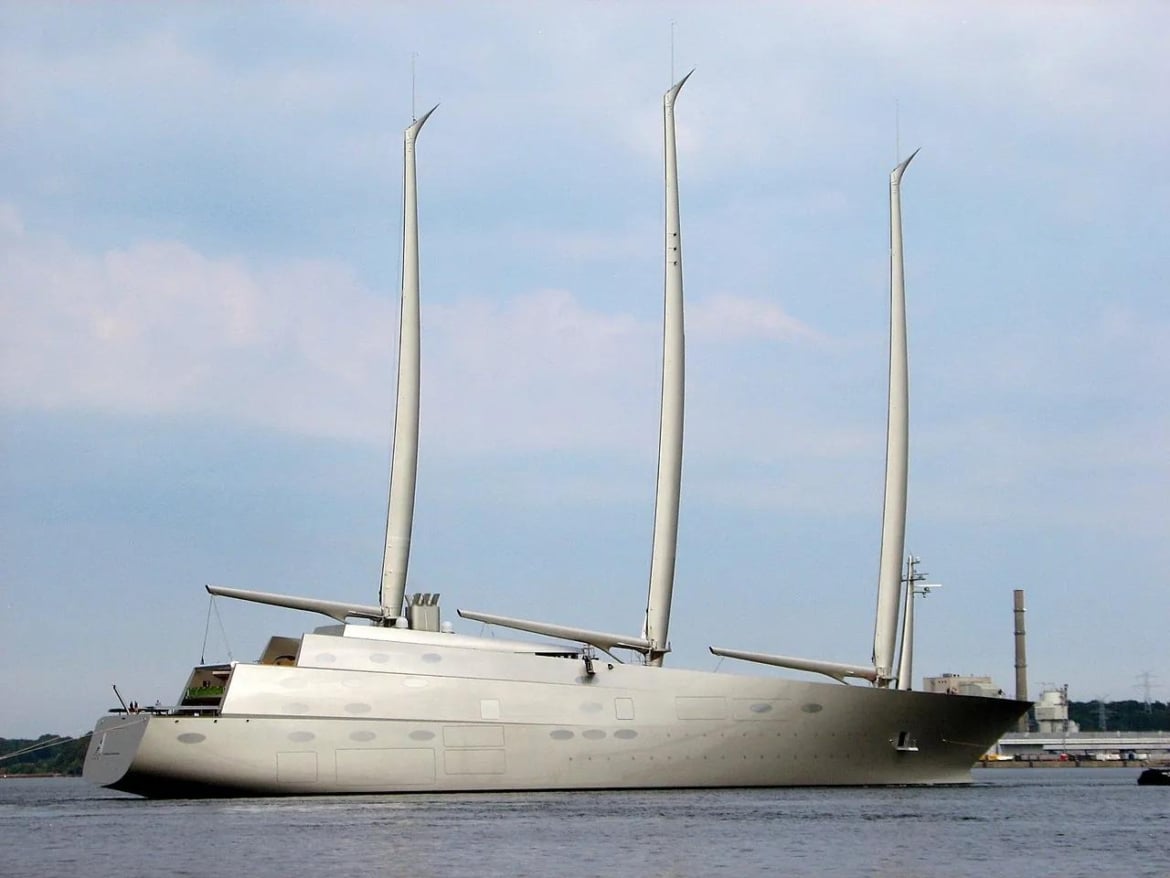
Russian billionaire Andrey Melnichenko’s $600 million superyacht has become an unusually expensive responsibility for Italian taxpayers, who have been footing the bill to keep the enormous vessel in good condition for more than four years. Sailing Yacht A has remained stuck in the port of Trieste since March 2022, when Italian authorities seized it following the sanctions imposed on its wealthy owner. While the futuristic vessel cannot go anywhere, its generators, cleaning staff, and essential onboard systems still require attention. There is also something rather unusual inside the yacht that makes switching off its air-conditioning an expensive proposition, as its art collection reportedly includes extremely valuable paintings by Claude Monet and other celebrated artists.
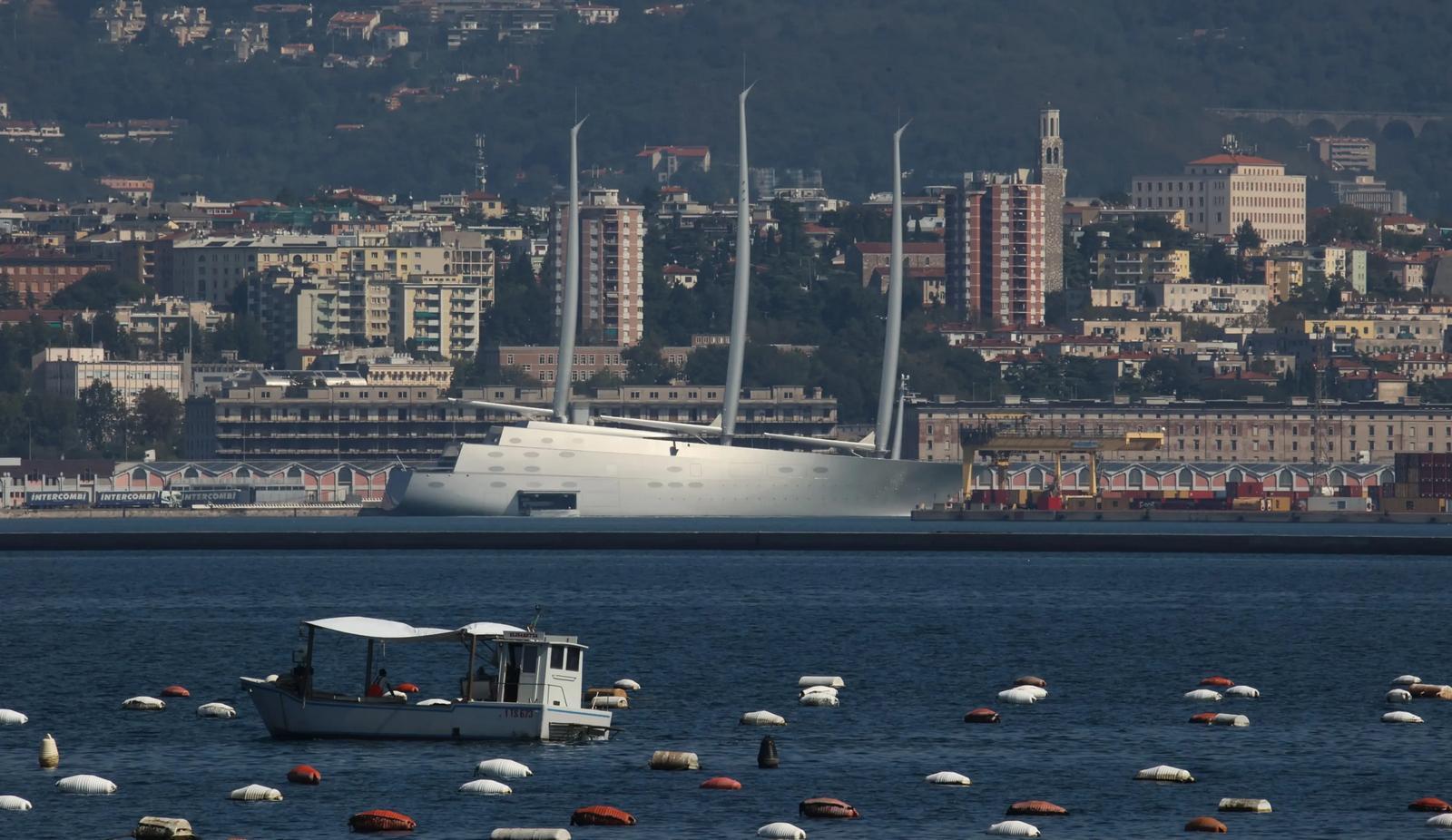
According to French newspaper Le Parisien, maintaining Sailing Yacht A, dubbed the world’s ugliest superyacht, costs approximately $30,000 a day, or nearly $11 million annually. That money pays for a skeleton crew that still numbers 20 people, tasked with cleaning the vessel and keeping its onboard systems running. Generator fuel, specialized cleaning, insurance, and climate control to protect its invaluable paintings from moisture damage also contribute to the daily bill. It is an extraordinary amount to spend on a vessel that has been sitting in the same Italian port since 2022, particularly when the authorities have no immediate prospect of putting it back to sea. And the daily bill might not be the end of Italy’s financial troubles, as the country could soon face another substantial expense to keep the superyacht in working condition.

The floating castle is costing taxpayers a fortune
Keeping a superyacht of this size in good condition is not quite the same as parking an ordinary boat and waiting for its owner to return. Sailing Yacht A has four variable-speed generators, each capable of producing 2,800 kW, giving it a combined installed generating capacity of 11.2 megawatts. The generators reportedly consume around 400 gallons of diesel every hour, although actual consumption depends on how much power the vessel needs at any given time. Its electricity requirements include running essential machinery and maintaining the environmental systems that keep the interiors from deteriorating. The yacht also needs regular cleaning and a crew to look after its numerous systems, even though it is not being used for private voyages.
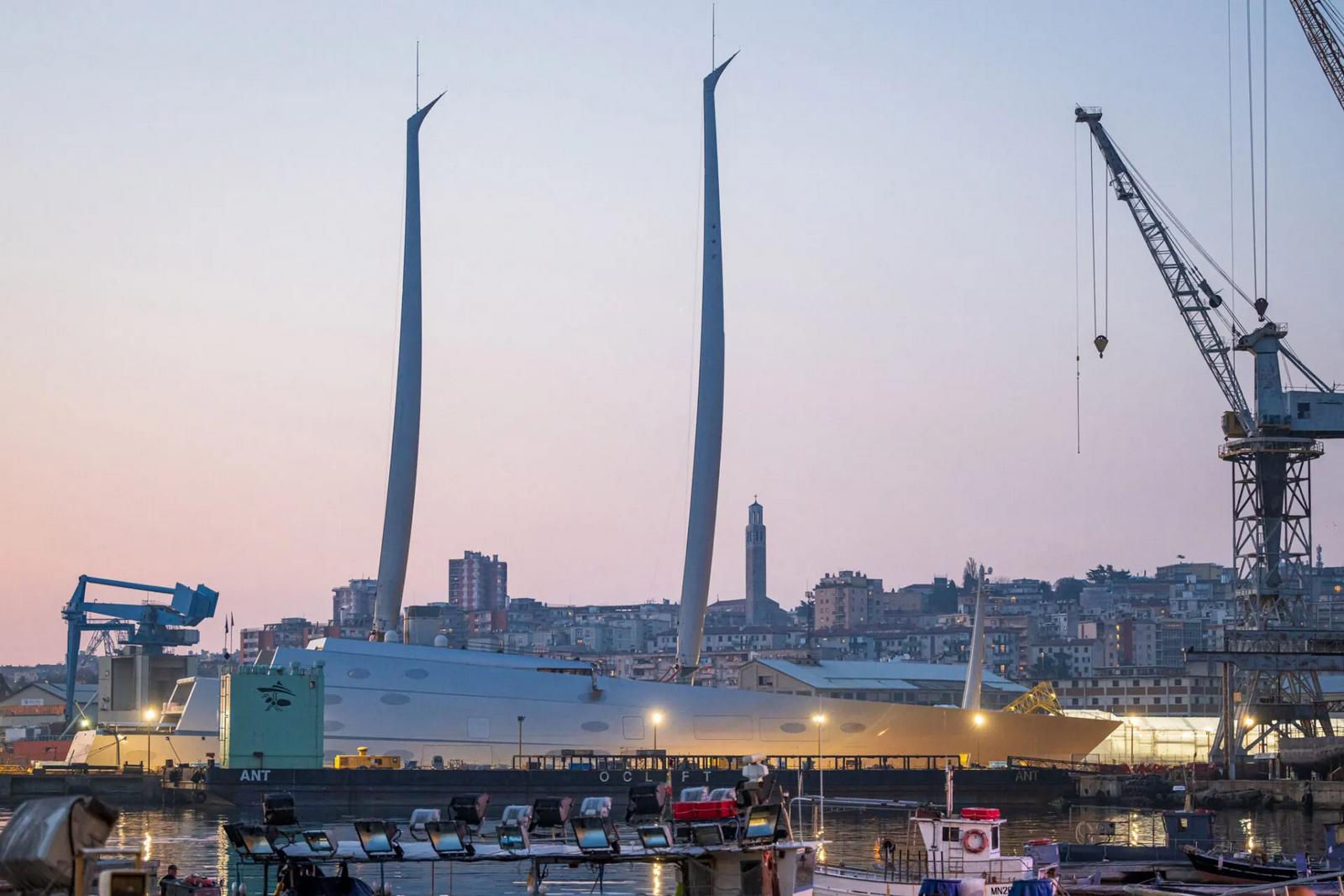
The financial headache could become considerably worse because of mandatory technical checks and repairs. A report published in July suggested that Italy might have to spend another $12 million on the vessel, as it approaches a mandatory class-renewal survey and could require extensive technical work to satisfy inspection requirements. The initial certification might cost considerably less, but the repairs needed to pass the inspection could run into millions. The Italian Treasury could initially have to advance the money, adding another uncomfortable chapter to a maintenance bill that has already been accumulating for years. For a yacht that cannot leave its berth, the prospect of another multimillion-dollar expenditure is hardly encouraging.
Monet paintings are among the most expensive things Italy is protecting
The most unusual part of the maintenance story is arguably hidden behind the yacht’s enormous exterior. An investigation by Italian television program Le Iene in January 2023 revealed that Sailing Yacht A housed a private art collection containing at least eight paintings, including works by Claude Monet and other Impressionist artists. There were also paintings by French artists dating from the 17th and 18th centuries, with the collection reportedly worth millions of euros. A regional fine-arts official who had inspected the artworks explained that they needed stable temperatures to prevent deterioration. This means the yacht’s air-conditioning and climate-control systems are not simply there to keep its luxurious accommodation comfortable, but also serve an important preservation purpose.
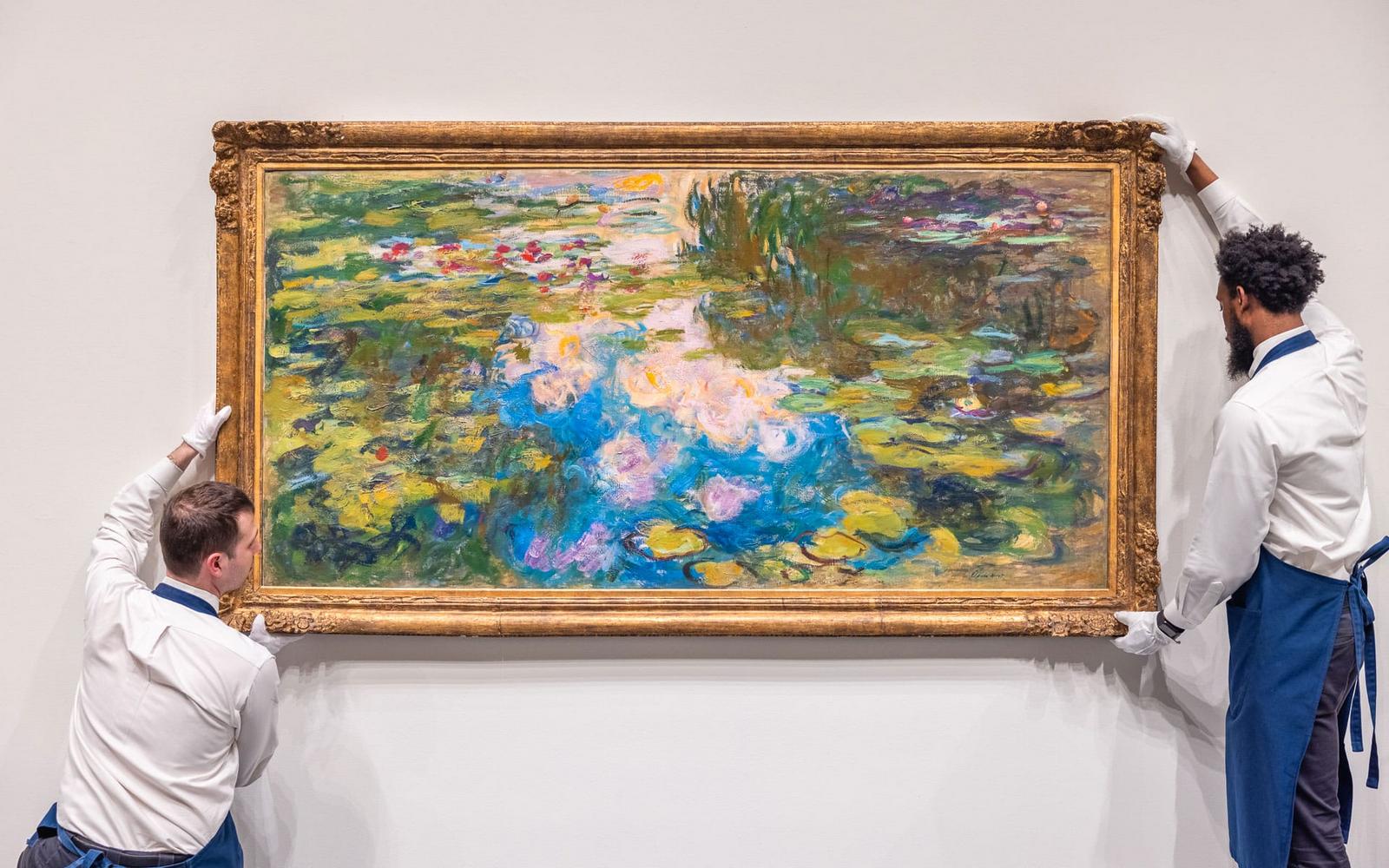
Paintings are particularly vulnerable to changes in their surroundings, especially when they are exposed to fluctuating temperatures and humidity. Canvas, wooden supports, and layers of paint react differently to moisture, and repeated expansion and contraction can eventually cause cracks, warped surfaces, and flaking paint. Excessive humidity can also encourage mold, while condensation behind a painting can damage its structure. This makes controlling moisture and maintaining proper air circulation just as important as keeping the temperature stable. For a collection containing valuable Impressionist works, switching off the yacht’s environmental systems could potentially create a much more expensive problem than the diesel and electricity bills.

There is another interesting chapter in the billionaire’s relationship with Monet’s paintings. When Melnichenko’s earlier superyacht, the Philippe Starck-designed Motor Yacht A, was delivered in 2008, it reportedly made an unusual first journey to Kristiansand in Norway rather than heading towards the Mediterranean. Three prized Monet paintings arrived at the Norwegian port aboard a private jet, each accompanied by its own bodyguard, before being loaded onto the vessel. The billionaire’s interest in collecting museum-quality art aboard his vessels goes back much further than the seizure of Sailing Yacht A.

The $600 million superyacht designed as a floating castle
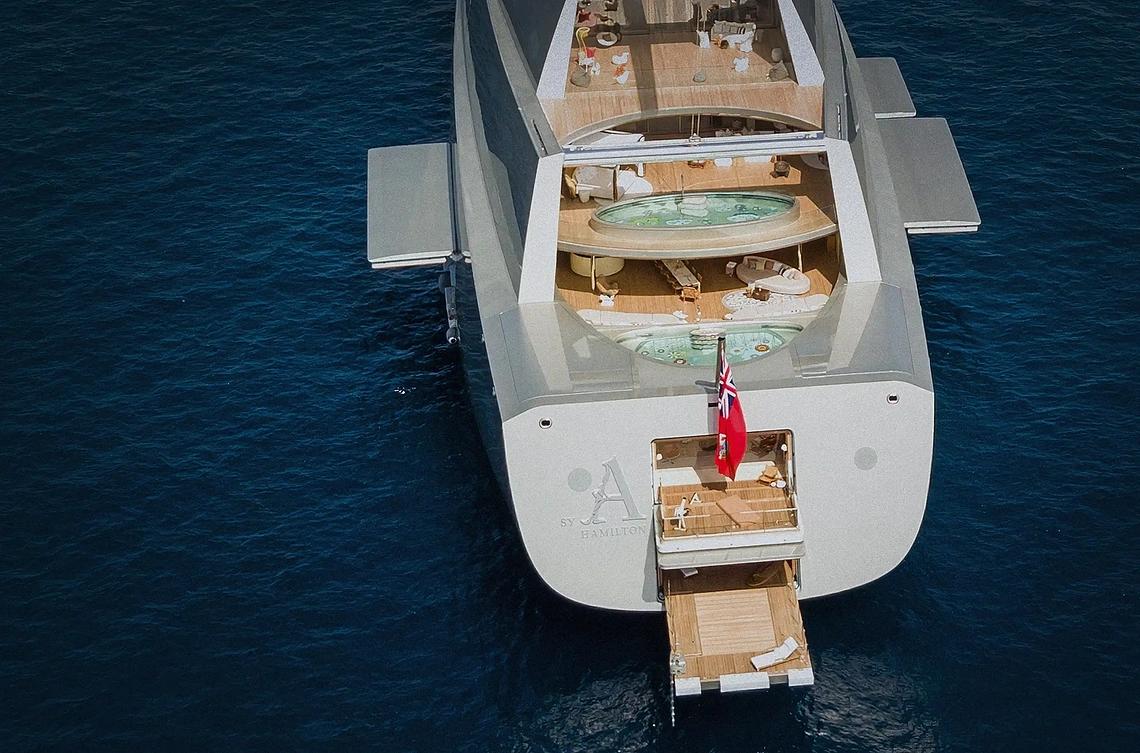
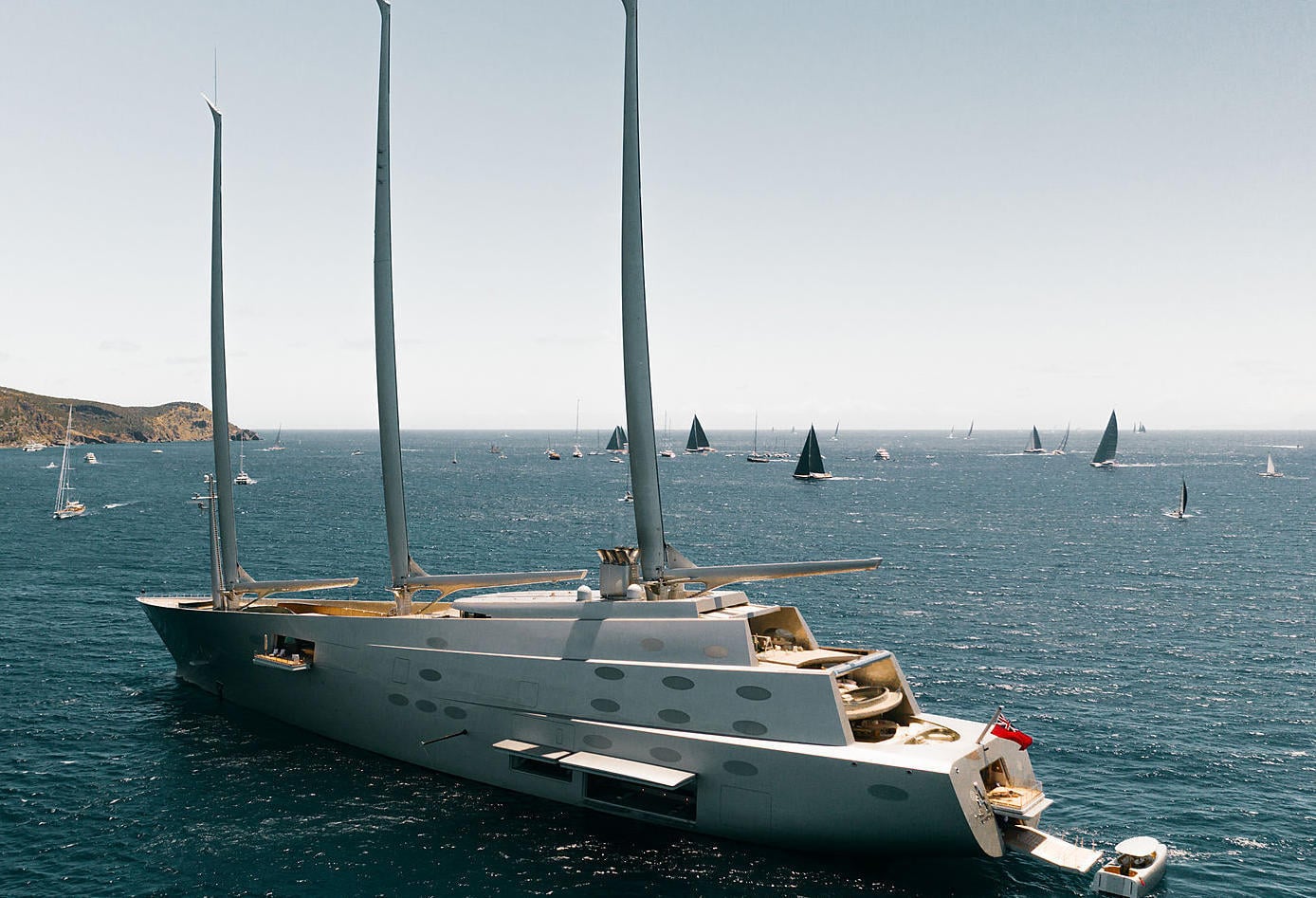
Commissioned by Russian industrialist and billionaire Andrey Melnichenko, Sailing Yacht A is one of the most recognizable and unconventional superyachts ever built. Measuring approximately 143 meters (468 feet), the vessel was constructed by German shipbuilder Nobiskrug and delivered in 2017, with an estimated value of around $600 million. Its radical design was penned by French designer Philippe Starck, who imagined it as a cruising castle where its occupants could live throughout the year in absolute comfort. The yacht features three enormous masts, eight decks, multiple elevators, and suspended spiral staircases connecting its elaborate interior spaces. Published descriptions of its interiors mention dark wood, copper accents, patterned carpets, a multilevel main salon and integrated bookcases.

Starck’s vision was to create much more than a conventional luxury yacht, and the vessel’s elaborate interiors help explain why its upkeep is so demanding. Unfortunately for Italian taxpayers, that vision now comes with a rather expensive maintenance bill. The yacht remains immobilized under sanctions, and the legal restrictions mean Italy cannot simply sell it to recover the money being spent. Until its legal status changes, the country must continue looking after the vessel and the valuable possessions reportedly housed inside it. It is an unusual situation in which a billionaire’s floating castle has become a public expense, with Italian taxpayers effectively helping protect a private collection of priceless art.