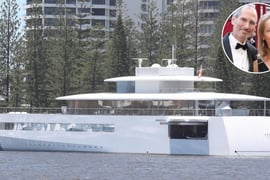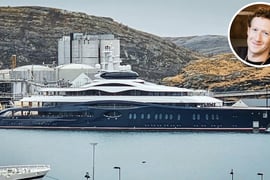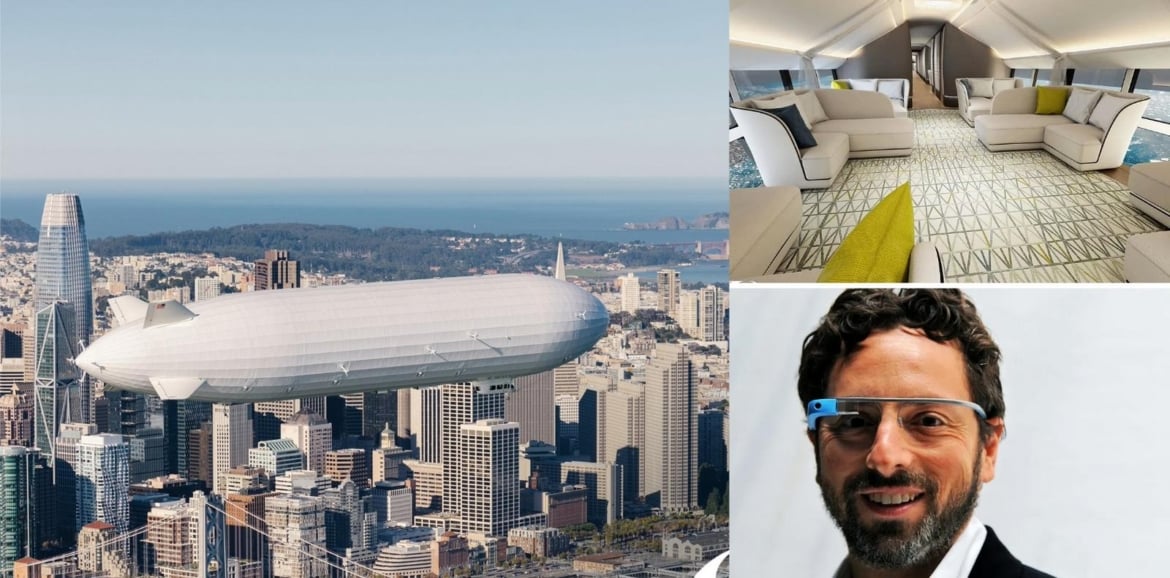
Google co-founder Sergey Brin already owns one of the most extraordinary private yachts in the world, but his next ambitious project is designed to take luxury and transportation in a completely different direction. Instead of gliding across the oceans aboard his enormous superyacht, Brin is backing the development of a giant airship that could float through the sky, carrying people and cargo without needing a runway.

Known as Pathfinder 3, the aircraft is being developed by LTA Research, the aerospace company Brin backs, and early plans envision something resembling a flying yacht, with room for substantial cargo and potentially even passenger accommodations. The idea is not to beat commercial airliners at speed, but to offer a different way of traveling that could eventually reach places conventional aircraft and ships struggle to access.
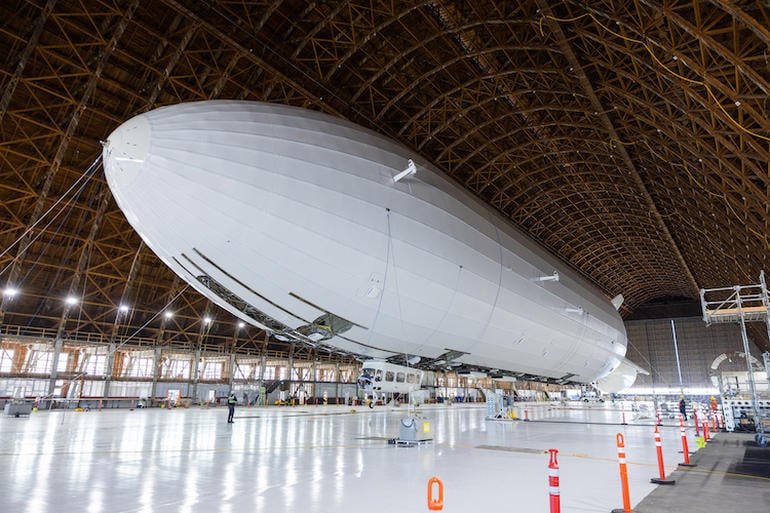
Pathfinder 3 was originally envisioned as an airship measuring approximately 185 meters, or 607 feet, in length, making it about 125 feet longer than Brin’s 466-foot Dragonfly megayacht. A report by Aerospace America described the aircraft as having a planned diameter of 30 meters, a lifting capacity of 96 metric tons and a projected range of almost 10,000 miles. The publication reported that construction had begun at the historic Akron Airdock in Ohio, the enormous hangar once associated with Goodyear’s rigid airships for the US Navy. These figures from the original development plans provide a sense of the scale of Brin’s ambitions.
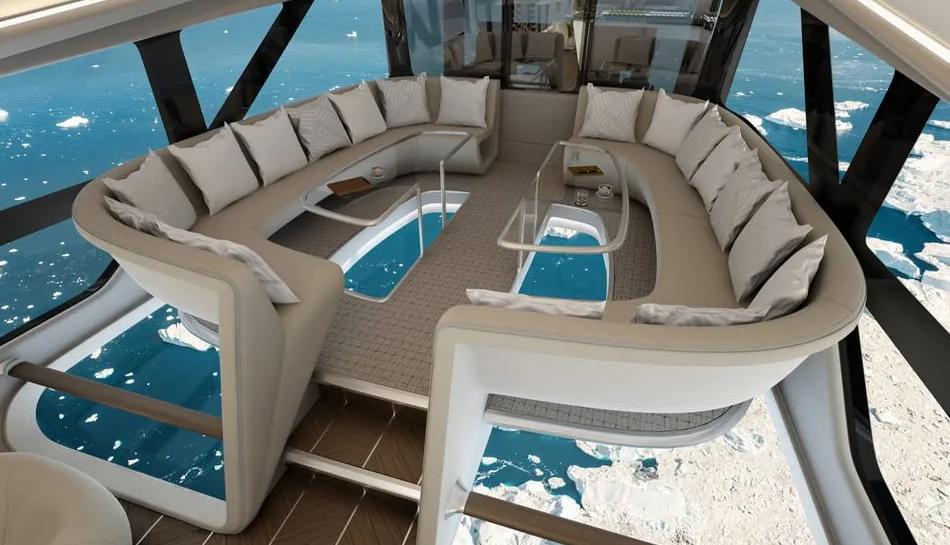
A 607-foot airship that could become a flying yacht
Pathfinder 3 is intended to take the technology developed through LTA Research’s smaller Pathfinder 1 and turn it into a much larger aircraft with practical applications. Its proposed rigid structure uses carbon-fiber tubes and titanium connections, while helium provides the lift needed to keep the enormous airship aloft.
The original design called for an all-electric propulsion system, initially powered by batteries, with hydrogen fuel cells considered as a possible future energy source. Earlier proposals also suggested a cargo capacity of approximately 20 US tons and an endurance of around two weeks, although these are targets rather than confirmed capabilities.
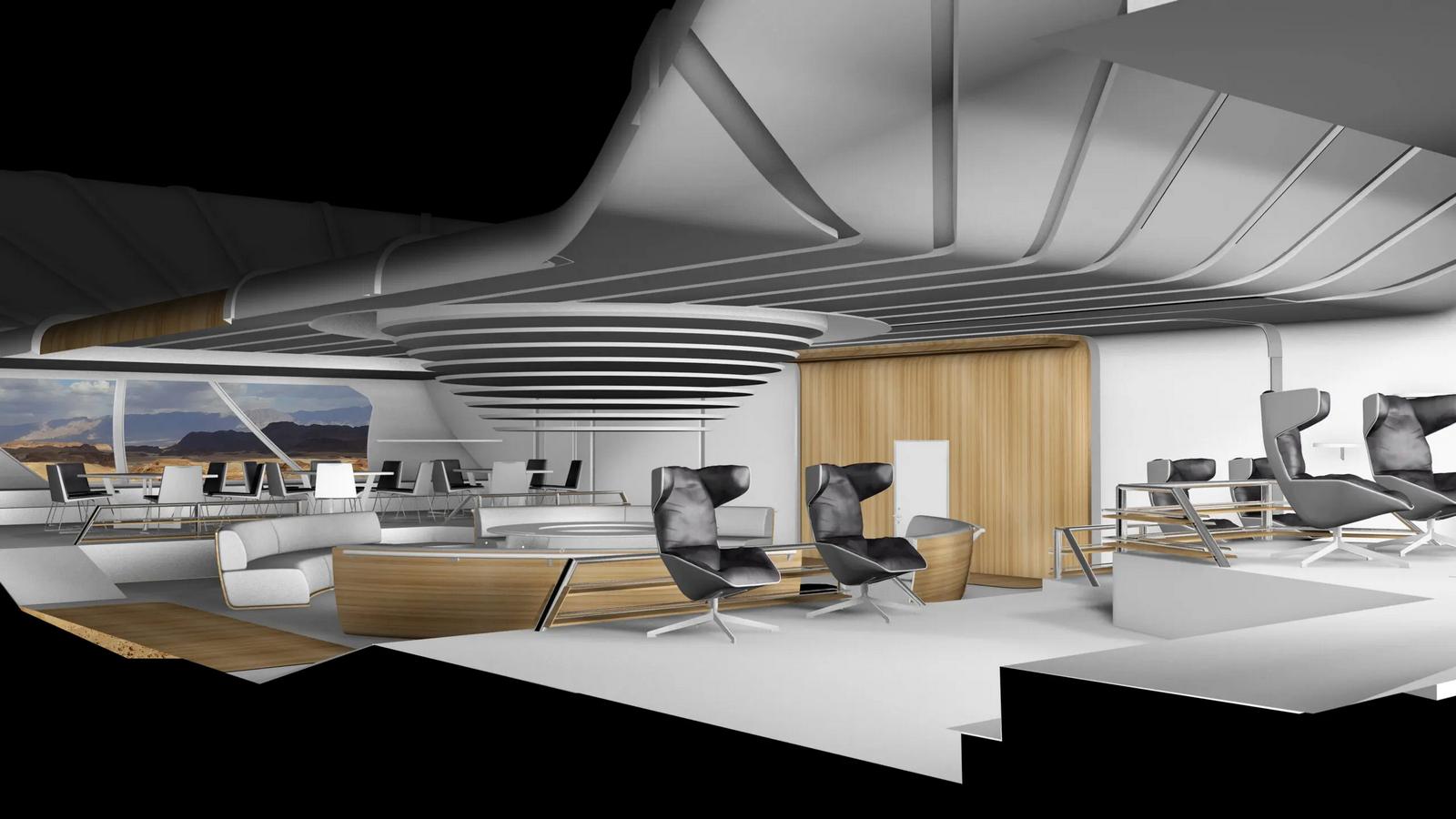
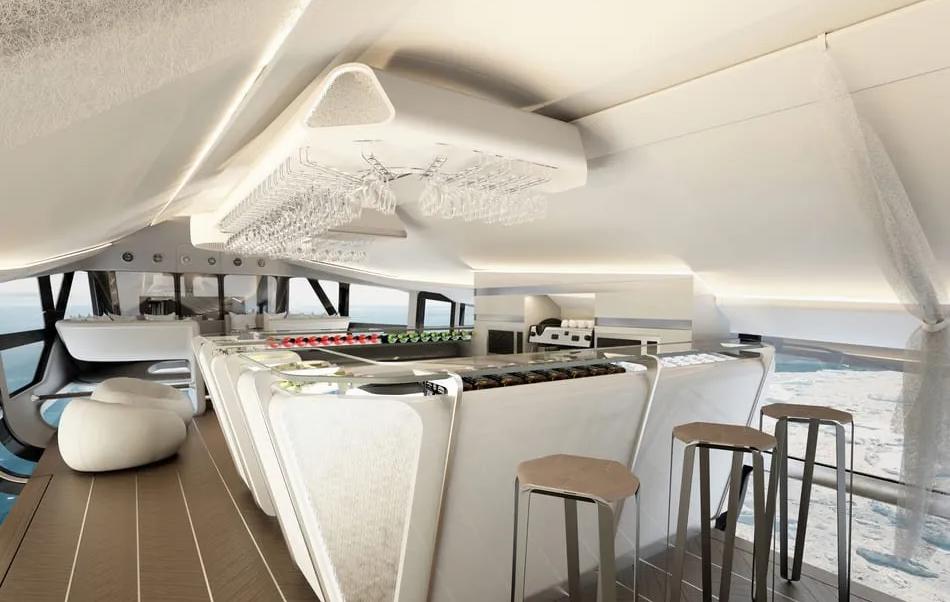
The scale of the aircraft raises an interesting possibility for passenger travel. Unlike a conventional airplane, where cabin space is tightly constrained by the need to travel quickly and efficiently, a large airship could potentially devote more room to passenger accommodation, dining areas, observation windows and specialized equipment. Luxury airship concepts being explored by other companies offer a glimpse of what such interiors might look like, including spacious cabins, panoramic views and flexible living areas. While LTA has not established that the aircraft will operate as a luxury passenger vehicle, but the broader idea of a floating hotel is part of the renewed interest in airship travel.
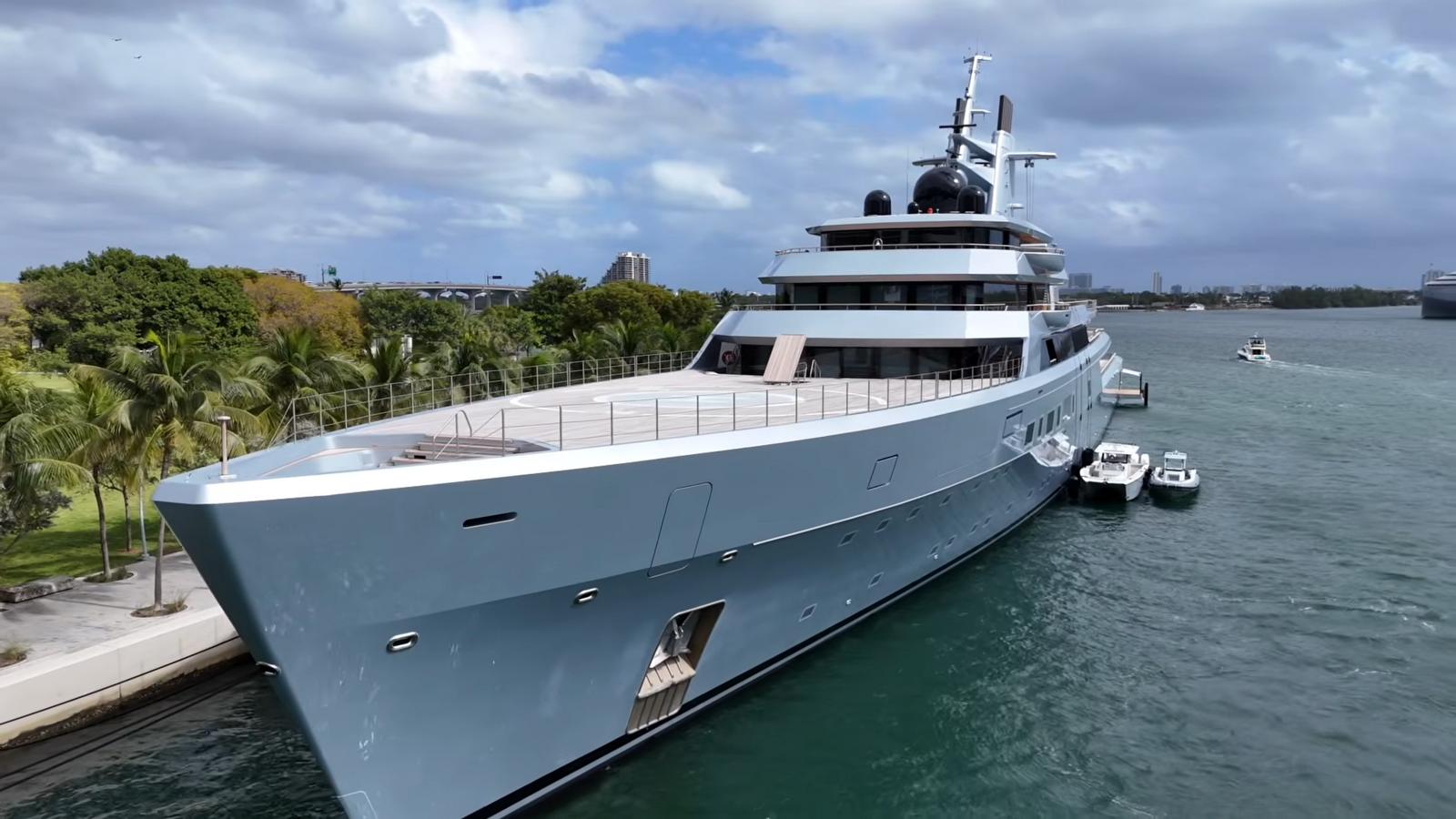
Dragonfly is his floating mansion on the water
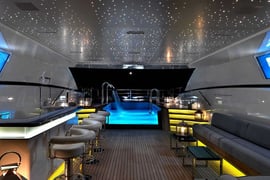
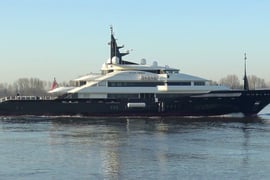
Brin’s interest in building ambitious machines is also reflected in Dragonfly, his gigantic superyacht built by German shipyard Lürssen. Measuring approximately 466 feet, the yacht is designed for long-range ocean travel and has the scale and amenities associated with the world’s largest privately owned vessels. Its size makes the comparison with Pathfinder 3 particularly striking because the proposed airship would extend roughly 125 feet beyond the yacht’s length, although the two machines are designed for very different environments and purposes. Dragonfly moves through the water, while Pathfinder 3 is intended to use buoyancy to remain airborne.

The connection is also personal because Brin’s involvement in LTA Research extends beyond simply providing financial backing. Bloomberg reported in 2023 that his investment in the company exceeded $250 million, although his representatives did not confirm the figure. Brin is also named as an inventor on a US patent covering methods and equipment for constructing airships, giving his connection to the project a documented engineering dimension as well. His precise day-to-day role in developing Pathfinder 3, however, is not publicly established by those details.

The ambition to take airships beyond conventional travel
LTA Research’s larger goal is to develop aircraft capable of carrying people and supplies to places where roads, airports and ports are unavailable or have been destroyed. After a major disaster, an airship capable of transporting substantial loads could potentially deliver relief supplies or support specialized operations without depending on conventional transport infrastructure. LTA CEO Brett Crozier summed up one of the advantages when speaking to IEEE Spectrum in 2025, saying, “We’re slower than a 777, but we’re faster than most other things, and we don’t need a runway.”

That trade-off between speed and flexibility is central to the airship’s appeal, although turning the original design into a commercially useful aircraft remains a substantial engineering challenge. Pathfinder 1 serves as a technology demonstrator, while Pathfinder 3 represents the much larger ambitions behind the program. If those ambitions eventually translate into a practical aircraft, Brin’s next giant machine could be more than an airborne counterpart to Dragonfly. It could help revive an old form of transportation in a modern role, carrying people and cargo through the sky at a slower pace, with the possibility of making the journey itself part of the experience.