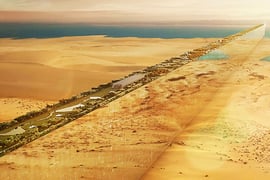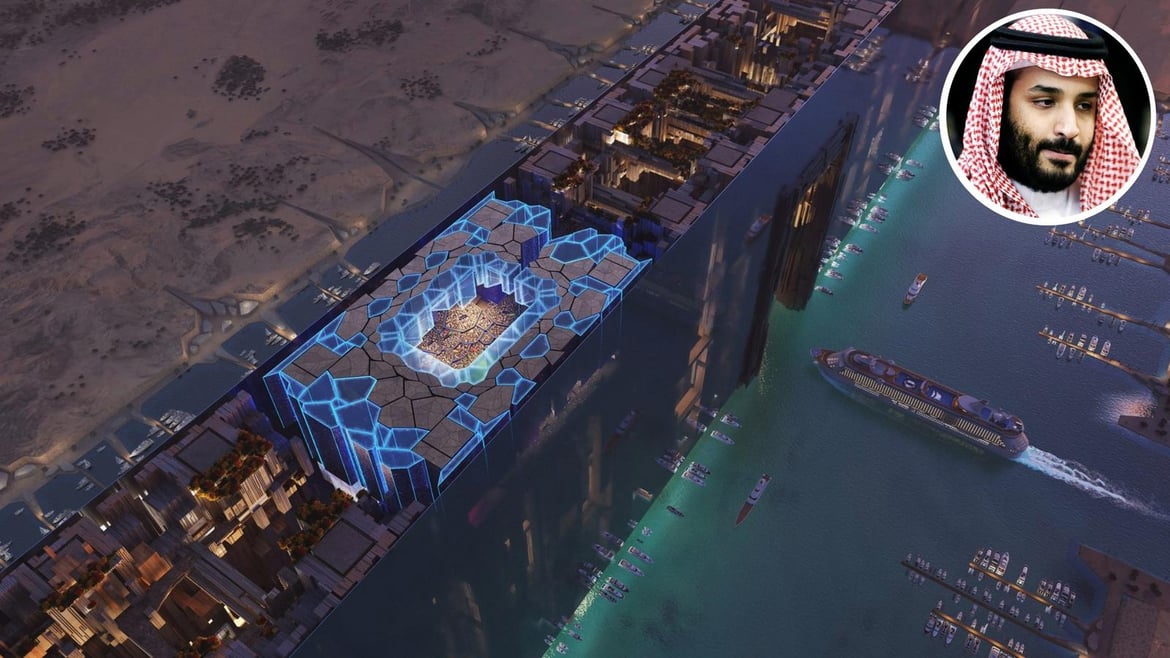
Saudi Arabia has reportedly shelved one of the most extraordinary stadium concepts ever proposed for a FIFA World Cup, bringing an uncertain end to plans for the ambitious Neom Stadium. Designed to rise more than 350 meters above the ground within The Line, the 46,010-seat venue was supposed to become one of the defining landmarks of the 2034 FIFA World Cup. Rather than standing independently, the stadium was envisioned as part of the futuristic linear city itself, with its roof formed by The Line and a sports district developing around it.

Its proposed architecture was intended to blur the boundaries between a stadium and the city around it, making the venue an integral part of the urban environment rather than a separate sporting complex. The concept reflected the sheer scale of Saudi Arabia’s original plans for Neom, where infrastructure, entertainment, hospitality and technology were designed to converge within a single futuristic development.
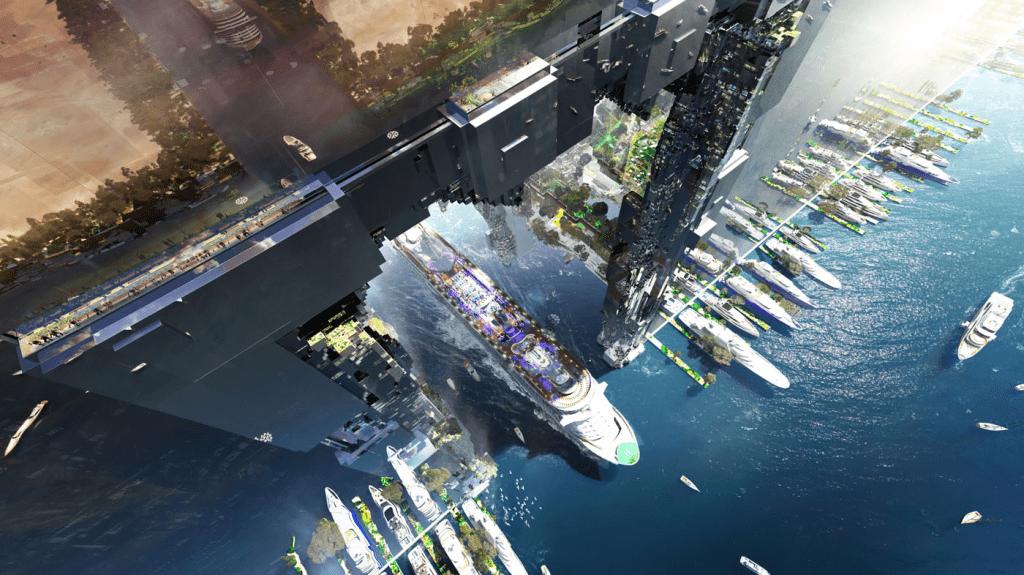
According to Reuters, two sources familiar with the project said Saudi Arabia has now shelved the Neom Stadium indefinitely. At the same time, the venue has been listed as “on hold” with no completion date by MEED Projects. This Dubai-based construction market intelligence platform tracks major tenders and development projects across the region. The proposed stadium was expected to cost around $2.5 billion, according to MEED, a figure also cited in Knight Frank’s 2025 Saudi giga-projects report. The development was originally scheduled to begin construction in 2027 and reach completion in 2032, leaving it ready for the 2034 tournament.
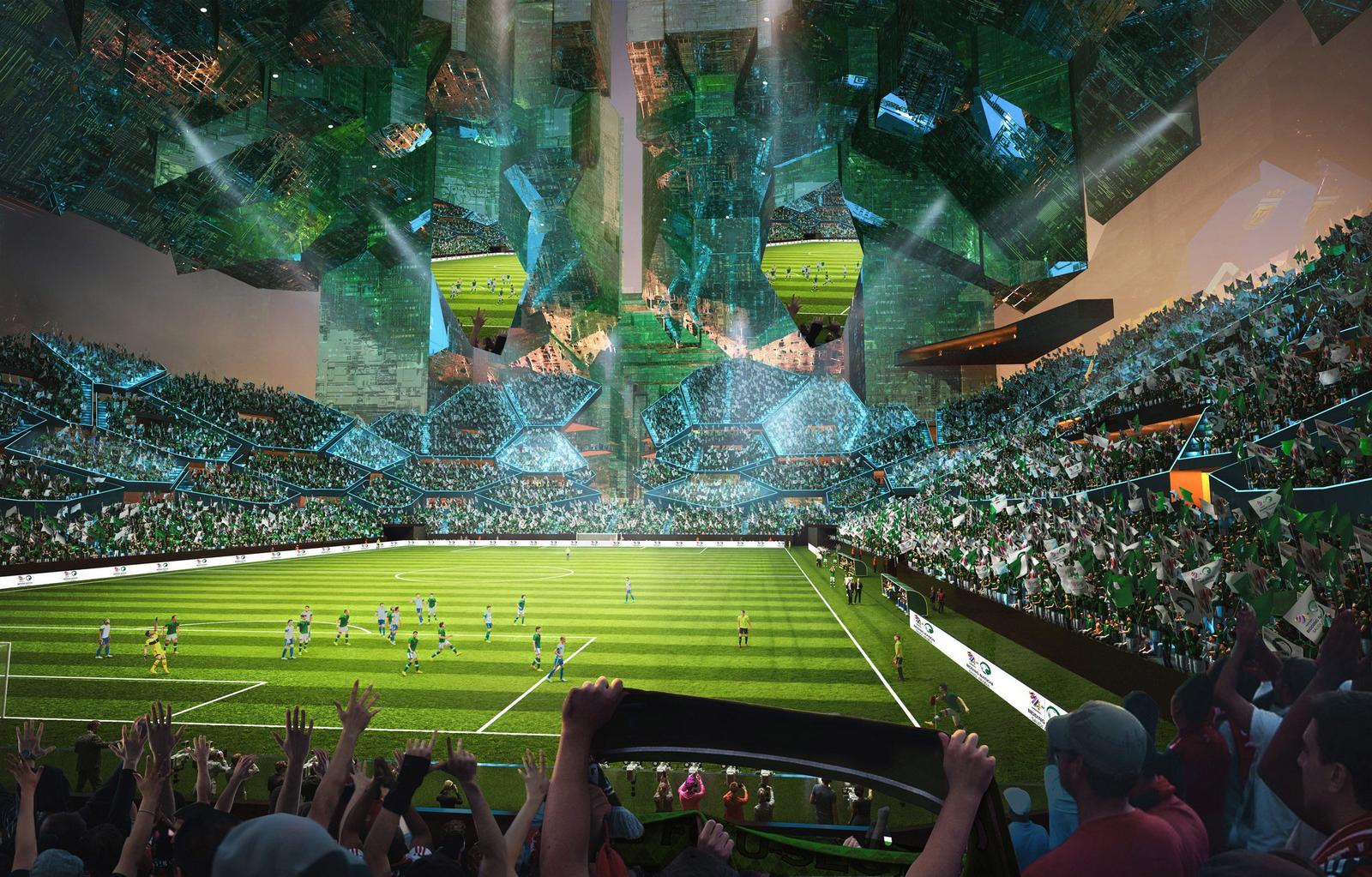
A stadium inside the futuristic city
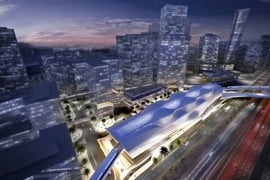
The Neom Stadium was intended to be unlike any conventional football venue, with its playing field positioned on the fourth and fifth levels of The Line, approximately 1,150 feet above ground. Saudi Arabia’s World Cup bid described it as “the most unique stadium in the world,” while its elevated location led Saudi media to promote it as a futuristic “sky stadium.” It was planned as the centerpiece of a sports district within The Line’s Hidden Marina, alongside a health and well-being district and a university.
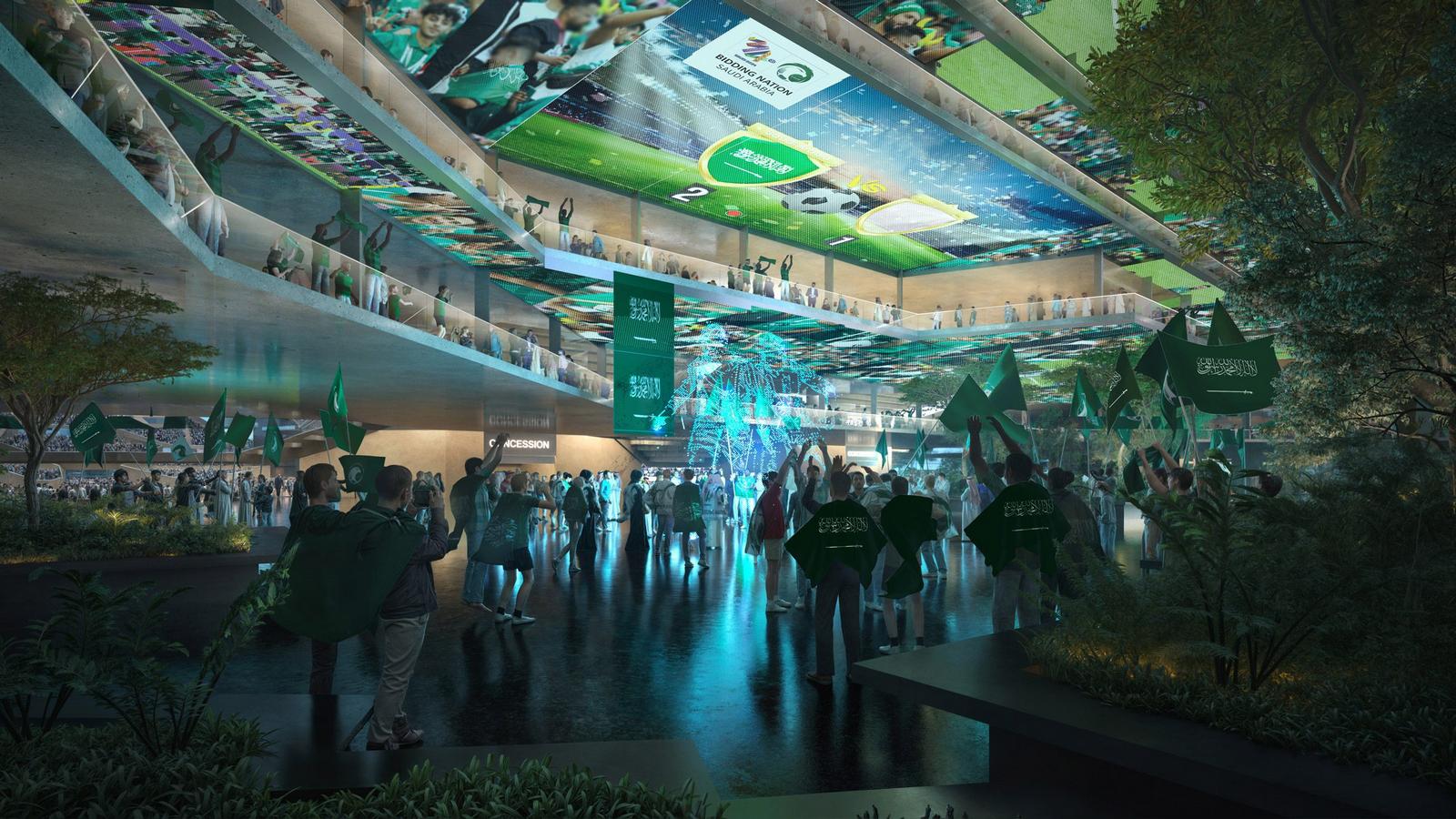
The surrounding development was supposed to include five hotels, training pitches and a fan festival site, while high-speed elevators and driverless electric vehicles would transport spectators through The Line. The venue was designed to run entirely on renewable energy, primarily generated through wind and solar power, and was expected to host matches from the group stage through the quarter-finals. After the World Cup, the stadium was intended to become home to men’s and women’s professional football clubs while also hosting concerts and cultural events.
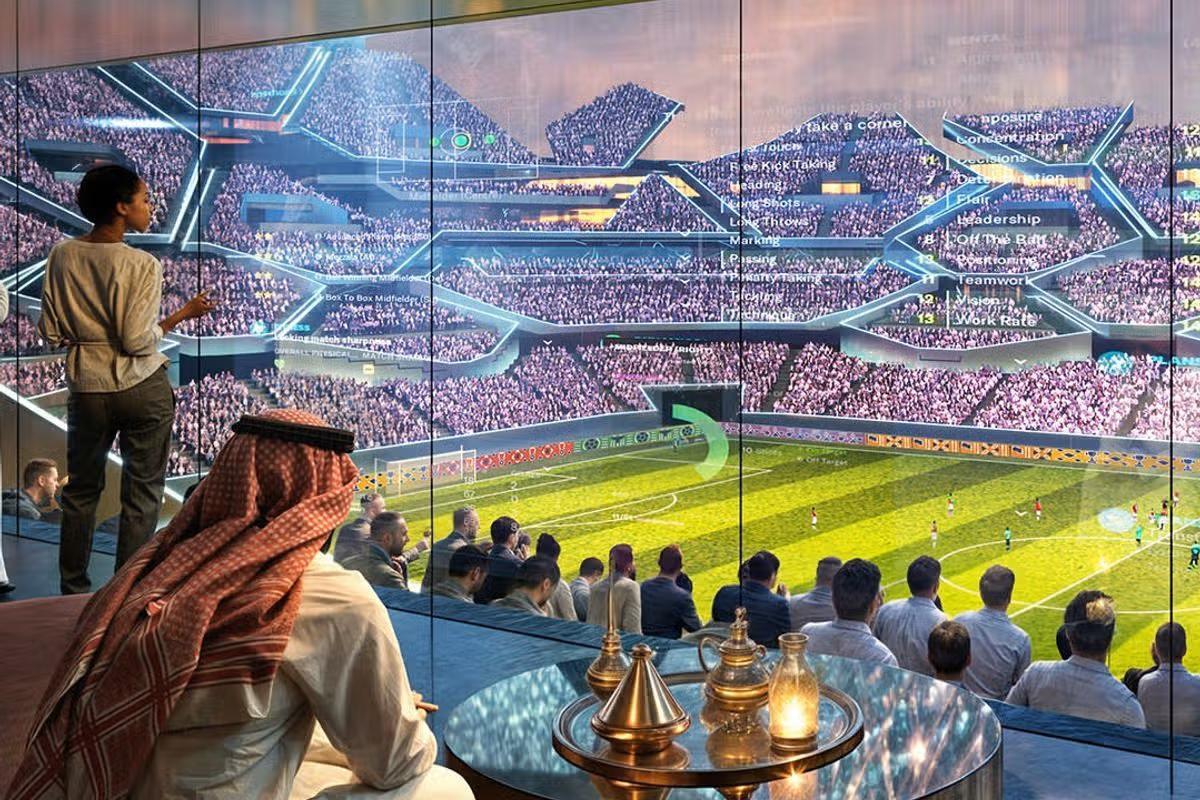
The project was also closely connected to the changing vision for The Line itself. A Reuters source previously said The Line was redesigned in late 2024 to accommodate the stadium because incorporating the venue “brought utility to the project.” Yet no architect or contractor was ever publicly identified, and the stadium remained a highly ambitious concept whose delivery depended on the much larger megaproject progressing at its original scale.
Another sign of Neom’s changing ambitions
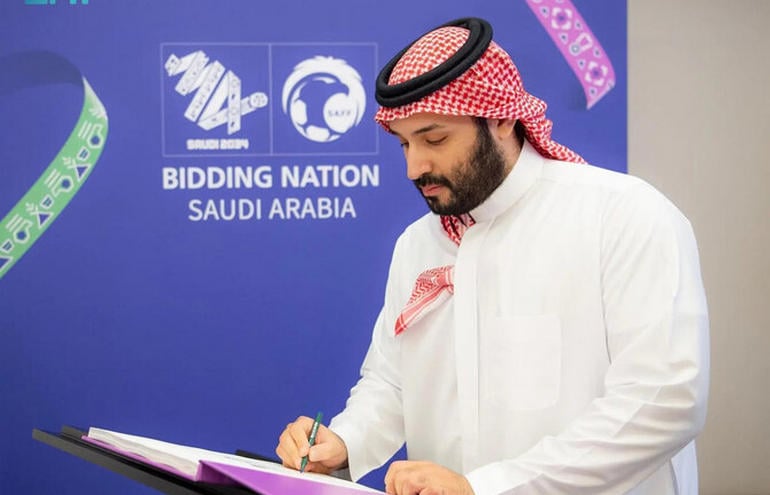
The reported shelving of the stadium is significant because Neom was conceived as one of the central pillars of Crown Prince Mohammed bin Salman’s Vision 2030, the sweeping economic transformation program designed to diversify Saudi Arabia beyond oil. When The Line was unveiled, the Crown Prince presented it as a radical new approach to urban development, describing it in 2022 as “a civilizational revolution that puts humans first.” Its extraordinary scale, along with projects such as the stadium, was intended to demonstrate how dramatically Saudi Arabia could reshape its economy, cities and tourism sector.
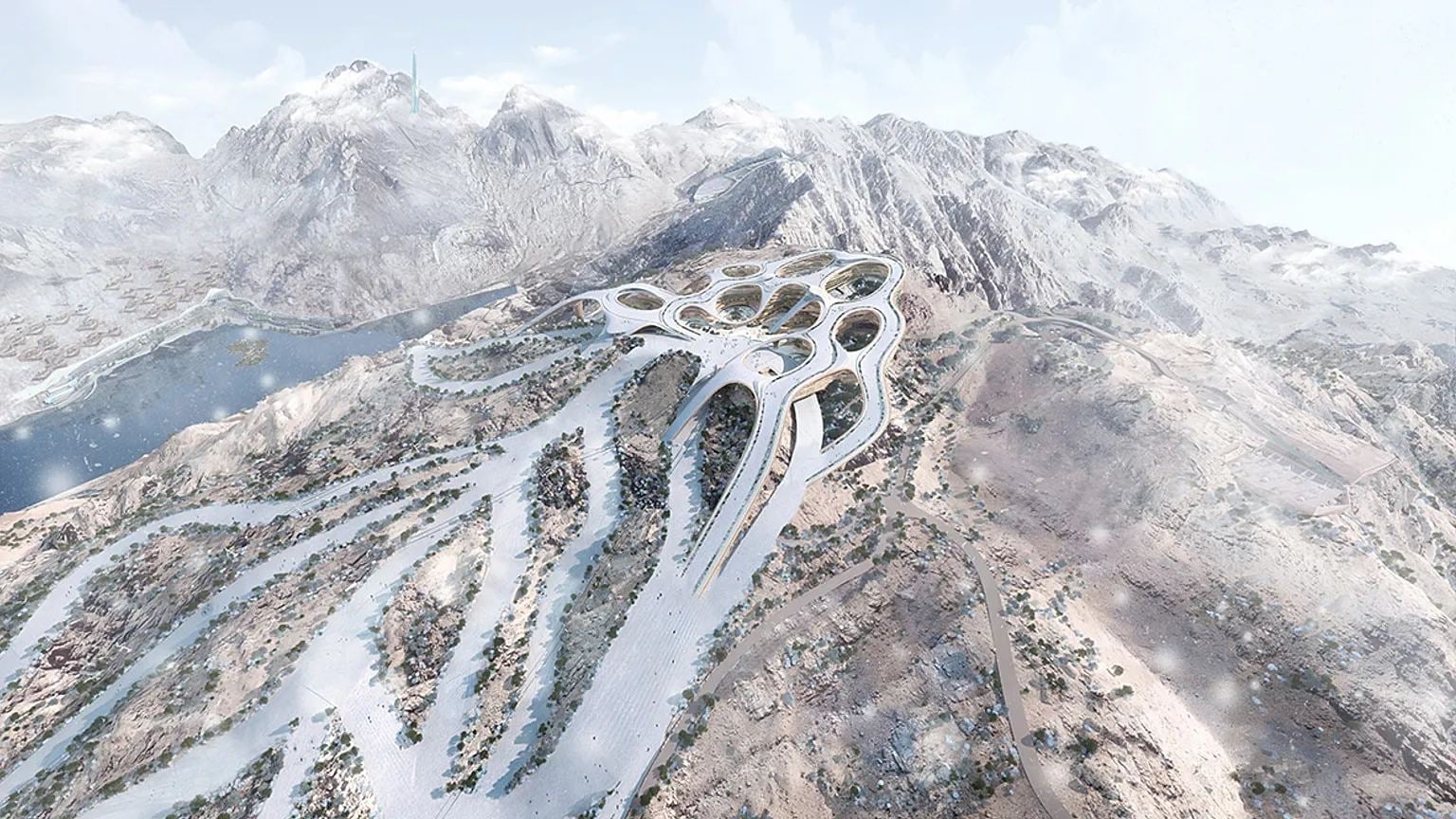
That ambition is now being recalibrated. In April, Yasir Al-Rumayyan, governor of the Public Investment Fund that owns Neom, said The Line was no longer a priority and was not vital before 2030, despite the earlier target for its first phase. Reuters has also reported that the PIF has been shifting its focus away from some of the most expensive giga-projects toward ventures capable of producing more immediate financial returns.
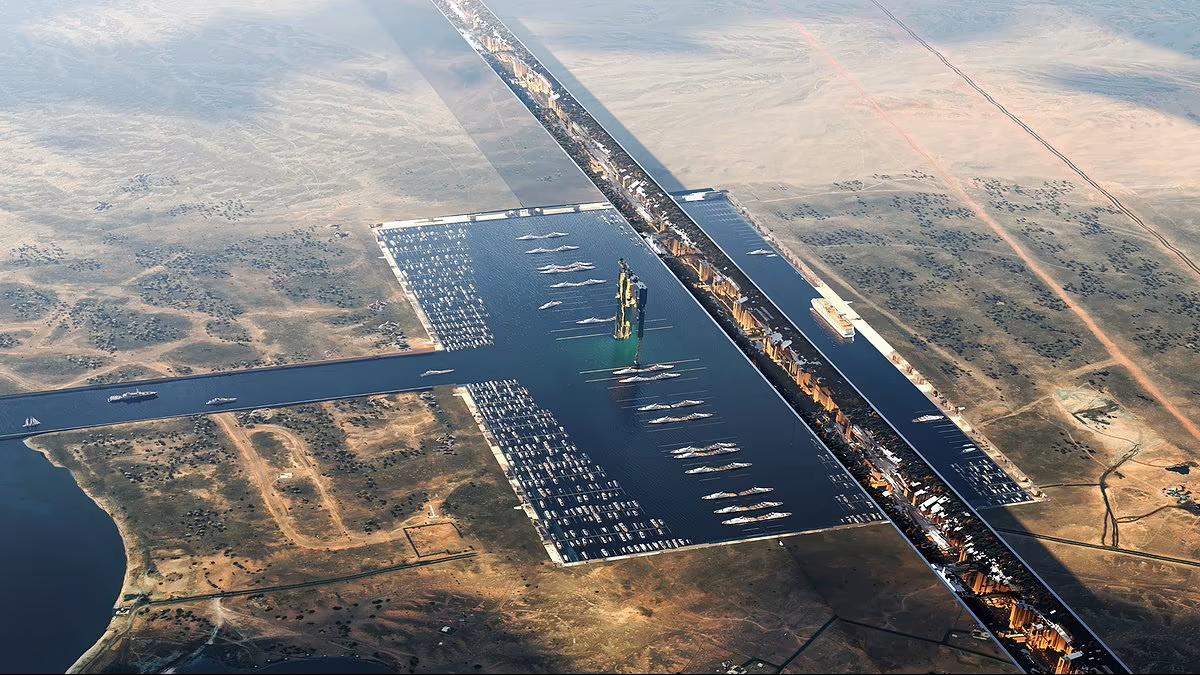
The Neom Stadium therefore represents more than a delayed construction project. Its proposed $2.5 billion price tag, extraordinary engineering requirements, and dependence on The Line made it one of the clearest expressions of the original Neom vision. Its indefinite shelving now offers a striking indication of how Saudi Arabia is moving from some of the most extravagant promises of Vision 2030 toward a more selective and scaled-back version of its futuristic development ambitions.